Electric Bike Price Guide: What Every Buyer Pays in 2026
Advertised electric bikes now stretch from under $1,000 to well beyond $5,000, a spread that confuses first-time buyers more than almost any other purchase in personal mobility. If you want a sense of where the upper, collectible end sits, our UBCO 2x2 e-bike price illustrates how engineering and utility reshape expectations. Before you compare a single model, it helps to understand what actually moves the number on the tag.
Demand is the backdrop for every quote. The global e-bike market was valued at roughly USD 69.73 billion in 2025, according to Grand View Research, and continues to expand as cities promote cleaner transport. That momentum shapes the choices, and the cost of an electric bike, that you face today.
What Determines the Price of an Electric Bike
The electric bike price you see advertised is really the sum of several distinct components, not a single headline figure. Frame material, battery chemistry, motor output, braking system, and included accessories each add measurable cost. Two bikes with identical wattage can still feel, and be priced, worlds apart.
Support and warranty coverage matter as well. Direct-to-consumer brands often undercut specialty shops, yet a local dealer network adds service value that a lower sticker cannot always match. When you weigh the cost of an e-bike, factor in spare parts, assembly, and long-term reliability, not only the checkout total.

Electric Bike Price Tiers Explained
Most buyers can sort the market into a few useful bands, where the tradeoffs shift rather than the guarantees of quality. The table below outlines the common tiers and where a curated, collectible option fits for riders who prioritize design and exclusivity.
| Tier | Typical range (2026) | What you generally get |
| Entry-level | Under $1,000 | Basic hub motor, smaller battery, short commutes |
| Mid-range | $1,000 to $2,500 | Larger battery, torque sensor, fenders and lights |
| Premium | $2,500 to $5,000 | Mid-drive motors, suspension, smart connectivity |
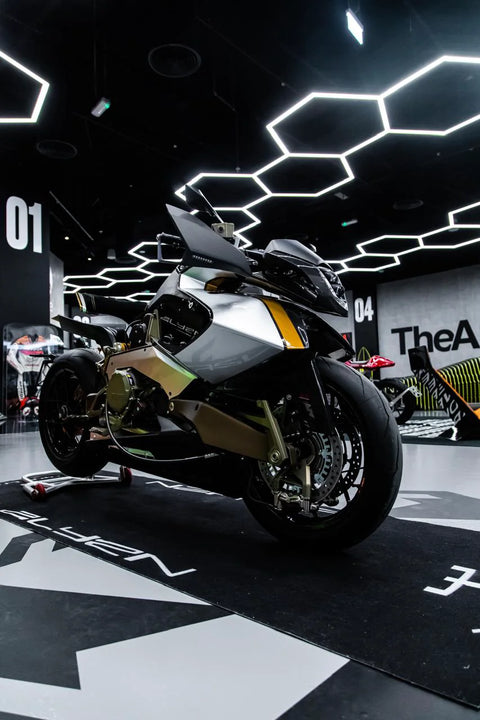
| Collectible (our curation) | $5,000 and beyond | Bespoke design, utility engineering, limited availability |
Independent 2026 shopping snapshots support these boundaries. A recent price check of twenty current models found advertised starting figures spanning several thousand dollars, with the majority clustered in the mid band. For the everyday commuter, that mid tier is where value and reliability tend to align.
Why Batteries and Motors Drive the Cost
Consider two bikes with the same 750-watt rating that quote hundreds of dollars apart. The difference usually lives inside the battery pack. According to Future Market Insights, battery cost remains the largest single component of electric bike pricing, and declining lithium-ion cell costs are gradually improving affordability across tiers.
Capacity sets both range and price. Packs typically range from 250Wh to 750Wh, delivering roughly 40 to 120 kilometres of assisted range depending on terrain and rider weight. A higher e-bike cost often buys a denser battery, a smoother torque sensor, and a motor tuned for hills rather than raw wattage alone.
The Premium and Collectible End of the Spectrum
Once you pass the mainstream tiers, price stops tracking commuting logic and starts reflecting engineering ambition and scarcity. This is the space we curate. A rugged, utility-focused platform such as our Outsider MX e-bike price answers a different question than a folding city bike does.
Design-led builds carry their own logic too. For riders drawn to street style and standout form, our Evol Bike electric BMX e-bike price reflects bespoke construction and limited runs rather than mass production. At this level, you are paying for character, materials, and a machine few others will own.

How to Match Your Budget to Your Ride
Start with your route, not the catalogue. A flat two-mile commute rewards a light, affordable bike, while steep hills or cargo duty justify a stronger motor and larger battery. Spending more makes sense only when a specific need, such as reduced weight or greater range reserve, improves rides you genuinely repeat.
Beware false economy at the bottom. A very low electric bicycle cost can mask weak brakes, thin support, or scarce replacement parts. Set a realistic budget, confirm the fit and service network, and treat price as the final filter once the shortlist already suits how you ride.
Where Electric Bike Prices Are Heading
Will prices keep climbing or ease off? The direction depends on the region and the report you read. MarketsandMarkets projects the global e-bike market to grow from USD 46.39 billion in 2026 to USD 74.98 billion by 2035, while noting a slight demand softening in Europe and North America.
Other forecasts read the same industry more bullishly. Fortune Business Insights valued the sector at USD 57.50 billion in 2025 and expects it to reach USD 65.80 billion in 2026. For buyers, cheaper cells and fierce competition suggest that mid-tier value will keep improving, even as premium and collectible builds hold their ground.
Final Thoughts on Electric Bike Pricing
The right electric bike price is the one that matches your route, your body, and your appetite for longevity, not simply the smallest number available. Study the battery, confirm the motor suits your terrain, and check that service and spare parts are within reach. Enter the market with a realistic band in mind, then let fit and purpose decide the model before cost delivers the final verdict.
Take action with TheArsenale
If your interest leans toward machines that stand apart from the commuter mainstream, you deserve a curated shortlist rather than an endless catalogue. We assemble e-bikes where engineering, design, and scarcity define the value.

Explore our curated e-bikes collection to review models, specifications, and positioning across the premium spectrum. As a luxury mobility marketplace, we offer free shipping, responsive sales support, and Private Membership access to vehicles before they are listed publicly. When you are ready to move beyond mass-market compromises, we are ready to help you choose with confidence.
Frequently Asked Questions
How much does a good electric bike cost in 2026?
For most everyday riders, the $1,000 to $2,500 band offers the strongest balance of battery capacity, component quality, and support. Spending less can suit short, occasional trips, while premium needs justify more. The right figure depends on your route rather than the label alone.
Why are some electric bikes so much more expensive than others?
Battery capacity is the largest cost driver, followed by motor type, frame materials, and included accessories. Two bikes with identical wattage can differ sharply because of cell quality and sensor technology. Warranty coverage and dealer support add further value that a low sticker cannot always reflect.
Is a cheaper electric bike a false economy?
It can be, if the low price hides weak brakes, limited support, or scarce replacement parts. A modest budget still works for short, simple rides when fit and serviceability are clear. Always confirm the essentials before treating price as your deciding factor.
What do premium and collectible electric bikes offer?
Beyond the mainstream tiers, price reflects engineering ambition, bespoke design, and limited availability rather than commuting math. Our curated models, such as the Outsider MX and the Evol electric BMX, illustrate this design-led approach. You pay for character, materials, and exclusivity.
Are electric bike prices expected to fall?
Declining lithium-ion cell costs and strong competition are gradually improving mid-tier value across the market. Some 2026 forecasts note softer demand in Europe and North America, which can pressure prices. Premium and collectible builds, however, tend to hold their positioning.