Personal Submarine Plans: DIY Builds and Ownership Routes

The global market for privately owned submersibles was valued in the billions, a figure that reflects how far underwater exploration has moved from science fiction toward genuine access. For enthusiasts researching personal submarine plans, the central question is rarely whether such craft exist. It is whether to build from a set of drawings or to acquire a finished, certified vessel. If you would like a broad ownership primer first, our Aurora 3C personal submarine plans and ownership overview is a useful starting point.
Interest is accelerating for measurable reasons. According to a market research report, the global personal submarine market reached USD 1.47 billion in 2024, driven by rising affluence and growing curiosity about the deep. That momentum has reshaped what an ordinary buyer can realistically pursue, whether the goal is a weekend descent or a serious research dive.
What "personal submarine plans" actually describe
The phrase covers a wider range of meanings than most newcomers expect. At one end sit technical blueprints for homebuilt craft. At the other sit ownership pathways for factory built submersibles. A personal or private submarine is generally defined as a privately funded vessel intended primarily for recreational use, a definition confirmed by industry market analysis.
Understanding this distinction matters before you commit either time or money. Homebuilt submarine designs demand fabrication skill, diving competence, and a tolerance for risk. Certified vessels remove most of the engineering burden but require significant capital. Neither route is inherently superior; they simply serve different owners with different priorities.

The reality of homebuilt submarine designs
Vintage plan sets have circulated among hobbyists for decades, and many trace back to designs published in mid century enthusiast magazines. Most of these documents were sold as collectible drawings rather than validated engineering, and they carry explicit warnings that the builder assumes all risk. That caveat is not a formality; it reflects the genuine hazards of operating a craft underwater.
Many amateur builds are not fully sealed pressure vessels at all. A common approach is the ambient pressure design, essentially a modern diving bell that stays open at the bottom so water equalizes the internal pressure. This simplifies construction and resurfacing, yet it keeps the interior wet and demands diving discipline. Such craft resemble propelled diving bells more than the dry, pressurized submersibles most people imagine.
If you are drawn to the workshop side of this hobby, treat any purchased drawings as a starting concept rather than a finished specification. Window seals, hull stress, battery off gassing, and egress all require professional validation before a single dive.
Safety, engineering, and the physics you cannot ignore
Water pressure increases relentlessly with depth, and a hull that performs on the surface can fail catastrophically below it. Deep water submersibles capable of descending beyond 300 meters rely on high strength titanium or carbon fiber composite hulls precisely because ordinary materials cannot survive the load, as noted in the same personal submarine market research.
Beyond the hull, three systems separate a safe dive from a fatal one. Reliable life-support systems maintain breathable air and remove carbon dioxide. Redundant ballast tanks and buoyancy controls guarantee you can surface if power fails. And clear egress ensures escape in an emergency. Homebuilt projects frequently underinvest in exactly these areas, which is why diving certification and professional review are non negotiable before entering the water.
For readers weighing a purchase instead, our guide on How to buy a personal submarine walks through classification, inspection, and support considerations that finished vessels address by design.
Why demand for private submersibles is rising
The appetite for underwater exploration is no longer niche. The global deep sea manned submersible market was valued at USD 4.8 billion in 2025 and, according to a deep sea submersible report, is projected to reach USD 9.1 billion by 2034. That growth is propelled by scientific research, luxury tourism, and steadily improving technology.
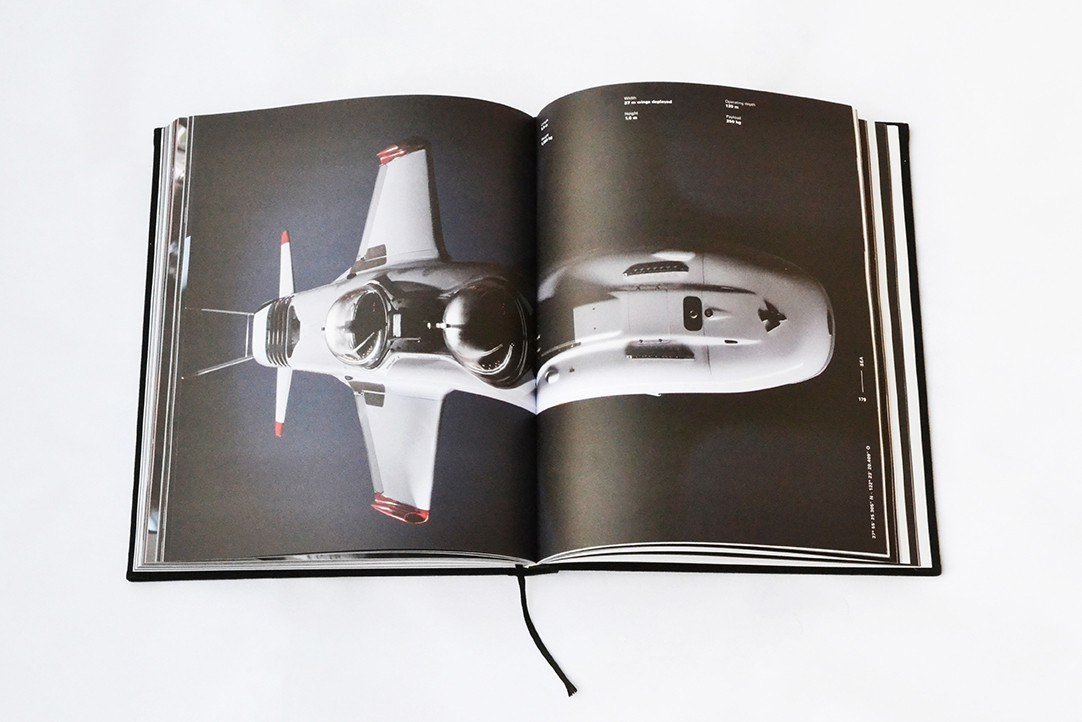
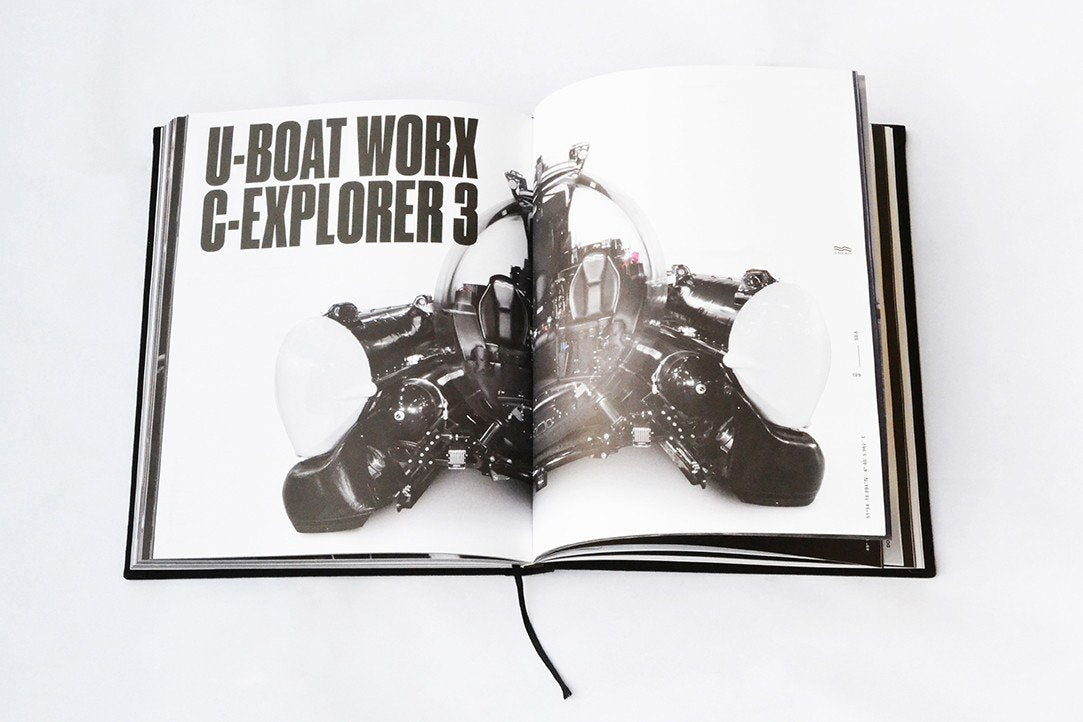
This expansion is also broadening the used and certified market, giving prospective owners more entry points than a decade ago. A certified submarine from an established manufacturer arrives with documented depth ratings, maintenance histories, and operator training, which dramatically reduces the risk profile compared with an untested homebuilt hull. For a real world example of a professionally engineered platform, see our overview of the U-boat Worx C Researcher personal submarine.

Building from plans versus buying certified
The decision comes down to what you value most: the craft of construction, or the assurance of engineering. The table below compares the two homebuilt and certified routes against a curated marketplace approach.
| Criterion | Homebuilt from plans | Buying certified | Curating with us |
|---|---|---|---|
| Engineering validation | Builder's responsibility | Manufacturer certified | Certified, pre-vetted vessels |
| Depth confidence | Unproven | Rated and documented | Rated and documented |
| Time to first dive | Months to years | Short | Short, with early access |
| Risk profile | High | Low | Low |
| Access to models | Limited to plans owned | Public listings | Access before public listing |
Where a finished vessel is the sensible choice, our How much does a personal submarine cost? breakdown helps you match a realistic budget to the depth and capacity you actually need.
What it costs to plan for
Budgets vary enormously with depth rating and capacity. Industry analysis places small single person submersibles near USD 2 million, with luxury models exceeding USD 40 million. Plans for homebuilt craft cost a fraction of that, yet the hidden expenses of fabrication, testing, insurance, and safety systems narrow the gap considerably.
It also helps to keep the wider category in perspective. The broader submarines market, which includes large defense platforms, grew to roughly USD 12.87 billion in 2025 according to a 2026 industry report. Personal recreational submersibles represent a small but fast expanding slice of that total, which is precisely why the certified secondhand and new markets are becoming more accessible to private buyers.
Choosing your route with confidence
Researching personal submarine plans ultimately forces one honest question: are you building a project, or acquiring a diving platform? If you possess fabrication skill, diving certification, and patience, a homebuilt design can be a rewarding pursuit, provided every safety system is professionally validated. If your priority is dependable access to the deep, a certified vessel removes the greatest risks and shortens the path to the water. Match the route to your experience and ambitions, verify every claim before you dive, and treat safety as the non negotiable foundation of any decision.
Take action with TheArsenale
Whether you have been studying blueprints or simply dreaming of the deep, the practical next step is seeing which certified, dive ready vessels are genuinely available to you today. We bring curated ocean exploration craft together in one place so you can compare depth ratings, capacity, and capability without piecing it together yourself.

Explore our curated collection of personal submarines, where our Private Membership offers access to vehicles before they are listed publicly. Our team typically replies in under thirty minutes, so you can move from research to a considered acquisition with clear, informed guidance at every step.
Frequently Asked Questions
Is it legal to build a personal submarine from plans?
Building a private submersible is generally permitted in many jurisdictions, but operation is subject to maritime and safety regulations. Certification, dive location rules, and liability all apply. You should always consult local authorities and qualified marine engineers before construction or diving.
Are homebuilt submarine designs safe to dive?
Homebuilt designs carry significant risk because hull integrity, life support, and escape provisions are the builder's responsibility. Many amateur craft are ambient pressure vessels rather than sealed submarines. Professional engineering review and diving certification are essential before any descent.
How much should I budget for a certified personal submarine?
Prices vary widely with depth and capacity. Industry analysis places small single person submersibles near USD 2 million, while luxury models can exceed USD 40 million. Operating, maintenance, and insurance costs should also be factored into your planning.
What is the difference between a private submarine and a diving bell?
A true submarine is a self contained, pressure managed vessel with propulsion and buoyancy control. A diving bell, including many ambient pressure homebuilt craft, stays open at the bottom and keeps the interior wet. The engineering and safety demands differ substantially.
Where can I find certified personal submarines to buy?
Certified vessels are available through established manufacturers and curated marketplaces. Our collection brings vetted ocean exploration craft together with documented depth ratings and support, and our Private Membership provides early access before public listings.