Mercedes 190E Cosworth for Sale: A Complete Buyer Guide
Fewer than 502 examples of the wildest 190E, the Evolution II, ever left the factory, which explains why demand consistently outpaces supply. If you are weighing a purchase, understanding variants, provenance, and realistic budgets matters far more than nostalgia. The search for a well-sorted Mercedes 190E Cosworth rewards patience and homework. For collectors who want curated access, we help you find used luxury cars like the 190E Cosworth without the guesswork of open classifieds.
This performance saloon earned its reputation through motorsport, not marketing. According to autoevolution, the Evolution II was produced in a limited series of just over 500 units purely to satisfy homologation rules. That scarcity, combined with genuine engineering pedigree, is why buyers treat these cars as serious appreciating assets rather than ordinary used vehicles.
What Defines a Mercedes 190E Cosworth
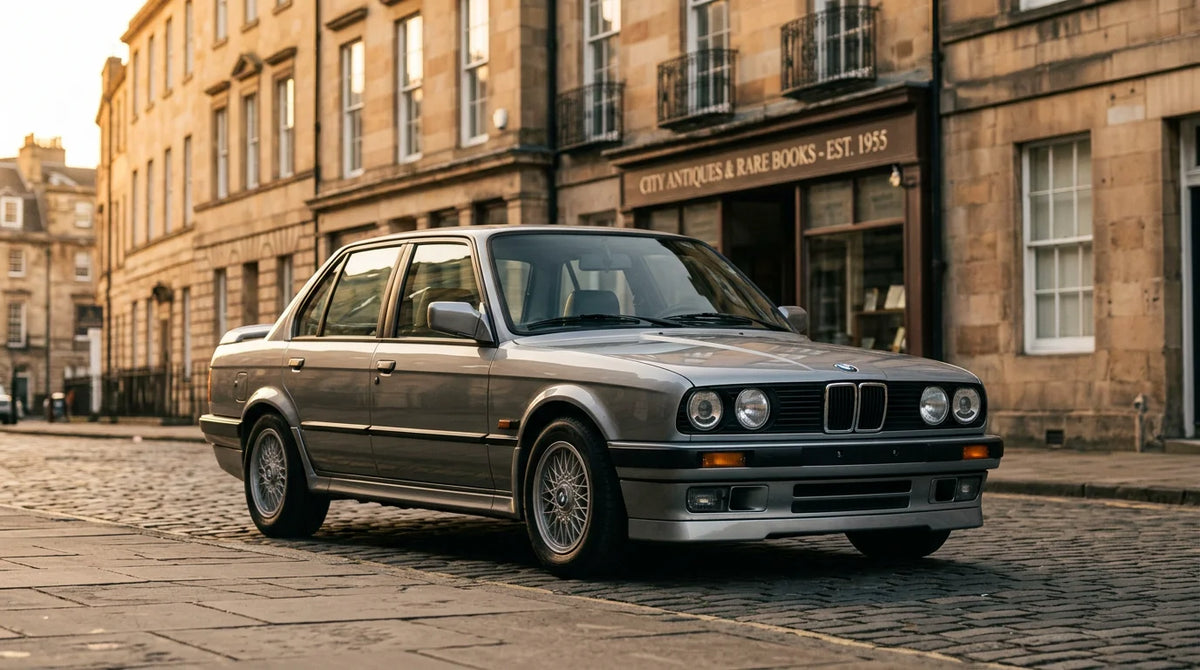
When you type a query for a 190e cosworth for sale, you are usually looking at one specific engineering collaboration. The base W201 was a compact executive saloon, but the Cosworth versions received a bespoke, high-revving cylinder head. As evo explains, the Northampton-based firm designed a new twin-cam 16-valve head and the supporting hardware to turn a modest four-cylinder into a competition engine.
The result is a car that feels special the moment it fires. Key hallmarks of a genuine 16-valve Cosworth include the dog-leg five-speed manual, uprated suspension, a limited-slip differential, sport seats, and additional instrumentation. These details separate the real thing from tribute builds wearing incorrect badges.
From Rally Ambition to DTM Icon

The story begins with a change of plan. Mercedes originally intended to go rallying, then pivoted to touring cars after Audi transformed the sport with the four-wheel-drive Quattro. As Carscoops recounts, three Cosworth prototypes set several world speed records at the Nardo oval in 1983, running non-stop over more than 50,000 kilometres.
The road car then debuted at the 1983 Frankfurt Motor Show, and the racing programme moved to the Deutsche Tourenwagen Meisterschaft. This DTM heritage is precisely what buyers pay for today. A 190E Cosworth is not merely quick for its era; it is a homologation special with a documented competition purpose, and that narrative underpins its collectibility.
Comparing the Cosworth Variants
Not every Cosworth is equal, and price gaps between variants are significant. The following comparison summarises the core W201 performance models a buyer will encounter on the market.
| Variant | Introduced | Engine | Notable trait |
|---|---|---|---|
| 190E 2.3-16 | 1983 to 1984 | 2.3L 16-valve | The original Cosworth-tuned saloon |
| 190E 2.5-16 | 1988 | 2.5L 16-valve | Larger engine, refined package |
| 2.5-16 Evolution I | 1989 | 2.5L 16-valve | Homologation special, limited run |
| 2.5-16 Evolution II | 1990 | 2.5L AMG PowerPack | Rarest, aggressive aero, top values |
The 2.3-16 remains the accessible entry point, while the Evolution models occupy a different financial tier entirely. If you are narrowing your shortlist, we invite you to explore the car collection catalog to understand where each variant sits relative to comparable classics.
What Values Look Like in 2026
Where does the money go? Condition, documentation, and originality drive every valuation. Hagerty reported that in 2019 both the 2.3-16 and Cosworth variants held a top-condition value of roughly $40,100, with a strong 27 percent jump in average sale prices across a twelve-month window.
Two forces have sustained that trajectory into 2026. First, generational demand: Hagerty noted that Millennials accounted for 42 percent of insurance quotes on the model, a signal of durable future interest. Second, rarity at the top: the Evolution II now trades in six-figure territory at major auctions, while clean, well-documented 2.3-16 cars remain the practical choice. As of 2026, provenance separates a fair deal from an overpriced one.
How to Verify a Genuine Example

Authenticity is the single greatest risk in this market. Because values have climbed, incorrect badges and misrepresented restorations do circulate. Verify the VIN against factory records, confirm matching-number drivetrains, and demand a continuous ownership and service history.
Pay particular attention to the Cosworth-specific hardware, the dog-leg gearbox, and originality of the interior instrumentation. Rust in the usual W201 areas and unavailable trim can quietly erode value. When authenticity checks feel overwhelming, we help you shop classic car marketplace options where provenance is a starting expectation rather than an afterthought.
Where to Find a Well-Sorted Example
Supply is genuinely thin, so patience is your best strategy. Auction platforms, specialist dealers, and European classifieds each surface different cars, and the strongest examples frequently change hands before they are widely advertised. Cross-referencing several channels protects you from paying a premium for an average car.
For international buyers, factoring in import logistics, taxes, and inspection costs is essential before committing. A car that appears inexpensive abroad may cost considerably more once landed and legalised in your market. Building relationships with trusted sellers shortens the path to the right example.
Final Considerations Before You Buy
The market for a Mercedes 190E Cosworth rewards disciplined buyers who value documentation over impulse. Focus first on variant clarity, then on provenance, then on condition, and treat price as the outcome of those checks rather than the starting point. The 2.3-16 offers the most accessible entry, while Evolution cars sit firmly in collector territory. Take your time, verify everything, and let the paperwork guide your decision as much as the drive.
Take action with TheArsenale
You want a genuine, well-documented example without sifting through misrepresented listings. That is exactly the friction we remove, connecting serious buyers with curated high-end mobility and collectible vehicles across Monaco, Dubai, Doha, and online.

Through our Private Membership, you may access vehicles before they are listed publicly, and our sale team usually replies in less than 30 minutes. To begin your search with curated confidence, browse our Mercedes 190E Cosworth listings and let us help you find the right car with the provenance it deserves.
Frequently Asked Questions
What is the difference between the 2.3-16 and 2.5-16?
The 2.3-16 arrived first, in the early 1980s, with a 2.3-litre Cosworth-developed 16-valve engine. The 2.5-16 followed in 1988 with a larger 2.5-litre unit and refinements. Both share the same motorsport DNA, though the later car offers slightly more power.
Why is the Evolution II so much more expensive?
The Evolution II was a homologation special built in a limited series of just over 500 units, with an AMG-developed engine and aggressive aerodynamics. That scarcity and direct DTM connection place it in a far higher price tier than the standard Cosworth saloons.
How do I confirm a car is a genuine Cosworth?
Verify the VIN against factory records, confirm matching-number drivetrains, and review a continuous service history. Inspect the Cosworth-specific cylinder head, the dog-leg gearbox, and original instrumentation. Independent expert inspection is strongly advised before any purchase.
Are these cars practical to own day to day?
The W201 platform is famously over-engineered and durable, so a well-maintained example can be reliable. However, specialist parts and correct trim can be costly and occasionally scarce. Treat it as a cherished classic rather than a daily commuter.
Where can I find curated examples for sale?
Reputable auctions, marque specialists, and European classifieds all list cars, though quality varies widely. For a more curated experience, our marketplace connects buyers with vetted collectible vehicles and, through Private Membership, early access before public listing.