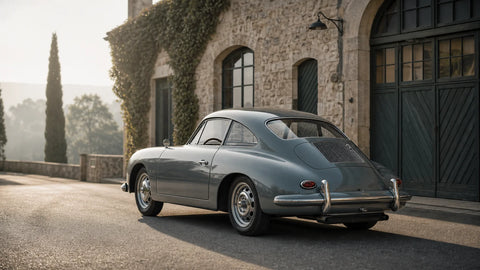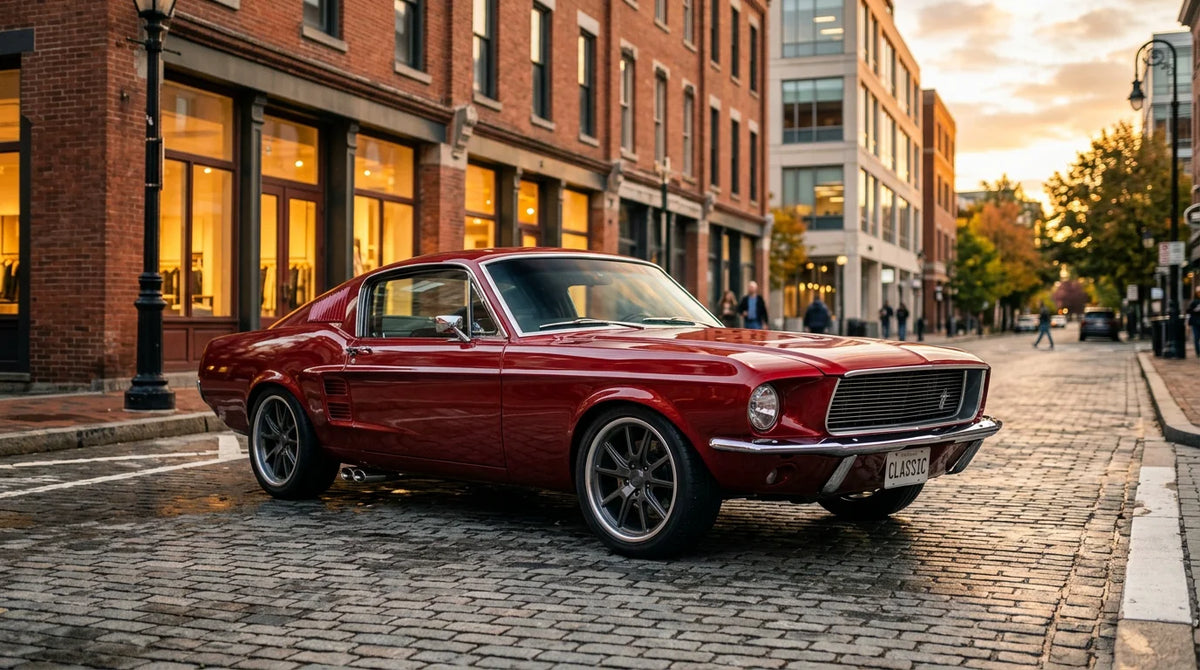
How to Buy a Restomod: A Complete Buyer's Guide for 2026
A restomod is not an ordinary car purchase, and the numbers explain why. The global market for reimagined classics has moved far beyond nostalgia, rewarding buyers who ask the right questions before signing. If you are weighing how to buy a modernized classic, the decision rests on engineering, provenance, and honest budgeting rather than a striking silhouette alone. For a structured overview of every stage, our restomod buying guide lays out the essentials.
Demand has matured into a serious specialty sector. According to Future Market Insights, the global classic car restoration and restomod services market is valued at 7.9 billion dollars in 2026. That scale means more builders, more inventory, and more variation in quality, so a disciplined process separates a great acquisition from an expensive lesson.
What a restomod actually is, and is not
A restomod is a portmanteau of restoration and modification. It preserves the silhouette and character of a classic while integrating modern engines, suspension, braking, and interior technology. This differs sharply from a concours restoration, which returns a vehicle to factory-original condition and treats period correctness as the highest value.
The distinction matters because two cars can look nearly identical yet drive completely differently. A faithful restoration reminds you of what a car was; a well-executed modernized classic demonstrates what it can become on contemporary roads. A restomod is also separate from a pro-touring build, which chases track performance, and from a hot rod, which prioritizes radical custom aesthetics over originality.
How to buy a restomod: the process step by step
Learning how to buy a restomod begins with sequencing your decisions correctly. Rushing to the most attractive listing is the most common mistake. Instead, work through a repeatable order that protects your money and your expectations.
- Define the use case. A weekend cruiser, a daily driver, and a show car demand different engineering choices.
- Vet the builder before you fall for the car, because the team behind the build decides the experience.
- Verify the identity. Confirm the original VIN, title, and documentation.
- Inspect the engineering. Commission an independent inspection of drivetrain, wiring, and integration.
- Budget the whole ownership, including insurance, storage, and maintenance.
When you value immediacy and verified quality over a multi-year wait, sourcing through a curated marketplace shortens the path considerably. Our luxury restomod pricing overview shows how curated machines are positioned against open-market listings.

The builder matters more than the badge
Ask experienced owners what determines a restomod's quality, and the answer is consistent: the builder decides the experience, not the original marque. The same vintage platform can become something exceptional or something frustrating depending entirely on the team behind it. When evaluating a builder, look past marketing and examine genuine in-house capability, craftsmanship across disciplines, and a track record of delivered vehicles rather than promises.
Seamless engineering is the goal. Modern engines, upgraded suspensions, and refined drivetrains should work together without drawing attention to themselves, with no harsh transitions and no intrusive noise. Technology integration is where lower-quality builds most often fall short, appearing as poor wiring, unreliable electrics, or aftermarket components that feel visibly grafted on.
What a restomod costs in 2026
Pricing spans an enormous range. A modest build may begin around 30,000 to 50,000 dollars, while high-end commissions routinely surpass 100,000 dollars and reach several hundred thousand for coachbuilt marques. Demand explains the momentum: according to Future Market Insights, restomod builds are expected to lead the specialty restoration market with a 39.5 percent service-type share in 2026.
The important discipline is to price the whole ownership experience, not the sticker. Change orders on custom builds, timeline extensions, post-delivery refinements, storage, and specialist insurance all shape the real number you will spend. For a deeper breakdown of these figures, review how much a restomod costs.
| Acquisition path | Typical wait | Personalization | Delivery certainty |
|---|---|---|---|
| Commission a custom build | 12 to 24 months or longer | Highest | Lower, timeline dependent |
| Buy available inventory | Immediate | Fixed to the build | High when the builder is vetted |
| Source through our curated marketplace | Immediate, with early access | Curated selection | High, curated and verified |
Electric restomods: the fastest-moving segment
The most dramatic shift in modification is the rise of electric conversions. Rather than simply removing a gasoline engine and adding batteries, the strongest electric restomods reengineer a classic into a modern, usable version of itself while preserving its coachwork and character. This niche remains debated among purists, yet collector interest continues to climb.
The momentum is measurable. Future Market Insights analysis ties EV-converted heritage vehicles to a market projected to reach 14.4 billion dollars by 2036. If you consider an electrified classic, scrutinize battery integration, thermal management, and whether the conversion respects the original weight balance and driving feel.

VIN, title, and protecting long-term value
One overlooked detail carries significant weight: the original VIN and title. Retaining them anchors the vehicle to its authentic identity, simplifies registration and insurance, and allows the car to be recognized as the original classic rather than a reconstructed asset. That continuity signals provenance, which broadens the pool of future buyers and supports resale value.
The wider market rewards this discipline, because demand for genuine classics is deep. According to the U.S. Census Bureau, roughly 890,000 classic cars are waiting to be restored, evidence of a large pool of authentic platforms behind tasteful, well-documented builds. Value holds best when quality components, reputable execution, and authentic identity all align.
Ownership does not end at delivery
What happens after the keys change hands matters as much as the build itself. A restomod blends classic and modern systems, so it benefits from routine maintenance alongside specialist attention to performance parts and preserved vintage components. Strong ownership support includes warranty coverage where available, access to knowledgeable service teams, and a network capable of maintaining the vehicle correctly.
Budget realistically for climate-controlled storage and for insurance that reflects the vehicle's build cost. A well-executed restomod, properly maintained, can offer reliability comparable to or better than its original counterpart for many years.
Bringing your restomod purchase together
Knowing how to buy a modernized classic comes down to a disciplined sequence: interrogate the builder's track record, confirm seamless engineering, verify the original VIN and title, and budget for the full life of ownership rather than the headline figure. When those elements align, the decision feels effortless, and you never second-guess the car every time you step behind the wheel. Patience and verification are the two habits that consistently reward restomod buyers.
Take action with TheArsenale
Once you understand what separates an exceptional restomod from a compromised one, the next challenge is access to machines that already meet that standard without a multi-year wait. That is precisely where we help you move from research to ownership.

As a luxury mobility marketplace, we curate reimagined classics and modernized icons, and our Private Membership grants access to select vehicles before they are listed publicly. Explore our Machine Revival restomods to discover curated, verified builds, and reach our team directly, as we usually reply in under thirty minutes.
Frequently Asked Questions
What is the difference between a restomod and a restoration?
A restoration returns a vehicle to its original factory condition and values period correctness above all. A restomod preserves the classic appearance while integrating modern engine, suspension, braking, and comfort systems. The result looks vintage but drives with contemporary reliability.
How much should I expect to pay for a quality restomod?
Prices typically start around 30,000 to 50,000 dollars for modest builds and often exceed 100,000 dollars for high-end commissions. Coachbuilt reimaginings of iconic marques can reach several hundred thousand dollars. Always budget for storage, insurance, and long-term maintenance beyond the purchase price.
Can a restomod be used as a daily driver?
Yes, and that is a core appeal of the concept. Modern brakes, suspension, air conditioning, and drivetrains make a well-built restomod suitable for regular use, unlike many strictly original classics. The quality of engineering determines how confidently it handles daily conditions.
Do restomods hold their value?
Tastefully executed restomods from reputable builders, using high-quality components, tend to retain value well. Retaining the original VIN and title supports authenticity and resale appeal. Market demand, build quality, and the reputation of the shop all influence long-term value.
Is it better to commission a build or buy an available restomod?
Custom builds offer full personalization but require patience, as timelines often run 12 to 24 months or longer. Buying vetted inventory offers immediacy and certainty of quality. Our curated Machine Revival selection is designed for buyers who prefer verified quality without the wait.