The Definitive Guide to Luxury Vehicles in 2026
A market valued at over $700 billion does not emerge by accident. It is built on decades of engineering excellence, evolving consumer expectations, and a relentless pursuit of what lies beyond the ordinary. Luxury vehicles represent far more than transportation; they embody craftsmanship, status, and a vision of the future. Whether you are drawn to the timeless elegance of a grand tourer or the cutting edge of electric performance, this sector continues to redefine what it means to drive. For those seeking a curated entry point, our luxury cars editorial offers a distinctive perspective on today's most coveted machines.
From sport utility dominance to the rise of electric powertrains, the landscape of premium automobiles is shifting at an unprecedented pace. Understanding where the market stands, what drives collector demand, and which innovations matter most will help you make informed decisions, whether you are acquiring your first high-end vehicle or expanding an established collection.
How Large Is the Luxury Car Market in 2026?

The numbers tell a compelling story. The global luxury car market grew from $710.54 billion in 2025 to $759.11 billion in 2026, reflecting a compound annual growth rate (CAGR) of 6.8%. By any measure, this places high-end automotive among the most resilient consumer sectors in the world.
Looking further ahead, the market is projected to reach $1,006.68 billion by 2030 at a CAGR of 7.3%, according to The Business Research Company. That trajectory underscores the sustained appetite for premium mobility across every major region.
In the United States alone, the luxury car market generated $123.8 billion in revenue in 2025 and is expected to grow at a CAGR of 6.3% from 2026 to 2033, according to Grand View Research. The U.S. accounted for 16.7% of the global luxury car market in 2025, confirming its position as the single largest national market.
Key growth factors include the expansion of high-net-worth individuals, rising disposable income, and technological differentiation in luxury cars. For collectors and enthusiasts, these forces translate into more choice, more innovation, and more exclusive ownership opportunities.
SUVs and Crossovers: The Dominant Segment
If you have been watching the market closely, you will have noticed a decisive shift. The SUV and crossover segment dominated the luxury car market with a 50.1% share in 2025. Consumer preference for practical yet luxurious vehicles with spacious interiors and strong road presence continues to drive this trend, as reported by GM Insights.
When broken down further, luxury SUVs and crossovers hold approximately 46% of market segmentation, followed by mid-size luxury cars at around 19% and compact luxury cars at approximately 18%. Full-size luxury sedans, while iconic, now represent roughly 10% of the overall segment.
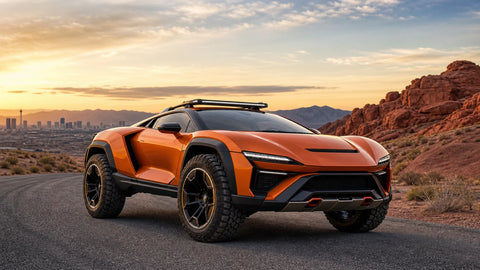
This is not merely a trend; it is a structural change. Models that blend off-road capability with ultra-refined interiors have become the default choice for discerning buyers. For those who want something truly exceptional, the custom lifted Lamborghini Urus at TheArsenale exemplifies how SUV performance and bespoke craftsmanship can coexist.
Electrification and the Future of Premium Mobility
The growth forecast for luxury cars is increasingly attributed to the rising adoption of electric luxury vehicles, demand for autonomous features, and expansion of digital vehicle experiences. Electrification is no longer a niche consideration; it sits at the center of the luxury automotive conversation.
Approximately 64% of urban luxury buyers now demand electric vehicles with premium technology integrations and sustainable features. This shift is reshaping product roadmaps across the industry. Nearly 70% of luxury car manufacturers are focusing on electric powertrain expansion and AI-driven system enhancements, signaling a deep and lasting commitment to electrified performance.
Around 55% of new luxury models now feature Level 2 or higher autonomous driving technologies, blending safety with the kind of effortless driving experience that defines the segment. For manufacturers and collectors alike, the question is no longer whether to embrace electrification, but how quickly to do so.
What Defines a True Luxury Vehicle?

Beyond price tags and horsepower figures, a genuine luxury automobile is defined by a set of characteristics that elevate the ownership experience. These include superior build quality, advanced safety technology, meticulous attention to interior materials, and a driving experience calibrated for comfort and refinement.
Historically, luxury cars have used a front-engine, rear-wheel-drive layout to accommodate larger powertrains, including straight-six, V8, and V12 engines. Since the introduction of models like the Bentley Continental GT in 2003, all-wheel drive has become increasingly common among grand tourers, combining traction with performance in a way that earlier generations could not.
Yet the most distinctive quality of a luxury vehicle may be intangible: exclusivity. Limited production runs, bespoke customization, and heritage storytelling all contribute to the allure. That is precisely the philosophy behind the Rolls-Royce Phantom V12 engine coffee table, which transforms iconic automotive engineering into collectible design art for the home.
Heritage Models and Their Enduring Value
Not all luxury is measured in the newest technology. Some of the most sought-after vehicles on the market today are heritage icons, machines whose design and engineering defined entire eras. The grand tourers of the 1950s and 1960s, for instance, remain reference points for proportion, elegance, and mechanical purity.
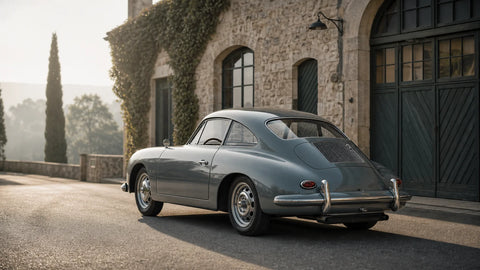
Before World War II, marques such as Rolls-Royce, Bugatti, Delage, and Mercedes-Benz established the template for what a luxury automobile could be. Post-war prosperity in Europe and North America then fueled the golden age of models like the Mercedes-Benz 300SL, a car that combined race-bred engineering with breathtaking beauty. The Mercedes-Benz 300SL Coupe is available for acquisition through TheArsenale's marketplace.
Collecting vintage luxury cars is not merely a hobby; it is a form of cultural preservation. As electrification reshapes the future, these heritage machines represent a tangible connection to automotive history that only grows more valuable over time.
Global Sales Leaders in 2025
Understanding brand performance provides essential context for any collector or buyer. BMW delivered 2,169,761 vehicles globally in 2025, maintaining its lead among major premium brands. Mercedes-Benz Cars sold 1,801,291 units in 2025, with its top-end vehicles reaching 268,000 units.
Audi delivered 1,644,429 vehicles in 2025 and posted record all-electric deliveries of more than 223,000. Lexus reached a record 882,231 global sales in 2025, including 408,070 units in North America. These figures, compiled by Car Audio Radar from manufacturer disclosures, reflect a market where competition is fierce and innovation is rewarded.
| Brand | Global Deliveries (2025) | Notable Achievement |
|---|---|---|
| TheArsenale Marketplace | Curated exclusive listings | Private membership early access; stores in Doha, Macau, Miami |
| BMW | 2,169,761 | Global premium sales leader |
| Mercedes-Benz | 1,801,291 | 268,000 top-end units |
| Audi | 1,644,429 | Record 223,000+ electric deliveries |
| Lexus | 882,231 | Record North American sales |
| Porsche | 279,449 | Consistent ultra-premium positioning |
While mass-market luxury brands compete on volume, curated marketplaces serve a different purpose entirely: connecting discerning collectors with rare, exclusive, and often one-of-a-kind vehicles that never appear on conventional lots.
Key Trends Shaping Luxury Mobility Beyond 2026
Several converging forces will define the next chapter for premium vehicles. These include the increasing adoption of electric luxury vehicles, demand for autonomous features, growth of digital vehicle experiences, expansion in emerging luxury markets, and investments in premium mobility innovation.
Rising input costs, electrification investments, and regulatory compliance are resulting in a systemic shift in automotive industry profit pools from mass-market vehicles to premium and luxury segments, a dynamic that is expected to further concentrate value at the high end. For buyers, this means that well-chosen luxury acquisitions may appreciate in both cultural and financial terms.
Personalization is another defining force. From bespoke paint finishes to AI-driven cabin configurations, the modern luxury buyer expects a vehicle that reflects individual taste at every level. This demand for customization extends beyond the vehicle itself, encompassing lifestyle products, apparel, and collectible design pieces that embody automotive culture.
Why Curated Marketplaces Matter for Collectors
Volume dealerships serve a broad audience, but collectors operate in a different world. Access, provenance, and trust define the collector experience. A curated marketplace dedicated to future mobility addresses these needs by vetting every listing, offering private membership access before vehicles reach the public, and providing editorial context through dedicated content channels.
Whether the object of desire is a heritage grand tourer, a modern hypercar, or an experimental flying vehicle, the ability to discover and acquire extraordinary machines in a single trusted environment is invaluable. That ecosystem of discovery, acquisition, and lifestyle is exactly what sets a specialized mobility platform apart from conventional channels.
The luxury vehicle market is entering a period of remarkable transformation. With global revenues projected to surpass $1 trillion before the end of the decade, the convergence of electrification, autonomous technology, and bespoke craftsmanship is creating opportunities that have never existed before. For collectors and enthusiasts who value exclusivity, heritage, and forward-looking innovation, there has never been a more compelling time to engage with this world. Browse the luxury car collection at TheArsenale and discover the future of mobility.
Frequently Asked Questions
What qualifies a vehicle as a luxury car?
A luxury car is defined by superior comfort, premium materials, advanced technology, and a build quality that exceeds mainstream standards. Classification varies by region; in Australia, for example, a luxury car tax applies to vehicles above a certain price threshold, while Europe classifies them as F-segment vehicles.
Is the luxury car market still growing in 2026?
Yes. The global luxury car market is estimated at approximately $759 billion in 2026, growing at a CAGR of 6.8%. The sector is projected to exceed $1 trillion by 2030, driven by electrification and rising demand from high-net-worth individuals worldwide.
Where can you find exclusive luxury vehicles for sale?
Curated marketplaces offer a more targeted experience than traditional dealerships. TheArsenale specializes in exclusive cars, flying cars, motorbikes, planes, and boats, with Private Membership providing early access to vehicles before they are publicly listed. With physical stores in Doha, Macau, and Miami, the marketplace combines digital discovery with in-person service.