1965 Ferrari 275 GTB for Sale: Collector Buying Guide
What makes a 1965 Ferrari 275 GTB so compelling is the balance between competition inspired engineering and usable grand touring character. If you are searching for a 1965 Ferrari 275 GTB for sale, our selection of rare Ferrari collector cars for sale provides a natural starting point for exploring exceptional machines and potential sourcing opportunities.
The model is also a study in specification. A short nose body, original mechanical components, Ferrari certification, and a complete ownership file can materially influence desirability. The right purchase is therefore not simply the most attractive car in photographs, but the example whose history, structure, and mechanical identity withstand detailed examination.
Why the 1965 Ferrari 275 GTB remains highly collectible
The 275 GTB introduced several important developments to Ferrari road cars. Its front mounted V12 was paired with a rear transaxle, which helped improve weight distribution. Independent suspension at all four wheels also gave the berlinetta a more advanced chassis than many contemporary grand tourers.
Power came from a 3.3 liter Colombo designed V12, with standard cars using a triple carburetor arrangement. Six carburetors were available on selected cars, creating an important distinction for collectors. A contemporary technical overview describes the model's 3,286 cc engine, rear five speed transaxle, independent suspension, and approximately 280 horsepower output through a technical overview.
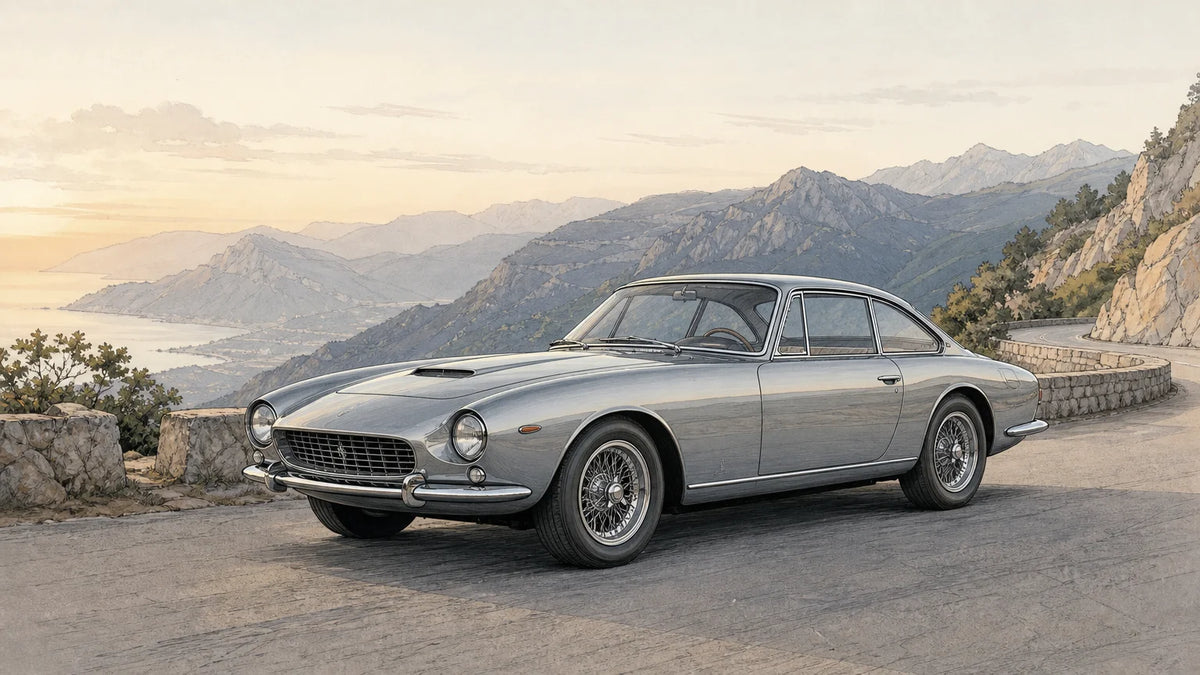
Styling is equally important. Early examples use the cleaner short nose design, while later cars received a longer front section intended to improve high speed aerodynamic stability. Many collectors prefer the earlier proportions, although the correct choice depends on whether your priorities are visual purity, originality, touring use, or concours presentation.
The 275 GTB also occupies a useful position between a road car and a competition inspired machine. Its engineering reflects Ferrari's racing background, yet the cabin, luggage capacity, and long distance character make it suitable for rallies, historic tours, and carefully planned road use.

What does a 1965 Ferrari 275 GTB cost in 2026?
Pricing depends on a narrow combination of specification, originality, condition, history, and presentation. A market snapshot accessed on September 16, 2026 showed one Ferrari 275 GTB listing and a benchmark of $2,639,867 for the broader 1964 to 1966 275 GTB market. That benchmark is useful for orientation, but it is not a guaranteed value for every 1965 car. Review the 2026 market snapshot alongside chassis specific evidence.
A benchmark should never replace a specialist appraisal. A restored short nose car with matching numbers, certification, correct colors, and strong documentation may command a different figure from a modified example with incomplete records. Similarly, an alloy bodied car, a six carburetor example, or a car with credible competition history can occupy a different market segment.
Current asking prices can also be difficult to compare. One listing published on July 18, 2026 was marked price on application, demonstrating that sellers may withhold a public figure when the car is being marketed to qualified collectors. This approach is common when final negotiations depend on inspection, buyer credentials, export requirements, or the completeness of the documentation file.
For this reason, you should separate four figures during your evaluation:
- Market benchmark, which provides a broad reference for the model.
- Asking price, which reflects the seller's position rather than a completed transaction.
- Transaction price, which reflects what a buyer actually paid.
- Total acquisition cost, including inspection, transport, taxes, registration, insurance, and specialist work.
The final figure should be tested against comparable cars with similar body configuration, mechanical identity, restoration quality, and documentation. A lower purchase price can become expensive if the car needs structural repairs, engine work, or corrective restoration after delivery.
Which specification should you prioritize?
Start with the body configuration. The short nose design is visually distinctive and comparatively scarce, but scarcity alone does not make every example a sound acquisition. Confirm the chassis number, production date, body details, and factory specification through a recognized marque specialist.
Next, examine the body material. Steel bodied cars are more common than alloy bodied examples, while alloy construction can significantly affect rarity and value. The presence of an alloy body should be supported by factory records, expert examination, and consistent evidence throughout the restoration file.
The induction system also deserves attention. A standard triple carburetor setup can be correct for the car, while a six carburetor arrangement may be desirable when factory fitted and documented. An upgrade performed later is not equivalent to an original specification, even if the visual and mechanical result is attractive.
Pay close attention to the following points:
- Chassis, engine, gearbox, and differential numbers.
- Short nose or long nose body configuration.
- Steel or alloy construction.
- Original carburetor specification and intake components.
- Factory color combination and interior materials.
- Ferrari Classiche certification and Red Book documentation.
- Restoration invoices, photographs, and specialist reports.
- Tool roll, manuals, spare wheels, and period accessories.
Our guide on how to choose a rare Ferrari can help you organize these questions before contacting a seller. The goal is not to select the most expensive specification, but to identify the example that best matches your intended use and tolerance for future work.
How should you verify provenance and condition?
Provenance is more than a list of previous owners. A strong file should connect the car to credible factory records, registration documents, specialist reports, restoration photographs, service invoices, and period competition or event records when applicable.
A 2026 listing for a 1965 275 GTB illustrates the level of detail buyers may encounter. The car was described with a chassis number, manual transmission, left hand drive configuration, a known location, Ferrari Classiche certification, and a restoration history. It was also presented with a history file and accompanying equipment. You can review a current listing to understand how modern advertisements may present this information, while remembering that every car still requires independent verification.
Certification is valuable because it can support the identity and originality of important components. It does not remove the need for a physical inspection. The inspection should include the chassis, suspension mounting points, inner wings, floors, door gaps, corrosion prone areas, and evidence of previous accident repairs.
The mechanical review should be equally thorough. A qualified specialist should assess cold starting, oil pressure, compression, cooling performance, carburetor operation, gearbox engagement, differential noise, braking behavior, steering play, and suspension response. The rear transaxle is central to the model's character, so its condition and service history deserve particular attention.
Restoration quality should be judged by process rather than polish. Ask whether the body was stripped to bare metal, whether panels were repaired or replaced, whether the engine was rebuilt, and whether the work is supported by dated photographs. A glossy finish can conceal poor alignment, corrosion, incorrect fasteners, or components that were replaced without proper documentation.
Finally, compare the physical car with its records. The engine number, interior details, body configuration, wheels, color, and equipment should form a coherent story. Inconsistencies do not automatically disqualify a car, but they should be explained before negotiations advance.

What should international buyers budget beyond the purchase price?
A 1965 Ferrari 275 GTB may change countries several times during its life, so an international purchase requires more than arranging transport. You should establish where the car is located, which documents accompany it, whether it has clear title, and whether the vehicle can legally be imported and registered in your destination country.
Potential costs include pre purchase inspection, enclosed transport, marine insurance, customs brokerage, import duties, value added tax, local sales tax, registration, storage, and insurance. These costs vary by route and jurisdiction. They should be confirmed with qualified customs, transport, and registration professionals before you make a binding offer.
Currency risk can also affect the final budget. A car priced in euros, pounds, or Swiss francs may become materially more expensive if exchange rates change before settlement. Confirm the payment currency, deposit terms, settlement timetable, and responsibility for bank charges in writing.
Our marketplace is designed for collectors who need help discovering or sourcing unusual machines. We work with a network of more than 250 builders, designers, suppliers, and brands, and our sales team provides support for high value acquisitions. Machine pricing is handled through direct consultation, so the practical route is to discuss the specific car, location, documentation, and acquisition requirements with our team.
For broader context on Ferrari's competition lineage, you can also explore our feature on the 1962 Ferrari 330 LM and 250 GTO. The comparison is useful when you are considering whether a road going grand tourer, a competition derived car, or a broader Ferrari collection best matches your objectives.
Is a 1965 Ferrari 275 GTB right for your collection?
The answer depends on how you intend to use the car. A concours focused collector may prioritize originality, factory specification, certification, and presentation. A touring enthusiast may accept sympathetic upgrades if they improve reliability without compromising the car's identity.
The 275 GTB can suit owners who value mechanical involvement and period character. It does not offer the quiet convenience, electronic assistance, or predictable maintenance of a modern grand tourer. Driving one requires preparation, mechanical sympathy, and access to specialists familiar with vintage Ferrari systems.
It is also important to define your preservation philosophy. Some owners prefer a highly restored car that can be shown immediately. Others value an authentic, usable example with honest patina and a clear history of careful maintenance. Neither approach is automatically superior, but the price difference should reflect the car's actual condition and future needs.
Before committing, write down your priorities in order. Decide whether you value short nose styling, originality, alloy construction, documented competition use, touring readiness, or long term collection significance. This prevents an attractive color or impressive restoration from distracting you from the fundamentals.
If you are still comparing acquisition routes, our selection of classic cars for sale offers broader context for evaluating rare vehicles by design, history, engineering, and collector appeal.
Making a confident 275 GTB purchase
The strongest 1965 Ferrari 275 GTB acquisitions are built on evidence. Review the body configuration, mechanical numbers, certification, restoration process, ownership history, inspection results, and complete cost of ownership as one connected picture. In 2026, limited availability makes patience especially important, because the most suitable car may not be the first one offered. A disciplined evaluation protects both the driving experience and the long term integrity of your collection.
Explore a Ferrari 275 GTB acquisition
When a suitable car is difficult to find, the challenge is often access rather than enthusiasm. A specialist sourcing conversation can help clarify your preferred specification, location, documentation requirements, and intended use before you review a potential acquisition.

Our luxury mobility marketplace supports collectors seeking rare machines through international discovery, direct sales assistance, and high value acquisition guidance. We serve a worldwide client base and connect collectors with a curated network of more than 250 builders, designers, suppliers, and brands. To discuss availability or sourcing requirements, explore the Ferrari 275 GTB marketplace.
Frequently Asked Questions
Is every 1965 Ferrari 275 GTB a short nose car?
No. The model evolved during production, and buyers may encounter both short nose and longer nose configurations. You should confirm the body style against the chassis records and specialist inspection.
What documents should I request before buying?
Request factory records, certification documents, ownership history, registration papers, restoration invoices, service records, photographs, and specialist reports. The file should support the car's identity and explain any changes to its specification.
Is Ferrari Classiche certification enough?
Certification is an important reference for originality and identity, but it is not a substitute for a current mechanical and structural inspection. You should still verify condition, safety, servicing, and the quality of any later restoration work.
Can a 1965 Ferrari 275 GTB be used for touring?
Yes, many examples are suitable for careful touring when properly maintained and prepared. The car remains a vintage performance machine, so reliability planning, specialist servicing, suitable insurance, and mechanical sympathy are essential.
Can TheArsenale help source a rare Ferrari?
Yes. Our sales team supports high value acquisitions, and our marketplace connects collectors with a network of more than 250 builders, designers, suppliers, and brands. Specific availability, pricing, delivery, and registration requirements are discussed directly for each machine.