Rare Machines for Sale: A Collector’s Buying Guide
Collectors looking for extraordinary mobility objects need more than a long list of products. You need a clear reason to trust the machine, its history, and the acquisition process. Our selection of rare flying cars for sale illustrates this principle, since aviation-related machines require especially careful checks before any commitment.
The phrase rare machines for sale can describe a hypercar, custom motorcycle, aircraft, boat, bicycle, submarine, or experimental mobility object. Each category has different ownership requirements. The most reliable approach combines aesthetic judgment with documented evidence, practical planning, and direct communication with the seller or curator.
What makes a machine genuinely rare?
Rarity is not simply a high price or an unusual appearance. A machine becomes genuinely scarce when its production volume, design language, builder history, technical specification, or cultural significance sets it apart from ordinary products. A one-off coachbuilt car, a limited electric motorcycle, and a prototype aircraft may all qualify, but for different reasons.
Begin by identifying the source of the machine’s scarcity. It may come from a restricted production run, a discontinued platform, a bespoke commission, a recognised builder, or an innovative engineering concept. Ask whether the machine was made for road use, exhibition, private land, water, or flight. Intended use determines much of its practical value.
It is also useful to separate visual rarity from functional rarity. A dramatic design may attract attention while remaining difficult to register, service, insure, or operate. Conversely, a technically advanced machine may look restrained but have strong provenance and limited availability. The strongest acquisitions usually connect unusual design with credible documentation and a realistic ownership plan.
Which machine categories require different checks?
A collector comparing land, sea, and air machines should not apply one universal checklist. Cars often raise questions about title, registration, importation, road legality, and service history. Boats require attention to hull condition, propulsion, classification, marina access, and transport. Aircraft add airworthiness, pilot requirements, maintenance records, and operating permissions.
Market availability can also vary sharply by category. In its Q2 2026 report, the AMSTAT Q2 report stated that 4.8% of the preowned business aircraft fleet was for sale, the lowest level since February 2025. That figure covers business aircraft rather than every flying machine, but it shows why a serious aviation search may require patience and specialist sourcing.
Our marketplace covers multiple mobility environments, including cars, motorcycles, flying vehicles, boats, bicycles, and personal submarines. If your interest is focused on two wheels, our editorial guidance on rare collector bikes can help you frame questions around specification, builder identity, and intended use.
- Cars and hypercars: verify title, registration, import route, mileage, restoration work, and parts support.
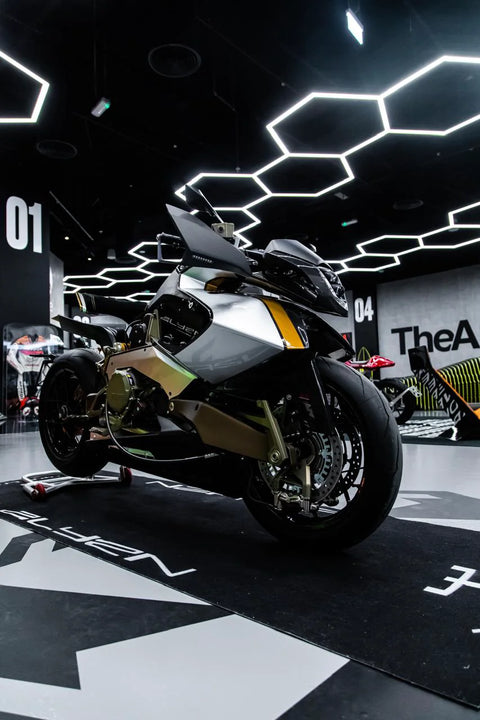
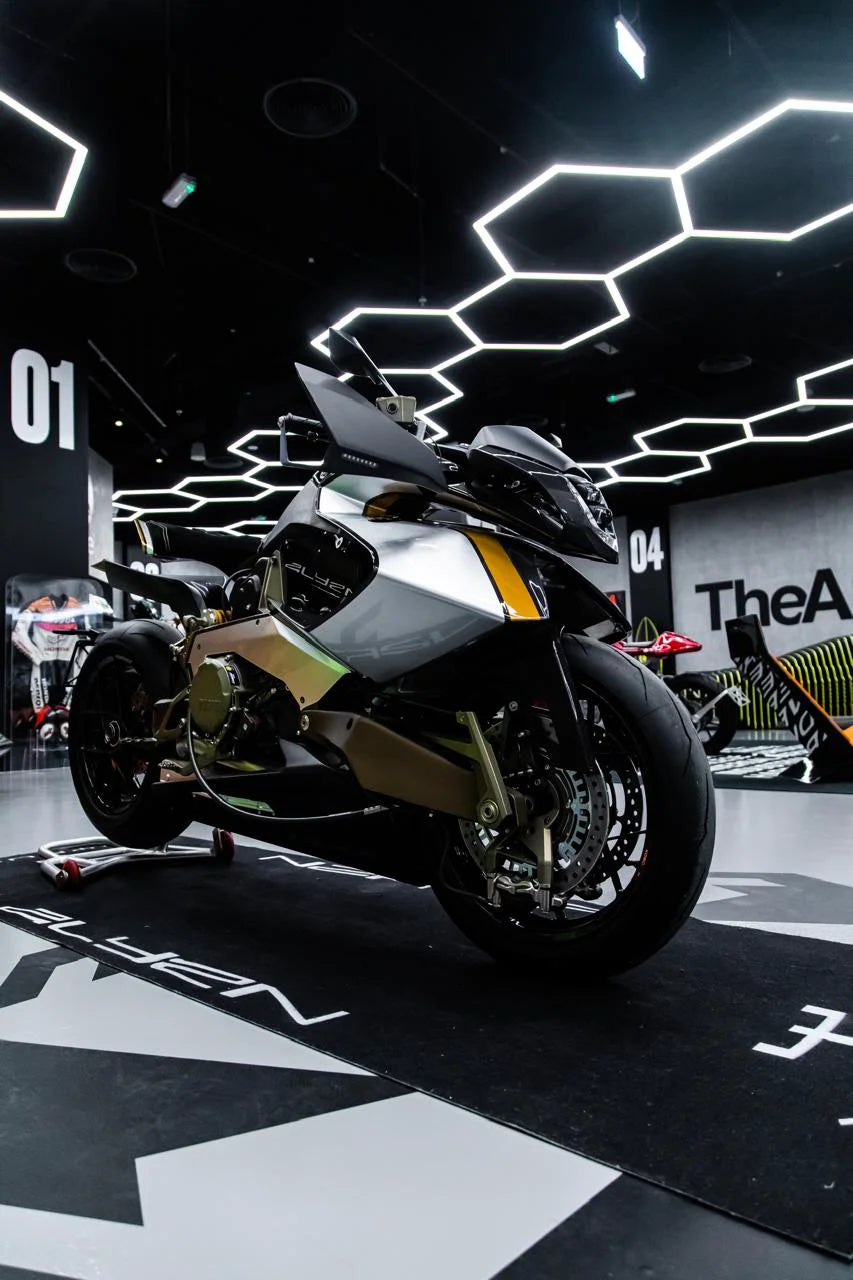
- Motorcycles: confirm road legality, frame and engine numbers, battery condition, custom work, and replacement components.
- Boats: examine hull materials, propulsion, classification, storage, launch requirements, and maintenance access.
- Aircraft: review airworthiness records, maintenance status, operating limitations, pilot qualifications, and local rules.
- Concept and show machines: establish whether the object is functional, display-only, road-registrable, or intended for private property.
How can you verify condition, provenance, and authenticity?
Before discussing price, request a complete evidence package. This should include serial numbers, ownership history, invoices, restoration records, technical specifications, photographs, inspection reports, and any registration or certification documents that apply to the machine.
Provenance is especially important when a machine has a famous builder, unusual conversion, limited production history, or claimed association with a notable event. The story should be supported by documents rather than relying only on a persuasive description. Confirm that the identity of the machine matches its records and that modifications are clearly disclosed.
Technical claims also deserve precise scrutiny. The NSF 2026 report explains that some innovation indicators rely on company self-reporting and earlier data periods. In practical terms, a description such as “advanced,” “autonomous,” or “next generation” should be tested against specific components, operating evidence, and independent documentation.

A physical inspection remains valuable even when the listing appears comprehensive. Look for corrosion, fluid leaks, uneven wear, structural repairs, non-original components, damaged electrical systems, and signs of storage in unsuitable conditions. For high-value machines, consider an inspection by a qualified specialist who understands the relevant category.
Our guide on how to choose a rare vehicle can help you turn broad enthusiasm into a more disciplined evaluation. The aim is not to remove emotion from collecting. It is to ensure that excitement is supported by evidence.
How do design, engineering, and performance affect value?
Rare machines are often purchased because they offer an experience that conventional products cannot provide. Design may create emotional appeal, while engineering determines whether the object delivers a meaningful technical difference. Performance matters, but it should be considered alongside reliability, serviceability, usability, and long-term support.
Evaluate the machine through four connected questions. What problem does its engineering solve? What makes its design distinctive? Can the technology be maintained? Does the performance match your intended use? A lightweight electric motorcycle, for example, may be compelling because of its architecture and handling rather than outright speed.
Limited production alone does not guarantee lasting desirability. Collectors should also consider the builder’s reputation, the quality of the execution, the availability of parts, and whether the machine has a clear place in mobility history. A well-documented object with modest performance may remain more desirable than an impressive but poorly supported experiment.
We curate machines from a network of more than 250 builders, designers, brands, and suppliers. Since 2017, our business has completed more than 11,000 transactions and served more than 9,000 clients worldwide. These figures indicate operating experience, but they do not replace a specific inspection or a review of the machine’s documentation.
What should international collectors budget beyond the price?
The purchase price is only one part of the ownership calculation. International buyers may also face transport, customs, taxes, storage, insurance, registration, certification, specialist maintenance, and local compliance costs. The exact requirements depend on the machine, its origin, its destination, and its intended use.
Ask for a written outline of the acquisition route before you pay a deposit. It should clarify where the machine is located, whether it is ready to ship, which party manages transport, what documents are supplied, and which responsibilities remain with you. For aircraft and boats, ask about storage and operating arrangements before delivery.
Lead time is another important distinction. A completed machine may be available quickly, while a made-to-order or coachbuilt object can require weeks or months. Production schedules may change when a machine depends on specialist components, custom fabrication, or approval procedures.
A 2026 industrial surplus report from the 2026 surplus report describes a segmented market in which flexible, high-specification assets can command stronger interest, while legacy single-purpose equipment may lose value as requirements change. The same logic applies to rare mobility objects. Adaptability, service access, and usable technology can influence ownership value as much as appearance.
Where should you search for rare mobility listings?
Search by category first, then narrow the results using practical criteria. Specify the type of machine, intended use, acceptable condition, preferred location, budget range, and desired delivery timeline. This approach helps a curator or sales specialist understand your requirements rather than presenting an unfocused list.
A marketplace is most useful when it combines discovery with human assistance. Online listings can introduce you to unusual builders and machines, while direct consultation can clarify availability, specifications, sourcing options, and acquisition steps. Our network spans land, sea, and air mobility, giving collectors a broader starting point than a conventional vehicle search.
Private access can also matter when a machine is unlikely to remain available for long. Our Private Membership provides access to vehicles before they are publicly listed. Pricing, eligibility, and other membership terms should be confirmed directly before joining.
When evaluating rare mobility listings, be alert to vague descriptions, missing serial numbers, pressure to transfer funds quickly, inconsistent photographs, and unclear ownership. Our editorial guidance on rare mobility listings explains warning signs that deserve closer attention before you proceed.

What questions should you ask before committing?
Use a written question set for every serious candidate. The goal is to make different machines easier to compare and to expose missing information before negotiations become emotionally difficult.
- What makes this machine rare, and how is that claim documented?
- Who built it, who owned it, and what changes have been made?
- Is it functional, road-registrable, seaworthy, airworthy, or display-only?
- What inspection, service, restoration, or certification records are available?
- What is included in the price, and which costs remain separate?
- Where is the machine located, and what is the realistic delivery timeline?
- Can the machine be inspected in person or reviewed by an independent specialist?
- What support exists for parts, maintenance, registration, storage, and future service?
Clear answers do not eliminate every risk, but they make the decision more deliberate. They also help you identify whether you are buying a usable machine, a collectible object, a design statement, or a project requiring substantial work.
Make rarity work for your collection
The right rare machine is not simply the most dramatic object available. It is the machine whose scarcity, provenance, design, engineering, condition, and ownership path align with your purpose. Review the documents, inspect the details, understand the international requirements, and treat every unanswered question as part of the decision. A disciplined process allows you to preserve the excitement of collecting while reducing avoidable surprises.
Explore a Curated Rare Machines Marketplace
If you are looking for an unusual mobility object, a focused brief can save time and reveal possibilities that ordinary searches miss. Share your preferred category, intended use, location, and level of rarity with our team.

Our rare machines marketplace brings together curated cars, motorcycles, flying vehicles, boats, bicycles, personal submarines, and other future-oriented machines. We also provide personal assistance for sourcing and high-value acquisitions, helping you move from discovery to a more informed conversation.
Frequently Asked Questions
What types of rare machines can collectors find?
Rare machines can include hypercars, custom motorcycles, aircraft, boats, bicycles, personal submarines, concept vehicles, and limited-production mobility objects. Availability depends on the builder, condition, location, and current listing status.
How can I tell whether a rare machine is authentic?
Request serial numbers, ownership records, invoices, technical documents, inspection reports, and photographs that match the machine. For valuable or unusual objects, an independent specialist review can provide additional confidence.
Are rare machines usually ready to use?
No. Some are complete and operational, while others are made to order, display-only, intended for private land, or subject to registration and certification requirements. Confirm the machine’s intended use before discussing delivery.
Can I find a machine that is not publicly listed?
Sometimes. Private networks, sourcing specialists, and membership programs may provide access before a vehicle reaches a public listing. Our Private Membership is designed to provide early access, with terms confirmed directly with our team.
What should international buyers ask about delivery?
Ask where the machine is located, which documents are included, who manages transport, and whether customs, registration, insurance, storage, or certification are your responsibility. These requirements vary significantly by machine category and destination.