The 2 Person Submersible: Your 2026 Ownership Guide

The dream of exploring the ocean floor from within a transparent sphere is no longer reserved for research institutions. A two-person submersible now offers private owners a genuine window into the deep, and demand is climbing quickly. For anyone weighing this acquisition, understanding the market and the machinery first is essential, and our guide to the best place to buy a personal submersible is a useful companion.
Ownership has shifted from experimental curiosity to a defined luxury category. According to Market Research Intellect, the personal submarines market was valued at 168 million US dollars in 2025, with growth projected toward 522 million by 2035. That trajectory reflects rising interest in underwater tourism, improved propulsion, and broader access for private buyers.
What defines a two-seat submersible
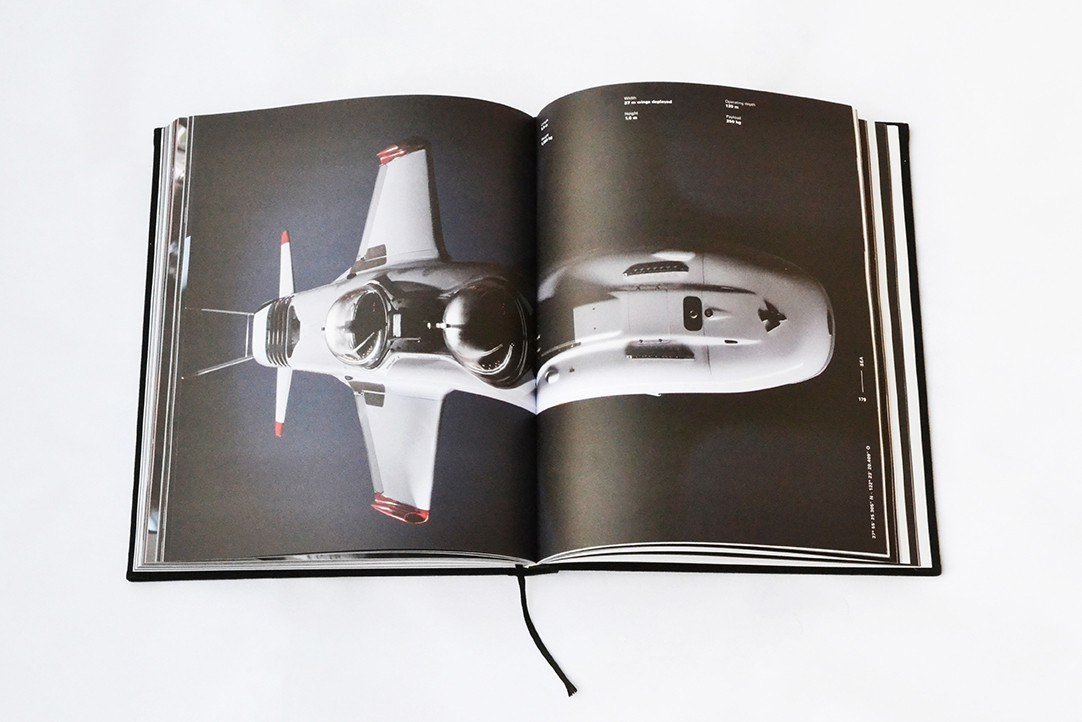
At its simplest, a 2 person submersible is a crewed underwater craft built for one pilot and one passenger. It differs sharply from a diving bell or a remotely operated vehicle, because occupants sit inside a sealed, pressure-rated cabin and steer the vessel themselves.
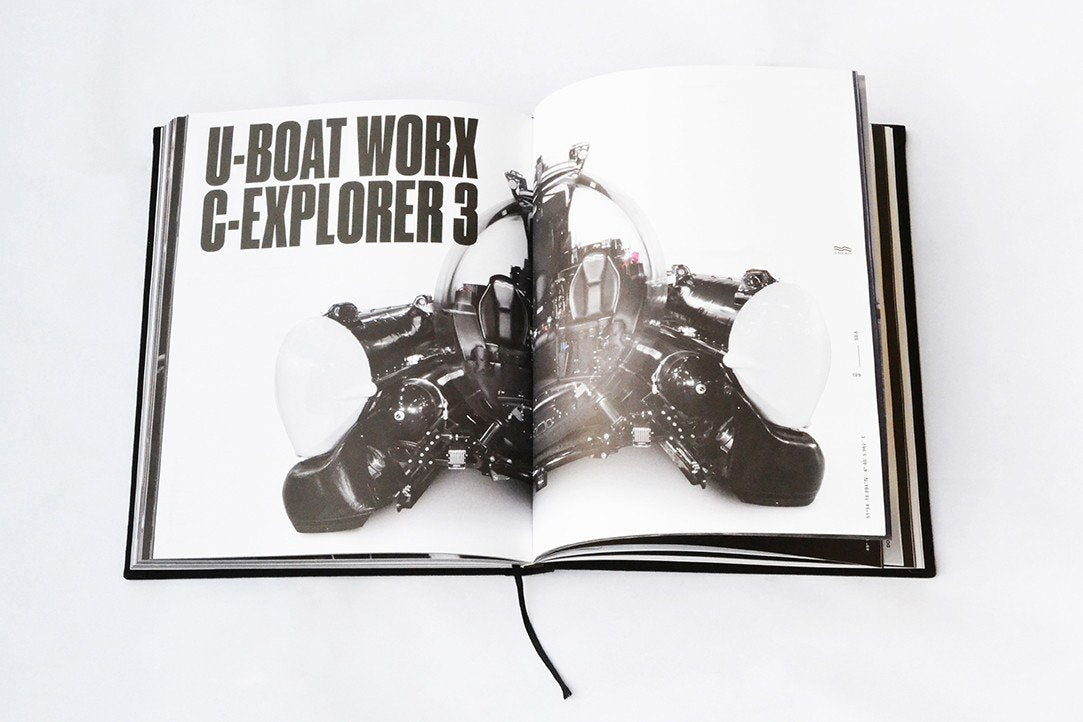
Most recreational models are built around a transparent acrylic pressure hull. This design principle gives occupants a near-unobstructed view of the surrounding water. Series-produced examples such as the U-Boat Worx NEMO rate to 100 metres, while professional platforms from other builders reach 380 metres or deeper.
The category spans two broad purposes. Leisure submersibles prioritise comfort, visibility, and yacht integration. Professional submersibles add subsea tools, manipulator arms, and survey instrumentation for commercial and scientific work.

Why private ownership is accelerating
Why are more individuals ordering their own subs rather than chartering? The answer lies in a maturing manufacturing base and a widening market. The broader manned submersible sector was valued at 0.9 billion US dollars in 2026 according to Business Research Insights, with rapid expansion forecast through 2035.
Series production has changed the economics. When a manufacturer builds a repeatable model rather than a bespoke one, lead times shorten and pricing becomes more predictable. This shift has moved the personal submarine from a one-off engineering project toward a catalogue purchase.
Compact dimensions also matter. The lightest recreational subs weigh roughly 2,500 kilograms and occupy less deck space than two jet skis, which makes them practical for yachts of many sizes. If you are evaluating models and formats, our explainer on how to buy a 2-person submersible walks through the decision step by step.
Specifications you should compare
Before committing, focus on the figures that determine capability and cost. Depth rating is the headline specification, but autonomy, weight, and speed shape the real experience underwater.
- Depth rating: commonly 100 metres for leisure use, extending to 380 metres for professional platforms.
- Operational autonomy: typically 8 to 12 hours on a single charge.
- Speed: around 3 knots underwater, prioritising stability and observation over pace.
- Weight: from roughly 2,500 to 3,800 kilograms, which dictates the crane or davit required.
- Certification: class approval from bodies such as the American Bureau of Shipping.
These underwater exploration vehicles rely on silent electric thrusters and redundant life-support reserves. Professional models often add 96 hours of emergency life support beyond mission duration, a critical safety margin worth verifying with any builder.
How much does a two-person sub cost
Pricing is the question most buyers ask first. A series-produced model such as the NEMO starts at approximately 1,650,000 euros excluding VAT. Bespoke and deeper-rated craft climb well beyond that figure once custom tooling and instrumentation are added.
The pre-owned market offers a lower entry point. Refitted or recently serviced mini-submarines can sell for a fraction of new pricing, though buyers should insist on documented inspection and recertification. Ownership costs extend past the purchase, including storage, maintenance, insurance, and pilot training.

Deployment, storage, and yacht integration
Owning the craft is only half the challenge; launching it is the other. A modern compact submersible can be deployed from a yacht, a boat ramp, or directly from shore, depending on its draft and weight.
Lightweight models with a single lifting point simplify handling considerably. Some builders offer beach launchers, towable trailers, and floating submarine houses, which means yacht ownership is no longer a prerequisite. This flexibility has broadened the buyer pool significantly.
When integrating a sub with a vessel, confirm crane capacity, deck footprint, and charging infrastructure early. These logistics often influence the model you can realistically operate more than the depth rating itself.
Choosing your acquisition route
Where you buy shapes the entire experience. Buyers generally choose between ordering direct from a manufacturer, sourcing a pre-owned unit through a broker, or working with a curated marketplace. Each route balances choice, speed, and support differently.
| Acquisition route | Model choice | Early access | Curated support |
|---|---|---|---|
| Direct from manufacturer | Single brand line | Standard queue | Factory only |
| Pre-owned broker listing | Variable stock | None | Limited |
| Our TheArsenale marketplace | Multiple curated models | Private Membership before public listing | Dedicated response, free shipping |
If you prefer a curated shortlist rather than contacting builders individually, you may wish to see personal submarine options like the Aurora 3C. A marketplace approach lets you compare craft side by side before committing.
Safety, certification, and pilot training
No purchase decision is complete without addressing safety. Shallow-water models dominate current demand; Verified Market Reports noted that shallow-water submersibles held roughly a 60 percent share in 2026, favoured for research, tourism, and observation.
Class approval from a recognised society validates hull integrity and system redundancy. Beyond the machine, competent piloting is essential. Several manufacturers run structured training programmes, from professional courses to recreational sessions, and completing one is strongly advised before independent operation.
Bringing your decision into focus
Acquiring a two-person submersible rewards careful preparation over impulse. Begin with the depth and autonomy your intended dives require, then match those needs to a certified hull, a realistic deployment plan, and a credible training path. Weigh new against pre-owned honestly, and account for the full cost of storage, maintenance, and insurance rather than the purchase price alone. With those fundamentals settled, you can move from admiring the deep to exploring it responsibly and with genuine confidence.
Take action with TheArsenale
You have mapped the specifications, the budget, and the deployment questions. The next step is seeing which craft are actually available to you, without contacting every builder in turn. That is precisely where we simplify the search.

As a luxury mobility marketplace, we curate ocean exploration machines and connect you to vetted craft directly. Through our Private Membership, you may access vehicles before they are listed publicly, and our team typically replies in under 30 minutes. Explore our curated 2-person submersibles and begin your journey beneath the surface today.
Frequently Asked Questions
How deep can a two-person submersible dive?
Recreational models are commonly rated to 100 metres, which suits reef and wreck exploration. Professional platforms extend to 380 metres or deeper. Your intended dive sites should determine the rating you select.
Do you need a licence to pilot one?
Requirements vary by jurisdiction, but formal training is strongly recommended in every case. Many manufacturers offer professional and recreational programmes. Completing one ensures you can operate the craft and its safety systems competently.
How much should you budget for ownership?
Series-produced models begin near 1,650,000 euros excluding VAT, while bespoke craft cost considerably more. You should also budget for storage, insurance, maintenance, and pilot training. Pre-owned units can lower the initial outlay substantially.
Can you launch a submersible without a yacht?
Yes. Lighter models can be deployed from a boat ramp, a trailer, or directly from shore. Some builders supply beach launchers and floating houses, so yacht ownership is not a strict requirement.
Where can you compare available models?
A curated marketplace lets you evaluate several craft side by side rather than approaching builders one at a time. Our TheArsenale collection presents vetted options, and our Private Membership can offer early access before public listings.