Best Electric Moped Brands for Urban Mobility in 2026

Choosing among the best electric moped brands requires more than comparing motor ratings or advertised range. For a practical starting point, you can review our best electric scooters, then decide whether your needs point toward a compact city moped, a full-size electric scooter, or a more distinctive mobility object.
Electric two-wheelers are entering a broader phase of international adoption. One 2026 market estimate places the global electric motorcycle and scooter market at $40.8 billion in 2026, compared with $37.2 billion in 2025. That growth creates more choice, but it also makes brand evaluation more important because specifications, legal categories, servicing, and ownership expectations vary considerably.
What makes an electric moped brand worth considering in 2026?
A credible electric moped brand should provide a coherent ownership proposition. The vehicle must suit its intended roads, the battery must match the rider’s routine, and the company should communicate clearly about servicing, parts, warranty coverage, and legal classification. A polished design is valuable, but it cannot compensate for an unsuitable charging routine or uncertain support.
The international market is also changing. European electric two-wheeler registrations declined between 2023 and 2025, before rising 18.7% year over year during the first seven months of 2026. According to European market data, registrations reached 48,832 units during that 2026 period. The same source identifies growth across specialist brands, urban scooter manufacturers, and performance-focused electric motorcycle companies.
This matters because a brand’s reputation may reflect a different market from your own. A company focused on lightweight urban mopeds may not support the same use case as a manufacturer building high-output electric motorcycles. Before comparing logos, define your riding environment, expected distance, storage conditions, passenger needs, and tolerance for registration or licensing requirements.
Which electric moped brands deserve your attention in 2026?
Several manufacturers provide useful reference points for an international shortlist. NIU focuses on connected electric scooters and compact urban vehicles. Yadea covers high-volume electric mobility across multiple markets. Vmoto and Silence address practical scooter use, while Gogoro is associated with connected vehicles and battery-swapping infrastructure in selected regions.
Piaggio brings established scooter design language into electric mobility, while Super Soco has built visibility around lightweight electric motorcycles and mopeds. Segway also appears in several electric two-wheeler categories. These brands should not be treated as interchangeable because their availability, dealer networks, battery formats, and local compliance can differ from one country to another.
Regional momentum also changes the shortlist. In India, the electric two-wheeler market grew 38% year over year in the first quarter of 2026, while connected electric two-wheeler adoption reached 90%, according to CMR’s Q1 review. That example shows why digital features, local manufacturing, software, and service infrastructure can influence brand relevance as much as raw performance.
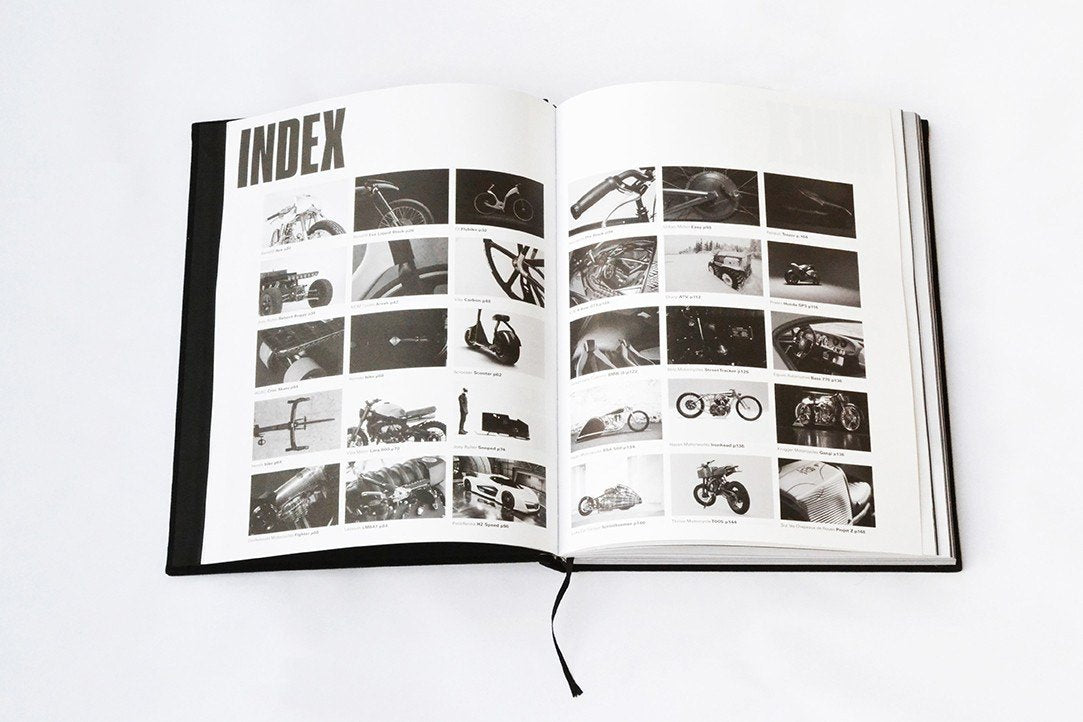
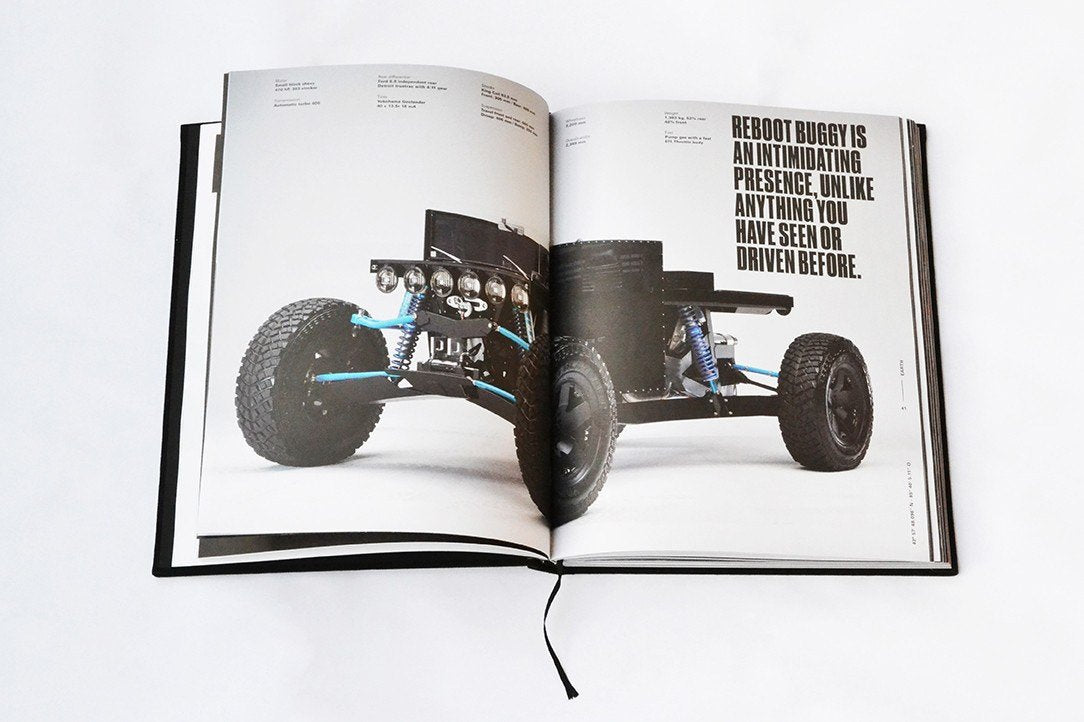
Our position is complementary rather than conventional. We curate mobility objects from a network of more than 250 builders, designers, suppliers, and brands. If your priority is discovering rare, design-led, or future-oriented machines, our electric mopeds for sale section provides a more curated route than browsing undifferentiated listings.
How should you compare range, battery access, and charging?
Range is one of the most visible specifications, but it is not always the most useful comparison. Your real result depends on rider weight, speed, hills, temperature, tire pressure, payload, and how often you use maximum power. A smaller battery can be sufficient for short urban trips, while a larger pack may be worthwhile if you cannot charge at home or need several daily journeys.
The removable battery is particularly important for apartment residents, office commuters, and riders without private parking. A removable pack allows indoor charging, but it also adds weight and may influence frame design. An integrated battery can provide a cleaner appearance and structural protection, although the entire vehicle may need to be moved near a power outlet.
Charging time should be assessed alongside battery size. A large battery may provide useful range, but it can also require longer charging periods. Ask whether the charger is portable, whether replacement batteries are available in your market, and whether the brand publishes clear guidance for storage during hot or cold weather.
Connected features can support ownership when they solve a practical problem. Navigation, battery monitoring, ride history, geolocation, service alerts, and theft notifications may be valuable. However, you should also ask whether the application works in your country, whether core vehicle functions remain available without a subscription, and how long software support is expected to continue.
For a broader design and performance context, our best electric motorcycle brands editorial coverage can help you distinguish a compact moped from a higher-output electric motorcycle. That distinction affects range expectations, riding position, licensing, insurance, and the type of roads where the vehicle is appropriate.
Why do braking, suspension, and legal classification matter?
A moped-style silhouette can make a vehicle appear more capable than it is. The important question is whether the chassis, brakes, tires, lights, and suspension match the vehicle’s actual speed and weight. For urban riding, stable handling and predictable braking may matter more than a headline motor figure.
Look for equipment that suits your environment. Hydraulic or high-quality mechanical disc brakes can provide confident stopping, while wider tires may improve stability on uneven streets. Suspension adds comfort, but it also increases weight, maintenance needs, and sometimes purchase cost. If your routes are mostly smooth pavement, a simpler setup may be appropriate. Rough roads justify greater attention to suspension travel and wheel durability.
Vehicle classification is equally important. Electric mopeds, seated electric bicycles, scooters, and motorcycles can look similar while being treated differently by local authorities. Power limits, assisted speed, pedals, lighting, registration, insurance, helmet rules, and road access vary across jurisdictions. You should verify the rules that apply to the exact model and the country where you will ride it.
Historical evidence also shows why market definitions require care. An ICCT analysis of Vietnam’s electric two-wheeler market between 2019 and 2021 separated e-mopeds from electric motorcycles and found that manufacturers could serve distinct vehicle categories. That distinction remains useful in 2026 because a product marketed as a moped may still require motorcycle-style obligations in some locations.
Do not rely only on a manufacturer’s global website. Confirm local documentation, conformity markings, registration requirements, replacement parts, and service contacts. A brand with an attractive specification sheet may be less practical than a slightly simpler model with dependable local support.
What separates a practical purchase from a collectible mobility object?
Most buying decisions begin with utility. You may need a vehicle for commuting, errands, short-distance travel, or leisure. In that case, storage, weather protection, charging access, reliability, and service availability should lead the evaluation.
Other buyers are looking for something more distinctive. They may value unusual proportions, limited production, advanced engineering, unusual materials, a notable builder, or a design language that does not resemble mainstream transportation. These priorities do not make practical specifications irrelevant. They simply change the balance between utility and identity.
Our expertise is built around that broader mobility landscape. We connect collectors, enthusiasts, builders, designers, and brands through online commerce, physical concept stores, exhibitions, editorial publishing, and personalized sourcing. For readers looking beyond ordinary commuting, our powerful electric moped coverage explores how performance, style, and versatility can coexist in a more expressive machine.
A curated approach can also reduce discovery friction. Instead of reviewing thousands of similar listings, you can begin with the characteristics that matter most: rarity, engineering, visual identity, intended terrain, builder reputation, and acquisition support. This is especially useful when the vehicle is a high-value purchase or when international sourcing is involved.
Which buying path fits your priorities?
Consider the following profiles before selecting a brand:
- Urban commuter: Prioritize manageable weight, practical range, lighting, weather-resistant components, service access, and a charging routine that fits your home.
- Design-conscious rider: Examine frame proportions, finish quality, seating position, component integration, and whether the design remains distinctive without compromising daily usability.
- Long-distance user: Compare battery capacity, tested range, charging time, tire size, riding posture, and the availability of replacement batteries.
- Performance-oriented rider: Review motor output, brakes, suspension, thermal management, tires, and the vehicle’s legal classification before focusing on top speed.
- Collector or enthusiast: Investigate production volume, builder identity, provenance, customization, sourcing support, and long-term access to specialist maintenance.
- International buyer: Confirm delivery options, import obligations, local registration, after-sales support, currency exposure, and whether the model is approved for your market.
The after-sales support question deserves special attention. Ask who handles warranty claims, whether parts are stocked locally, how technical issues are diagnosed, and whether the brand works through dealers or direct communication. A vehicle is not only a motor, battery, and frame. It is also a continuing relationship with the manufacturer, distributor, or curator.
For high-value machines, personalized assistance may be more useful than a standard checkout process. We provide sales guidance and high-value acquisition support for customers seeking rare mobility objects. Our team can help connect the product search with a broader collecting or mobility objective, rather than treating every inquiry as a conventional vehicle purchase.
How can you create a reliable shortlist?
Start with three non-negotiable requirements. These may include a minimum real-world range, a removable battery, a specific passenger capacity, or legal eligibility for your intended roads. Eliminate any model that fails one of these requirements, even if its styling or headline performance is attractive.
Next, separate confirmed information from promotional language. Look for published battery capacity, charging equipment, warranty terms, weight, payload, tire dimensions, and documented compliance. Treat claimed range as a reference point rather than a guarantee, particularly if the figure is measured under conditions that do not resemble your daily route.
Then compare the brand, not just the vehicle. A company’s communication quality, service network, parts policy, software support, and market presence can influence ownership for years. International buyers should also determine whether the apparent global availability reflects actual local distribution or only an online product page.
Finally, decide whether you are buying transport, recreation, or a mobility object with collecting value. Each objective creates a different definition of quality. A compact, serviceable urban moped may be appropriate for everyday travel, while a rare electric machine may be better evaluated through design, engineering, provenance, and acquisition support.
Conclusion: choose the brand that matches the mission
The best electric moped brands are not defined by one universal specification. The right choice depends on how far you ride, where you charge, which rules apply, and how much importance you place on support, design, and exclusivity. Begin with practical constraints, verify local requirements, and then compare the brands that fit your purpose. For a conventional commute, utility should lead. For a more distinctive mobility experience, curated electric mobility can provide a broader and more personal path.
Take action with TheArsenale
When your search extends beyond a standard commuter and into design-led, future-oriented mobility, a curated perspective can save time and reveal possibilities that ordinary vehicle searches may miss. Your priorities may involve rarity, engineering, visual identity, or access to an unusual builder.

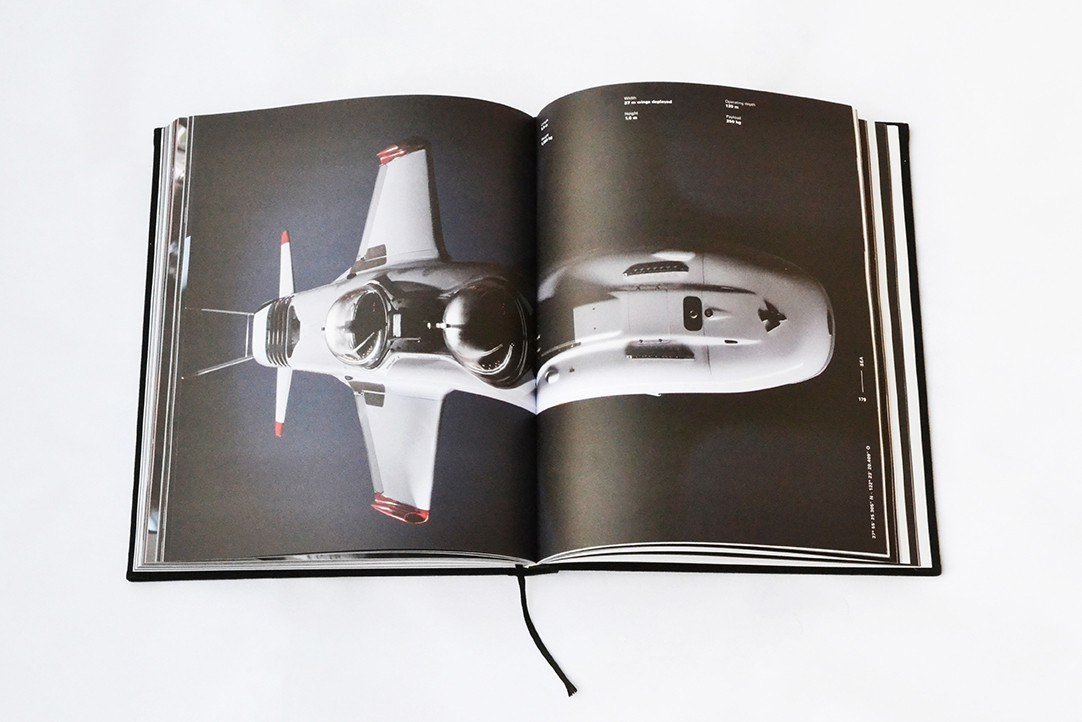
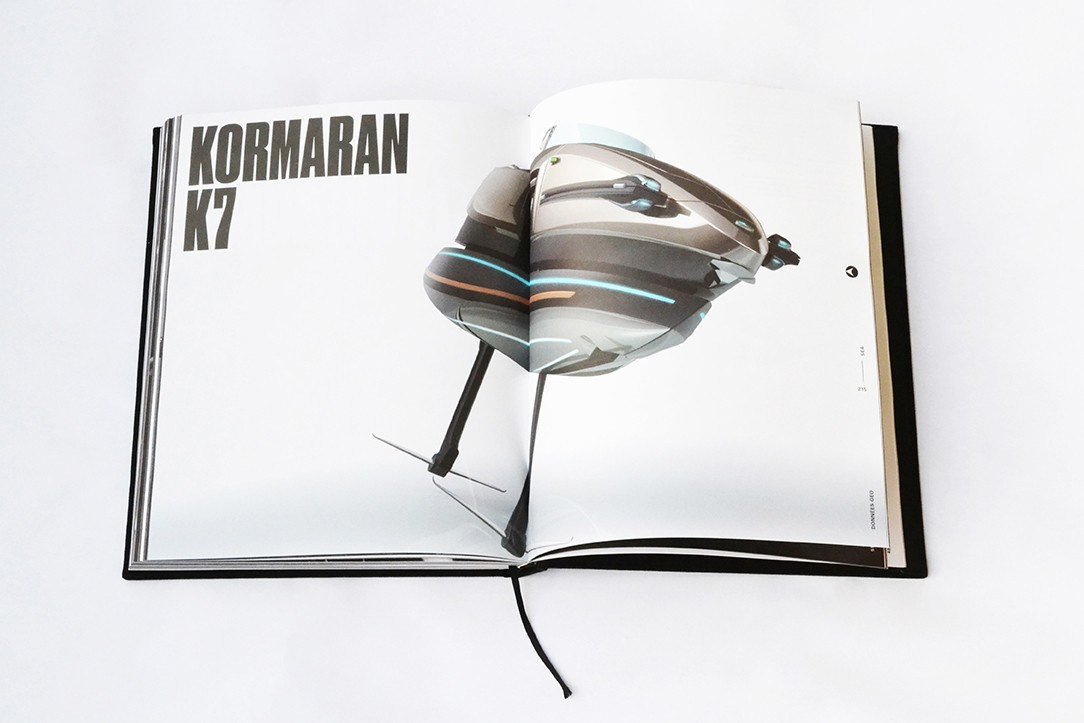
We bring together rare machines, electric motorcycles, bicycles, boats, flying vehicles, and other mobility objects through a global marketplace, physical concept stores, exhibitions, editorial content, and personalized sourcing. Explore our selection of electric vehicles and mobility designs to find a direction that reflects how you want to move, collect, or experience the future of mobility.
Frequently Asked Questions
What should you look for in an electric moped brand?
Review range, charging, battery access, braking, legal classification, warranty terms, service availability, and replacement parts. You should also consider whether the brand’s design and ownership experience match your intended use.
Are electric mopeds suitable for daily commuting?
Many electric mopeds suit short and medium urban journeys when you have a practical charging routine and appropriate local road access. Before purchasing, confirm payload, weather protection, storage, range under realistic conditions, and servicing arrangements.
Are electric mopeds and electric motorcycles the same?
No. They may share a seated layout and similar styling, but their power, speed, equipment, and legal treatment can differ. Always check the classification of the exact model in the jurisdiction where you intend to ride.
Is a removable battery important?
A removable battery can be valuable if you live in an apartment, park away from a power outlet, or need to charge at work. An integrated battery may offer a cleaner design, so the better option depends on your storage and charging conditions.
Can TheArsenale help with a rare electric mobility purchase?
Yes. We provide curated discovery, sales guidance, and high-value acquisition support for unusual mobility objects from builders, designers, and brands worldwide. Our marketplace and Private Membership can also provide access to selected vehicles and future-oriented machines.