Best Hypercar Brands for 2026: A Collector’s Guide
The best hypercar brands are not defined by one acceleration figure or one record. They represent distinct approaches to design, engineering, exclusivity, and the relationship between driver and machine. If you want a broader view of the luxury segment, our luxury car brands guide provides useful context before you narrow your shortlist.
If you search for best hypercar brands, you will find a mixture of established marques, specialist manufacturers, electric innovators, and low-volume design houses. The right choice depends on whether you want a road-going grand tourer, a track-focused technical statement, an analogue experience, or a rare machine with strong collector appeal.
What makes a hypercar brand worth considering?
A hypercar brand must offer more than impressive specifications. Its identity should be visible in the way the vehicle is designed, engineered, built, and experienced. The most relevant questions concern the brand’s technical philosophy, production approach, design language, and relationship with its customers.
Engineering identity is often the clearest differentiator. Bugatti is associated with extreme power and high-speed stability. Koenigsegg focuses on lightweight construction, unconventional systems, and technical experimentation. Rimac represents a different direction, built around electric power, software, battery systems, and torque management.
Other brands place greater emphasis on racing heritage or emotional design. Ferrari connects its road cars with motorsport development and Italian styling. McLaren applies a strong technical focus to lightweight construction and aerodynamic efficiency. Aston Martin combines performance engineering with a more traditional luxury presentation.
Craftsmanship also matters. Pagani treats each vehicle as a highly personalized object, with close attention to materials, detailing, and visual composition. Lamborghini approaches the category through dramatic proportions and theatrical design. Porsche brings a more disciplined performance philosophy, with an emphasis on systems integration and repeatable usability.
For collectors, the strongest decision is rarely based on power alone. Rarity, provenance, production volume, bespoke content, technical originality, and driving character can have greater long-term relevance than a small difference in top speed.
Which names belong on a 2026 hypercar shortlist?
There is no universal ranking because each manufacturer serves a different interpretation of the category. The following shortlist is more useful when read as a map of approaches rather than a strict order.
Ferrari and McLaren
Ferrari and McLaren remain important reference points for buyers who want advanced performance technology connected to racing culture. Ferrari tends to emphasize emotional design, motorsport influence, and a strong connection between brand heritage and limited-production road cars.
McLaren is generally associated with carbon-fiber construction, aerodynamic development, and a driver-focused technical character. Its place on a shortlist depends on whether you value engineering clarity and track capability over traditional luxury presentation.
Bugatti and Koenigsegg
Bugatti is suited to buyers who want exceptional straight-line performance, high-speed composure, and a grand touring interpretation of the hypercar. Its identity is also shaped by craftsmanship, elaborate mechanical systems, and a strong sense of occasion.
Koenigsegg follows a more experimental path. The brand appeals to collectors who are interested in proprietary engineering, unconventional drivetrain solutions, lightweight construction, and a smaller-scale manufacturing philosophy.
Pagani and Aston Martin
Pagani places unusual emphasis on artistry, personalization, and material detail. The brand can suit a collector who sees a hypercar as both a driving machine and a commissioned design object.
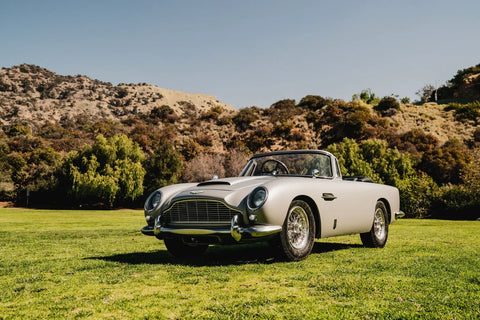
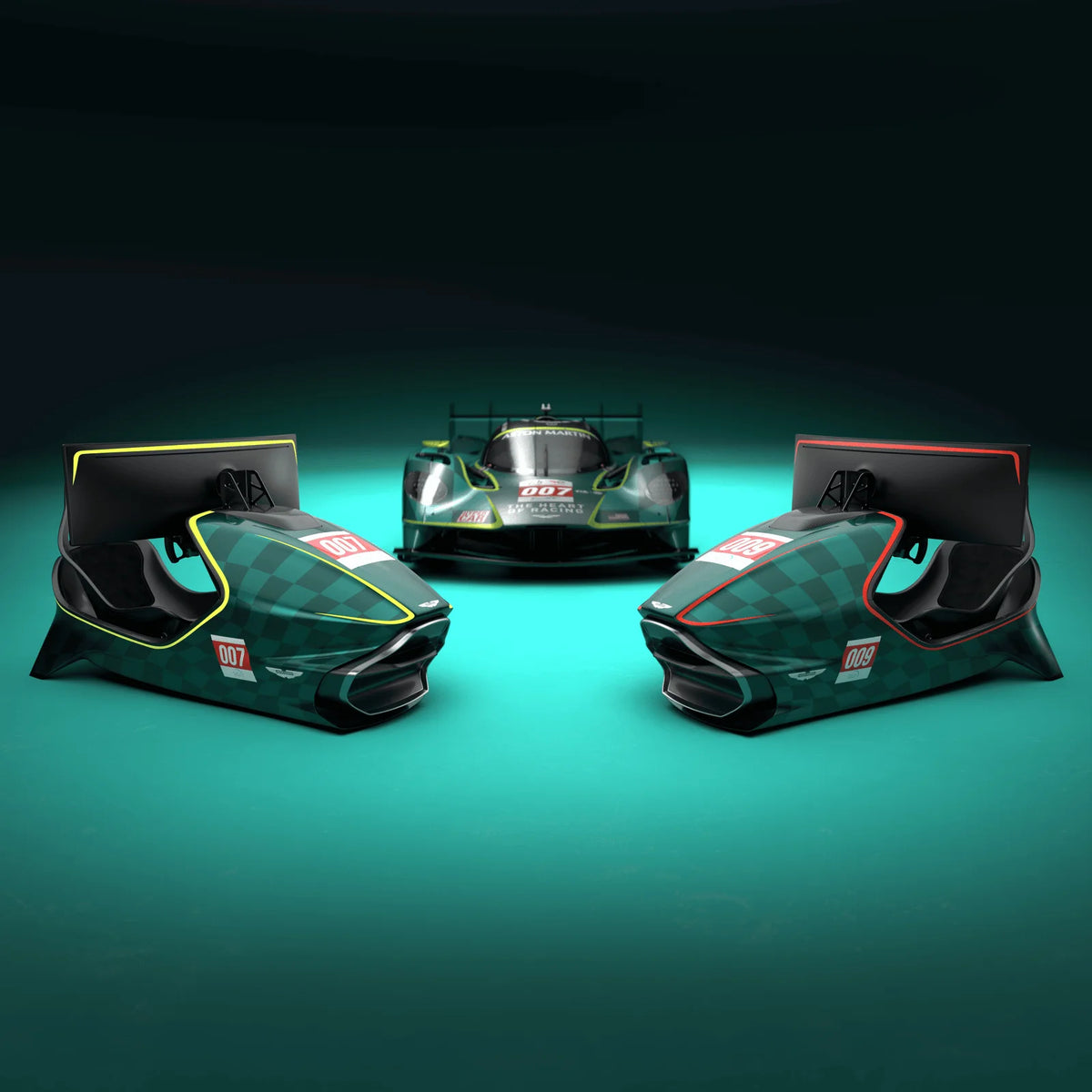
Aston Martin offers two contrasting perspectives through its broader performance portfolio. Buyers may find a more accessible grand touring character in some models, while the brand’s most focused projects move toward high-downforce engineering and track-oriented performance.
Lamborghini, Porsche, Rimac, and specialist makers
Lamborghini is relevant to buyers who prioritize visual drama, unmistakable proportions, and an extroverted road presence. Porsche is more appropriate for those who value precision, engineering discipline, and a machine that feels usable beyond special occasions.
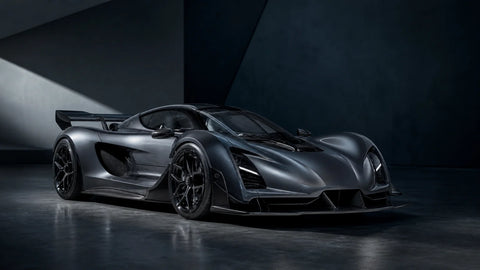
Rimac represents the electric performance direction, where acceleration, software control, and battery engineering become central to the ownership experience. Specialist manufacturers such as GMA, Lotus, SSC, and other low-volume builders offer narrower propositions, often focused on analogue engagement, extreme output, lightweight construction, or limited production.

Why does the 2026 market make categories more useful than rankings?
The hypercar market is expanding, but published estimates differ considerably because research firms define the category in different ways. One Grand View Research estimate places the global market at $20.1 billion in 2025 and $21.5 billion in 2026, with a projected value of $36.7 billion by 2033.
Another market analysis uses a narrower definition. It estimates a 2026 market value of $6.1 billion and identifies Ferrari, Lamborghini, Bugatti, Aston Martin, and Rimac among the major participants. This difference is important because it shows why market size should not be treated as a definitive ranking of the best manufacturers.
Instead, the 2026 landscape is best understood through categories. Some brands compete through hybrid systems and motorsport technology. Others focus on electric propulsion, handcrafted construction, extreme top speed, or a more involving manual driving experience.
This broader perspective also explains why a technically less powerful car may be more suitable for you. A machine designed for long-distance comfort, road usability, and discreet craftsmanship serves a different purpose from a limited-production track weapon.
How should you compare hypercar brands before buying?
Start by defining the experience you want. If you want to use the car regularly, examine visibility, ride quality, luggage space, service access, and driving modes. If the vehicle will be stored as a collection piece, production numbers, provenance, originality, documentation, and maintenance history may carry more weight.
Next, separate headline specifications from usable performance. Horsepower and acceleration are easy to compare, but they do not explain steering feedback, braking consistency, thermal management, cabin ergonomics, or how confidently the car communicates with you.
Powertrain philosophy should also influence your decision. Hybrid systems can add instant torque and improve response, while electric drivetrains offer exceptional acceleration and sophisticated torque control. Naturally aspirated engines, manual gearboxes, and lower electronic intervention appeal to collectors seeking a more analogue connection.
Design deserves a separate evaluation. Ask whether the shape will remain distinctive without relying on novelty. Consider the quality of the materials, the coherence of the cabin, the visibility of the engineering, and the degree of personalization available from the manufacturer.
Our hypercar buying guide can help you structure that evaluation around budget, intended use, rarity, performance, and ownership considerations. You can also consult our guide on how to choose a hypercar when you need a more practical decision framework.
Why does ownership execution matter as much as the badge?
A prestigious badge does not automatically guarantee a satisfying ownership experience. Dealer communication, technical support, delivery coordination, maintenance access, documentation, and personalization services can shape your relationship with a high-value vehicle.
Broader automotive research supports this distinction. The 2026 APEAL study from J.D. Power reported that overall new-vehicle satisfaction reached 858 points on a 1,000-point scale. It also found that premium brands no longer held a clear advantage across several ownership attributes.
The study covers the wider new-vehicle market, not hypercars specifically. Its relevance is therefore directional, but the lesson remains useful: perceived quality increasingly depends on total execution rather than brand prestige alone.
For a hypercar buyer, execution includes how clearly the manufacturer explains the build process, how the vehicle is configured, how delivery is managed, and whether specialist support remains available after the purchase.
These factors are particularly important when a vehicle includes complex hybrid systems, high-voltage components, active aerodynamics, advanced software, or specialized carbon-fiber structures. A rare machine can be compelling, but it also requires a purchasing process that matches its complexity.

Where does a curated marketplace fit into the decision?
Many collectors do not begin with a single manufacturer. They begin with a design language, a performance goal, a region, or a desire to find something unusual. That search can involve several brands and mobility categories before the right machine becomes clear.
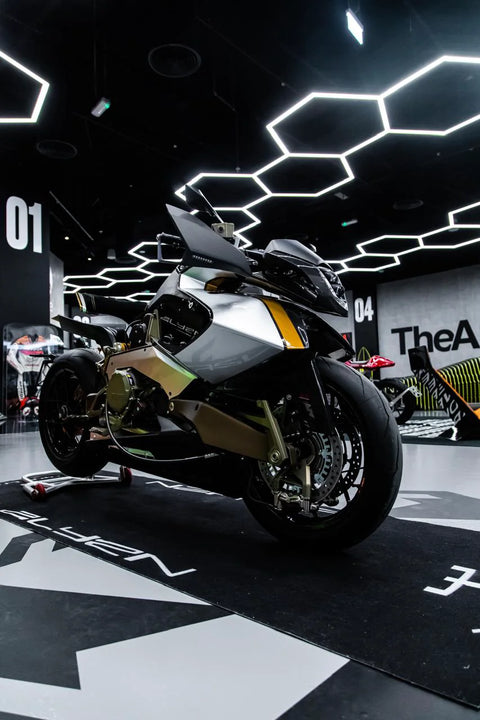
This is where a curated marketplace can provide practical value. At TheArsenale, we bring together rare and future-oriented mobility objects from a network of builders, designers, and brands. Our approach covers cars, motorcycles, boats, flying vehicles, bicycles, and other machines, giving you a wider view than a single-marque showroom.
We also support discovery beyond public listings. TheArsenale Private Membership provides access to vehicles before they are publicly listed, while our sales team can assist with rare and high-value acquisitions.
For broader comparison, our overview of all luxury car brands can help you consider manufacturer identity alongside design, engineering, exclusivity, and future-mobility relevance.
The distinction is important. A manufacturer builds and supports its own vehicles. A curated marketplace helps you compare different visions, identify unusual opportunities, and connect your preferences with suitable machines.
A second 2026 market analysis reinforces the importance of this wider view. It describes a sector shaped by low production volumes, bespoke content, technical complexity, and model mix, rather than by mass-market unit sales alone. For collectors, this makes curation and informed acquisition support increasingly relevant.
Choosing the right hypercar brand for you
The best hypercar brands are not interchangeable. Ferrari, McLaren, Bugatti, Koenigsegg, Pagani, Aston Martin, Lamborghini, Porsche, Rimac, and specialist manufacturers each express a different balance of performance, design, technology, rarity, and usability. Your strongest choice will match the experience you want, the way you intend to use the vehicle, and the level of acquisition support you require. Compare the complete ownership proposition, not only the figures printed on a specification sheet.
Take action with TheArsenale
Once you understand the differences between hypercar manufacturers, the next step is finding a machine that matches your taste, collection, and intended experience. A curated search can save time while opening access to rare vehicles and unusual mobility objects beyond conventional showroom inventories.

We connect collectors and enthusiasts with carefully selected machines across automotive and future mobility categories. Explore our luxury and performance cars to begin comparing available opportunities, then contact our team for personalized guidance on sourcing and high-value acquisitions.
Frequently Asked Questions
What are the best hypercar brands for collectors?
The answer depends on your priorities. Ferrari, Bugatti, Koenigsegg, Pagani, McLaren, Aston Martin, Lamborghini, Porsche, and Rimac each offer different combinations of rarity, design, engineering, performance, and brand heritage.
Is horsepower the most important hypercar buying criterion?
No. Power should be considered alongside handling, braking, thermal management, usability, service support, production volume, and the quality of the driving experience. A lower-output car may suit your collection better if its character and ownership demands align with your goals.
Should you choose a hybrid, electric, or combustion hypercar?
Choose according to the experience you want. Hybrid and electric systems offer rapid response and sophisticated power management, while combustion-focused cars may provide a more traditional sound, feel, and mechanical connection.
How can you compare several hypercar brands efficiently?
Define your intended use first, then compare design, engineering philosophy, rarity, personalization, service access, and ownership support. A curated marketplace such as TheArsenale can help you review multiple manufacturers and mobility categories in one environment.
Can TheArsenale help source a rare hypercar?
Yes. We provide access to curated machines and direct assistance for rare and high-value acquisitions. Private Membership may also provide access to vehicles before they are publicly listed.