The Complete Electric Motorcycle Buying Guide for 2026

The global electric motorcycle market is valued at roughly 65 billion dollars in 2026, a figure that reshapes how riders think about two wheels. Silent acceleration, minimal maintenance, and freedom from fuel stations have moved battery power from novelty to serious consideration. Yet the sheer variety of models, from nimble city scooters to the Harley-Davidson LiveWire electric motorcycle, makes the decision harder than ever.
This is where a clear electric motorcycle buying guide becomes essential. According to Fortune Business Insights, the sector is expanding at a compound annual rate above 21 percent through 2034. That growth means more choice, faster innovation, and a genuine need to understand what separates a well-matched bike from a costly compromise before you commit.
Start with how you actually ride
Before comparing spec sheets, define your primary use. An electric bike that excels at a five-mile urban commute may frustrate you on a weekend tour, and a high-performance machine is wasted crawling through traffic. Riders generally fall into three groups, and each should shop differently.
Urban commuters value low running costs, easy charging, and manageable weight. Models equivalent to a 125cc scooter often deliver a 40 to 70 mile range, which comfortably covers most daily journeys. Leisure and touring riders want a larger battery, motorway-capable speed, and a range that supports longer rides. Performance enthusiasts chase instant torque and acceleration, where electric drivetrains genuinely rival combustion.
If your interest leans toward premium commuting, machines such as the Honda electric motorcycle (WN7) illustrate how mainstream manufacturers are targeting everyday riders. We curate comparable options so you can weigh design, range, and intent side by side rather than in isolation.

Range and battery: the numbers that matter most
Range anxiety remains the single biggest hesitation for new buyers, and the data supports that concern. Industry analysis reports that around 36 percent of consumers cite battery range worries, while roughly 41 percent point to insufficient charging infrastructure as a barrier to adoption. Both factors should shape your shortlist.
When you read a manufacturer's range figure, treat it as an optimistic ceiling rather than a promise. Real-world range drops with aggressive throttle use, motorway speeds, cold weather, and rider weight. A claimed 80 mile range may translate to 55 miles when ridden hard. Always compare a bike's stated range against your longest regular journey, then add a comfortable margin.
Battery architecture matters just as much as capacity. Removable batteries let you charge indoors or at the office, a decisive advantage if you live in an apartment without a private socket. Fixed batteries typically support faster public or wall-box charging but require you to bring the bike to the power source. Neither is universally better; the right choice depends entirely on where you park and live.
Decoding the spec sheet
Power, weight, and charging time interact in ways that plain numbers do not reveal. A lightweight bike with modest power can feel livelier in the city than a heavy machine with a bigger motor. Consider these core specifications together:
- Peak power and torque: electric motors deliver instant torque, so even modest figures feel brisk from a standstill.
- Kerb weight: lower weight aids manoeuvrability and confidence, especially for newer riders.
- Charge time: home charging often runs from two to nine hours, while fast-charging support dramatically shortens top-ups.
- Top speed: match it to your roads, as a 55 mph machine struggles on national-speed-limit routes.
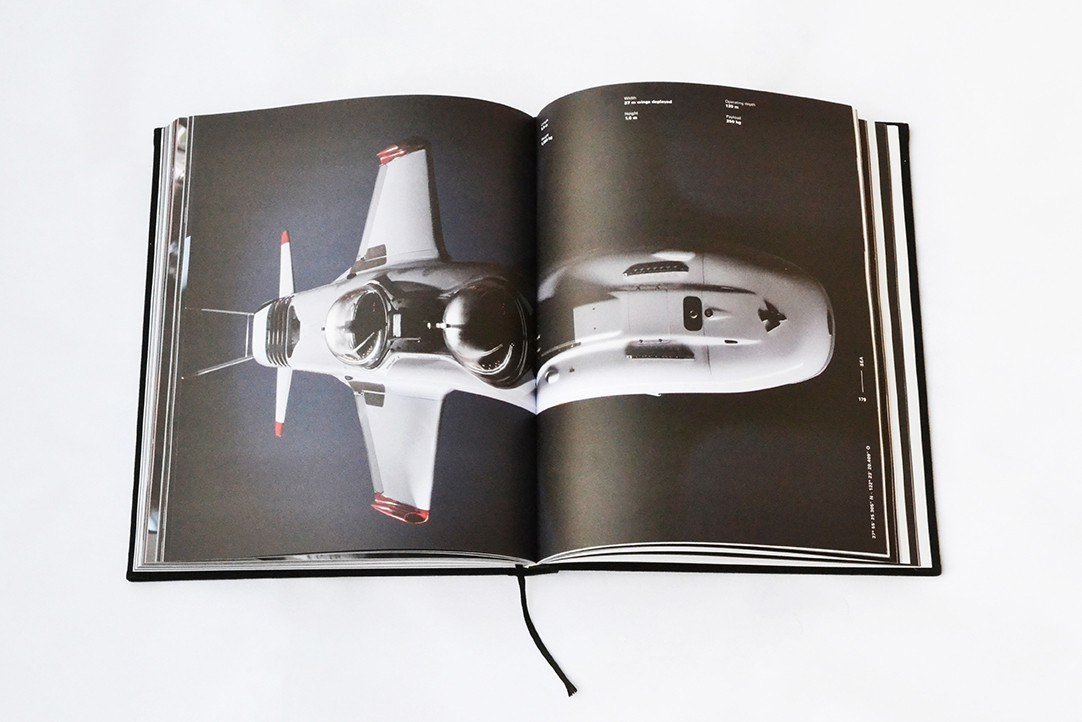
For riders drawn to forward-looking design, concepts such as the Zero SR/S-X electric motorcycle concept show where performance and technology are heading. We highlight both production-ready models and boundary-pushing prototypes so your comparison reflects the full breadth of the category.
Comparing models by riding purpose
The table below groups typical electric motorcycle categories against the priorities that matter to each buyer. Use it to locate your profile, then dig into individual models within that band.
| Profile | Typical range | Priority specs | Best matched through |
|---|---|---|---|
| Urban commuter | 40 to 70 miles | Low running cost, removable battery, light weight | Curated selection at TheArsenale |
| Leisure and touring | 80 to 150 miles | Large battery, fast charging, motorway speed | Curated selection at TheArsenale |
| Performance rider | Varies by use | Peak power, instant torque, premium chassis | Curated selection at TheArsenale |
Whichever band fits you, we bring premium and concept-grade electric machines into one place, so you compare intent and engineering rather than chasing scattered listings. That single-marketplace view is where our curation earns its value.

The real cost: purchase price versus lifetime running cost
Sticker price tells only part of the story, and this is where electric machines often surprise buyers. A full charge on a small commuter can cost under one pound, translating to roughly one to two pence per mile, far below petrol equivalents. Over several years, lower fuel and maintenance expenses can offset a higher upfront price.
Maintenance is the quieter saving. With no oil changes, no clutch, no gearbox, and fewer moving parts, servicing is simpler and less frequent. Industry research attributes much of the market's momentum to lower operating costs and rising fuel prices, and manufacturers continue investing heavily in more affordable battery production to widen access.
Factor in the broader picture too. The wider motorcycle market is being reshaped by electrification policies and low-emission zones that can penalise combustion engines in city centres. A machine that avoids congestion charges and emission fees today may prove more economical than its price tag suggests. For balanced everyday value, models like the Honda e: E-VO electric motorcycle demonstrate how production machines are being priced for real commuting.
Making your decision with confidence
A confident purchase begins with honesty about how you ride, not with the biggest number on a spec sheet. Define your typical journey, verify that real-world range clears it with margin, confirm you can charge where you park, and calculate cost across several years rather than at the till. When you weigh these four factors together, the ideal electric motorcycle for your needs becomes far clearer. The market rewards patient, informed buyers, and taking time now prevents an expensive mismatch later.
Take action with TheArsenale
Once you understand what to look for, the next step is seeing standout machines gathered in one considered place. We assemble premium and concept-grade electric mobility so you can compare intent, engineering, and design without hunting across fragmented listings.

As a luxury mobility marketplace, we curate high-performance and forward-looking machines, and our Private Membership offers access to select vehicles before they are listed publicly. Explore our curated electric mobility collection to see how these principles translate into real machines, with a sales team available around the clock to answer your enquiry.
Frequently Asked Questions
How much range do I really need from an electric motorcycle?
Measure your longest regular journey and add a margin of at least 30 percent, because claimed range figures assume ideal conditions. Most urban commuters are well served by 40 to 70 miles, while touring riders should look for 80 miles or more.
Can I charge an electric motorcycle at home?
Yes, most electric motorcycles charge from a standard domestic socket, typically overnight. Models with removable batteries are ideal if you live in an apartment, since you can carry the pack indoors rather than bringing the bike to a power source.
Are electric motorcycles cheaper to run than petrol bikes?
Generally yes, because electricity costs far less per mile and there is no oil, clutch, or gearbox to service. The higher purchase price is often offset over several years through lower fuel and maintenance expenses.
Where can I compare premium and concept electric motorcycles?
We bring premium production models and forward-looking concepts together in one curated marketplace, so you can weigh design and engineering side by side. Our Private Membership also provides early access to select vehicles before they are listed publicly.
Do I need a special licence to ride an electric motorcycle?
Licence requirements depend on the machine's power and your country's regulations, not on whether it is electric. Smaller models can often be ridden on an entry-level licence, while more powerful bikes require a full motorcycle licence, so always confirm local rules first.