How a Fast Personal Submarine Redefines Ocean Exploration

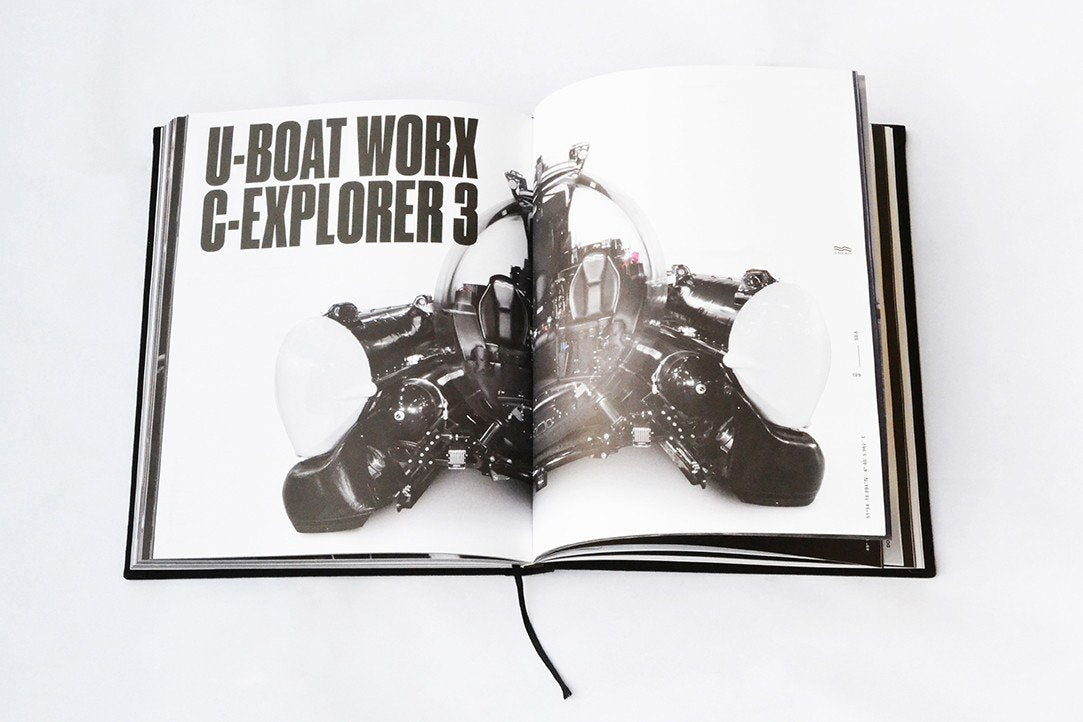
Most recreational submersibles cruise at only two or three knots, yet the newest generation now glides at close to ten. That single leap transforms the experience, allowing owners to keep pace with marine life rather than watch it disappear. A genuinely fast personal submarine converts passive sightseeing into active underwater flight. If you are studying the field, our u-boat worx C-Researcher personal submarine overview illustrates how modern private craft balance range, depth, and cabin comfort.
The commercial momentum is real and measurable. According to a market report, the global personal submarine market reached USD 1.47 billion in 2024 and is projected to grow at a 9.2% compound annual rate through 2033. In 2026, that growth is driven by luxury tourism, superyacht integration, and a widening pool of private buyers seeking direct access to the deep.
What Makes a Personal Submarine Genuinely Fast
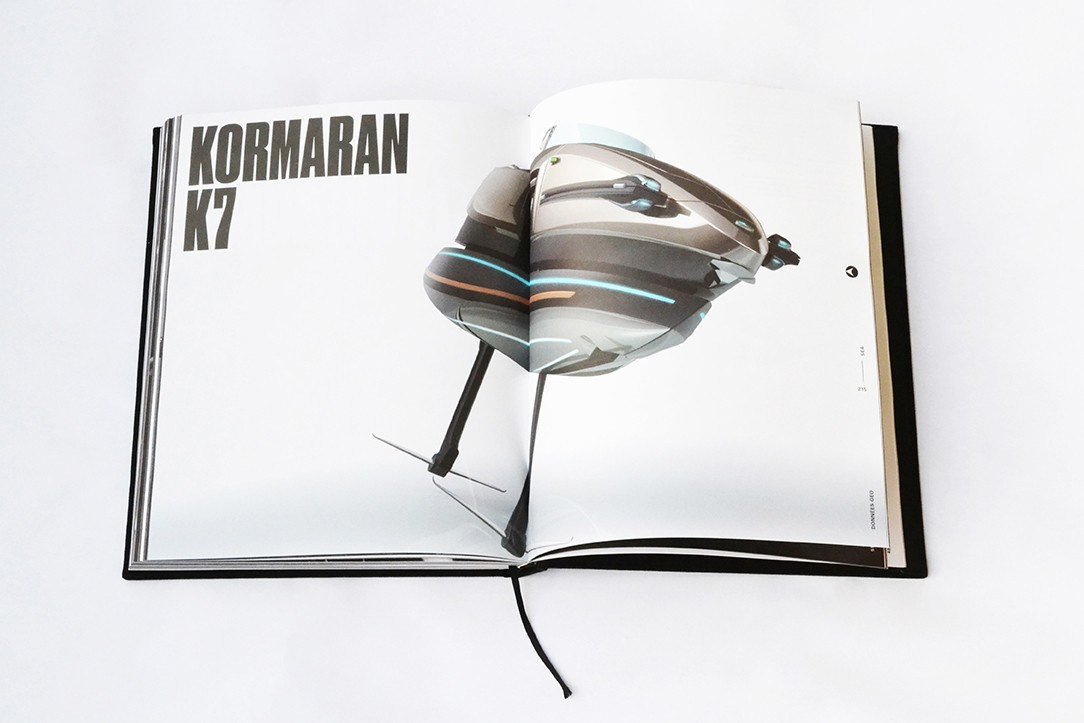
Speed underwater is a battle against drag. Water is roughly 800 times denser than air, so every knot demands disproportionate thrust and careful hydrodynamics. Designers now attack the problem on three fronts. First, they streamline the hull to reduce turbulence. Second, they mount powerful electric thrusters. Third, they add hydrofoils that convert forward motion into precise vertical control.
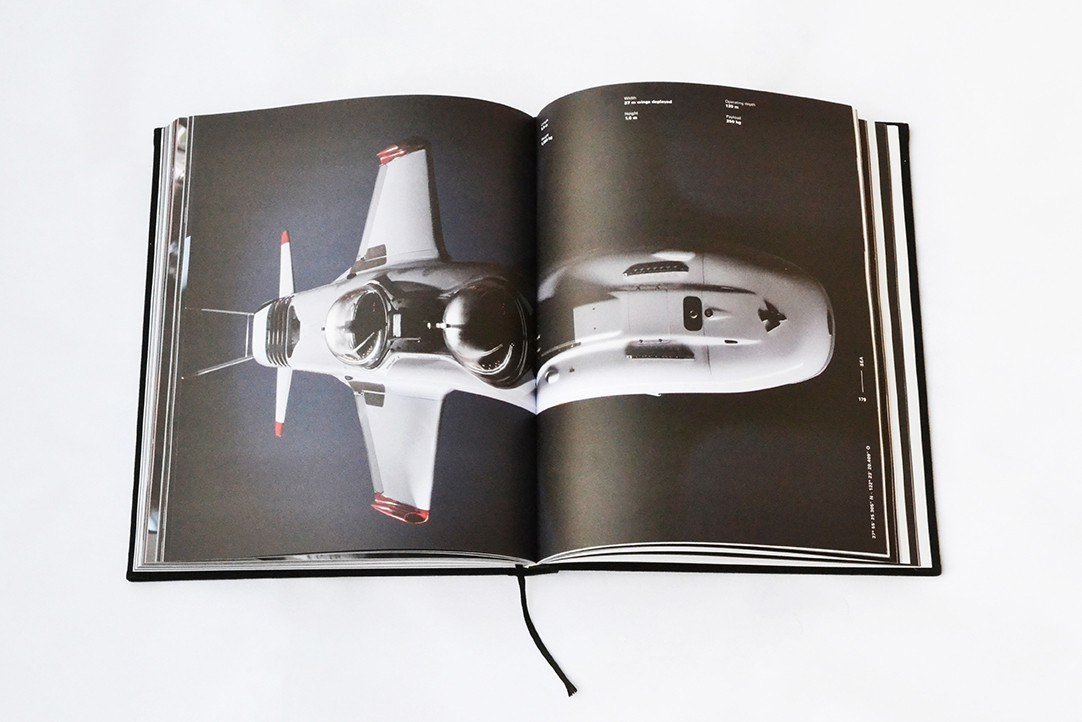
The result is a category often described as underwater flight rather than diving. A high-speed submersible uses rear-positioned fins to bank, climb, and descend with the fluidity of an aircraft. The acrylic pressure hull, positioned at the front, keeps the view unobstructed by batteries or ballast tanks. This combination lets a pilot chase a current or turn sharply without losing stability.

Speed Benchmarks Beneath the Surface
How fast is fast, once you are submerged? Context matters, because ten knots feels modest on land yet is remarkable below the waves. A bottlenose dolphin typically cruises at six or seven knots. The current speed leader in the private category, reported by Megayacht News, reaches up to nine knots, positioning it as the quickest personal submersible on the market.
That performance depends on serious power. The craft in question generates around 1,000 kilowatts of horizontal thrust and can travel at inclines of up to 45 degrees. For an owner, the practical benefit is agility: the ability to ride alongside a turtle pod, cut across a reef edge, or hold formation with a school of fish rather than merely observing from a fixed hover.
Depth, Comfort, and Certified Safety
Speed is only one axis of value. A serious buyer weighs it against depth rating, cabin experience, and safety architecture. Many fast craft are certified to 300 meters, placing them inside the ocean's twilight zone where sunlight fades and bioluminescent life appears. Others prioritize shallow reef cruising with extended endurance and larger guest capacity.
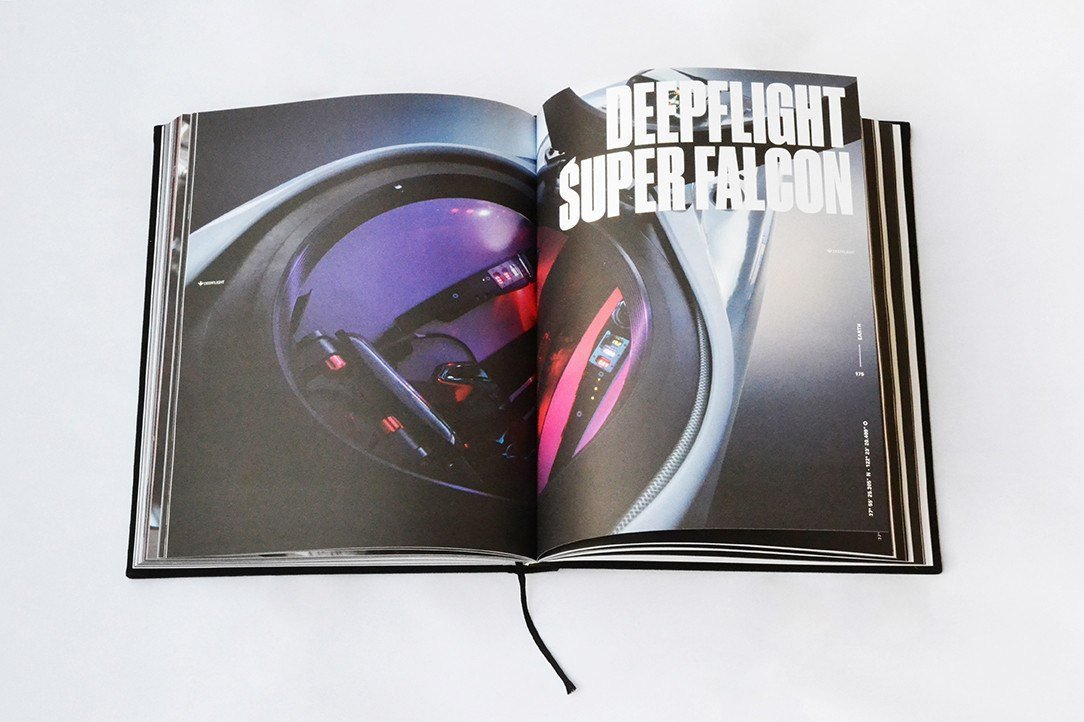
Comfort has advanced considerably. Modern cabins offer air conditioning, adjustable airflow, and refined seating for multi-hour dives. Safety, meanwhile, remains non-negotiable. Leading builders certify each hull with independent classification societies and equip every vessel with a mandatory minimum of 96 hours of life support, covering oxygen, carbon dioxide scrubbing, and emergency power. When you evaluate our Nemo submarine by U-boat worx listing, these certified systems are central to the specification.
A Market Diving Toward Rapid Growth
Who is actually buying these machines, and why now? The audience has broadened from research institutes and film studios to private owners, resort operators, and superyacht guests. The manned submersible market was valued at roughly USD 0.9 billion in 2026 and is forecast to expand at a compound annual rate near 19.6% through 2035, one of the steeper trajectories in luxury mobility.
This leisure segment sits alongside a far larger, defense-led industry that has matured the underlying engineering. The wider submarine market, including naval platforms, was estimated at about USD 13.45 billion in 2026. Private buyers now inherit decades of proven pressure-hull and life-support technology, adapted and miniaturized for recreational use. That transfer of knowledge is precisely why a compact electric submersible can be trusted at depth today.
Choosing and Acquiring the Right Craft
Consider two buyers with identical budgets. One wants to entertain guests above a reef; the other wants to film wrecks at depth. Their ideal vessels diverge across speed, depth, and capacity. Before committing, it helps to compare acquisition routes rather than only models. The table below focuses on how you source the craft, not merely which one you choose.
| Acquisition route | Early access to inventory | Curation and vetting | Geographic presence |
|---|---|---|---|
| Our luxury mobility marketplace | Yes, before public listing via Private Membership | Curated selection of ocean exploration machines | Monaco, Dubai, Doha and online |
| Direct from a single manufacturer | Limited to one catalogue | Single-brand only | Factory dependent |
| General yacht broker | Varies by relationship | Not submersible-specialized | Regional |
Beyond speed, propulsion type shapes the ownership profile. Our Jet Shark submarine first look shows how surface-to-subsurface hybrids court a different buyer than a pure deep diver. For pricing and ownership logistics, our Aurora 3C personal submarine breakdown clarifies where a realistic budget lands across capacity and depth tiers.

Final Thoughts on Underwater Speed
A fast personal submersible is no longer a fantasy reserved for navies or documentary crews. Speed near ten knots, certified safety systems, and comfortable cabins have converted the deep into an accessible destination. The right choice depends on your intended use: reef cruising, deep filming, or guest entertainment each favor a different balance of speed, depth, and capacity. Define that priority first, verify certification, and then compare vessels against it rather than chasing a single specification.
Take action with TheArsenale
If the prospect of exploring the ocean at once-impossible speeds appeals to you, the next step is access to the right inventory before it becomes public. We connect discerning owners with curated ocean exploration machines rather than leaving you to search a fragmented market alone.

As a luxury mobility marketplace, we curate fast personal submarines and related exploration craft, available in Monaco, Dubai, Doha and online. Through our Private Membership, you may access selected vehicles before they are listed publicly, and our sales team usually replies in less than 30 minutes to help you evaluate speed, depth, and ownership logistics.
Frequently Asked Questions
How fast can a personal submarine travel underwater?
The current speed leaders in the private category reach roughly nine to ten knots when submerged. That pace exceeds a swimming bottlenose dolphin and is several times faster than a conventional recreational submersible.
What makes one submersible faster than another?
Faster craft combine streamlined acrylic hulls, high-output electric thrusters, and rear hydrofoils. These fins direct thrust efficiently, allowing the vessel to bank, climb, and descend with the fluidity often described as underwater flight.
Are fast personal submarines safe?
Reputable builders certify each hull with an independent classification society and pass rigorous sea trials. Every serious vessel carries a mandatory minimum of 96 hours of life support, covering oxygen, carbon dioxide scrubbing, and emergency power.
How deep can these vessels dive?
Many fast models are certified to around 300 meters, reaching the ocean's twilight zone. Deeper craft exist, but greater depth requires a heavier pressure hull, which typically reduces speed and increases cost.
Where can I acquire a fast personal submersible?
You may buy directly from a manufacturer, through a broker, or via a specialized marketplace. Our curated collection offers Private Membership access to selected craft before public listing, with presence in Monaco, Dubai, Doha and online.