Fishing Boat With Tent: The Complete Guide for Anglers

Imagine casting a line at dawn without ever leaving the water, having slept the night on your own floating base camp. This is the promise behind the growing interest in a fishing boat with tent, a concept that merges angling with the freedom of wild camping. For a broader take on multi-use vessels, our camper pontoon boat feature explores how leisure craft are being reimagined as mobile shelters.
The appeal is not niche. Fishing remains one of the most popular outdoor pursuits in the world, and the desire to extend a trip beyond daylight hours is fueling demand for hybrid solutions. According to industry data, 57.9 million Americans went fishing in 2024, an all-time high representing 19% of the population.
What a Tent-Equipped Fishing Boat Actually Is
A tent-equipped fishing boat is any vessel or platform designed to carry both angling gear and a sheltered sleeping space. The format ranges from simple inflatable rafts with pitch points to purpose-built pontoons with rigid canopies. The unifying idea is self-sufficiency: you no longer need frequent trips back to shore.
The clearest example comes from inflatable fishing platforms. One widely covered model, the Raptor Boats "Fishing Platform XL," offers roughly 150 square feet of deck and features 15 D-rings so that a range of tents, shelters, or bivys can be pitched, letting up to four anglers spend the night on the water. Constructed from high-strength five-layer PVC, it is engineered to support well over 3,500 pounds while keeping the crew dry and sheltered from wind and rain.

Why Anglers Are Combining Fishing and Camping
Two strong currents are meeting here. On one side, fishing participation continues to climb. On the other, camping and caravanning are booming as travelers seek nature-based experiences. The overnight fishing platform sits precisely at that intersection.
The numbers behind the camping side are substantial. The global camping and caravanning market was valued at USD 66.3 billion in 2025 and is estimated at USD 71.4 billion for 2026, driven by rising participation in outdoor activities such as hiking, fishing, and camping. When two large leisure economies overlap, hybrid products naturally emerge to serve enthusiasts who refuse to choose between the two.
There is also a practical logic. Reaching prime fishing spots at first and last light is far easier when you are already on the water. A floating shelter removes the daily commute, reduces fuel use, and lets you follow the fish rather than the clock.
The Main Types of Floating Fishing Shelters
Not every solution looks the same. Choosing well means understanding the trade-offs between portability, stability, and comfort. Below are the formats most commonly available to anglers today.
- Inflatable fishing platforms: Lightweight, packable, and affordable. They offer a large flat deck with anchor points for tents, and multiple air chambers add a margin of safety against sinking.
- Pontoon and tri-toon boats: Stable, spacious, and powered. Their flat decks accept canopies or hardtop tents, making them well suited to families and longer stays.
- Modular camper craft: Purpose-built vessels that integrate a rigid or convertible shelter directly into the hull design.
- Amphibious shelters: Emerging designs that transition between land and water. Our feature on this amphibious shelter for outdoor adventures illustrates how far the category is evolving.
Pontoons deserve particular attention. The global boats market was valued at USD 36.31 billion in 2025 and is projected to grow to USD 38.67 billion in 2026, with the fishing segment accounting for a dominant share. Pontoons are especially popular among first-time buyers and multigenerational users thanks to their spacious, adaptable layout.
Key Features to Evaluate Before Buying
What separates a reliable floating camp from a weekend liability? Focus on the fundamentals that keep you safe and dry, because open water can be unpredictable.
- Buoyancy redundancy: Multiple independent air chambers or sealed compartments so that a single puncture never becomes a crisis.
- Anti-slip decking: A textured, weight-rated surface that stays secure when wet.
- Secure tent anchoring: D-rings or fixed mounts that hold a shelter firmly against wind.
- Drainage: An efficient system to shed rainwater and spray and prevent pooling.
- Load capacity: Enough rated weight for your crew, gear, and shelter combined.
- Repairability: A supplied repair kit is a mark of a serious manufacturer.
Comfort matters too, but never at the expense of these safety basics. A shelter that fails in a squall undermines the entire appeal of camping on the water.
Comparing the Common Formats
The table below compares the principal options on the criteria that matter most to overnight anglers. Ratings reflect typical characteristics rather than any single model.
| Format | Portability | Stability | Sleeping comfort | Best for |
|---|---|---|---|---|
| Inflatable platform | High | Moderate | Basic | Small crews, remote spots |
| Pontoon / tri-toon | Low | High | High | Families, long stays |
| Modular camper craft | Moderate | High | High | Frequent overnighters |
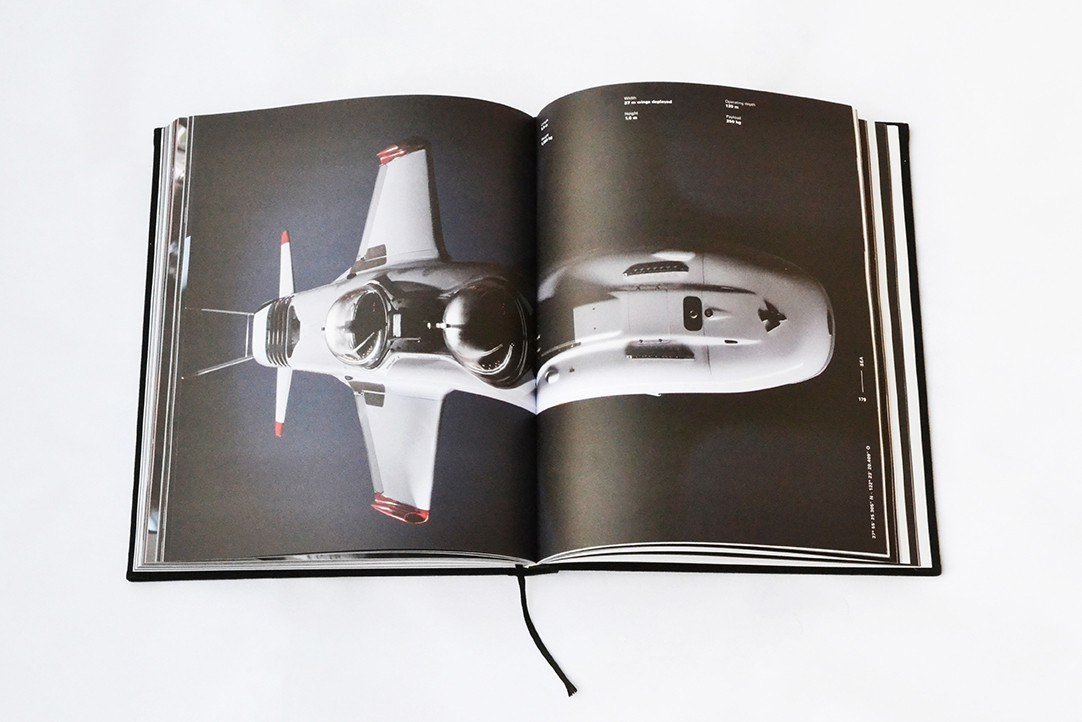
| TheArsenale curated vessels | Varies | High | High | Collectors seeking exclusive, future-ready craft |
Because we curate rather than mass-produce, our selection prioritizes design, engineering quality, and rarity. When you want a vessel that performs as a floating camp and stands apart, our curation removes the guesswork.

Who This Setup Is Really For
A floating camp is not for everyone. It rewards anglers who value time on the water above convenience, and who fish waters where the best action happens far from launch ramps. The format also appeals to a younger, experience-first audience.
That shift is visible across the sector. The recreational boating market is expected to reach USD 30.80 billion in 2026, with North American watersports participation up 15% since 2021, bringing a younger, experience-oriented cohort onto the water. Many of these consumers prefer versatile, multi-use craft over single-purpose boats, which is exactly where tent-equipped platforms fit.
If you fall into this group, the decision comes down to matching format to habit: packable platforms for the wandering solo angler, pontoons for the family that treats the boat as a weekend cabin.
Conclusion
The rise of the fishing boat fitted with a tent reflects a simple truth: anglers want more time on the water and fewer trips back to shore. With 57.9 million Americans fishing in 2024, the appetite for immersive, overnight experiences is clear, and hybrid vessels answer it directly. Choose your format around safety fundamentals first (buoyancy, decking, anchoring, drainage), then layer in comfort. Whether you favor a packable platform or a family-sized pontoon, the right craft transforms a day trip into a genuine expedition. Our curated approach connects you with exclusive, future-ready vessels that few marketplaces can match. To explore what is possible on the water, browse our boats collection and find a vessel worthy of your next adventure.
Frequently Asked Questions
Is it safe to sleep on a fishing boat with a tent?
Yes, provided the vessel is designed for it. Look for multiple independent air chambers, anti-slip decking, and secure tent anchoring. Always check weather forecasts and carry the appropriate safety equipment before an overnight trip.
What type of vessel is best for overnight fishing?
It depends on your needs. Inflatable platforms suit solo anglers reaching remote spots, while pontoons offer more stability and comfort for families. Our curated boats collection includes versatile options for anglers who want an exclusive, multi-use craft.
How many people can a fishing platform with a tent hold?
Capacity varies by model. Larger inflatable platforms can accommodate up to four anglers with a shelter pitched on deck, while pontoons often carry more. Always respect the manufacturer's rated load capacity for crew and gear combined.