Hovercraft Airboard Price: What a Personal Air Board Costs

How much does a personal hovercraft actually cost? For anyone captivated by the idea of gliding on a cushion of air, the answer begins with a memorable benchmark: the Air Board, a gasoline-powered personal hovercraft, carried a launch figure of roughly 14,000 US dollars. That number remains the reference point whenever enthusiasts discuss the hovercraft airboard price. If you enjoy unconventional personal mobility, you may also appreciate our coverage of the Honda Riding Assist price and other self-balancing machines.
Understanding this price requires context. A personal air board is a niche recreational vehicle, and its cost reflects small production runs, specialised engineering, and limited practical range. The broader hovercraft sector remains modest in size: the global market was valued at roughly 170.52 million US dollars in 2025, according to Fortune Business Insights, which underlines why personal models command premium pricing.
What the Air Board Actually Cost
The original Air Board established the pricing conversation. It was a gasoline-powered personal hovercraft that rode on a thin cushion of air and reached a top speed of about 15 miles per hour. Contemporary retail listings placed it at approximately 14,000 US dollars, a figure widely repeated across product features and design coverage of the era.
For that price, the buyer received a specific set of capabilities and clear limitations. The board could operate over concrete, asphalt, grass, or shallow wet areas, yet it could not hover across open water, sand, or loose dirt. A fuel capacity of roughly 1.3 gallons supported around one hour of riding time. In short, the cost of a personal hovercraft reflected novelty and engineering rather than everyday utility.

Why Personal Hovercraft Prices Stay High
Why does an air-cushion board cost as much as a compact car? The answer lies in economics of scale. Personal hovercraft are produced in very small volumes, so manufacturers cannot spread engineering and tooling costs across large runs. Each unit therefore carries a heavier share of fixed expenses.
Industry analysts consistently flag affordability as a barrier. High initial capital investment and ongoing operating costs continue to deter potential buyers, according to Research and Markets, which notes that this economic challenge limits wider adoption. For personal models, the same forces apply in concentrated form, keeping the price of a personal air board firmly in the premium bracket.
- Low production volume: limited units mean higher per-unit cost.
- Specialised propulsion: lift and thrust systems add engineering complexity.
- Materials: aluminium frames, fiberglass shells, and durable skirts raise costs.
- Niche demand: a small buyer base offers little pricing pressure.
The Recreational Hovercraft Market in 2026
Personal air boards sit within the recreational hovercraft segment, a small but steady category. The global recreational hovercraft market was projected at 44.8 million US dollars in 2026, according to Market Reports World, with growth forecast at a compound annual rate of around 3.0 percent through 2035.
Ownership patterns help explain pricing. Private buyers dominate the recreational segment, and gasoline-powered units still represent the majority of operational craft in the United States due to ease of use and fuel availability. Demand concentrates in coastal and water-abundant regions, where the multi-surface appeal of an air-cushion vehicle carries the most value. For collectors of unusual personal machines, our Ryno Cycle one-wheeled electric microcycle feature explores a comparable niche in curated mobility.
Price Comparison: Air Board and Alternatives
How does the air board compare with adjacent personal mobility options? The table below places the historical Air Board figure alongside broader hovercraft context and curated alternatives available through our marketplace. Figures are indicative and drawn from published references.
| Option | Type | Indicative Price | Best For |
|---|---|---|---|
| Air Board (historical) | Gasoline personal hovercraft | ~14,000 USD | Novelty air-cushion riding |
| Entry recreational hovercraft | Multi-seat air-cushion craft | Varies by builder | Water and land recreation |
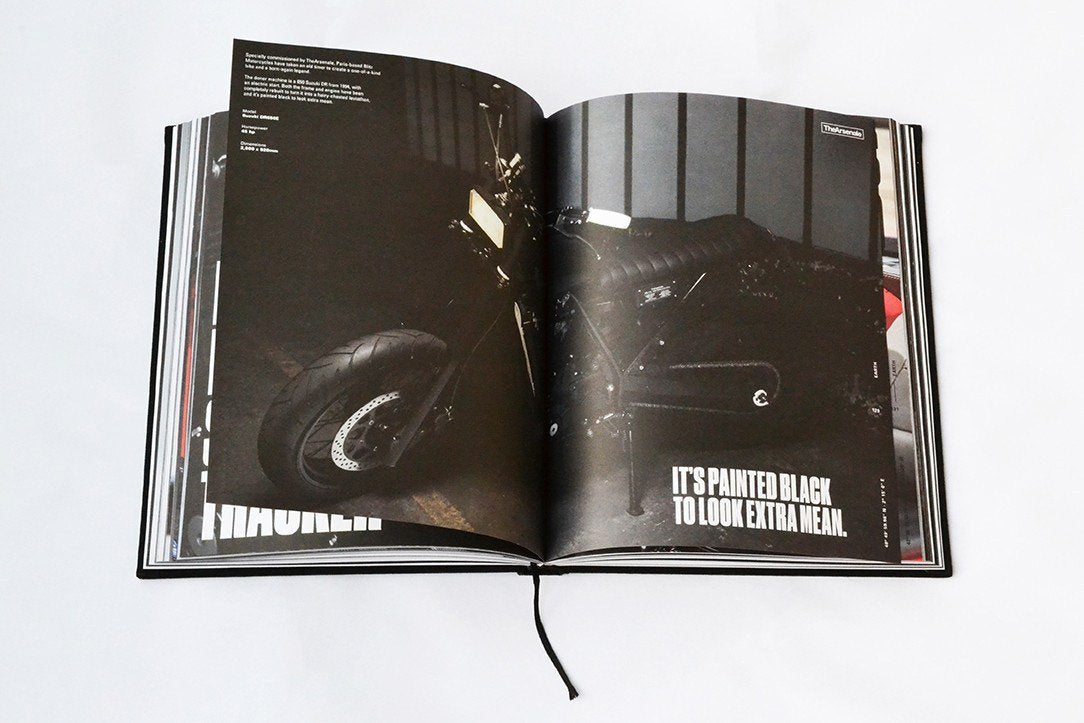
| TheArsenale curated machines | Exclusive future-mobility vehicles | Contact sales | Collectors seeking early access |
Where a standard air board offers limited terrain flexibility, our curated marketplace focuses on rare and forward-looking machines. If your interest leans toward electric personal transport, our Cycleagle off-road electric skateboard review offers a grounded comparison point at a different price tier.
How the Broader Market Shapes Future Pricing
Will personal hovercraft become more affordable? The trajectory of the wider market offers clues. The hovercraft market was worth about 241.74 million US dollars in 2026, according to Mordor Intelligence, which reports that fully electric configurations are gaining traction as battery energy density surpasses 300 watt-hours per kilogram.
Electric propulsion could reshape personal pricing over time. Mordor Intelligence notes that fully electric models are the fastest-growing propulsion category. As technology matures, costs are expected to fall through mass production and design improvements. Even so, near-term sales remain modest: total hovercraft sales were estimated at 238.76 million US dollars in 2026, according to Future Market Insights, so personal models will likely stay premium for the foreseeable future.

Is a Personal Hovercraft Worth the Investment?
Consider a practical scenario. You want a genuinely novel weekend machine, you live near flat open terrain, and you accept limited range. In that case, a personal air board delivers a rare experience that few other vehicles match. The value is experiential rather than utilitarian.
For buyers seeking versatility, however, the calculation shifts. A gasoline personal board that cannot cross water or sand offers narrower use than a full recreational hovercraft. Weigh the air-cushion board cost against how often you would realistically ride, and be honest about maintenance and fuel commitments before you commit.
Conclusion
The headline remains steady: the hovercraft air board price anchors around the 14,000 US dollar mark established by the original model, and small production volumes keep personal air-cushion vehicles firmly premium. With the broader market worth roughly 241.74 million US dollars in 2026 and electric propulsion advancing, gradual price relief may arrive, though not overnight. Before buying, match the machine to your terrain, your budget, and your appetite for novelty. For collectors who want access to rare and forward-looking mobility rather than mass-market compromises, our curated marketplace connects you with exclusive machines and early listings. To continue your research, explore our guide to the Price of the Honda self-balancing bike.
Frequently Asked Questions
How much does a personal hovercraft air board cost?
The original Air Board launched at approximately 14,000 US dollars. Personal air-cushion boards remain premium because they are produced in very small volumes, which keeps per-unit costs high.
Can a personal air board travel over water?
The classic Air Board could operate over concrete, asphalt, grass, and shallow wet areas, but not open water, sand, or loose dirt. Full recreational hovercraft offer wider terrain flexibility.
Where can I find rare personal mobility machines?
Our marketplace curates exclusive and future-focused mobility vehicles, and our private membership offers access to select listings before they appear publicly. You may contact our sales team to discuss availability.