How Deep Can a Personal Submarine Go? Depth Limits Explained

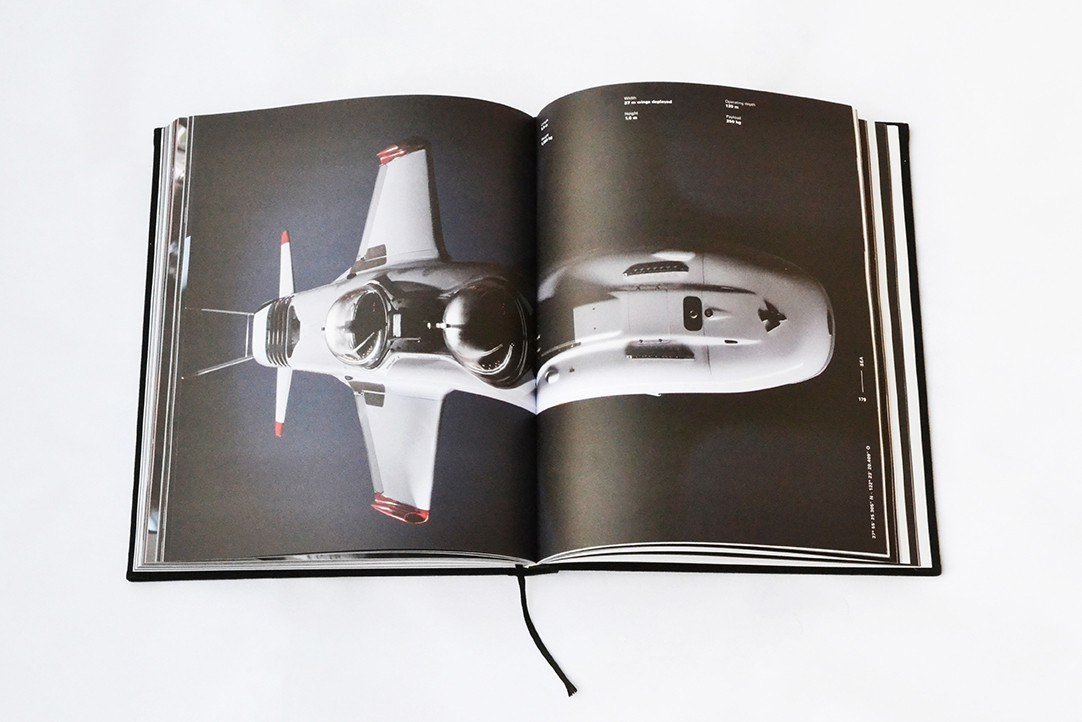
The deepest crewed dive on record touched 10,928 meters at the bottom of the Mariana Trench, yet the vessel that carried it there was a privately built submersible, not a warship. That single fact reframes an entire question for prospective owners. If you have ever asked yourself how deep a private submersible can realistically travel, the honest answer spans two orders of magnitude. Before you compare models, it helps to see what separates a reef cruiser from a hadal explorer, and our U-boat Worx C-Researcher personal submarine coverage illustrates that range in practice.
Depth is the headline specification, but it is also the most misunderstood. A weekend of diving over coral rarely requires more than a few hundred meters, whereas scientific work in the deep ocean demands certified engineering. According to the Five Deeps Expedition, that record descent proved repeated dives to any depth were finally achievable with third-party accreditation.
Understanding personal submarine depth ranges
When buyers ask exactly how deep can a personal submarine go, they are usually weighing three distinct tiers of capability. The first tier is recreational. These personal submarines typically dive to between 100 and 500 meters, which is more than enough for coral gardens, kelp forests, and the majority of accessible shipwrecks.
The second tier is professional and expeditionary, reaching 1,000 to roughly 2,300 meters. The third tier is ultra-deep, where a very small number of certified craft descend to full ocean depth. Understanding which tier suits your ambitions is the single most important decision before you consider price, capacity, or interior finish.
The ocean zones a personal submersible can reach

Depth ratings translate directly into the marine environments you can explore. A 300 meter rating keeps you within the upper reaches of the water column, where sunlight fades but structure remains visible. Push toward 1,000 meters and you enter the twilight and midnight zones, home to bioluminescent life rarely witnessed by human eyes.
The most extreme frontier is the hadal zone. As NOAA Ocean Exploration explains, this region extends from 6,000 to 11,000 meters and consists largely of isolated trenches. It represents one of the least documented environments on the planet, and only certified craft may enter it. For most owners, this zone remains aspirational rather than practical, yet it defines the outer boundary of what is technically possible.
What limits how deep you can dive
Consider a simple thought experiment. Every ten meters of descent adds roughly one atmosphere of pressure, so at 1,000 meters a hull withstands forces that would crush most surface vessels instantly. The engineering answer to this problem is the pressure hull, and it is the true governor of dive depth.
Recreational models often use an acrylic pressure hull, prized for its panoramic clarity but limited in how much pressure it tolerates. Deeper craft switch to thick titanium spheres that distribute stress evenly. According to research published in the ICES Journal of Marine Science, the reliance on a small number of capable submersibles has long constrained systematic study of the deepest trenches. In short, the certified depth rating printed on a specification sheet reflects material science, not marketing ambition. If your interest is comparing how these ratings play out in a compact craft, our Aurora 3C personal submarine—how deep can it go? guide addresses that question directly.
From leisure depths to full ocean depth records
The gap between a leisure dive and a record attempt is enormous. Where a family cruiser explores a reef at 200 meters, expedition vessels have carried crews to the deepest point in every ocean basin. As Canadian Geographic reported, one certified craft launched in 2018 completed its historic dives to the hadal zone and was expected to log thousands more over its lifetime.
These ultra-deep submersibles are not scaled-up leisure craft. They are purpose-built instruments carrying one to three occupants, engineered for repeated descents rather than comfort alone. For the vast majority of private owners, however, the meaningful conversation sits far shallower, where recreational submersibles deliver spectacular experiences without hadal-grade engineering.
Comparing depth classes at a glance
The table below organizes the market by capability so you can match a class to your intended use. Note that access matters as much as specification: sourcing a certified craft is often the harder challenge.
| Class | Typical depth range | Best suited for |
|---|---|---|
| Recreational | 100–500 m | Reefs, shallow wrecks, leisure dives |
| Professional | 500–2,300 m | Research, filming, adventure tourism |
| Ultra-deep | 2,300–11,000 m | Hadal exploration, record expeditions |
| Our curated marketplace | Models across every class | Buyers seeking verified craft and early access |
Because we curate vessels spanning each of these tiers, matching a depth goal to an available craft becomes far simpler than searching the open market alone.
Choosing a personal submarine for your depth goals

Start with the environments you genuinely intend to visit, not the deepest number available. A 500 meter rating already unlocks the overwhelming majority of dive sites worth exploring, and it keeps launch, recovery, and maintenance manageable from a yacht tender garage.
If your ambitions run deeper, prioritize certification and after-sales support over raw specifications. For buyers who prefer a compact, ready-to-explore option, our Nemo submarine (product) shows how accessible entry into private diving has become. The right choice balances depth capability against practicality, budget, and the reality of how you will actually use the vessel.
Final thoughts on private diving depth
Ultimately, the answer to how deep a personal submarine can go depends entirely on your intent. Recreational owners will find that 300 to 500 meters satisfies nearly every ambition, while a rare few will pursue the certified engineering required for the deep ocean. Define the environment first, verify the certification second, and let the depth rating follow your goals rather than dictate them. That discipline turns a dramatic specification into a practical, rewarding acquisition.
Take action with TheArsenale
Deciding on a depth class is only the beginning; finding a verified, well-documented craft is where most buyers stall. We simplify that search by curating high-end ocean exploration machines and connecting you with the models that match your ambitions.

Through our marketplace and Private Membership, you gain access to vehicles before they are listed publicly, alongside a team that typically replies in under thirty minutes. Explore our curated personal submarines to review current availability and take the next step toward diving with confidence.
Frequently Asked Questions
How deep can most recreational personal submarines dive?
Most recreational personal submarines are rated between 100 and 500 meters. This range comfortably covers coral reefs, kelp forests, and the majority of accessible shipwrecks, which is why it satisfies the vast majority of private owners.
What is the deepest a private submersible has ever gone?
A privately built, certified submersible reached 10,928 meters at the bottom of the Mariana Trench. This is considered full ocean depth, the deepest point in any ocean, and it required specialized titanium engineering and third-party accreditation.
Why can some submarines dive deeper than others?
The limiting factor is the pressure hull and its certified depth rating. Acrylic hulls offer panoramic views but tolerate less pressure, while thick titanium spheres distribute extreme stress evenly and permit far deeper descents.
Do I need a full ocean depth submarine for leisure diving?
No, leisure diving very rarely requires more than a few hundred meters. Our curated recreational models deliver spectacular reef and wreck experiences while remaining practical to launch, recover, and maintain from a yacht.
What ocean zone can a 1,000 meter submarine explore?
A 1,000 meter rating reaches the twilight and midnight zones, where sunlight disappears entirely. These depths reveal bioluminescent marine life that few people ever witness, making them a popular target for professional and expeditionary craft.