How Much Does a Flying Car Cost in 2026? Full Price Guide
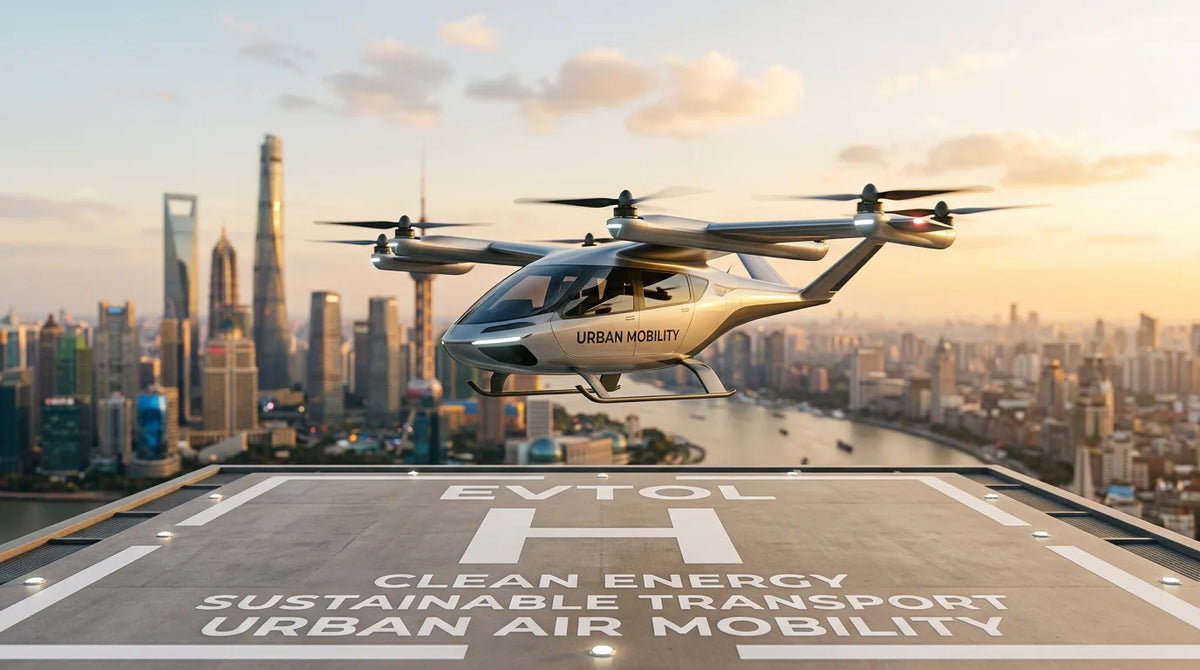
Personal flight has left the concept video and entered the price list. A single-seat electric aircraft can now be reserved for about $190,000, with delivery in under a year. If you have ever asked how much a flying car costs, the honest answer is that the range is wide and the extras are substantial. For a grounded view of what is genuinely purchasable today, our guide on how much a flying car costs and what’s real is a useful starting point.
The market splits into two families: lightweight recreational eVTOLs and street-legal machines that both drive and fly. Prices differ sharply between them, and so do the licences, the training, and the running costs. Understanding those layers matters before any deposit is placed.
What a flying car actually costs to buy in 2026
So, how much does a flying car cost when you move past the headlines? At the accessible end, single-seat ultralight eVTOLs are the least expensive option. According to Fox News, the Pivotal Helix starts at $190,000, with an optional transport trailer at $21,000 and a charger at $1,100, and a $50,000 deposit to reserve one.
Dual-mode vehicles that transition between road and air sit higher. These street-legal flying cars typically start around $300,000 and can climb well beyond $1 million for premium designs. The gap reflects added complexity: certification for two environments, heavier structures, and far smaller production runs.

Comparing today's flying car models and prices
Several manufacturers have opened reservations, though most have not begun mass delivery. Pricing, range, and format vary considerably, which makes a direct comparison helpful. The figures below draw on manufacturer quotes compiled by aviation media, alongside modular options we track in our own collection.
| Model | Type | Starting price | Format |
| XPeng AeroHT (our collection) | Modular road + eVTOL | Under $280,000 | Two-seat detachable aircraft |
| Doroni H1 | eVTOL | $130,000 to $150,000 | Two-seat |
| Samson Switchblade | Road + air | $170,000 | Two-seat |
| Pivotal Helix | Ultralight eVTOL | $190,000 | Single-seat |
| Alef Model A | Road + eVTOL | $300,000 | Two-seat |
| PAL-V Liberty | Gyroplane | $322,000 | Two-seat |
According to Simple Flying, entry-level flying cars now begin as low as around $130,000, though ranges and capabilities differ widely between models. For buyers weighing a modular approach that pairs a ground vehicle with a detachable aircraft, our overview of Modular flying cars and future pricing explains how this design could reshape both cost and practicality.
The hidden costs beyond the sticker price
The purchase price is only the beginning. Owning an aircraft carries recurring expenses that a conventional car never does. These figures often surprise first-time buyers more than the initial cost itself.
According to Yahoo Finance, pilot licensing and training can run around $35,000, insurance approximately $17,000 per year, and storage roughly $13,000 annually, pushing total operating costs past $30,000 each year. Fuel or charging costs vary with usage, but the fixed overhead alone rivals the annual payments on many luxury cars.
- Training and licensing: a significant upfront investment for street-legal or heavier aircraft.
- Insurance: among the largest recurring costs of ownership.
- Storage and hangar space: specialised facilities rather than a standard garage.
- Maintenance and inspections: uncertain but expected to include battery replacement and dual certification.
Why a pilot's licence is not always required
One assumption deserves correction: not every flying car demands a full pilot's licence. In the United States, certain single-seat ultralight eVTOLs fall under the FAA Part 103 category, the same regulatory class as a hang glider. That distinction removes the licence requirement, though it comes with strict operating limits.
The Pivotal Helix illustrates the trade-off. It requires no licence, yet buyers must complete a structured training course before flying, and operation is restricted to uncontrolled airspace away from congested areas. By contrast, road-and-air vehicles such as the Samson Switchblade require both a driving licence on the ground and a flying licence in the air. Our AeroMobil flying car overview shows how dual-mode designs balance these regulatory demands.

Buying your own eVTOL versus paying for air taxi rides
Ownership is not the only route into the sky. A parallel market is forming around on-demand air taxi services, where you pay per trip rather than per aircraft. For most people, this will remain the more realistic entry point for years.
According to Air Taxi Central, single-seat eVTOL ride pricing is estimated at roughly $100 to $300 per trip in 2026, with projections suggesting fares could fall toward $30 to $100 by 2035 as networks scale. Owning your own personal eVTOL aircraft makes sense for enthusiasts and collectors, while ride-hailing suits occasional short-hop travel without the overhead of maintenance, storage, and insurance.
Where flying car prices are heading
Will these prices fall? History suggests yes, though slowly. Early adopters always pay a premium, and flying cars are no exception. As production scales and battery technology matures, several analysts expect a gradual descent, mirroring the path electric cars took before reaching the mainstream.
Some projections place a future entry point in the $150,000 to $250,000 band once manufacturing volumes rise, but that outcome remains years away. The modular concept, pairing a ground vehicle with a detachable aircraft, points toward one plausible route to greater value. Watching how these designs are priced today offers the clearest signal of what tomorrow's flying cars may cost.
The bottom line on flying car prices
Understanding how much a flying car costs means looking past the sticker price. In 2026, real machines range from roughly $130,000 for single-seat eVTOLs to well over $1 million for premium dual-mode designs, with training, insurance, and storage adding tens of thousands each year. Before committing, decide whether you want a recreational ultralight, a street-legal commuter, or simply occasional air taxi access. Match the category to your budget and your intended use, and treat every quoted price as the start of the calculation rather than the end.
Take action with TheArsenale
If the numbers have sharpened your interest rather than cooled it, the next step is seeing what is genuinely available to order. You want clarity on price, format, and delivery, without the guesswork that surrounds much of this emerging market.

We curate high-end mobility for buyers who value early access and honest specifications. Explore the flying car options from XPeng AeroHT, including the modular Land Aircraft Carrier slated for a 2026 launch at no more than $280,000. As a luxury mobility marketplace with Private Membership, we help you access sought-after vehicles before they are listed publicly, with a sales team that typically replies in under 30 minutes.
Frequently Asked Questions
What is the cheapest flying car available in 2026?
The most affordable certified models begin around $130,000, such as the Doroni H1 eVTOL. Single-seat ultralight aircraft and newer entrants have pushed some prices lower, though ranges and capabilities are modest at that level.
Do you need a pilot's licence to fly a flying car?
It depends on the aircraft. In the United States, single-seat ultralight eVTOLs under FAA Part 103 require no licence, only training, while heavier and street-legal vehicles require a sport pilot licence or equivalent.
How much does it cost to run a flying car each year?
Annual operating costs commonly exceed $30,000. This includes insurance of roughly $17,000, storage near $13,000, and additional charging, maintenance, and inspection expenses that vary with how often you fly.
Are flying cars legal to drive and fly today?
Some are, within limits. Certain ultralight eVTOLs are legal to fly in uncontrolled airspace, and a few dual-mode vehicles are street-legal, though rules differ by country and often restrict where and when you may operate.
Does TheArsenale sell flying cars?
Yes. We curate high-end mobility, including modular flying car options such as XPeng AeroHT, and our Private Membership offers access to select vehicles before they are listed publicly. Our sales team can advise on pricing and availability.