Can You Buy a Flying Car Today ? What’s Real, What’s Legal, and What’s Available

For decades, flying cars belonged to science fiction, but in 2025 they are real machines you can put a deposit on. The honest answer to "can you buy a flying car today" is yes, with one important nuance: the credible options are certified or near certified aircraft, not road cars that magically lift off. This guide explains what flying cars actually are right now, whether owning one is legal, what they cost, and where serious buyers acquire them.
Do flying cars really exist today?
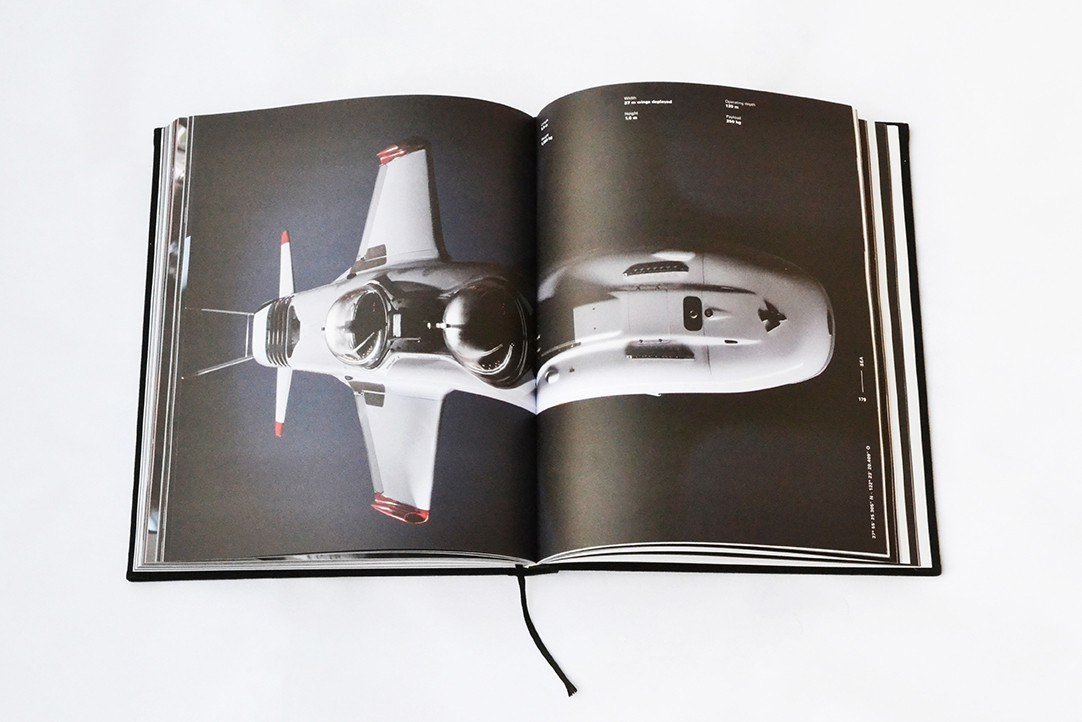
Yes. Flying cars exist, but the accurate term is personal flying vehicles or eVTOL aircraft (electric vertical takeoff and landing). Rather than road cars that suddenly take flight, today's machines are aviation grade vehicles designed for private or semi private use, engineered with certified or certifiable flight systems, and intended to operate from controlled environments. They are real, operational vehicles, closer to private aircraft than to consumer automobiles. A handful, like the Slovak Klein Vision AirCar, have already received an official Certificate of Airworthiness from a national aviation authority.
- aviation grade machines,
- designed for private or semi private use,
- engineered with certified or certifiable flight systems,
- and intended to operate from controlled environments.

What exactly is a flying car in 2025?
In practical terms, flying vehicles today fall into three main categories. Each one answers the "flying cars for sale" question differently, depending on how close it is to delivery.
- eVTOL aircraft. Electric vertical takeoff vehicles designed for short range flight, private mobility, or future urban transport. The Ehang AAV autonomous passenger drone is a clear example of this category reaching customers.
- Hybrid flying vehicles. Machines capable of operating on the ground and in the air, usually requiring specialized infrastructure and regulatory approval. China's XPeng AeroHT modular flying car is the most advanced example, targeting delivery for under 280,000 dollars.
- Experimental personal aircraft. Limited production flying machines built for private owners, early adopters, and collectors.
What they all share is a common reality: flying vehicles are not mass market products. They are advanced mobility machines designed for a qualified, forward thinking audience.

Is it legal to own a flying car?
Yes, private ownership of flying vehicles is legal in many jurisdictions. However, flying vehicles are regulated as aircraft, not as cars. This means pilot training is required, aviation regulations apply, and operations are subject to national airspace authorities. Ownership is legal, operation is regulated.
- pilot training is required,
- aviation regulations apply,
- and operations are subject to national airspace authorities.
As with private jets or helicopters, legality depends on certification status, registration country, and compliance with aviation standards. Amphibious light sport aircraft such as the Icon A5 show how a flight ready machine can be owned and flown legally once the pilot holds the right rating.
Who actually buys flying vehicles?
Buyers are not casual consumers. They typically include high net worth individuals exploring next generation mobility, aviation enthusiasts and early adopters, collectors of rare and experimental machines, and private operators preparing for future transport models.
- high net worth individuals exploring next generation mobility,
- aviation enthusiasts and early adopters,
- collectors of rare and experimental machines,
- private operators preparing for future transport models.
For many owners, a flying vehicle is not just transportation, it is a technological statement and a long term positioning choice.
What does a flying car cost?
There is no single price point. Most flying vehicles today range from several hundred thousand dollars for experimental or early stage aircraft, to several million dollars for advanced, near certified machines. For context, the Klein Vision AirCar is expected to sell between roughly 800,000 and 1.2 million dollars, while the XPeng AeroHT modular system targets under 280,000 dollars.
- certification level,
- range and performance,
- production scale,
- training, maintenance, and operational support.
In practice, flying vehicles align more closely with private aviation ownership than with luxury automotive pricing, as specialist outlet New Atlas details in its coverage of upcoming production timelines.
Where can you buy a flying car today?
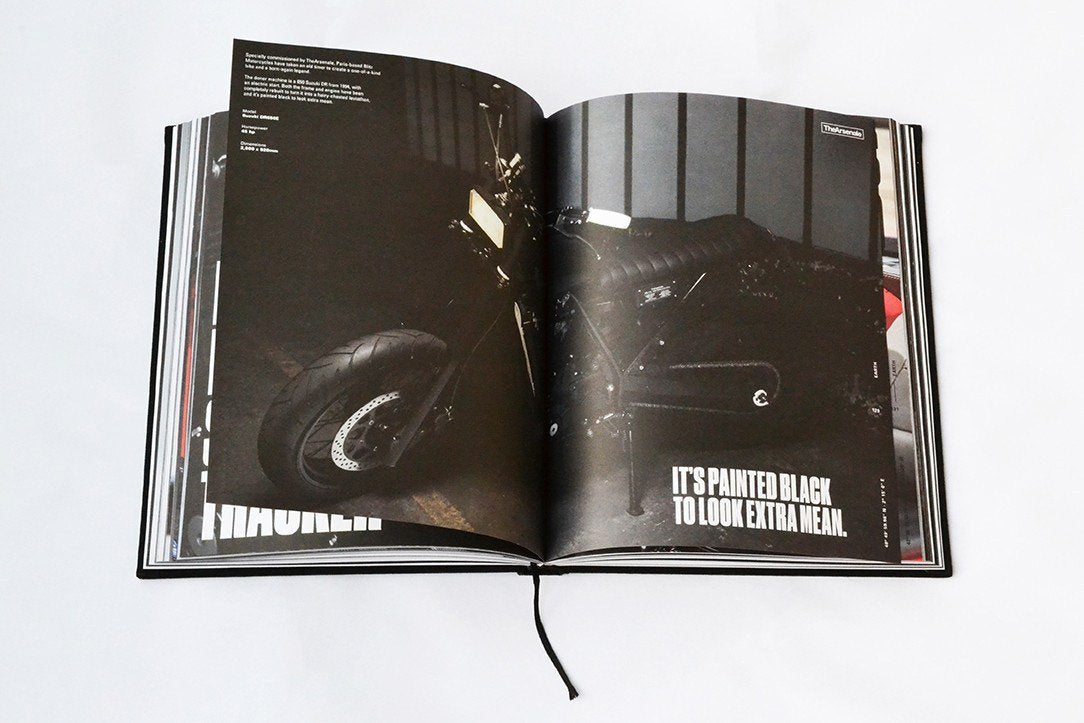
This is where credibility becomes critical. The flying vehicle space is crowded with ambitious concepts, speculative announcements, and companies that may never deliver a functional aircraft. TheArsenale curates only machines that are real, engineered, and available within a credible acquisition framework. Rather than acting as a conventional retailer, TheArsenale identifies serious manufacturers, validates technical readiness, and connects qualified buyers with future ready mobility machines. You can browse the curated selection in the Air collection of flying cars, eVTOL and ultralight aircraft.
Flying vehicles curated by TheArsenale are positioned as real ownership opportunities, not marketing promises.
Why TheArsenale is positioned to lead future mobility
TheArsenale operates at the intersection of mobility, design, engineering, and ownership. Its role is not to sell fantasies, but to filter reality from hype. In the flying vehicle category, this means realistic timelines, transparent acquisition processes, and alignment with aviation regulations. As personal flight moves closer to everyday reality, curation becomes more valuable than speculation.

Conclusion: are flying cars real, and can you own one?
Flying cars are no longer science fiction. They exist, but they exist as aircraft, not toys. Ownership is possible, operation is regulated, and access requires expertise. For those ready to explore the future of personal flight, the Insky Linx personal aircraft is one credible gateway into one of the most transformative mobility categories of our time. Explore it alongside the full Air collection to find the machine that matches your ambitions.