How Much Does an Electric Motorcycle Cost? 2026 Guide

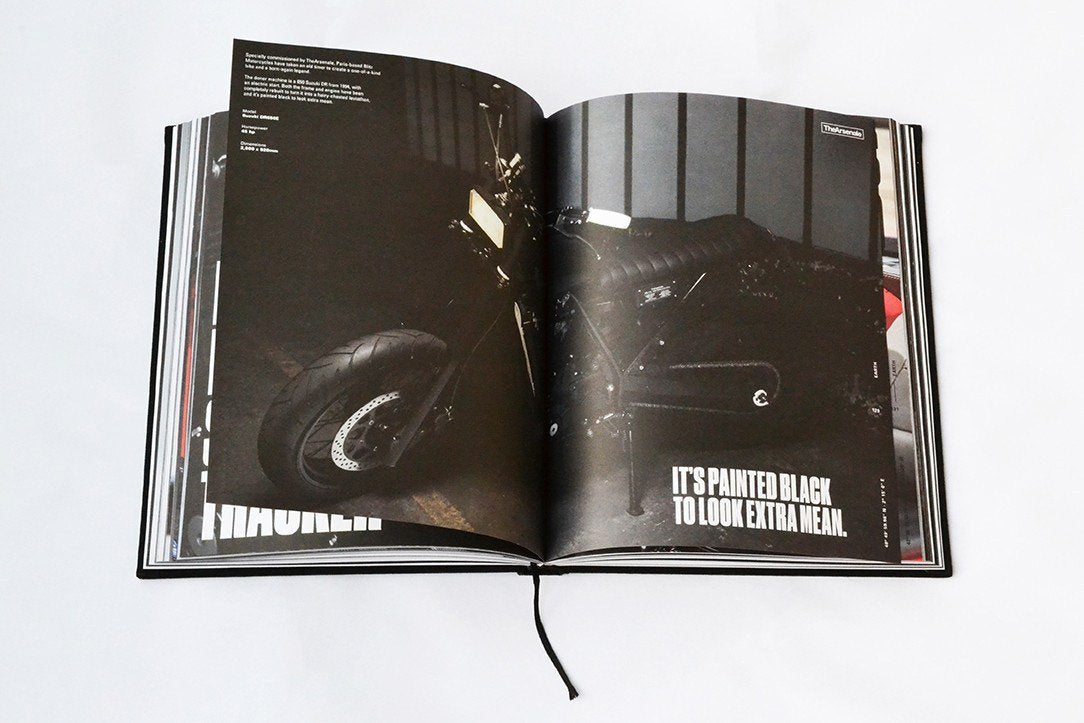
A budget-friendly city commuter can be purchased for under $3,000, yet a flagship performance machine can exceed $30,000. That gap of tenfold or more is why the price of an electric motorcycle confuses so many first-time buyers. Specifications, battery size, and brand prestige each pull the figure in a different direction. For a sense of the premium end of the spectrum, our Smart Electric Drive Blackout electric motorcycle illustrates how design and engineering shape the final ticket.
The category is also expanding at remarkable speed, which keeps pricing in constant motion. According to Global Market Insights, the global electric motorcycle and scooter market was valued at USD 37.2 billion in 2025 and is projected to reach USD 40.8 billion in 2026. Rising volumes push some prices down while new premium entrants raise the ceiling, so understanding the drivers matters more than memorizing a single number.
What Determines the Price of an Electric Motorcycle
The honest answer to the question of how much does an electric motorcycle cost begins with the components hidden beneath the bodywork. The battery pack is the single most expensive element, and its capacity, measured in kilowatt-hours, correlates directly with both range and price. A small 4 kWh commuter battery costs a fraction of a 20 kWh touring pack.
Beyond the battery, several factors move the figure up or down:
- Motor power and cooling: liquid-cooled, highway-capable motors add cost over simple air-cooled hub units.
- Top speed and range: highway certification and long range require larger, pricier hardware.
- Build quality and materials: aluminum frames, premium suspension, and ABS raise the base price.
- Brand and exclusivity: collectible and limited-run machines command a significant premium.
Raw material costs also feed into the sticker. Higher prices for aluminum and lithium have pushed up production expenses across the two-wheeler industry in 2026, which affects electric models in particular.

Electric Motorcycle Price Ranges in 2026
To make the numbers practical, it helps to sort the market into clear price ranges. Each band corresponds to a different rider profile, from urban commuters to highway riders and collectors. The table below maps typical 2026 figures against real use cases.
| Category | Typical 2026 Price | Best For |
|---|---|---|
| Budget urban commuter | Under $3,000 | Short city trips and first-time riders |
| Mainstream commuter | $5,000 to $8,000 | Daily commuting with occasional highway use |
| Highway-capable mid-range | $8,000 to $15,000 | Full commuting and weekend riding |
| Premium performance | $20,000 to $30,000+ | Enthusiasts seeking speed and range |
| TheArsenale curated collection | From under $3,000 to bespoke | Value seekers and collectors alike |
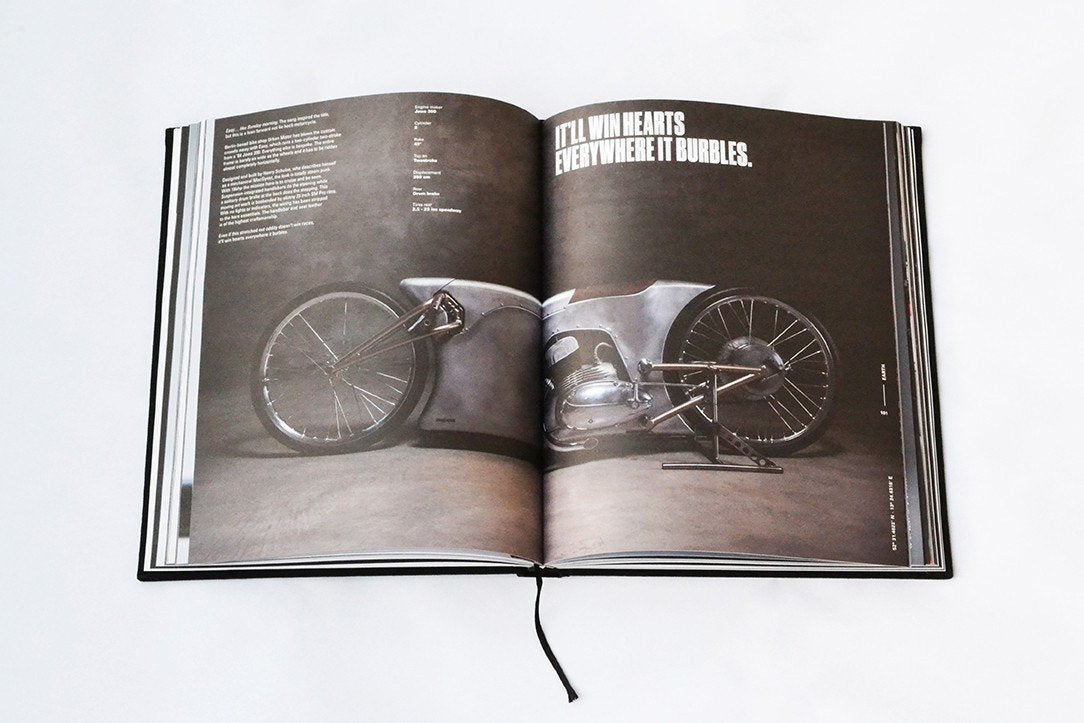
Value at the accessible end is real. Our feature on The Roadster e-motorcycle priced under $3,000 shows how far the entry tier has come, pairing an approachable price with genuine performance. At the opposite extreme, purpose-built racers such as our AIS X The Arsenale E-Racer occupy the collectible tier where price reflects engineering and rarity rather than commuting utility.
Why Electric Motorcycles Cost More Than Gas Bikes
Comparing an electric machine to a combustion equivalent explains much of the sticker shock. Electric motorcycles usually carry a premium of a few thousand dollars over comparable gas bikes, driven almost entirely by battery cost. For context on the wider two-wheeler market, the volume-weighted average price for US motorcycles in 2025 was approximately $11,980, according to Statista data cited by industry observers.
That premium, however, tells only half the story. The upfront purchase price is offset over time by lower running costs. Electricity is cheaper per mile than gasoline, and electric drivetrains require no oil changes, no exhaust servicing, and minimal chain maintenance. Fewer moving parts translate into fewer repair bills across the ownership period.
Buyers on a tighter budget should also weigh incentives. Regional rebates and manufacturer promotions can shave thousands off the final figure, so the advertised MSRP rarely reflects what a well-informed buyer actually pays.

The Total Cost of Ownership Beyond the Sticker
Focusing only on the showroom figure is a common mistake. The total cost of ownership spreads across several years and includes energy, maintenance, insurance, and eventual battery care. When these are added together, a pricier electric motorcycle can prove cheaper to run than a modest gas bike over five to ten years.
Battery longevity is central to this calculation. Modern packs are engineered for many years of service, and manufacturers increasingly back them with multi-year warranties that protect the buyer against premature degradation. A battery warranty of five years is now common on serious machines, which reduces the largest ownership risk.
Charging convenience matters too. Home charging at off-peak rates keeps energy costs low, while removable batteries on smaller models let riders charge indoors without a garage. These practical details rarely appear on a price tag, yet they shape the real financial picture more than the initial outlay.
Where Electric Motorcycle Prices Are Heading
The direction of travel favors buyers. As production scales, unit costs tend to fall, and rising competition widens the choice at every price point. Fortune Business Insights values the global electric motorcycle market at USD 64.97 billion in 2026, projected to climb sharply through the following decade, a sign of intense investment across the segment.
Volume growth reinforces the trend. Industry registration data from MotorCyclesData recorded 9.8 million global electric two-wheeler registrations in 2025, with strong momentum continuing into 2026. Greater scale generally means more affordable entry models alongside a maturing premium tier, so the spread of available prices is likely to widen rather than narrow.
For the buyer, the takeaway is straightforward. Whether the goal is an economical commuter or a collectible showpiece, 2026 offers more choice, more competition, and clearer value than ever before.
Making Sense of the Price
Ultimately, the cost of an electric motorcycle is best judged against how you intend to ride. Match battery capacity and top speed to your real routes, then compare the total cost of ownership rather than the headline figure alone. A sub-$3,000 commuter and a $30,000 performance machine can each represent excellent value for the right rider. Confirm current incentives, weigh energy and maintenance savings over several years, and let genuine need, not sticker price, guide the decision.
Take action with TheArsenale
Choosing the right machine is far easier when the options are curated rather than scattered across dozens of dealer sites. Whether you are drawn to an accessible commuter or a rare collectible built for performance, the value of an informed, edited selection is that it saves you time and sharpens your decision.

We bring together high-end and accessible machines in one place, with Private Membership access to vehicles before they are listed publicly and free shipping on featured items. Explore our electric motorcycle collection to compare curated models across every price tier and find the ride that fits your routes and ambitions.
Frequently Asked Questions
What is the cheapest electric motorcycle available in 2026?
Entry-level urban commuters can be found for under $3,000 in 2026. These models prioritize short city trips over highway speed, using smaller batteries and simpler components. They suit first-time riders who value low running costs above range.
Are electric motorcycles more expensive than gas motorcycles?
Upfront, electric motorcycles usually carry a premium of a few thousand dollars, driven mainly by battery cost. However, lower energy and maintenance expenses narrow that gap over several years. For many riders, the total cost of ownership becomes competitive within the ownership period.
How much does the battery add to the price?
The battery pack is the single most expensive component, and its capacity in kilowatt-hours correlates directly with price. A small commuter battery costs a fraction of a large touring pack. This is why range and price rise together on nearly every model.
Can I find a premium electric motorcycle through TheArsenale?
Yes. Our curated electric collection spans accessible commuters to rare, collectible performance machines. Private Membership can also grant access to vehicles before they are listed publicly, which suits buyers seeking exclusive models.
Do incentives reduce the cost of an electric motorcycle?
Regional rebates and manufacturer promotions can lower the final figure by thousands of dollars. Availability varies by location and changes frequently. It is wise to confirm current offers before comparing advertised prices between models.