How to Buy an Electric Bike: A Complete Buyer's Guide
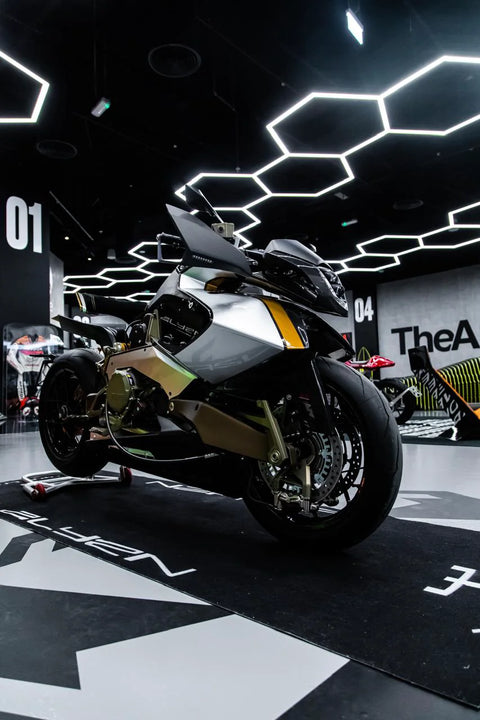
The market speaks clearly: electric bikes are no longer a novelty but a mainstream mode of transport. Knowing how to buy an electric bike that genuinely suits your life, however, requires more than admiring a frame or reacting to a discount. The decision touches motor power, battery certification, riding class, and long-term service. For riders who value engineering as much as design, our ubco 2x2 e-bike illustrates how purposeful a two-wheeled machine can be.
Consider the scale of the shift. The global e-bike market is projected to grow from USD 65.80 billion in 2026 toward far larger figures over the following decade, according to Fortune Business Insights. That momentum has flooded the market with choice, which is precisely why a structured approach matters. The right questions, asked in the right order, will lead you to a bike you enjoy for years rather than one you regret within months.
Start With How You Intend to Ride
Before comparing specifications, define your primary use. A daily commuter, a weekend trail rider, and a parent hauling groceries need very different machines. The intended purpose narrows your search faster than any spec sheet.
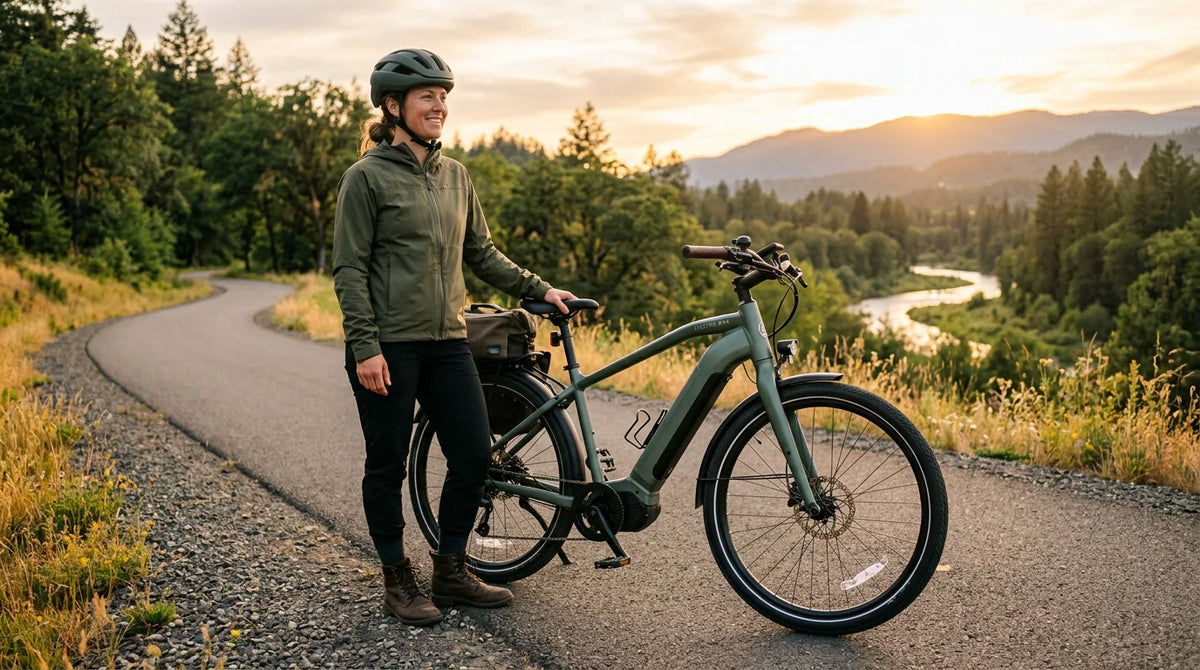
Commuter and cruiser models prioritize comfort, fenders, lights, and an upright position for around-town errands. Cargo bikes are built to carry heavy loads and passengers, while electric mountain bikes handle rough terrain and steep climbs. Folding models suit riders who store a bike in a small apartment or combine cycling with public transport. Be honest about the distances you will travel and the surfaces you will cross, because a bike optimized for one job rarely excels at another.
Terrain and climate also weigh heavily. If you live among hills, a wider gear range preserves both your energy and your battery range. If winters are harsh, factor in maintenance and storage from the outset rather than after purchase.
Understanding E-Bike Classes and Motors

Class definitions are the backbone of any informed purchase. Class 1 bikes provide pedal-assist up to 20 mph with no throttle. Class 2 bikes also reach 20 mph but add a throttle for propulsion without pedaling. Class 3 bikes assist up to 28 mph and, being faster, may face restrictions on bike paths and certain trails.
Pedal-assist systems dominate the category for good reason. Pedal-assist e-bikes are expected to hold roughly 80 percent of the propulsion segment in 2026, according to Future Market Insights, reflecting their balance of efficiency and control. Beyond class, note where power is applied. Mid-drive motors route power through the gearing and tend to feel more responsive on hills, while hub-drive motors offer a reliable and often more affordable ride.
Torque, measured in newton-metres, indicates how firmly the motor pushes you forward. Higher torque helps with steep climbs and heavy loads, though it draws more from the battery. Match the motor to your terrain rather than chasing the largest number on the page.
Battery, Range, and Safety Certification
The battery is the heart of an e-bike and the component most tied to safety. Insist on a battery and charger certified to a recognized standard such as UL 2849. Faulty or inadequately tested lithium-ion cells have caused serious fires, and certification is your first line of defence.
Range figures deserve scepticism. A quoted range assumes ideal conditions, so real-world distance depends on rider weight, terrain, incline, and the level of assistance you select. If a manufacturer lists 30 to 60 miles, plan around the lower end for hilly commutes. A removable battery adds convenience, allowing you to charge indoors and swap in a spare on longer journeys.
Storage and charging habits extend battery life. Charge on a hard, non-flammable surface, avoid extreme temperatures, and never leave a charging battery unattended overnight. These small disciplines protect both your investment and your household.
Setting a Realistic Budget
Prices vary widely, from a few hundred to several thousand for specialty machines. Better mainstream models generally begin around USD 1,000, and the gap between price tiers usually reflects motor quality, battery capacity, and component durability rather than marketing alone. A very cheap bike often costs more over time through repairs and replacement parts.
The category's rapid expansion has broadened price ranges across regions. Asia Pacific alone accounted for a 58.7 percent share in 2025, according to Grand View Research, which helps explain the volume of competing models now reaching international buyers. More choice is a benefit only when you can distinguish genuine value from a superficial bargain.
Factor in the total cost of ownership: accessories, servicing, secure locks, and eventual battery replacement. Financing plans exist, yet interest rates vary considerably, so read the terms before committing. A transparent budget prevents the disappointment of a purchase that strains your finances after the fact.
Where to Buy: Retail, Direct, or Marketplace
Your point of purchase shapes the entire experience. A local bike shop offers knowledgeable staff, professional assembly, and a test ride that confirms fit before you pay. That expertise carries real value, particularly for a first e-bike.
Direct-to-consumer brands can lower prices, but the bike often arrives requiring final assembly and some mechanical aptitude. Be cautious with unknown internet-only brands that may not exist tomorrow to honour a warranty or supply spare parts. North America has become a major demand centre, holding an estimated significant regional share in 2026 per MarketsandMarkets, and that appetite has attracted both reputable specialists and fleeting operators. For collectors and design-led buyers who prefer curation over guesswork, our platform assembles vetted machines in one place, and you may wish to explore the wider range of solar-powered e-bike options that push the category forward.
Whichever channel you choose, always test-ride before buying. Confirm how the brakes feel, how the gears shift, and how the assistance engages. A saddle, stem, and grips adjusted to your body transform a good bike into the right one.
Emerging Innovations Worth Watching

The most compelling reason to buy carefully in 2026 is how quickly the technology is maturing. Integrated displays, dual torque-and-cadence sensors, and connected features once reserved for premium models now appear across price tiers. Design is evolving in parallel, with frames that conceal wiring and batteries entirely within the structure.
Two directions stand out for forward-looking riders. Solar-assisted charging extends independence for those who ride far from an outlet, while radical reengineering of the frame and drivetrain is redefining what a bike can look like. For a glimpse of that ambition, discover the owlet e-bike and the rethinking of proportion and materials it represents.
These advances matter to buyers because they influence resale value and longevity. A bike built on a robust, well-supported platform ages gracefully. One assembled from generic parts with no upgrade path can feel obsolete within a season.
Bringing Your Decision Together
Learning how to select the right electric bike is ultimately a sequence of honest questions rather than a leap of faith. Define your riding purpose, match it to the correct class and motor, insist on a certified battery, and set a budget that reflects total ownership rather than the sticker alone. Test-ride before you commit, favour sellers who stand behind their products, and weigh emerging innovations for longevity. Approached in that order, your purchase becomes a considered investment in mobility, health, and enjoyment that rewards you for many years.
Take action with TheArsenale
When your research is complete and you seek machines worthy of the attention you have invested, curation becomes as important as the specifications themselves. We bring together high-end mobility for riders who value engineering, design, and provenance in equal measure.

Explore our curated electric bikes collection, where each machine is selected for its craftsmanship and character. As a luxury mobility marketplace, we offer free shipping and a Private Membership that grants access to vehicles before they are listed publicly, connecting discerning buyers in Monaco, Dubai, Doha, and online with rare and forward-thinking designs.
Frequently Asked Questions
What e-bike class should a first-time buyer choose?
Most first-time riders are well served by a Class 1 or Class 2 model, which assists up to 20 mph and faces fewer path restrictions. Class 3 bikes reach 28 mph and suit confident commuters, but they may be prohibited on some trails. Confirm your local regulations before deciding.
How much should I expect to spend on a quality electric bike?
Better mainstream models generally start around USD 1,000, with prices climbing for stronger motors, larger batteries, and durable components. Specialty and design-led machines can cost several thousand. Budget for accessories, servicing, and eventual battery replacement rather than the purchase price alone.
How important is battery certification?
It is essential. A battery and charger certified to a recognized standard such as UL 2849 significantly reduce fire risk from faulty cells. Never compromise on certification to save money, and always charge on a non-flammable surface.
Can I trust the range figures manufacturers advertise?
Treat advertised range as a best-case estimate. Real distance depends on rider weight, terrain, incline, and the assistance level you use. For hilly or heavily loaded riding, plan around the lower end of any quoted range.
Where is the safest place to buy an electric bike?
A reputable local shop or a curated marketplace offers expertise, assembly, and reliable after-sales support. Our platform brings together vetted, design-led machines for buyers who prefer curation over uncertainty. Whichever channel you choose, confirm the warranty and availability of spare parts.