Luxury Auto Sales in 2026: Market Trends and Insights

A luxury car is no longer only a means of transport; it has become a moving statement of taste, status, and, increasingly, a considered asset. If you are weighing an acquisition this year, you may explore our curated collection of luxury vehicles to understand how rarity and design shape value. The premium segment is expanding at a pace few consumer categories can match, and the numbers behind it are striking.
The forces driving the sale of luxury automobiles in 2026 range from a growing base of wealthy buyers to a decisive shift toward electric powertrains. According to The Business Research Company, the market grew from USD 710.54 billion in 2025 and is on course to surpass USD 1 trillion before the end of the decade. Understanding these dynamics helps you buy with confidence rather than impulse.
The State of Luxury Auto Sales in 2026
The scale of the premium segment is considerable. The global market for luxury auto sales was valued at USD 759.11 billion in 2026, growing at a compound annual rate of 6.8% from the prior year. This is not a niche corner of the automotive world; it is a substantial and resilient industry.
Growth is expected to continue. The market is projected to reach USD 1 trillion by 2030 at a 7.3% compound annual growth rate, supported by increasing adoption of electric luxury vehicles and expansion into emerging markets. For collectors and enthusiasts, this sustained momentum signals that well-chosen vehicles retain relevance and demand over time.

Where the Growth Is Concentrated
Geography matters when you assess where premium demand is strongest. According to GM Insights, Asia-Pacific was the largest region in 2025, while North America is estimated to reach USD 319.1 billion by 2035, growing at a 5.8% annual rate. These regions concentrate the high-net-worth individuals who anchor the premium market.
Price positioning also shapes buyer behavior. The USD 60,000 to 90,000 segment is expected to grow at the fastest rate, at 7.2% annually, because it balances genuine luxury with accessibility. Europe remains pivotal too, valued at USD 220.9 billion in 2025, with France and the United Kingdom home to the region's largest concentrations of wealthy buyers.
If you are seeking vehicles that sit above these mainstream tiers, our platform focuses on the rarer end of the spectrum. You may shop our exclusive mobility marketplace for pieces that mainstream dealerships rarely handle.
What Buyers Want: Segments and Body Styles
Consumer taste has shifted decisively toward height, presence, and versatility. According to Business Research Insights, SUVs dominate with a 58% market share, followed by sedans at 24%, with sports cars and hatchbacks each at 7%. The luxury SUV has become the default choice for many affluent households.
The United States illustrates the pattern clearly. More than 3.1 million luxury vehicles were registered across the country during 2025, with SUVs representing nearly 67% of luxury purchases. California alone contributed approximately 18% of total national luxury sales, underscoring how concentrated wealth drives regional demand.
Technology expectations have risen in parallel. Over 78% of luxury vehicles sold in the country included Level 2 driver assistance features, and buyers increasingly prioritize advanced infotainment and digital cockpit systems. The modern premium buyer expects software sophistication to match material craftsmanship.
The Electrification Shift Reshaping Premium Sales
No trend is transforming the premium segment more profoundly than electrification. Battery-electric luxury vehicles represented approximately 21% of premium registrations globally during 2025, compared with 16% recorded in 2023. The pace of adoption at the top of the market now outstrips much of the mass segment.

Manufacturers are investing heavily to keep pace. According to Expert Market Research, BMW announced an investment of more than EUR 2 billion in October 2025 in its Debrecen plant in Hungary, dedicated exclusively to all-electric vehicles. Mercedes-Benz has confirmed plans to launch an electric S-Class, electric GLS, and its first all-electric C-Class in 2026.
For buyers, this transition creates both opportunity and caution. Early electric models may depreciate faster as technology advances, while landmark launches and limited electric performance cars can hold value strongly. Careful selection matters more than ever in an electrifying market.
Why Curated Access Changes How You Buy
Traditional dealerships and pre-owned lots serve their purpose, yet the most desirable vehicles rarely reach open listings. The scarcity that defines truly exclusive machines means access, not availability, is the real constraint for serious collectors.
This is where a curated marketplace changes the equation. Through our Private Membership, you gain access to exclusive vehicles before they are listed publicly, which matters when demand for rare models consistently outpaces supply. Rather than competing on a crowded public listing, you engage earlier, with better information and less friction.
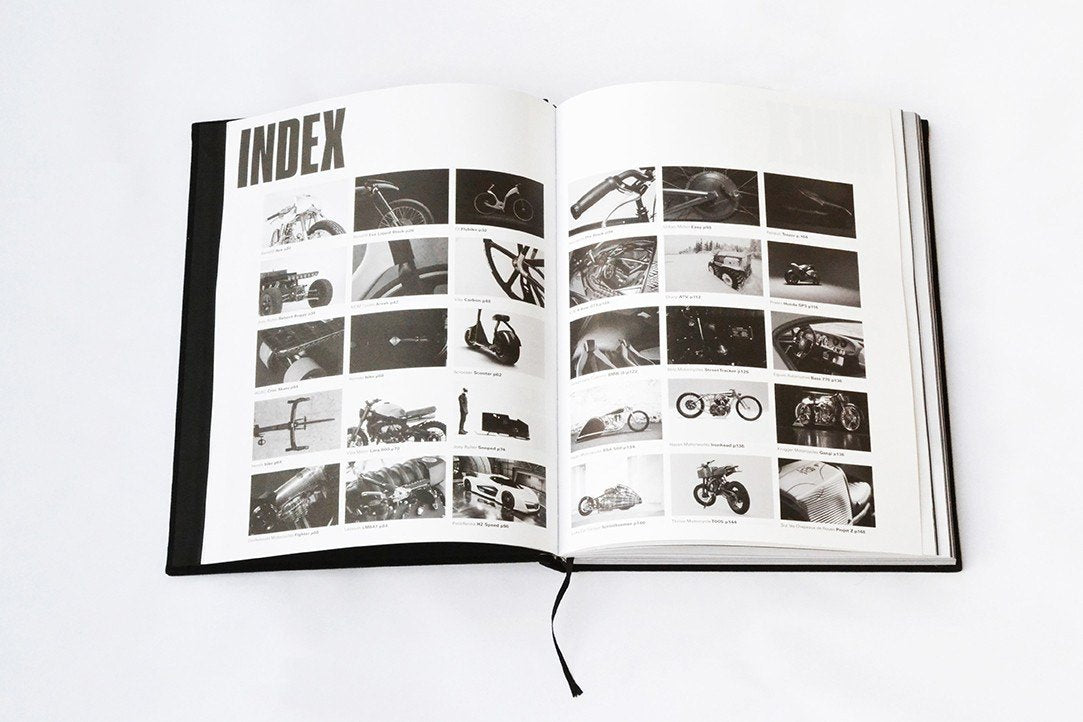
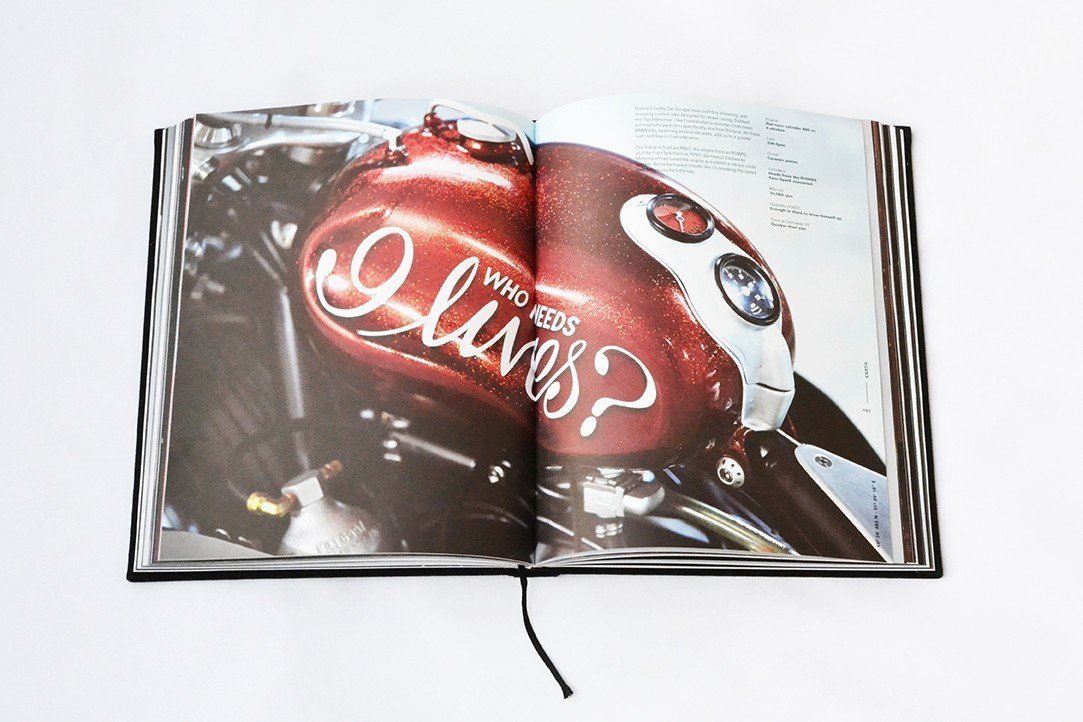
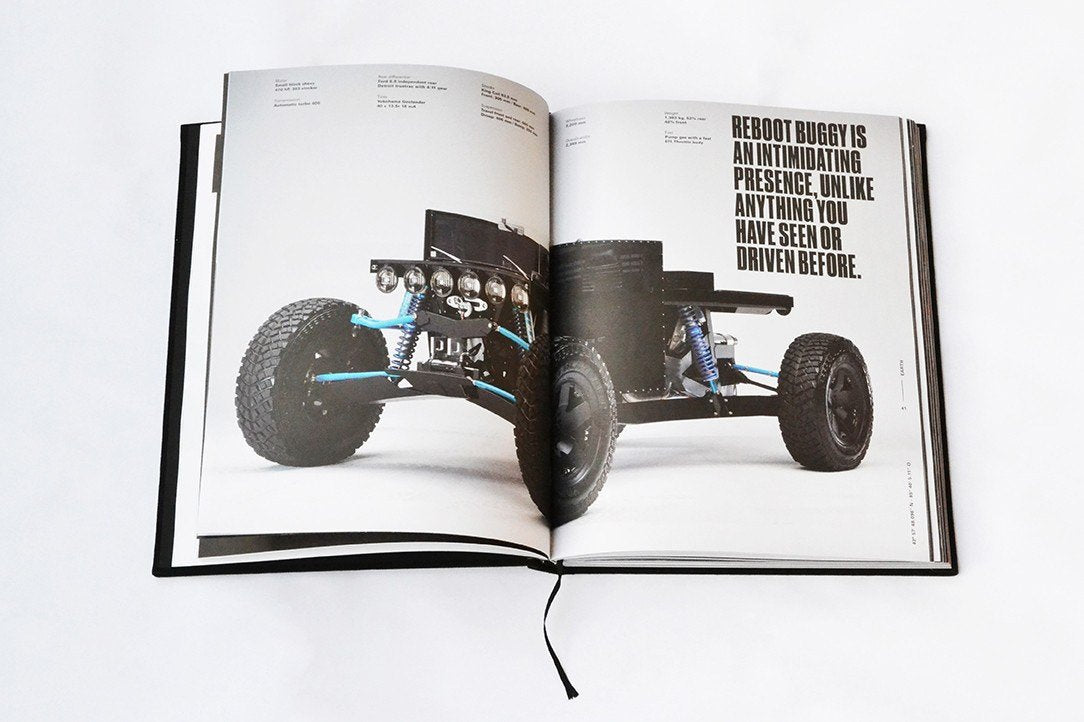
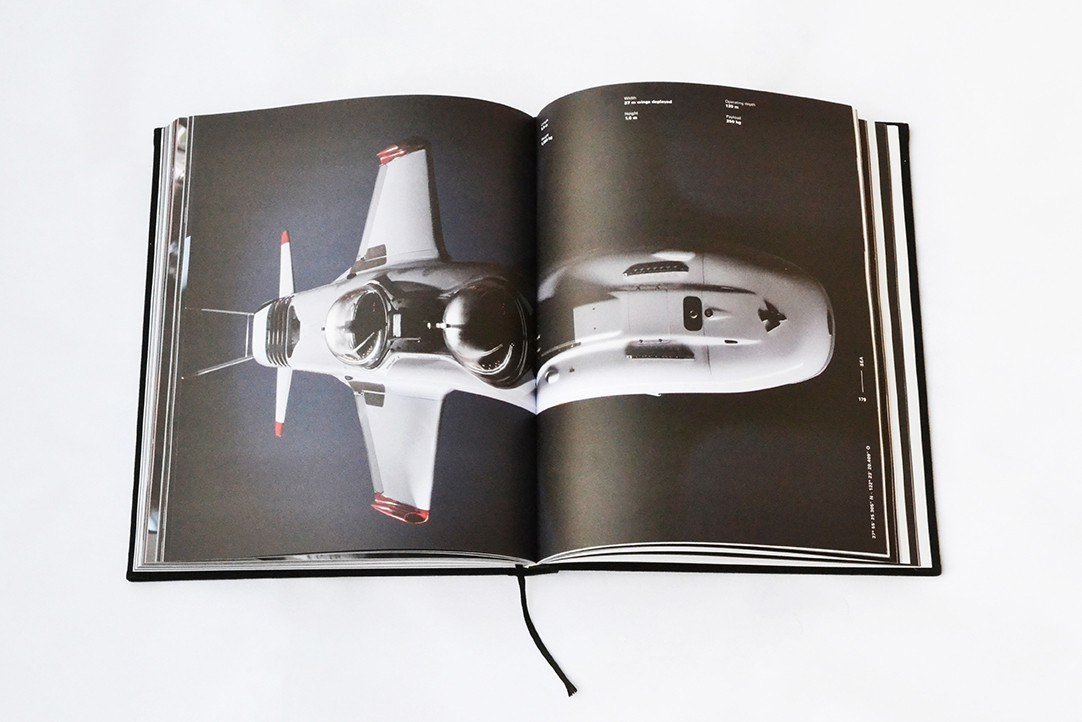
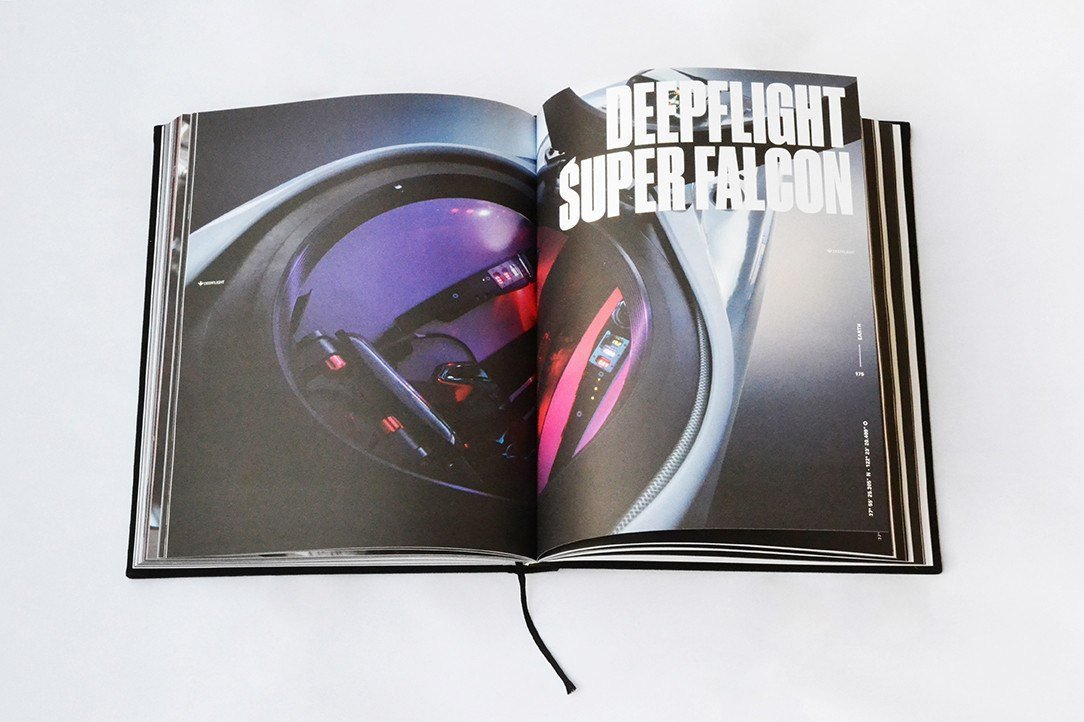
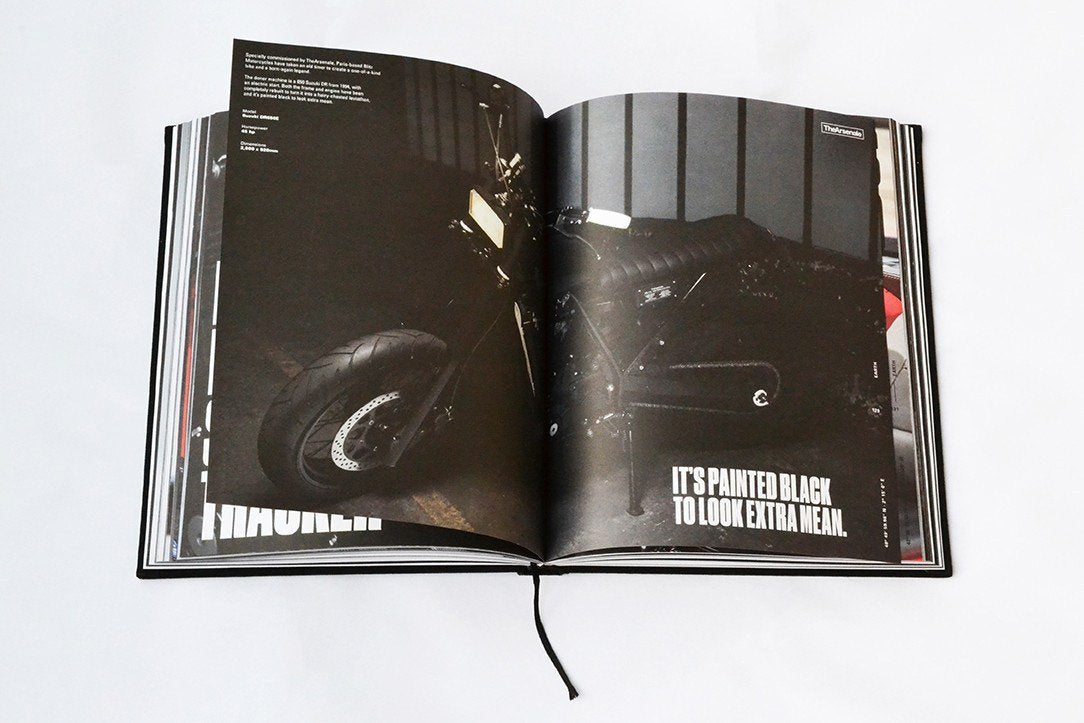
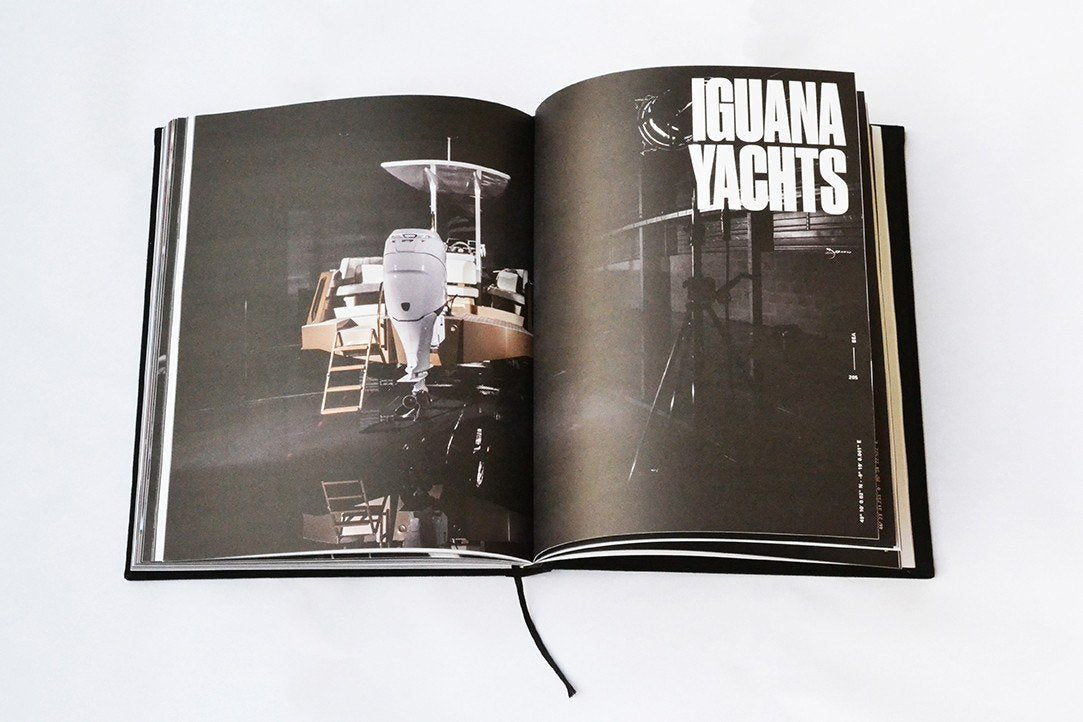
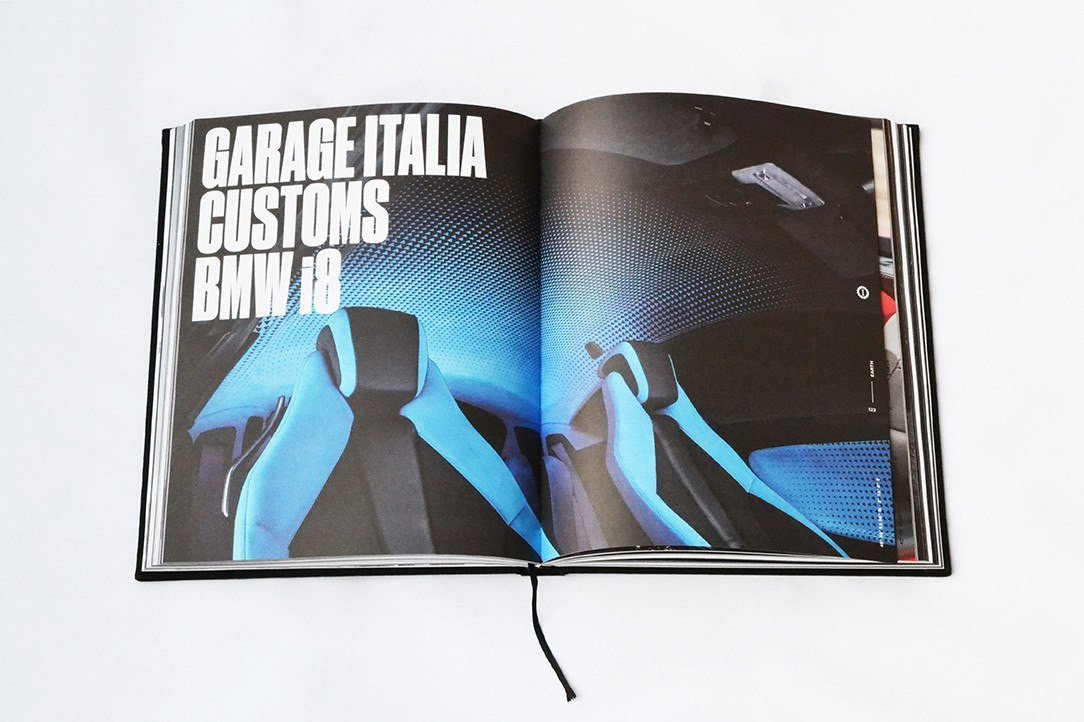
Our approach also treats mobility as culture, not merely commerce. Alongside cars, flying cars, motorbikes, and boats, we combine editorial content and design to help you understand the provenance and future value of what you acquire. You may explore all our luxury cars to see how curation narrows the field to what genuinely matters.
Comparing Ways to Buy a Luxury Vehicle
Not every purchasing channel serves the same buyer. The table below compares common routes against the criteria that matter most for exclusive acquisitions.
| Channel | Exclusivity | Early Access | Curation |
|---|---|---|---|
| Our marketplace and Private Membership | Very high | Yes, before public listing | Highly curated |
| Franchised dealership | Moderate | Limited | Brand-restricted |
| Independent pre-owned dealer | Low to moderate | No | Variable |
| Public online listings | Low | No | Minimal |
Each channel has a role, and mainstream dealers offer convenience and financing at scale. When exclusivity and early access are your priorities, however, a dedicated marketplace positions you ahead of the wider market.
What This Means for Your Next Acquisition
The evidence points to a premium market that is large, resilient, and accelerating, with a projected path toward USD 1 trillion by 2030. Electrification is reshaping value, SUV demand dominates volume, and wealth concentration continues to sustain premium vehicle sales across every major region. Approach any purchase with attention to segment, powertrain, and provenance rather than headline prestige alone.
The most rewarding acquisitions balance passion with discipline; buy what you love, but understand what holds value. Our curated marketplace and Private Membership give you early, informed access to the rare vehicles that mainstream channels seldom reach. To begin your search on the right terms, discover our cars for sale today.
Frequently Asked Questions
How large is the luxury car market in 2026?
The global luxury car market was valued at USD 759.11 billion in 2026 and is projected to reach USD 1 trillion by 2030. This reflects a steady compound annual growth rate above 7% in the forecast period.
Are electric luxury vehicles a good investment?
Electric models now account for roughly 21% of premium registrations globally, and demand continues to rise. Value depends heavily on the specific model, so landmark launches and limited-run performance cars tend to hold value better than early mainstream electric models.
How can I access exclusive vehicles before they are listed publicly?
Our Private Membership provides early access to exclusive vehicles before they appear on public listings. This is valuable when demand for rare and collectible models consistently exceeds available supply.