The Definitive Guide to Luxury Car Brands in 2026
Would you believe that a single segment of the automotive world now rivals the GDP of entire nations? The global luxury car market was valued at USD 593.8 billion in 2025, and it is expected to grow to approximately USD 628 billion in 2026, according to Global Market Insights. That staggering scale reflects a fundamental truth: luxury car brands are no longer mere manufacturers. They are cultural institutions, technology incubators, and lifestyle architects all at once.
Whether you seek the hand-stitched opulence of a grand touring sedan, the adrenaline of an electric hypercar, or a curated marketplace where exclusive mobility meets editorial vision, the premium automotive landscape in 2026 offers more depth and diversity than ever. This guide examines the forces reshaping the segment, the marques that define it, and the emerging categories that will matter most to discerning collectors and enthusiasts in the years ahead.
Why the Luxury Car Market Continues to Expand
Several converging forces explain why the premium automotive segment keeps growing at a pace that outstrips the broader industry. According to The Business Research Company, the market is forecast to grow from $710.54 billion in 2025 to $759.11 billion in 2026 at a CAGR of 6.8%, propelled by the expansion of high-net-worth populations, rising disposable income, and technological differentiation in luxury vehicles.

Key growth drivers include a rising population of high-net-worth individuals (HNWIs), increasing consumer preference for premium comfort and features, accelerating electrification and expansion of luxury electric vehicles, and the strong influence of social status and lifestyle branding. These factors work in tandem: as personal wealth grows, especially in Asia and the Middle East, buyers seek vehicles that serve both as functional transport and as statements of identity.
By vehicle type, the sports utility segment accounted for the largest share at 58.2% in 2025, according to Grand View Research. Luxury SUVs have rapidly emerged as the flagship choice among affluent consumers, driven by evolving lifestyles that prioritize versatility without compromising on opulence.
The Major European Marques Setting the Standard
Europe remains the spiritual homeland of the premium automobile. The European luxury car industry accounted for a 38.4% share of the overall market in 2025. This dominance is sustained by a deep heritage of engineering excellence and an unmatched density of storied brands.
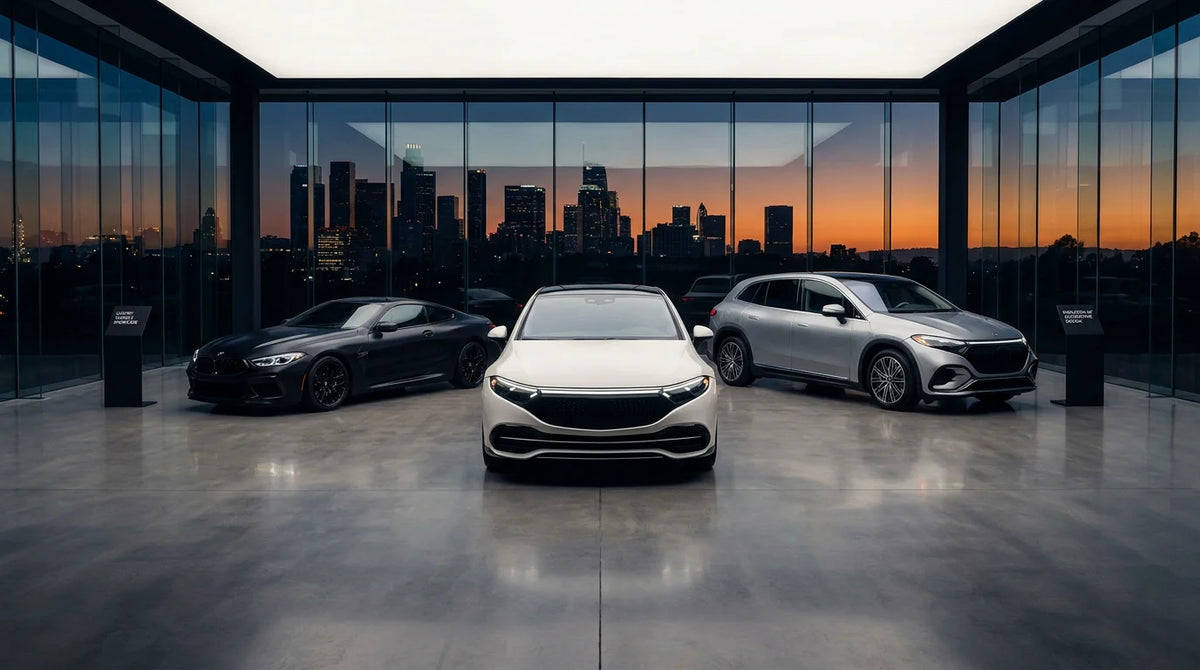
BMW led the global luxury segment with over 23.6% market share in 2025, according to Global Market Insights. The Bavarian manufacturer delivered 2,169,761 vehicles globally in 2025, maintaining its lead among major premium brands. Mercedes-Benz Cars sold 1,801,291 units in the same year, while its top-end vehicles reached 268,000 units.
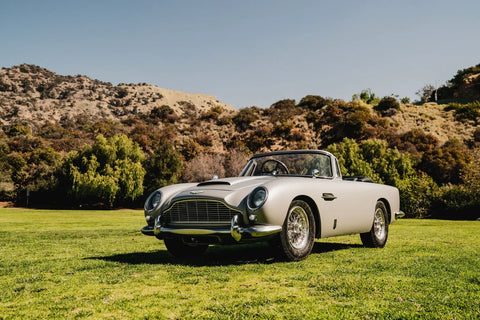
Audi delivered 1,644,429 vehicles in 2025 and posted record all-electric deliveries of more than 223,000. Beyond this trio, the ultra-luxury tier includes names such as Rolls-Royce, Bentley, and Aston Martin, which operate at far lower volumes yet command extraordinary pricing power and personalization depth.
Electric Luxury: The Fastest Growing Frontier
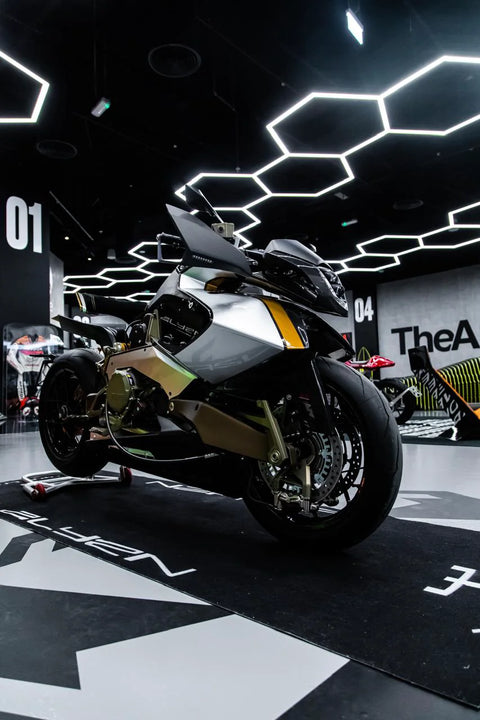
Electrification is no longer a footnote in the luxury conversation; it is the main storyline. The electric segment is expected to grow at the fastest CAGR during the forecast period, as electric luxury cars have evolved from alternatives into trendsetters, spearheaded by brands such as Porsche with its Taycan and newcomers like Lucid.
In October 2025, BMW announced an investment of more than EUR 2 billion in its Debrecen plant in Hungary for exclusively all-electric vehicle manufacturing, and confirmed that its Munich plant will begin producing the NEUE KLASSE series in summer 2026, transitioning to fully electric production from 2027 onwards. Meanwhile, in February 2026, Mercedes-Benz confirmed plans to launch 16 new vehicles in 2026, including the electric S-Class, an all-electric C-Class, and the G-Class Cabriolet.
These investments signal a clear direction: the brands that have long defined the internal combustion era are pouring billions into ensuring their electric offerings match or exceed the driving experience their customers expect. While ICE-powered luxury cars still dominate global sales, especially in regions where EV infrastructure lags, even those models are undergoing transformation through downsized turbocharged engines and mild-hybrid systems.
Asian Luxury Brands Reshaping the Competitive Landscape
The competitive map of premium automobiles is no longer drawn exclusively in Stuttgart, Munich, and Crewe. East Asian manufacturers have built credible luxury operations over decades, and a new generation of Chinese electric marques is accelerating the disruption.
Japanese brands established separate luxury sub-brands starting in the late 1980s: Acura (Honda, 1986), Lexus (Toyota, 1989), and Infiniti (Nissan, 1989). Hyundai followed with Genesis in 2015. These marques provide consistent quality, advanced technology, and competitive pricing, serving as formidable alternatives for buyers who prioritize reliability alongside refinement.
Asia-Pacific was the largest region in the luxury car market in 2025, according to The Business Research Company. Chinese newcomers such as Nio, Zeekr, and Yangwang are leveraging the electric transition to enter the premium space with advanced battery technology, digital cockpits, and aggressive design. Their impact on global pricing and feature expectations is already visible.
Ultra-Luxury and Bespoke: Where Exclusivity Begins

For collectors and connoisseurs, the true measure of a luxury brand is not volume; it is exclusivity. The most exclusive end of the market holds up differently than mainstream demand, as Ferrari, Lamborghini, Bentley, and Rolls-Royce all operate at far lower unit volumes yet continue to post strong pricing power and personalization demand.
Bespoke programs such as Rolls-Royce Coachbuild, Ferrari's Atelier customization suite, and Bentley Mulliner allow clients to commission vehicles that are effectively one-of-one creations. This tier blurs the line between automobile and art object, reflecting a broader cultural shift where collectible mobility intersects with design, fashion, and lifestyle.
It is precisely at this intersection that curated marketplaces become essential. When vehicles transcend serial production, buyers need trusted platforms that authenticate, contextualize, and present these machines with the editorial depth they deserve. Our exclusive mobility marketplace was built around this philosophy, offering collectors a single destination for cars, flying machines, boats, and design pieces that represent the future of premium mobility.
Luxury SUVs: The Segment That Redefined Premium
No discussion of premium brands in 2026 is complete without acknowledging the seismic impact of luxury sport utility vehicles. Luxury SUVs and crossovers accounted for 50.1% of the market in 2025, leading the segment as buyers favor vehicles that combine upscale interiors with versatility, elevated seating positions, and strong visual presence.
In the United States, the market is expected to grow at a CAGR of 6.3% from 2026 to 2033, with sports utility being the largest revenue-generating vehicle type in 2025. Models from established houses continue to set benchmarks, while newer electric SUVs from brands such as Lucid with its Gravity are pushing the category further in terms of range and technology.
For enthusiasts seeking vehicles that push beyond conventional luxury SUVs, whether military-inspired off-roaders, amphibious craft, or electric all-terrain machines, our curated car collection showcases the most forward-thinking mobility products available worldwide.
The Future of Mobility: Beyond Traditional Luxury
The boundaries of luxury mobility are expanding in directions that previous generations of car buyers could not have imagined. Advancements in autonomous driving, AI-powered cabin experiences, and electrification strategies are reshaping competitive dynamics, while personalization and sustainability-focused manufacturing are elevating brand differentiation across the market.
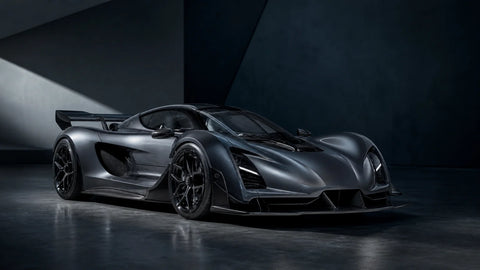
Growth in the forecast period is attributed to increasing adoption of electric luxury vehicles, demand for autonomous features, growth of digital vehicle experiences, expansion in emerging luxury markets, and investments in premium mobility innovation. Flying cars, once confined to science fiction, are entering the certification pipeline. Electric vertical takeoff and landing (eVTOL) craft, high-performance electric boats, and hypercars with aerospace-derived materials are all part of a rapidly diversifying premium mobility ecosystem.
This is exactly the vision behind our Private Membership program, which grants early access to exclusive vehicles and next-generation mobility products before they reach public listings. For those who view premium vehicles as more than transportation, a membership-based approach ensures you are among the first to discover what comes next.
How to Choose the Right Luxury Brand for You
With so many established and emerging marques competing for attention, selecting the right brand is a deeply personal decision. Consider these guiding principles:
- Driving character: Do you prioritize dynamic handling (often associated with German engineering), serene comfort (the hallmark of British grand tourers), or cutting-edge technology (a strength of newer electric entrants)?
- Powertrain philosophy: ICE loyalists and electric converts will find different brands more aligned with their values. Hybrid options offer a bridge for the undecided.
- Exclusivity and personalization: Volume premium brands offer extensive option lists, while ultra-luxury houses provide fully bespoke commissions.
- Lifestyle alignment: The strongest purchase decisions occur when a vehicle reflects the owner's broader identity, whether that involves motorsport heritage, sustainable innovation, or futuristic design.
- Resale and collectibility: Limited-production models and historically significant marques tend to hold or appreciate in value, making them compelling for collectors.
Understanding your priorities across these dimensions will narrow the field significantly and ensure that the vehicle you acquire delivers satisfaction for years to come.
Conclusion
The landscape of brands in the luxury car segment in 2026 is defined by a compelling tension between heritage and innovation. The market is expected to grow from approximately USD 628 billion in 2026 to USD 1.09 trillion by 2035, reflecting a CAGR of 6.3%. That trajectory is powered by electrification, the global rise of HNWIs, and an expanding definition of what a premium vehicle can be. Whether you are drawn to an established European sedan, an electric hypercar, or a yet-to-be-classified flying machine, the options have never been richer or more technologically advanced. For collectors and enthusiasts who demand early access to the most exclusive mobility products on the planet, our Private Membership unlocks a world that sits at the very frontier of premium automotive culture. To explore the full spectrum of future mobility, visit our exclusive marketplace at TheArsenale and discover what is next.
Frequently Asked Questions
Which luxury car brand sold the most vehicles globally in 2025?
BMW led the global luxury segment in 2025 with over 2.1 million vehicles delivered worldwide, followed by Mercedes-Benz and Audi. These three German manufacturers continue to dominate by volume, though ultra-luxury houses like Rolls-Royce and Ferrari command significantly higher per-unit revenue.
Are electric luxury cars overtaking traditional powertrains?
Not yet in total volume, but the electric segment is growing at the fastest rate. Internal combustion engines still held the majority share in 2025; however, major manufacturers are investing heavily in all-electric platforms. By 2027, several flagship models from leading brands will be exclusively electric.
Where can collectors find exclusive and next-generation luxury vehicles?
Dedicated mobility marketplaces offer a curated selection that goes beyond traditional dealerships. Our exclusive marketplace at TheArsenale, for example, brings together rare cars, flying machines, boats, and collectible design pieces under one roof, with Private Membership granting early access to listings before they become public.