The Auto Marketplace Guide: Buying Vehicles Online in 2026

Ninety-five percent of car buyers now begin their journey on the internet, long before they ever set foot in a physical showroom. That single behavior has redrawn the entire retail map for vehicles. Whether you are searching for a daily commuter, a rare collectible, or something far more unusual, the modern online auto marketplace has become the default starting point. To understand how this ecosystem works, and how to navigate it with confidence, you may begin with our online auto marketplace resources.
The shift is not merely convenience. It is structural. Digital platforms now centralize discovery, pricing, financing, and delivery in ways traditional dealerships never could. According to ConsumerAffairs data, that 95 percent figure, sourced from Google, underlines how firmly the buying process has moved online. The result is a market that rewards buyers who understand where value, trust, and selection actually reside.
What an online auto marketplace actually delivers
At its core, a digital vehicle platform connects buyers and sellers without the friction of physical negotiation. The phrase marketplace auto captures this shift toward researching, comparing, and completing vehicle purchases entirely through the web. You browse inventory across many sellers, filter by specification, review history reports, and in many cases arrange financing and delivery in a single session.
The category is broad. Some platforms focus on high-volume used cars, others on new vehicles direct from manufacturers, and a growing number on curated, exclusive listings. Fortune Business Insights reports that online marketplaces have transformed the traditional shopping experience, allowing consumers to browse extensive inventories, conduct virtual inspections, and complete purchases from home. If you are exploring a wide range of listings, our product marketplace illustrates how curated selection differs from mass-volume aggregation.

How big is the online vehicle market in 2026
The numbers explain the momentum. According to IMARC Group figures, the global online car buying market reached 390.4 billion dollars in 2025 and is projected to hit 836.4 billion dollars by 2034, a compound annual growth rate of 8.80 percent across 2026 to 2034. That trajectory reflects both rising internet access and genuine shifts in consumer trust.
Regional concentration matters, too. North America continues to lead, and Coherent Market Insights notes the region was expected to hold roughly 39.9 percent of the global market in 2025. Pre-owned vehicles dominate transaction volume, a signal that buyers increasingly trust digital channels for higher-value, higher-risk purchases.
What buyer behavior reveals about digital retail
Consider how a typical purchase now unfolds. A shopper researches specifications, values a trade-in, and structures payments online, then visits a store only to finalize. This hybrid pattern is now the norm rather than the exception. According to Demand Local benchmarks, 65 percent of shoppers would complete some or most of the vehicle purchase process online in 2026.
Yet friction remains. The same 2026 analysis observes that a large majority of dealers report customers still repeat steps in-store after completing them online. That gap between digital intent and physical execution is precisely where well-designed platforms earn loyalty. Buyers reward transparency, accurate first-party data, and fast responses. If you want to see how a streamlined catalog reduces that friction, our marketplace cars for sale pages demonstrate the approach.
Comparing your options as a buyer
Not all platforms serve the same purpose. A mass used-car aggregator optimizes for scale and price, while a curated marketplace optimizes for exclusivity, provenance, and early access. The right choice depends entirely on what you are trying to acquire. The table below compares the primary models a buyer encounters in 2026.
| Platform type | Selection focus | Best for | Early access |
|---|---|---|---|
| Mass used-car aggregator | High-volume mainstream vehicles | Budget-conscious daily drivers | No |
| Manufacturer direct-to-consumer | New models, single brand | New-vehicle buyers | Limited |
| Classified listings site | Mixed private and dealer inventory | Broad browsing | No |
| TheArsenale (our marketplace) | Exclusive future-mobility vehicles | Collectors and enthusiasts | Yes, via Private Membership |
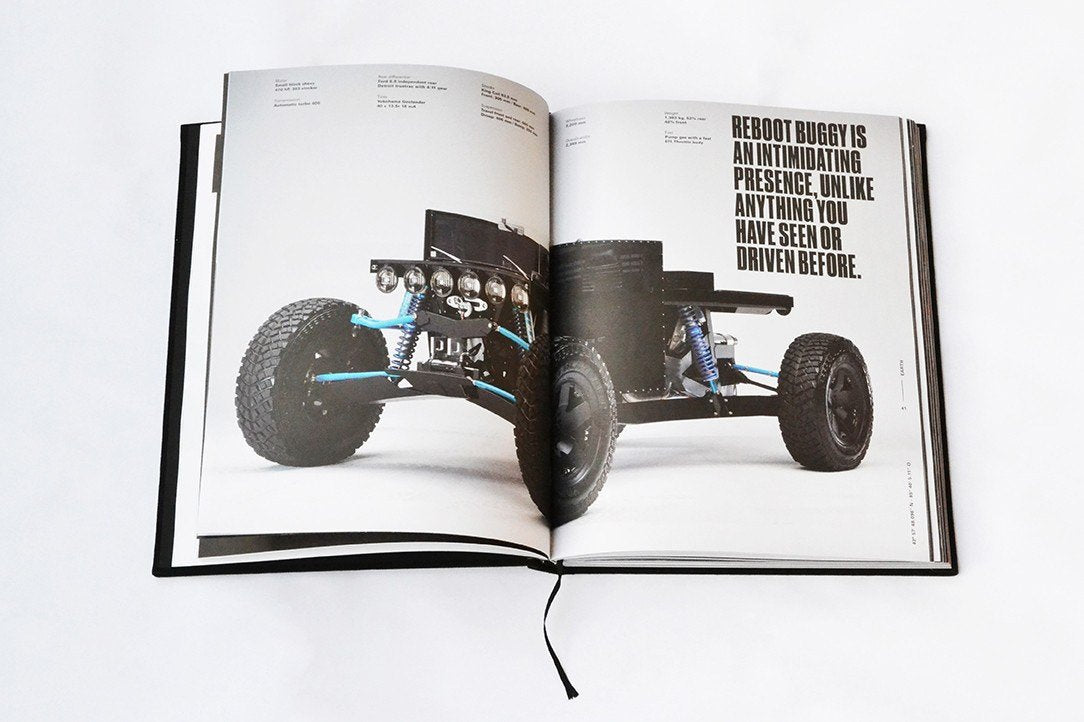
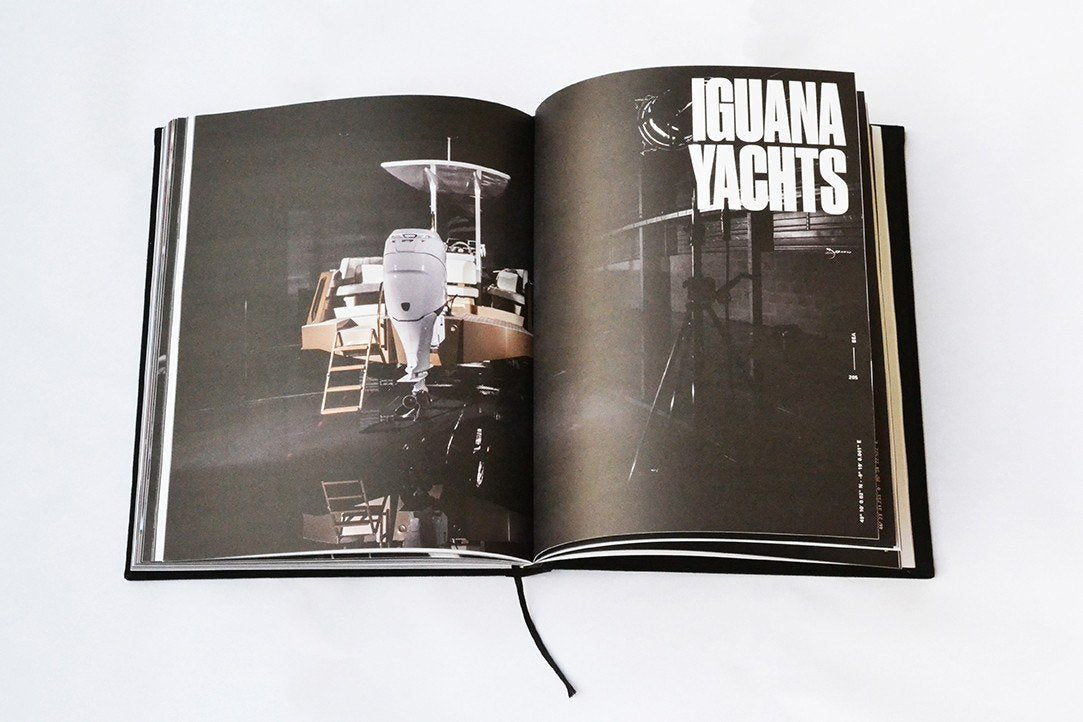
The differentiator here is meaningful. Where mass platforms compete on price and inventory depth, a curated model competes on access and rarity. Our Private Membership grants access to vehicles before they are listed publicly, which matters when you pursue cars, flying cars, motorbikes, planes, or boats that rarely reach open markets.

How to evaluate an auto marketplace before you buy
Begin with transparency. A trustworthy platform provides detailed vehicle history, verifiable condition reporting, and clear pricing. Fortune Business Insights highlights that algorithm-based pricing models reduce negotiation uncertainty while improving valuation consistency, which protects you as a buyer.
Then weigh the broader market context. New-vehicle affordability continues to tighten. According to NADA data, the average monthly payment on a new-vehicle finance contract was estimated at 813 dollars in June 2026, the highest ever recorded for that month. Rising costs push more buyers toward the transparency and comparison tools that digital marketplaces provide. Prioritize platforms that pair clear data with genuine selection, and confirm delivery and support terms before you commit.
Where curated marketplaces fit the future of mobility
Imagine searching for a vehicle that does not yet exist on any mainstream lot. That is the space curated platforms occupy. Rather than competing on the sheer volume of mainstream cars, they concentrate on rarity, design, and the leading edge of mobility. This is a distinct segment, and it is growing alongside the broader digital shift documented across the industry.
Our approach combines vehicle retail with design, editorial content, and membership access, so the experience extends beyond a single transaction. For collectors and enthusiasts, that integration of curation and community is the point. It answers a need that high-volume platforms, by design, cannot.
Conclusion
The direction of travel is unmistakable. With the global online car buying market at 390.4 billion dollars in 2025 and climbing steadily, the online vehicle marketplace is no longer an alternative channel; it is the main one. Your task as a buyer is to match the platform to your goal: mass aggregators for everyday value, curated platforms for rarity and early access. Evaluate transparency, pricing clarity, and selection before you decide, and never underestimate the advantage of seeing a vehicle before the wider market does. That early, curated access is exactly what sets our exclusive future-mobility platform apart. To begin exploring, browse our auto marketplace (cars) and discover what curated access looks like.
Frequently Asked Questions
Is it safe to buy a vehicle entirely online?
Yes, provided the platform offers verified history reports, transparent pricing, and clear delivery terms. Consumer trust in online marketplaces has grown substantially, particularly for pre-owned vehicles. Always confirm condition reporting and return policies before completing a purchase.
What makes a curated marketplace different from a mass platform?
A curated marketplace focuses on rarity, provenance, and exclusive access rather than sheer volume. Our Private Membership, for example, grants access to vehicles before they are listed publicly, which is valuable for collectors seeking unique listings.
How large is the online car buying market today?
The global online car buying market reached 390.4 billion dollars in 2025 and is forecast to grow at 8.80 percent annually through 2034. North America held the largest regional share, at roughly 39.9 percent in 2025.