The Ryno One Wheel Motorcycle: A Self-Balancing Marvel

Picture a motorcycle sliced in half, reduced to a single fat tire, yet standing upright on its own. That is the essence of the Ryno one-wheel motorcycle, a self-balancing machine that turned an improbable idea into a rideable reality. If unconventional machines interest you, our Ryno one-wheel motorcycle feature offers a deeper look at its origins and engineering.
The concept began with a father-daughter question and grew into a viral sensation. Its launch clip alone gathered more than 10 million views, according to Digital Trends. That attention reflected genuine curiosity about a device that reframed what a short urban commute could look like, using a single wheel rather than two.
What Is the Ryno One-Wheel Motorcycle?
Forget the term motorcycle for a moment. The one wheel motorcycle ryno is best described as a microcycle: a personal mobility device balanced on one motorcycle-sized tire, fitted with a seat, handlebars, and foot pegs. It was developed by Portland, Oregon-based RYNO Motors and its founder, engineer Chris Hoffmann.
The origin story is unusually personal. Hoffmann was driving to go fishing when his 13-year-old daughter asked whether he could build the single-wheeled machine she had seen in a video game. That question set off years of prototyping, culminating in a street-ready production version priced around $5,250.
How the Self-Balancing System Works

How does a vehicle stay upright on one wheel? The answer relies on a stabilization approach similar to systems used in remote-controlled aircraft and drones. An accelerometer establishes the center of gravity, while gyroscopic sensors monitor tilt, and the motors drive the wheel back and forth beneath the rider to hold balance.
The engineering packed into the hub is remarkable. A 240mm tire wraps around a wheel that, according to Impact Lab, contains two electric motors, two motor controllers, three gyros, a circuit board, five processors, the drivetrain, and two lead-acid batteries. Crucially, this self-balancing electric microcycle manages only front-to-back motion. Lean left or right, and the responsibility for balance shifts back to you.
The Riding Experience: Leaning, Not Throttling
Riding the Ryno feels less like operating a machine and more like extending your own body. The control scheme is deceptively simple: you lean forward to accelerate and lean back to slow down, with only gentle inputs required to steer. There is no throttle to twist and no clutch to manage.
One control remains manual. A right-hand brake lever eases the device to a stop while it holds an upright position. Testers frequently compare the sensation to a snowboard or skateboard, a personal mobility device that demands active participation rather than passive operation. That learning curve is part of its character, and most riders adapt within a short practice period.
Performance and Specifications
The Ryno was never intended to replace a full motorcycle. In standard mode it reaches approximately 10 mph, while a beginner setting caps speed near 6 mph, keeping it within pedestrian-friendly regulatory limits in many locations. A six-hour charge from a standard wall outlet delivers roughly 10 miles of range.
Those figures place the monowheel squarely in the last-mile category. It is designed to bridge the gap between walking and driving, letting you weave through congested urban environments without the burden of parking, fuel, or the footprint of a larger vehicle. For collectors, our Ryno one-wheel microcycle profile details what makes this design a genuine object of curiosity.
How It Compares to Other Personal Mobility Devices

The Ryno emerged during a wave of experimental urban transport. As New Atlas noted, it entered a field that already included the Solowheel, the Honda U3-X, and the Segway. Its designers argued that its smaller size, tighter maneuverability, and turning radius of nearly zero set it apart from conventional scooters.
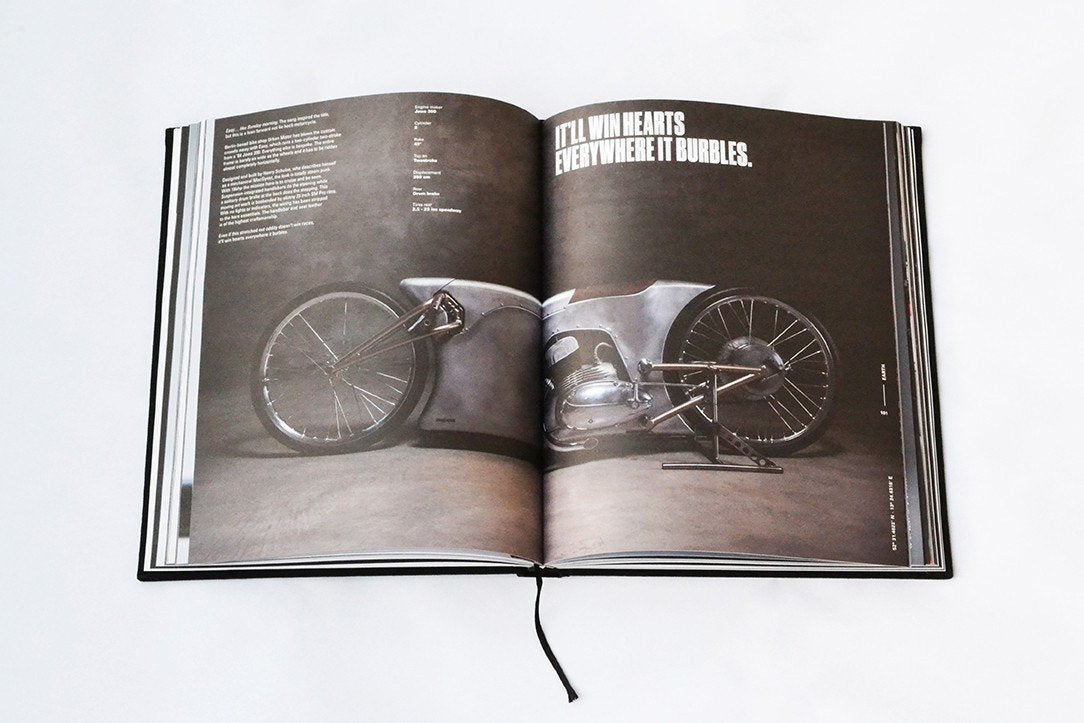
What distinguished the Ryno was its deliberate motorcycle-inspired styling. Rather than resembling a compact commuter gadget, the urban commuting device carried the visual presence of a stripped-down bike. That aesthetic choice is precisely why it endures as a collectible, a machine remembered as much for its form as for its function.
Why the One-Wheeled Design Still Matters
Few production vehicles have committed so fully to a single wheel while remaining genuinely rideable. The Ryno demonstrated that last-mile transport could be reimagined from first principles, and its viral reception proved public appetite for radical mobility concepts. It stands as a marker of how personal transport experiments push the boundaries of engineering.
For enthusiasts and collectors, that legacy holds lasting value. The story behind the Ryno motorcycle blends garage ingenuity, viral fame, and a sincere attempt to solve a real problem, qualities that make it a compelling piece of mobility history.
The Ryno remains one of the most striking experiments in personal mobility: a self-balancing electric vehicle that carries you on a single tire, tops out near 10 mph, and covers roughly 10 miles per charge. It grew from a daughter's question into a real, rideable machine that reframed the short city commute. When you are drawn to vehicles that challenge convention, you deserve a source that curates the rare, the daring, and the design-driven with genuine expertise. To continue exploring, browse our curated Ryno microcycle feature and discover the machine that matches your vision of mobility.
Frequently Asked Questions
How fast does the Ryno one-wheel motorcycle go?
In standard mode the Ryno reaches approximately 10 mph, while a beginner setting limits it to around 6 mph. This keeps it within pedestrian-friendly speed ranges in many areas.
How far can the Ryno travel on a single charge?
The Ryno covers roughly 10 miles per charge, drawing power from a standard wall outlet over about six hours. It was designed for short last-mile trips rather than long-distance travel.
Is the Ryno difficult to ride?
You control it by leaning forward and back, with a hand lever to brake. The device self-balances front-to-back, though you manage side-to-side balance, so a brief practice period is recommended before confident riding.