Personal Aircraft Price: 2026 Buying and Ownership Guide
Aircraft ownership can begin below the price of a luxury vehicle or rise beyond the value of a commercial property. The difference depends on the aircraft’s mission, range, passenger capacity, technology, and condition. For an initial benchmark, our personal aircraft prices overview places the market in a very broad range.
The right question is not simply how much an aircraft costs to buy. You should also ask how often you will fly, whether you will pilot the aircraft yourself, and how much flexibility your missions require. Those answers determine whether full ownership, shared access, or chartering is the more sensible structure.
What does a personal aircraft cost in 2026?
A personal aircraft price depends first on the category you choose. A basic recreational aircraft may involve a comparatively modest acquisition budget, while a business jet combines advanced avionics, pressurization, longer range, larger engines, and more demanding support requirements.
One specialist 2026 market reference places new very light jets at approximately $5 million to $6 million, new light jets at $10 million to $12 million, and new heavy aircraft at more than $70 million. These figures are market references rather than universal quotations, because configuration, delivery timing, taxes, and equipment can change the final price substantially. You can review the published category comparison in a 2026 aircraft price guide.
At the accessible end of the market, used piston aircraft and light sport aircraft can cost far less than turbine-powered aircraft. However, a low purchase price often reflects age, remaining engine time, outdated avionics, incomplete records, or deferred maintenance. The cheapest listing is therefore not always the least expensive aircraft to own.
- Recreational aircraft: Suitable for local flying, training, and personal enjoyment, often with 1 or 2 seats.
- Single-engine piston aircraft: Common for private travel, flight training, and regional journeys.
- Light sport aircraft: Designed around lower weight, simpler operation, and recreational missions.
- Turboprops: Useful for longer regional routes, higher payloads, and access to smaller airports.
- Very light and light jets: Intended for faster travel, business missions, and greater range.
- Midsize and large cabin jets: Built for longer sectors, larger groups, enhanced comfort, and intercontinental capability.
Aircraft prices also vary by geography. Import duties, certification requirements, currency movements, local taxes, airport infrastructure, and availability can create major differences between markets. An aircraft advertised at a fixed dollar price may therefore carry a different delivered cost for an international buyer.
How much do different aircraft categories cost?
Consider the mission before considering the model. A 2-seat aircraft for weekend recreation should not be compared directly with a 9-seat jet designed for international business travel. Each category solves a different transportation problem.
For entry-level buyers, older used trainers and simple single-engine aircraft are generally the lowest-cost ownership route. They can support pilot training, short regional travel, and recreational flying. A newer aircraft with modern avionics, a recently overhauled engine, and a complete maintenance history may command a significant premium over an older example.
Light sport aircraft occupy an important middle ground. They can provide an approachable route into personal aviation, particularly for buyers who value simplicity and recreational use. If this category matches your needs, our light sport aircraft for sale collection offers a focused starting point for exploring available machines.
Turboprops raise both the purchase price and the operating budget. They generally offer more speed, payload, and range than piston aircraft, but their systems and engines require more specialized support. A turboprop can be a practical choice for regional business travel, especially where runway access and operating flexibility matter.
Very light jets and light jets introduce another major step in cost. They provide higher cruise speeds, pressurized cabins, and more effective access to regional airports. Their budgets also include more expensive inspections, engine reserves, training requirements, insurance, and professional operational support.
Midsize, super-midsize, and large cabin aircraft represent a different ownership class. Purchase prices can reach tens of millions of dollars, while annual expenses may include crew salaries, recurrent simulator training, hangar charges, management fees, engine programs, navigation subscriptions, and international operating costs.

Why new and pre-owned aircraft prices differ
A new aircraft offers warranty coverage, current avionics, modern cabin design, and a known delivery history. Those advantages can reduce early maintenance uncertainty, but they come with a higher acquisition price and faster initial depreciation.
Pre-owned aircraft can offer better value when the airframe has complete records, disciplined maintenance, modern equipment, and reasonable engine time remaining. The purchase price may be substantially lower than a new equivalent, but buyers must evaluate what has already been completed and what will become due soon after closing.
The most important price drivers include:
- Total airframe hours and cycles.
- Engine hours since overhaul or replacement.
- Propeller or engine program enrollment.
- Avionics age and regulatory compliance.
- Damage history and repair documentation.
- Completeness of airframe, engine, and propeller logbooks.
- Interior and exterior condition.
- Availability of parts, maintenance facilities, and technical support.
A pre-owned aircraft approaching a major inspection may appear attractively priced. That discount can disappear quickly if the buyer must fund an engine overhaul, landing gear inspection, avionics modernization, or structural repair. Conversely, an aircraft with fresh inspections and strong records may justify a higher asking price because it reduces near-term uncertainty.
New aircraft also require careful financial analysis. Buyers should consider delivery deposits, customization, training, insurance, financing costs, taxes, and the effect of early depreciation. A factory-new aircraft may be easier to support, yet the first years can carry the greatest loss in resale value.
Before committing to any purchase, our personal aircraft buying guide can help you structure the decision around mission, condition, financing, insurance, and long-term ownership.
What does ownership cost after the purchase?
The purchase price is only one part of the budget. You should calculate the total cost of ownership before comparing aircraft, because several expenses continue whether the aircraft flies frequently or remains in storage.
Storage is one of the first recurring costs. Outdoor tiedowns are generally less expensive, but they expose the airframe to weather, ultraviolet radiation, moisture, and security risks. Enclosed hangars offer greater protection, although availability and monthly rates vary widely between rural airports, major cities, and international aviation hubs.
Insurance depends on aircraft value, pilot experience, aircraft type, location, intended use, and coverage limits. A low-time pilot may face stricter underwriting conditions or higher premiums. Turboprops and jets also require more extensive coverage because their values, speeds, and operating risks are higher.
Maintenance includes scheduled inspections, unscheduled repairs, tires, brakes, batteries, oil, parts, labor, and compliance with airworthiness directives. Engine and propeller reserves deserve separate attention. Setting aside money for future overhaul costs makes the annual budget more realistic.
Fuel becomes increasingly important as aircraft size and speed increase. A piston aircraft may burn several gallons per hour, while a jet consumes substantially more fuel and may also incur higher landing, handling, navigation, and international service charges.
In a 2026 ownership analysis, a first 100-hour review emphasizes separating fixed expenses, variable costs, and reserves. That structure is useful because it prevents buyers from treating fuel alone as the hourly cost of flying.
Other recurring expenses may include:
- Navigation databases and electronic flight subscriptions.
- Local or state property taxes, depending on jurisdiction.
- Registration and re-registration costs.
- Professional management and scheduling.
- Crew salaries and benefits for turbine aircraft.
- Recurrent training and simulator sessions.
- Interior refurbishment, paint, and connectivity upgrades.
- International handling, permits, customs, and overflight charges.
For a simple owner-flown aircraft, annual costs may remain within a five-figure range when usage is moderate and the airframe is straightforward. For turbine aircraft, the budget can rise into six or seven figures once crew, maintenance programs, management, and fuel are included.
What training, registration, and inspections should you budget for?
If you intend to fly the aircraft yourself, pilot training belongs in the acquisition plan. The aircraft and the pilot form one system, and buying a complex machine before developing the necessary experience can increase both insurance and training costs.
A private pilot certificate usually requires ground instruction, flight training, written examinations, a practical test, and medical eligibility. The legal minimum does not always equal the number of hours a student needs in practice. Weather, aircraft availability, learning pace, and instructor continuity can all affect the final amount.
Additional ratings may be necessary for your mission. An instrument rating can expand weather and route flexibility, while a multi-engine rating may be required for certain aircraft. High-performance and complex aircraft can also impose insurer-mandated training conditions.
Registration costs are usually modest compared with ownership expenses, but compliance remains essential. Requirements vary by country, aircraft category, operating purpose, and registration authority. International buyers should also investigate import procedures, airworthiness certification, tax exposure, and operational restrictions before transferring funds.
The pre-purchase inspection is one of the most important steps in the transaction. An independent mechanic should review the airframe, engines, propellers, avionics, systems, maintenance records, damage history, and outstanding directives. A title search should also identify liens or ownership complications.
- Define the mission and expected annual flight hours.
- Obtain insurance guidance before selecting a model.
- Review complete logbooks and maintenance records.
- Commission an independent pre-purchase inspection.
- Confirm title, registration, taxes, and export requirements.
- Model financing, depreciation, operating costs, and resale value.
A low asking price should never justify skipping technical diligence. A well-documented aircraft with a transparent maintenance history may produce a lower long-term cost than a cheaper aircraft requiring immediate upgrades.
Is ownership cheaper than chartering or fractional access?
The answer depends on utilization, route consistency, aircraft category, and the value you place on control. Full ownership gives you dedicated access, configuration control, and freedom to schedule the aircraft. It also gives you the full financial responsibility for the asset.
Chartering converts many fixed expenses into trip-based spending. You pay for the aircraft when you use it, without carrying the cost of a hangar, annual inspections, insurance, crew, or depreciation between flights. The trade-off is that availability, aircraft positioning, route demand, and seasonal pricing can affect the final quote.
Fractional ownership sits between full ownership and chartering. You acquire a share or contractual interest in an aircraft, then pay management and operating fees. This structure can provide more predictable access than occasional chartering, but it still involves commitments, usage rules, and exposure to program terms.
For a simple piston aircraft, ownership may become more practical at a lower annual utilization level than for a business jet. Turboprops and jets carry higher fixed costs, so they generally require more consistent annual use before ownership economics become compelling.
Calculate your expected annual hours conservatively. If you expect to fly 80 hours but usually manage only 40, fixed costs will be divided across fewer hours. That can make ownership appear far more expensive than the original purchase price suggested.
- Full ownership: Appropriate when control, availability, and high utilization justify the fixed commitment.
- Fractional access: Suitable for some frequent travelers who want structured access without buying an entire aircraft.
- Chartering: Useful when routes, passenger numbers, and aircraft requirements change regularly.
- Shared ownership: Can reduce fixed costs, but requires clear agreements about scheduling, maintenance, and resale.

How should your mission influence the personal aircraft price?
A mission profile is more useful than a general desire for speed or luxury. You should list your normal routes, passenger count, baggage requirements, runway conditions, weather exposure, and annual flight hours before comparing aircraft.
A 2-seat light sport aircraft may be appropriate for local recreation but unsuitable for family travel. A 4-seat piston aircraft may support regional trips but offer less useful load when carrying passengers, fuel, and baggage. A turboprop may provide the right combination of range and airport access, yet it requires a larger maintenance and training budget.
Jets make sense when time, range, cabin comfort, and schedule control justify their additional complexity. They may reduce travel time on longer routes, but the cost advantage depends on how consistently you use those capabilities. Buying a larger aircraft than your mission requires can create unnecessary fuel, crew, hangar, and maintenance expenses.
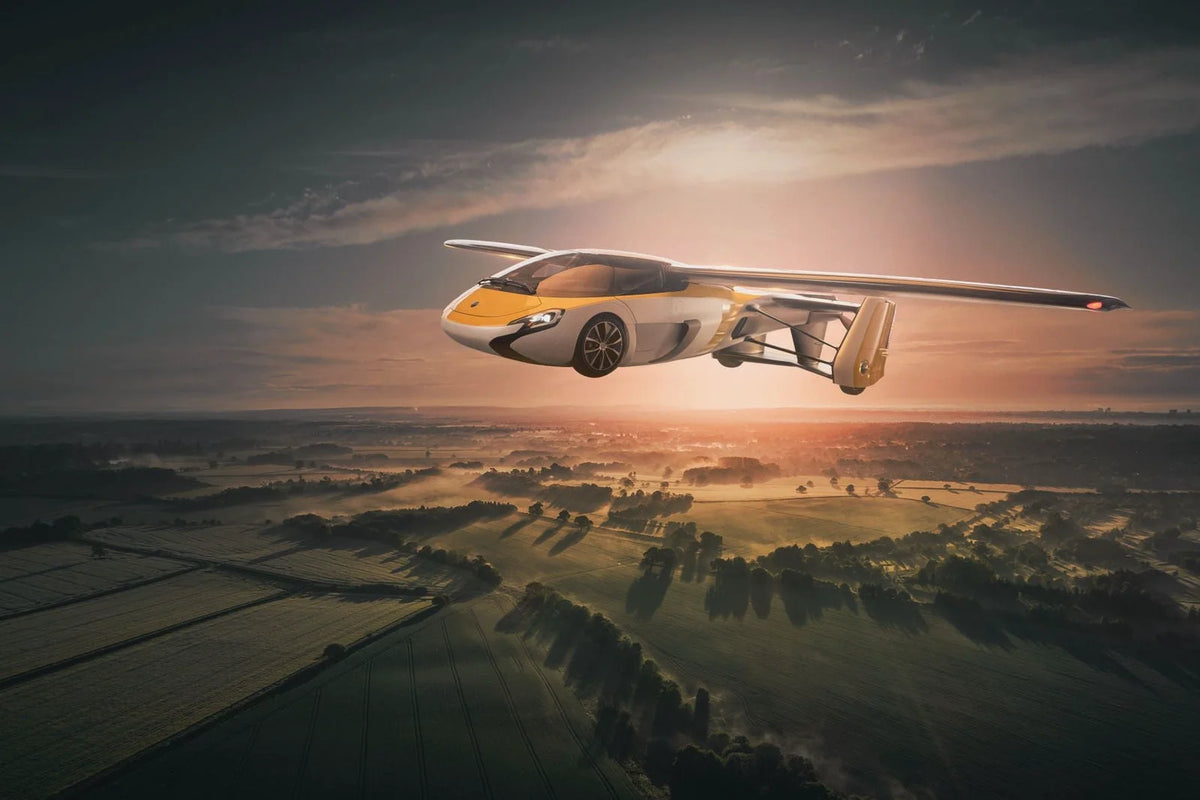
Future mobility adds another category to the conversation. Personal VTOL aircraft and emerging electric aircraft may offer new forms of short-distance transportation, but their prices, certification paths, infrastructure, training requirements, and operating rules can differ from conventional aircraft. If you are researching this direction, our personal VTOL aircraft for sale selection provides a curated view of this developing category.
A 2026 filing from an aircraft developer identifies price, safety systems, endurance, ease of operation, regulatory compliance, and reliability as important competitive factors in personal aircraft and advanced air mobility. Those factors show why an early purchase decision should not focus on price alone. You should also evaluate whether the aircraft can legally and practically perform its intended mission. The relevant considerations appear in an SEC aircraft filing.
What is the most sensible buying strategy?
Start with a written budget that separates acquisition costs from annual costs. Include taxes, inspections, training, financing, insurance, storage, fuel, maintenance reserves, and likely upgrades. Then stress-test the budget against lower annual utilization and higher maintenance requirements.
Next, identify the smallest aircraft that can complete most of your real missions safely and comfortably. A smaller aircraft may reduce purchase and operating costs, but under-sizing can create payload, range, weather, and baggage limitations. The goal is not the lowest price, but the best relationship between capability and total cost.
Review multiple aircraft with an independent adviser or mechanic. Compare records, engine time, avionics, inspection status, parts support, insurance requirements, and resale prospects. A transparent aircraft history is often worth paying for because it reduces uncertainty after closing.
Finally, compare full ownership with chartering, shared ownership, and fractional access. The result may change as your annual flight hours, business needs, family circumstances, or preferred destinations evolve. A flexible access model can be financially sensible while you develop a clearer view of your long-term mission.
Make the price decision through total cost
The most useful personal aircraft price is not the number on a listing. It is the complete financial picture after purchase, training, storage, insurance, maintenance, fuel, financing, and depreciation are included. Define your mission first, then compare aircraft categories and access models against realistic annual utilization. That approach helps you choose an aircraft that supports your ambitions without allowing the ownership budget to become an afterthought.
Take action with TheArsenale
Once your mission and budget are clear, the next challenge is finding a machine that matches both. A curated marketplace can help you compare unusual aircraft, emerging mobility concepts, and design-led machines without limiting your search to conventional listings.

We bring together rare and future-oriented mobility objects from a global network of builders, designers, and brands. Explore our collection of personal aircraft and air mobility vehicles, then contact our team for guidance on sourcing and high-value acquisition opportunities.
Frequently Asked Questions
What is the lowest personal aircraft price?
Basic recreational aircraft and older used trainers can represent the lowest entry point. Their final cost depends heavily on condition, equipment, records, insurance, and the maintenance work required after purchase.
Is a new aircraft better value than a used aircraft?
A new aircraft can provide warranty coverage, modern avionics, and lower early maintenance uncertainty. A used aircraft may offer stronger value when it has complete records, current equipment, and a healthy engine history.
How much should you budget for ownership beyond the purchase?
You should budget for storage, insurance, inspections, fuel, maintenance, reserves, registration, training, and taxes. The annual amount varies significantly by aircraft category, location, utilization, and pilot experience.
When does owning an aircraft make sense?
Ownership is more likely to make sense when you fly frequently, use consistent routes, and value dedicated access. Chartering, shared ownership, or fractional access may be more efficient when your travel pattern is occasional or unpredictable.
Can TheArsenale help with a personal aircraft search?
Yes. We curate rare and future-oriented mobility objects and support collectors with sourcing and high-value acquisition discussions. Availability, specifications, and commercial terms depend on the individual aircraft and builder.