Personal VTOL for Sale: Your Guide to Buying an eVTOL

How much would you pay to lift off from your own driveway and rise above the traffic below? The dream of individual flight is no longer confined to science fiction. A small yet expanding class of electric aircraft now allows a single owner to take off vertically, and the search for a personal VTOL for sale has shifted from curiosity to serious inquiry. For a closer look at one landmark model, you may consult our feature on the Lilium Jet (eVTOL) for private sale.
The industry behind this shift is scaling at pace. The global eVTOL aircraft sector was valued at roughly USD 3.31 billion in 2025, according to Precedence Research, and is projected to reach around USD 5.13 billion in 2026. These personal electric aircraft blend vertical lift with distributed electric propulsion, and several are already reaching private owners rather than remaining trapped in prototype halls.
What a personal VTOL actually is
A personal VTOL is a small aircraft designed to carry one or two occupants, take off and land vertically, and operate without a runway. Most current models are electric, which is why the term eVTOL is used interchangeably. They rely on multiple independent motors, redundant batteries, and computer-assisted flight controls that translate simple stick inputs into stable movement.
This is a young but crowded field. More than 700 eVTOL prototypes have been announced globally, with over 350 active development programs recorded by 2025, according to Business Research Insights. Only a handful, however, are available to individual buyers today. The distinction matters: many headlines concern commercial air taxis, not the compact machines a private owner can actually purchase and fly.

Which personal eVTOL models you can buy now
A short list of aircraft has crossed from concept into ordering. Each targets a slightly different buyer, from recreational thrill-seekers to owners who want a covered cockpit and water-landing capability.
- Single-seat open-frame flyers resemble a large drone with a saddle. They typically use eight electric motors and a battery pack that supports roughly 20 minutes of flight, positioning them as recreational personal flying devices.
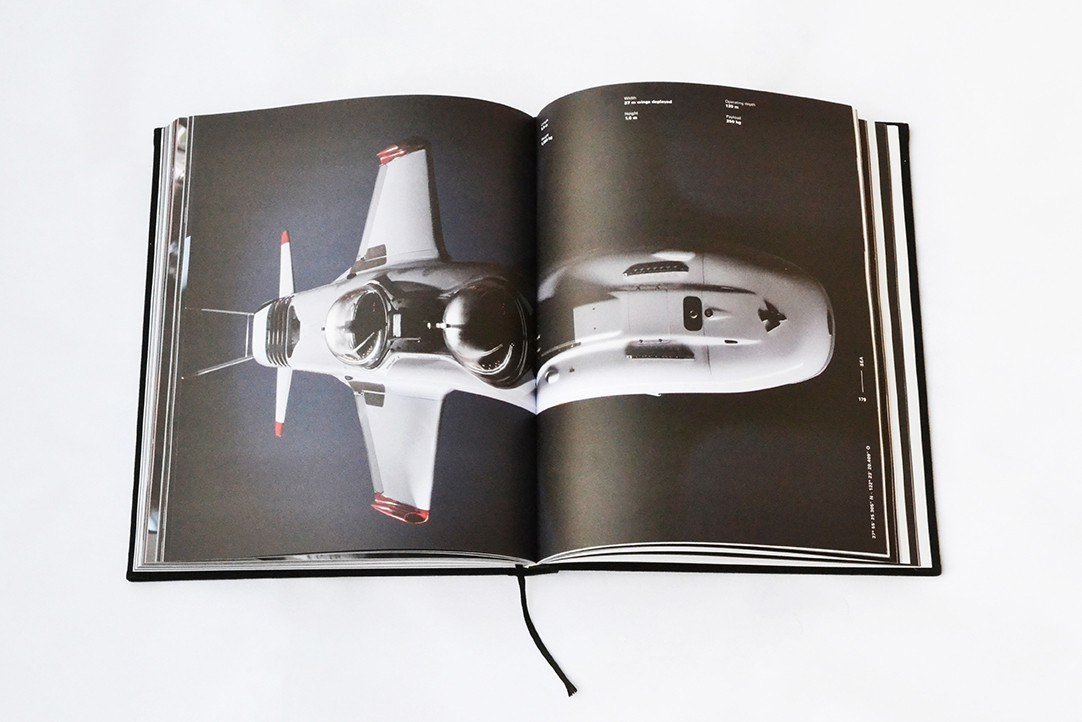
- Enclosed single-seat aircraft place the pilot inside a carbon-fiber shell with a large canopy, adding protection, tilt-based transition, and, in some cases, the ability to land on water.
- Two-seat piloted eVTOLs such as folding-wing designs aim closer to a practical personal aircraft, with side-by-side seating, longer endurance, and a certification pathway under newer light-aircraft rules.
If you prefer to weigh very different design philosophies, our overview of the XTI Trifan 600 VTOL aircraft for the masses illustrates how longer-range, fixed-wing hybrids sit alongside the compact electric flyers described above.
How much a personal flying vehicle costs
Pricing spans a wide band, and the sticker figure rarely tells the whole story. Taxes, delivery, training, and optional packages add materially to the total. The table below compares publicly stated entry prices for representative models and situates a curated marketplace as the most efficient route to acquisition.
| Option | Seats | Indicative entry price | Availability signal |
|---|---|---|---|
| Open-frame single-seat flyer | 1 | ~USD 128,000 | Waitlisted, later delivery windows |
| Enclosed single-seat eVTOL | 1 | ~USD 190,000 to USD 260,000 | Order with staged deposits |
| Larger hexacopter-style flyer | 1 | ~USD 495,000 | Limited production |
| TheArsenale marketplace (our curated access) | Varies | On request | Early access via Private Membership |
Deposits are a recurring theme. Buyers frequently commit a substantial, often non-refundable, amount to hold a production slot, then settle the balance closer to delivery. When you evaluate a personal electric aircraft for purchase, treat the advertised base price as a starting point rather than the final cost.
Certification, licensing, and training
Regulation is where dreams meet reality. Requirements differ sharply by aircraft class and country. Some ultralight-category machines require no formal pilot license in the United States, provided operation stays over uncongested areas and away from airports, though every manufacturer still mandates its own structured training.
Heavier two-seat designs follow a different route. Certain models pursue certification under the FAA Light Sport Aircraft framework and expect owners to hold a private pilot license, complete ground instruction, and log simulator and supervised flight hours. Before buying, confirm the exact category, the training commitment, and where the aircraft may legally fly in your region.

What to weigh before you commit
Enthusiasm is easy; ownership is a system. Flight endurance on most personal eVTOLs sits near 20 minutes to an hour, so honest range expectations matter. Weight limits for pilots are real and enforced. Storage, charging infrastructure, insurance, and resale liquidity all deserve scrutiny before a deposit leaves your account.
Safety architecture is a useful filter. Look for triple-redundant or fault-tolerant flight controls, independent battery packs, and a whole-aircraft ballistic parachute. The broader category has demonstrated strong momentum, expanding at a compound annual growth rate of 33.8% between 2020 and 2025 according to Persistence Market Research, yet a young market also means evolving standards and thin operating histories.
Timing is the final variable. Delivery windows stretch across years, and battery technology continues to improve, which suggests future models may offer materially longer range. Analysts expect the sector to accumulate more than 13,000 cumulative deliveries by 2040 per Stratview Research, a reminder that today's buyers are early adopters in a market still finding its shape.
Where to source a personal eVTOL responsibly
Because supply is limited and many production runs sell out in advance, the channel you buy through can matter as much as the model you choose. Direct manufacturer waitlists are one path. A curated marketplace is another, offering vetting, comparison, and, in some cases, access before public listings appear. Our guide to the Opener Blackfly electric VTOL aircraft for the masses shows how a single platform can help you assess very different machines side by side.
Final considerations before you buy
The market for a personal VTOL you can actually own is real, though still narrow. A realistic buyer confirms the aircraft class, budgets well beyond the base price, plans for mandatory training, and accepts that delivery may sit years out. Approach the purchase as you would any pioneering asset: verify the safety architecture, understand the regulations governing your airspace, and choose a sourcing channel that offers transparency rather than hype. Enter with clear expectations, and personal flight becomes an attainable ambition rather than a costly gamble.
Take action with TheArsenale
If you are ready to move from research to acquisition, you deserve a channel that curates rather than simply lists. We bring together high-end mobility machines, ocean exploration craft, and emerging aerial vehicles under one considered roof, so you can compare options with the context they warrant.

Through our Private Membership, you may access selected vehicles before they are listed publicly, and our sales team is available around the clock, typically replying in under 30 minutes. Explore our personal eVTOL aircraft for sale and let us help you secure the right machine on the right terms.
Frequently Asked Questions
Can you legally buy a personal VTOL today?
Yes, a limited number of single-seat and two-seat electric models are available to individual buyers now. Availability is constrained by waitlists and staged deposits, and delivery windows can extend across several years. Confirm each aircraft's legal category in your country before committing.
How much does a personal eVTOL cost?
Entry prices for current models range from roughly USD 128,000 for open-frame flyers to around USD 495,000 for larger designs. Advertised figures typically exclude taxes, delivery, and training. Budget for these additions and for optional packages that can raise the total substantially.
Do you need a pilot license to fly one?
It depends on the aircraft class. Some ultralight-category machines require no formal license in the United States but restrict where you may fly, while heavier certified models expect a private pilot license. Every manufacturer, regardless of category, mandates structured initial and recurrent training.
How far can a personal electric aircraft travel?
Most current personal eVTOLs offer roughly 20 minutes to one hour of flight on a single charge. Range is shaped by battery capacity, pilot weight, and speed. Battery improvements are expected to extend these figures in future models.
Where is the safest place to purchase one?
You may buy directly from a manufacturer's waitlist or through a curated marketplace that vets and compares machines for you. Through our Private Membership, we offer access to selected vehicles before public listing. Prioritize transparency, verified safety architecture, and clear delivery terms wherever you buy.