Personal Electric Submarine: A 2026 Owner's Guide to the Deep

Once reserved for navies and research institutes, private underwater travel has become a defined luxury category. The global personal submarine market reached USD 1.47 billion in 2024, and demand continues to climb among ocean explorers seeking silent access to the deep. If you are weighing whether ownership is realistic, our guide to Aurora 3C: can you really own a personal submarine? answers the practical questions first.
The appeal is straightforward. A personal electric submarine pairs proven pressure-hull engineering with quiet, zero-emission propulsion, opening a world that few people ever witness. According to recent market research, the sector is projected to grow at a 9.2% compound annual rate through 2033, propelled by luxury tourism and the rising affluence of private buyers.
What Defines a Privately Owned Electric Submersible
A privately owned submersible differs from a naval submarine in scale and intent. It is designed for recreation, filming, or scientific observation rather than endurance missions. Most modern designs seat one pilot with one or more passengers inside a transparent cabin.
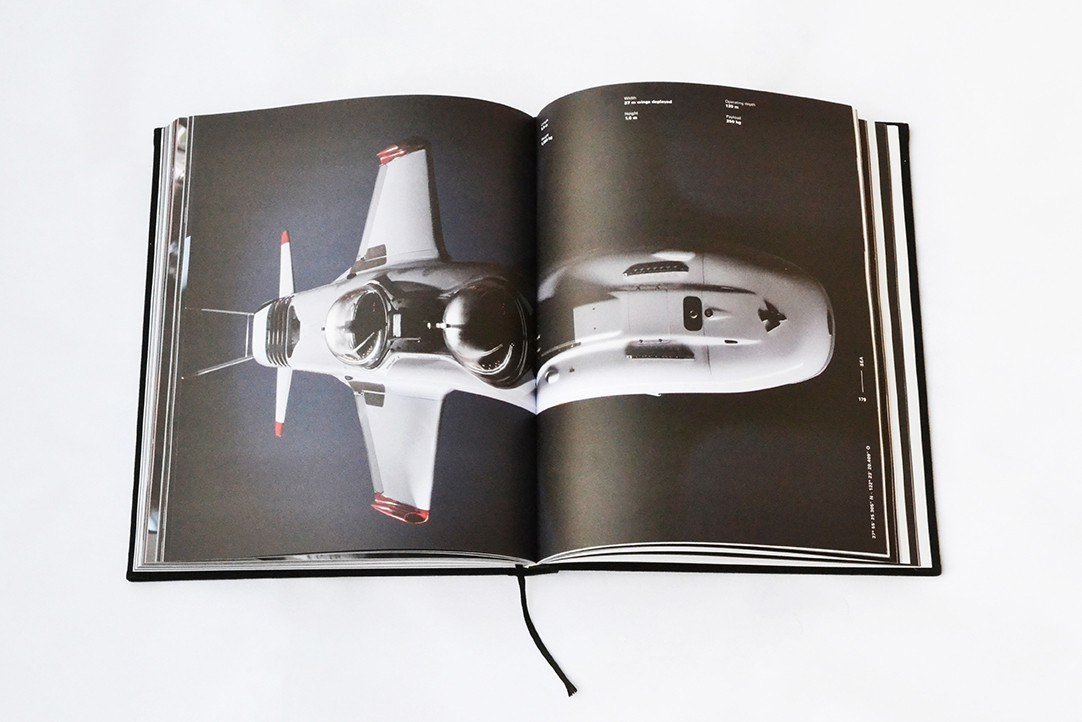
Three features distinguish the current generation of these vessels. First, an acrylic pressure hull delivers a nearly invisible, panoramic view of the marine environment. Second, electric propulsion replaces older diesel systems with silent, clean thrusters. Third, compact dimensions allow deployment from a yacht, a trailer, or a beach launcher.
This combination has redefined accessibility. Buyers no longer need a support ship or a professional crew to reach the seabed. Compact craft now occupy less storage space than a pair of jet skis, which makes ownership practical for a much wider audience.
The Market Behind Private Submarines in 2026

The numbers explain the momentum. Beyond the broad personal submarine figures, the closely related manned submersible segment was valued at roughly USD 0.9 billion in 2026 and is forecast to grow at a compound annual rate near 19.6% through 2035. That pace reflects both leisure demand and expanding use in research.
Growth in the private sector sits alongside a mature engineering base. Decades of investment in pressure-hull design, life support, and subsea batteries now benefit individual owners. Continued innovation in advanced submarine technology, including sonar and navigation modules, steadily improves safety and capability across the board.
Geography still concentrates ownership. North America and Europe hold the largest shares, driven by existing wealth and established interest in ocean exploration. Asia-Pacific, however, is emerging quickly as affluence spreads across the region.
How Much Does a Personal Submersible Cost
Price spans a remarkably wide spectrum. At the accessible end, a compact owner-operated model can be acquired for a high six-figure sum. At the extreme end, ultra-deep and superyacht-scale vessels reach eight figures.
Industry analysis confirms this breadth. Market data notes that private submarines range from single-person submersibles near USD 2 million to luxury models exceeding USD 40 million. The two largest cost drivers are depth rating and passenger capacity.
A vessel certified for a few hundred metres uses a very different structure than one rated for full ocean depth. That engineering gap explains most of the variation you will encounter. If you would like a detailed breakdown of ownership economics, our guide on how to buy a personal submarine walks through the numbers with care.
Depth, Design, and the Rise of Silent Electric Propulsion

Electric power has become the defining technical shift in this category. Battery-driven thrusters allow a craft to hover beside an object of interest or hold position against a current in near silence. That quiet operation lets marine life approach rather than flee.
Modern subs rely on depth-rated, pressure-balanced lithium-ion batteries, representing the latest in subsea energy storage. Many designs are engineered to be positively buoyant at all times. Should all systems shut down, the vessel floats slowly back to the surface on its own, an intrinsic safety principle.
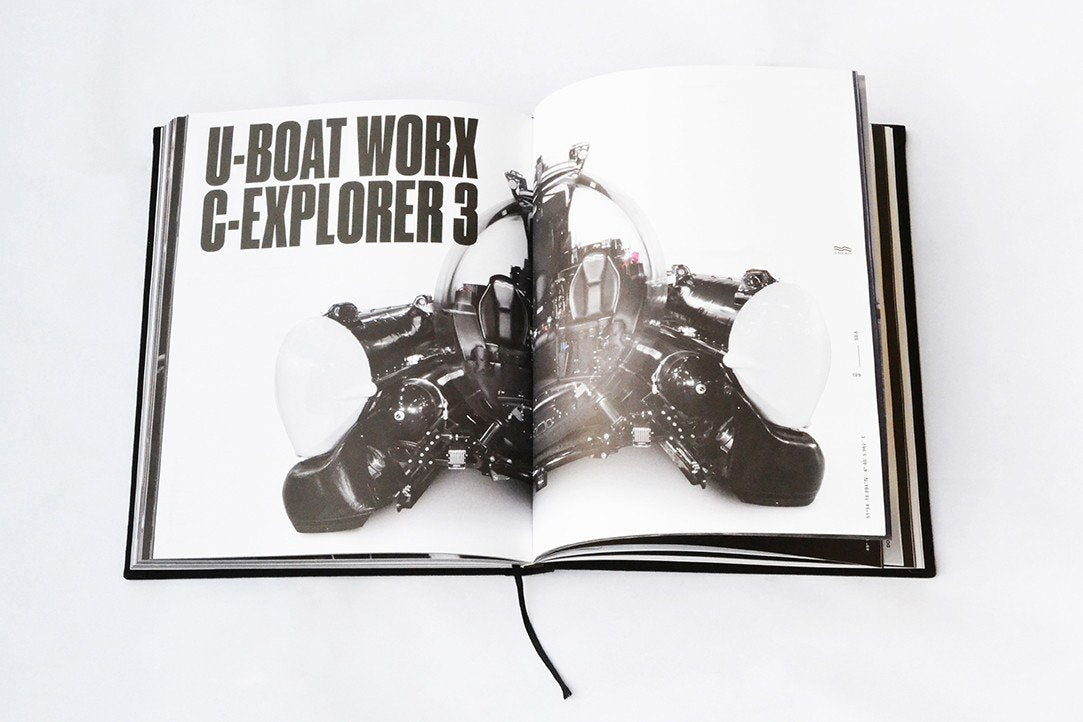
Depth rating remains the clearest indicator of purpose. A shallow-water model suited to reef exploration may reach 100 metres, while a research-oriented craft can descend far deeper. To understand how a professional-grade vessel balances these priorities, review our overview of the U-boat worx C Researcher personal submarine.
Choosing the Right Vessel for Your Needs
Consider two buyers with identical budgets and very different goals. One wishes to entertain guests above a reef; the other wants to film wrecks at depth. Their priorities diverge across several measurable factors.
The first buyer values cabin comfort, easy boarding, and shallow-water agility. The second prioritises depth rating, endurance, and stable camera platforms. Neither choice is universally correct; the right vessel depends entirely on intended use, budget, and support network.
- Occupancy: single-pilot craft differ sharply from three-person cabins in interior space and boarding design.
- Deployment: lightweight models launch from a yacht, a trailer, or a ramp without a large recovery system.
- Visibility: a full acrylic sphere offers an unobstructed panorama, while smaller viewports reduce it.
- Autonomy: operational endurance ranges from a few hours to extended multi-hour dives.
When you are ready to compare specific models side by side, our curated listings of a personal submarine for sale present verified specifications in one place.
How to Buy and Operate a Private Submersible
Acquisition is more approachable than many assume. Series-produced models can be ordered and delivered as turnkey solutions, complete with pilot training and support equipment. Self-piloting is a realistic prospect, since intuitive control systems now assist with heading and depth.
Operation still demands responsibility. Owners should budget for maintenance, certification, secure storage, and safe launch procedures. Complementary tools, from towable trailers to floating submarine houses, make ownership viable even without a superyacht.
Before committing, verify the manufacturer's classification, warranty terms, and after-sales support. A well-documented service history and recognised certification protect both your investment and your safety on every dive.
Bringing Your Underwater Ambitions to the Surface
A personal electric submarine is no longer a fantasy borrowed from fiction. It is a defined, growing category built on decades of proven engineering, silent electric propulsion, and transparent acrylic design. Your ideal vessel depends on how deep you intend to travel, how many people you wish to bring, and how you plan to deploy it. Approach the decision with clear priorities, verified specifications, and a realistic view of ongoing operating costs, and private access to the deep becomes an achievable reality.
Take action with TheArsenale
Choosing an underwater vessel is a significant decision, and you deserve access to vetted machines with transparent specifications. We curate high-end ocean exploration craft for owners who expect precision, discretion, and genuine performance beneath the surface.

Through our marketplace and Private Membership, you may access selected vehicles before they are listed publicly, with a sales team that typically replies in under thirty minutes. Explore our curated collection of luxury personal submarines to find the vessel matched to your ambitions, available across Monaco, Dubai, Doha, and online.
Frequently Asked Questions
Is a private electric submersible difficult to pilot?
Modern designs are engineered for owner operation, with intuitive controls and pilot-assistance functions such as auto-heading and auto-depth. Manufacturers provide dedicated training before delivery. Many models also allow a qualified pilot to supervise while a passenger takes gentle control.
How deep can a personal submarine safely descend?
Depth capability varies widely by design. Shallow-water leisure models may reach around 100 metres, while research-grade and ultra-deep vessels descend far further. The pressure hull and its certification determine the safe operating limit for each craft.
Do you need a yacht to own one?
No. While many owners integrate a submersible with a yacht, lightweight models deploy from trailers, ramps, or beach launchers. This flexibility has made ownership accessible to buyers without a large support vessel.
How much should you budget beyond the purchase price?
Plan for maintenance, certification, secure storage, insurance, and launch equipment. These recurring costs scale with the vessel's size and depth rating. A clear operating budget protects both your investment and your safety.
Where can you find verified vessels for sale?
Curated marketplaces present specifications, provenance, and pricing in a single trusted place. We list vetted ocean exploration craft and offer early access through our Private Membership. This approach reduces the guesswork that often accompanies a private acquisition.