Personal Submarine Buying Guide: What to Know in 2026

Humans have mapped the surface of the Moon in greater detail than the floor of their own oceans, yet the technology to descend beneath the waves is now privately owned rather than reserved for navies. A serious guide to buying a personal submarine therefore begins not with fantasy, but with measurable specifications and verified safety. If you are ready to move from curiosity to a considered acquisition, our guide on how to buy a personal submarine sets out the practical steps.
The category is small, but it is expanding quickly. According to Market Research Intellect, the personal submarines market was valued at roughly USD 168 million in 2025 and is projected to reach USD 522 million by 2035, at a compound annual rate of around 12 percent. That momentum reflects rising interest in underwater exploration and the growing affluence of buyers seeking experiences they cannot find above the surface.
What a personal submarine actually is
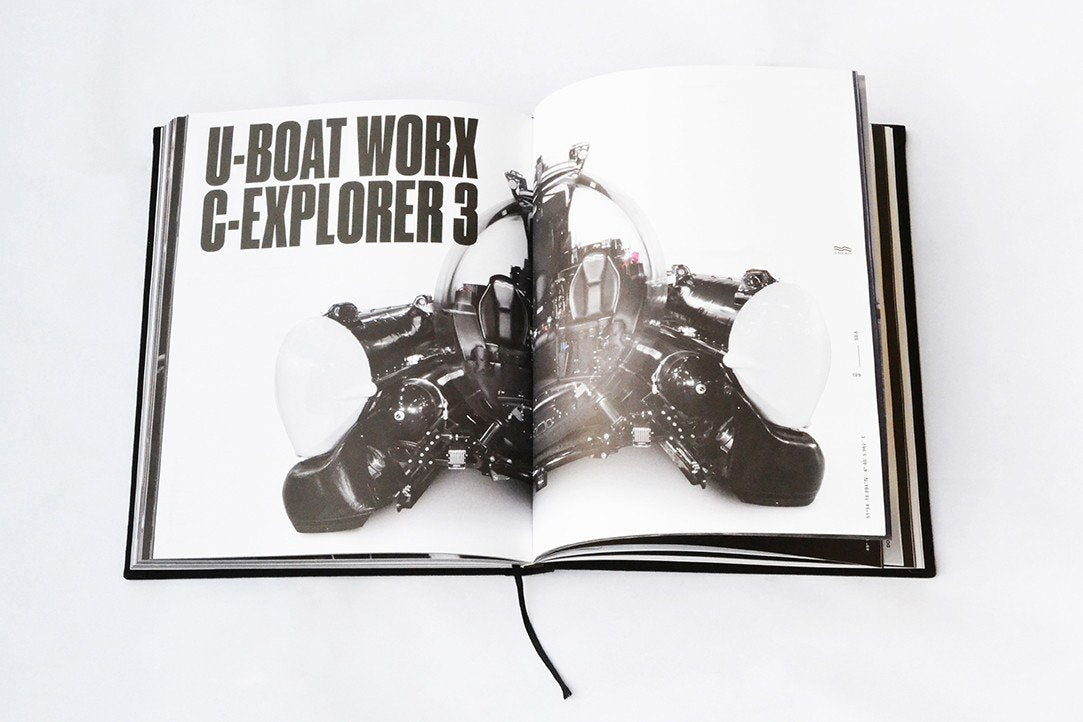
A personal submarine, more precisely a manned submersible, is a compact underwater craft built for private exploration rather than defense. When you begin your research with a personal submarine buying guide, you are generally looking at battery-powered vessels that carry between one and nine occupants inside a transparent pressure hull. Unlike military boats, these craft surface and recharge rather than remaining submerged for weeks.
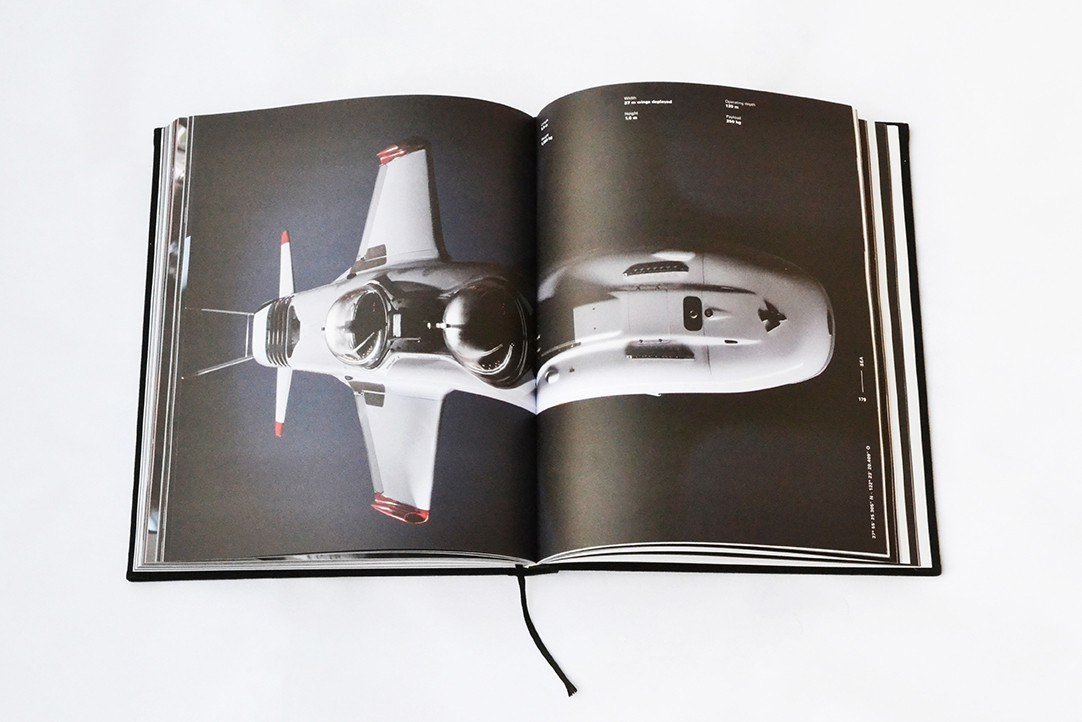
These vessels prioritise visibility and comfort. A panoramic acrylic dome offers an almost unobstructed view of the marine environment, while lithium-ion batteries drive quiet electric propulsion at cruising speeds around three knots. The result is a stable, calm platform for observing reefs, wrecks, and deep-water life at close range.
The market momentum behind private submersibles

Why does a niche pursuit now attract sustained investment? The answer lies in scale and engineering maturity. The wider submarine industry, including naval platforms, was estimated at USD 13.45 billion in 2026 according to a global market report, projected to reach USD 16.44 billion by 2030. Private buyers benefit directly from decades of proven pressure-hull and life-support technology, now adapted for leisure use.
The narrower private and personal submersible segment remains far smaller in value, which explains why supply is limited and lead times can be long. Recreational demand is nonetheless broadening beyond a handful of pioneering collectors, as electric propulsion and improved battery density make ownership simpler and quieter. If you prefer to compare finished vessels rather than concepts, our submarines collection gathers curated models in one place.
How much a private submersible costs
Price is usually the first question, and the range is wide. Entry-level single-person submersibles begin around two million dollars, while large luxury or deep-water craft can exceed forty million dollars. The variance reflects depth rating, occupancy, endurance, and the level of custom integration with a yacht.
Most reputable manufacturers quote pricing on request rather than publishing list prices, because each build is configured to the buyer. Options such as sonar, an underwater tracking system, spotlight packages, and a manipulator arm add meaningfully to the base figure. For a full breakdown of what shapes the final invoice, consult our analysis of personal submarine cost.
Depth rating, occupancy, and the specifications that matter

Two numbers define what a submersible can do: how deep it descends and how many people it carries. Recreational models commonly sit between 100 and 300 meters of depth rating, which covers the vast majority of reef and wreck diving. Deeper craft reach 1,000 meters or more, but they cost considerably more and demand additional training.
Endurance and weight matter for practical use. A compact two-seat craft may weigh around 2,500 kilograms with roughly eight hours of endurance, while a five-passenger model can exceed 7,000 kilograms and offer up to twelve hours submerged. Weight determines whether your yacht crane and deck can handle deployment.
| Purchase route | Typical occupancy | Depth rating | Availability |
| Curated marketplace (we, at TheArsenale) | 2 to multi-passenger | 100 m to deep-water | Pricing on request, worldwide delivery, private membership early access |
| Direct manufacturer | 1 to 9 | 100 m to 2,300 m | New build, longer lead times |
| Pre-owned listing | 2 to 5 | 100 m to 300 m | Immediate delivery, prior dives logged |
New build versus certified pre-owned
Would you prefer a craft configured exactly to your taste, or one ready to dive next month? New builds allow full customisation but carry lead times that can stretch across many months. Pre-owned submersibles, by contrast, are often available for immediate delivery, with certification renewed and dive history documented.
When you consider a used craft, verify the number of dives logged, the servicing record, and, above all, current certification. A well-maintained submersible with a valid classification remains a dependable vessel. According to Business Research Insights, high prices limit accessibility for roughly 30 percent of potential buyers, which is precisely why a documented pre-owned vessel can be a rational entry point.
Certification and safety: the non-negotiable checks
Safety is not a feature to compare; it is the baseline you must confirm. Reputable submersibles are classed by an independent body such as DNV or the American Bureau of Shipping, which inspects the design, hull, and life-support systems. You should never treat a private submarine as a serious purchase without a valid classification certificate.
The engineering behind these standards is not improvised. Government defense spending underwrites much of the underlying research: Mordor Intelligence notes that the United States alone requested USD 25.4 billion for submarine combatants in its 2026 acquisition plan. That investment matures the pressure-hull and propulsion technology from which private buyers ultimately benefit. As the category grows, buyers increasingly expect full documentation, warranty coverage, and a clear maintenance schedule before signing.
Emerging propulsion and hybrid concepts to watch
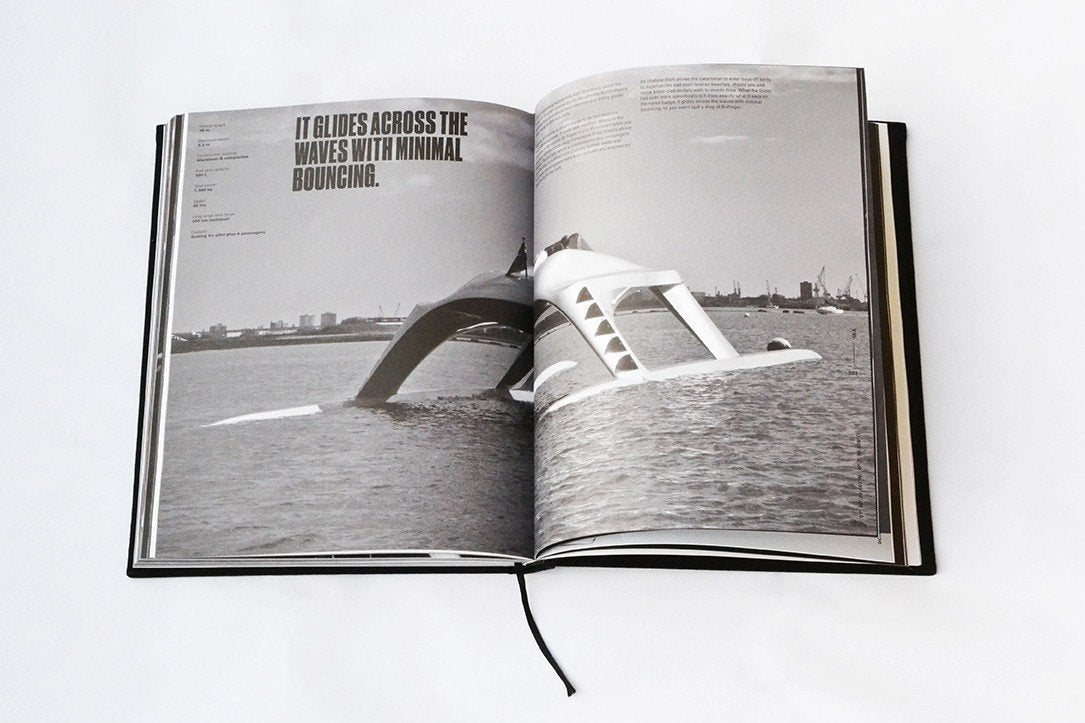
The frontier of the category is blurring the line between boat and submarine. Hybrid craft that plane across the surface at speed and then dive are moving from concept toward reality, promising faster transit to a dive site. Electric propulsion, higher battery density, and autonomous navigation are the current levers of progress.
These advances make submersibles quieter, safer, and simpler to operate, which is one reason ownership is broadening. If you would like to understand the practical ownership process end to end, our Aurora 3C personal submarine overview walks through the real steps from enquiry to delivery.
Bringing your decision together
A confident purchase follows a clear sequence. Match depth rating, occupancy, and weight to how and where you intend to dive, decide between a bespoke new build and a certified pre-owned craft, budget realistically for options, and treat classification as the foundation of every shortlist. Approached this way, a personal submersible acquisition becomes a considered decision rather than a leap of faith, grounded in verifiable specifications and independent safety certification rather than prestige alone.
Take action with TheArsenale
Once your criteria are defined, the challenge shifts from research to sourcing the right vessel from a fragmented, largely private supply. You deserve a curated shortlist rather than a scattered search across manufacturers who rarely publish figures.

We bring the most advanced personal submersibles together in one place, each offered with pricing on request and worldwide delivery, so you can compare configurations with clarity. Explore our personal submarines for sale and ask about our Private Membership, which gives you access to vehicles before they are listed publicly. Our sales team is available around the clock and usually replies in under thirty minutes.
Frequently Asked Questions
How much does a personal submarine cost?
Prices vary widely with depth, size, and options. Entry-level single-person submersibles begin around two million dollars, while large luxury or deep-water craft can exceed forty million dollars. Most builders quote pricing on request because each vessel is configured to the buyer.
How deep can a private submersible dive?
Recreational models are typically rated between 100 and 300 meters, which suits most reef and wreck exploration. Specialist craft descend to 1,000 meters or beyond, though these demand higher budgets and additional pilot training.
Do you need a licence to operate one?
You are not required to hold a traditional maritime pilot's licence in most jurisdictions, but manufacturers provide dedicated pilot training. Completing a recognised training programme is strongly advised before you operate the craft independently.
Can a submarine be launched from a yacht?
Yes, many personal submersibles are designed to integrate with a yacht and deploy using its crane. You must confirm that your vessel's lifting capacity and deck space match the submersible's weight, which can range from around 2,500 to over 7,000 kilograms.
Where can you buy a personal submarine?
You can purchase directly from a manufacturer or through a curated marketplace such as ours, which brings several builders together in one collection. Buying through a specialist gives you comparison across models, pricing on request, and support with worldwide delivery.