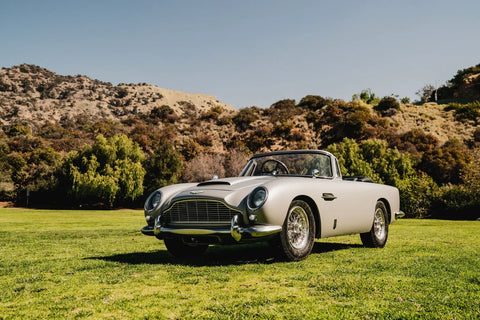
Restomod for Sale: How to Buy a Modern Classic Car
A restomod for sale is rarely just an old car with a newer engine. It is a carefully altered vehicle whose value depends on how well its historic character, modern components, and driving purpose work together. Before comparing listings, review our luxury restomod prices to understand why two cars with similar silhouettes can occupy very different price categories.
The market includes everything from lightly upgraded classics to fully re-engineered cars with bespoke interiors, modern suspension, upgraded brakes, fuel injection, air conditioning, or electric powertrains. This variety creates opportunity, but it also makes direct price comparisons unreliable. You need a structured method that separates visual appeal from engineering quality and documented value.
What does a restomod for sale actually include?
A restomod preserves the recognizable identity of a classic vehicle while improving selected mechanical or functional elements. The work may include a modern engine, an automatic or electronically managed transmission, disc brakes, upgraded suspension, power steering, improved climate control, modern lighting, revised wiring, or a redesigned cabin.
The term does not describe one fixed specification. A restored vehicle aims to reproduce an earlier factory condition, while a custom car may prioritize personal expression over historical continuity. A restomod usually occupies the space between those approaches. Its success depends on whether the modifications feel intentional, coherent, and appropriate to the original design.
Age also influences buyer preferences. In a SEMA report published in 2021, 62% of surveyed businesses said restomodding was increasing. The same research found that 38% of classic owners under 45 pursued a restomod build, compared with 22% of older owners. These figures describe the 2021 market, but they help explain why modified classics appeal to buyers who want heritage without giving up everyday usability.
Which market signals matter in 2026?
In 2026, the collector-car market is rewarding selectivity rather than treating every classic as equally desirable. A 2026 market report from CLASSIC.COM found that the average sale price in the first half of 2026 rose 25% to $75,173, while the median moved more modestly from $25,550 to $26,500.
That contrast matters when you evaluate a restomod. A higher average can reflect a small number of expensive transactions rather than a universal rise in values. A finished car from a recognized builder may attract stronger interest, while an amateur conversion with limited documentation can remain difficult to price.
Look beyond the asking price and consider the factors that create durable appeal. These include the quality of the donor car, the identity of the builder, the consistency of the design, the availability of replacement parts, the quality of the engineering, and the completeness of the build file.
A restomod can also be less liquid than a conventional collector car. Highly personal colors, unusual engine swaps, or incomplete modifications may appeal strongly to one buyer while discouraging another. The most defensible purchase is usually one with a clear specification, traceable work, and a driving experience that matches its intended market.

How do you evaluate the build before you buy?
Begin with the donor vehicle. Ask whether the body, chassis, floors, pillars, and suspension mounting points were sound before the conversion began. Fresh paint can conceal corrosion, repairs, or poorly aligned panels, so photographs from the project are often as important as the finished images.
Then review the mechanical specification. You should know the engine type, transmission, fuel system, cooling system, braking hardware, suspension components, steering system, differential, wheels, tires, and exhaust arrangement. A modern component is not automatically a better component if it is poorly installed or incompatible with the rest of the car.
Electrical work deserves particular attention. Modern accessories can place substantial demands on an older wiring architecture. Confirm whether the vehicle has a new harness, appropriate fusing, reliable grounds, upgraded charging capacity, and documented circuits for lighting, instrumentation, audio, and climate systems.
For a more detailed preparation process, consult our restomod buying guide. It can help you organize questions for the seller, builder, inspector, and transport provider before you place an offer.
- Donor condition: inspect structural metal, previous repairs, corrosion, and panel alignment.
- Engineering quality: check fabrication, mounting points, cooling, braking, suspension, and drivetrain integration.
- Cabin execution: assess upholstery, switchgear, climate control, visibility, and ergonomic quality.
- Documentation: request invoices, build photographs, component records, service history, and inspection reports.
- Road behavior: test cold starting, idle stability, braking, steering, temperature control, vibration, and charging performance.
What should you budget beyond the asking price?
The purchase price is only one part of the financial calculation. You may also need to account for a professional inspection, enclosed transport, taxes, registration, insurance, storage, servicing, and corrective work after delivery. International buyers should also confirm import procedures, local roadworthiness rules, and whether the vehicle can be registered in its destination country.
Specialist parts can add cost even when the car appears finished. A custom wiring system, bespoke glass, unique trim, modified suspension, or one-off electronic control unit may be difficult to replace. Ask whether the builder used widely supported components or created a system that depends on one supplier.
Maintenance access is equally important. A high-output engine may require more frequent servicing than the original unit. A heavily modified chassis may need specialist alignment equipment. Electric conversions can introduce separate questions about battery condition, thermal management, charging hardware, software, and replacement costs.
You should also distinguish between a completed car and a project that is described as nearly finished. The latter may require substantial spending before it becomes reliable. Obtain a written list of outstanding work, estimated completion dates, responsible parties, and included parts before treating the listing as a ready-to-drive vehicle.
Which donor platform fits your priorities?
The ideal base vehicle depends on how you intend to use the car. An American coupe may provide strong visual presence, accessible engine options, and broad aftermarket support. A European grand tourer may offer a more distinctive driving position, sophisticated proportions, and a stronger connection to design history. A classic truck may prioritize utility, stance, and mechanical simplicity.
Design-led buyers should examine how the modifications respect the original proportions. Wheels that are too large, excessive ride-height changes, or modern components that dominate the exterior can weaken the visual balance. The best result usually looks deliberate rather than overloaded.
Powertrain choice also changes the character of the car. A combustion conversion can preserve engine noise and familiar service practices, while an electric conversion may deliver quiet acceleration, simplified drivetrain operation, and a different weight distribution. Neither solution is automatically correct. The right choice depends on range expectations, charging access, local regulations, service support, and the experience you want behind the wheel.
For a distinctive grand tourer direction, explore our Porsche 928 restomods for sale. If electric conversion is central to your brief, review our electric Mustang restomods for sale as a separate design and engineering category.

Why do documentation and inspection decide the transaction?
Photographs can establish presentation, but they cannot confirm structural integrity, wiring quality, drivetrain condition, or road behavior. Arrange an independent inspection with a professional who understands both classic vehicles and modern modifications. A conventional inspection may overlook problems created by non-factory components.
Request a cold-start demonstration and examine the car before it reaches operating temperature. Look for smoke, unusual noises, fluid leaks, warning lights, unstable idle, overheating, steering play, brake pull, driveline vibration, and inconsistent electrical behavior. A road test should cover urban traffic, steady cruising, braking, reversing, and low-speed maneuvering.
Market conditions make this discipline more important. A Black Book update published in February 2026 described broad but uneven softening across collectible vehicle segments. That observation does not determine the value of a specific restomod, but it reinforces the need to pay for quality rather than assume every modified classic will appreciate.
Documentation should include the chassis number, title history, restoration photographs, invoices, parts list, engine and transmission identification, alignment records, dyno information where available, and any warranty terms. If the seller cannot explain who performed the work or which components were used, treat that uncertainty as a financial risk.
Should you buy for driving, collecting, or both?
A restomod can serve as a weekend touring car, a long-distance cruiser, a display piece, or a highly personal collector vehicle. Your intended use should determine the specification. A car used regularly may benefit from air conditioning, sound insulation, reliable charging, modern seals, supportive seats, and discreet safety improvements.
A vehicle intended mainly for shows may justify more specialized finishes, but show presentation does not replace mechanical reliability. Paint quality, polished hardware, and custom upholstery can conceal an unfinished driving experience. Always decide whether you want a car to admire, drive, or use for both purposes.
Resale considerations also favor restraint. Reversible modifications, respected components, coherent styling, and complete records tend to preserve broader buyer interest. Highly personal changes can still be valid, but you should understand that they may narrow the future audience.
The strongest purchase is therefore not necessarily the most powerful or expensive one. It is the car whose design, engineering, documentation, and use case agree with one another. That alignment gives you a more satisfying ownership experience and a clearer basis for future maintenance or resale.
Make your restomod decision with discipline
The right restomod for sale should offer more than an attractive silhouette and an impressive specification sheet. Verify the donor vehicle, inspect the engineering, understand the powertrain, calculate ownership costs, and review the documentation before you negotiate. When the build quality and intended use are aligned, a modified classic can provide the character of an historic automobile with the usability expected from a modern machine.
Take action with TheArsenale
If you are ready to move from general listings to a more curated search, we can help you explore rare and design-led mobility objects through our international marketplace. Our sales and sourcing approach is suited to collectors who want context, specialist guidance, and access to machines that are selected for their character, engineering, and future relevance.

For a focused example of this philosophy, explore the Nardone Porsche 928 restomod. It offers a clear starting point for examining how a respected grand touring design can be interpreted through contemporary craftsmanship, upgraded performance, and a carefully considered collector-car identity.
Frequently Asked Questions
What is the difference between a restomod and a restored classic car?
A restored classic aims to reproduce its original factory appearance and specification. A restomod keeps the vehicle's historic identity while introducing modern performance, comfort, reliability, or safety components.
Is a restomod a good investment?
It can retain value when the car has strong provenance, respected workmanship, coherent design, and complete documentation. However, appreciation is never guaranteed, so you should buy primarily for the ownership experience and evaluate financial risk carefully.
What should I inspect first on a restomod?
Start with the donor vehicle's structure, corrosion history, and previous repairs. Then examine the chassis, wiring, cooling, brakes, suspension, drivetrain integration, and evidence supporting the builder's work.
Are electric restomods reliable?
They can be reliable when the battery system, thermal management, charging hardware, software, wiring, and cooling systems are professionally integrated. You should also confirm service availability, battery documentation, charging compatibility, and local registration requirements.
Can TheArsenale help me find a rare restomod?
Yes, we can support collectors who are exploring rare and high-value mobility objects through our curated marketplace and sales network. You can contact our team for sourcing guidance, availability questions, and a more tailored route through relevant machines.