Choosing a Submarine Adventure Watch for Deep Exploration

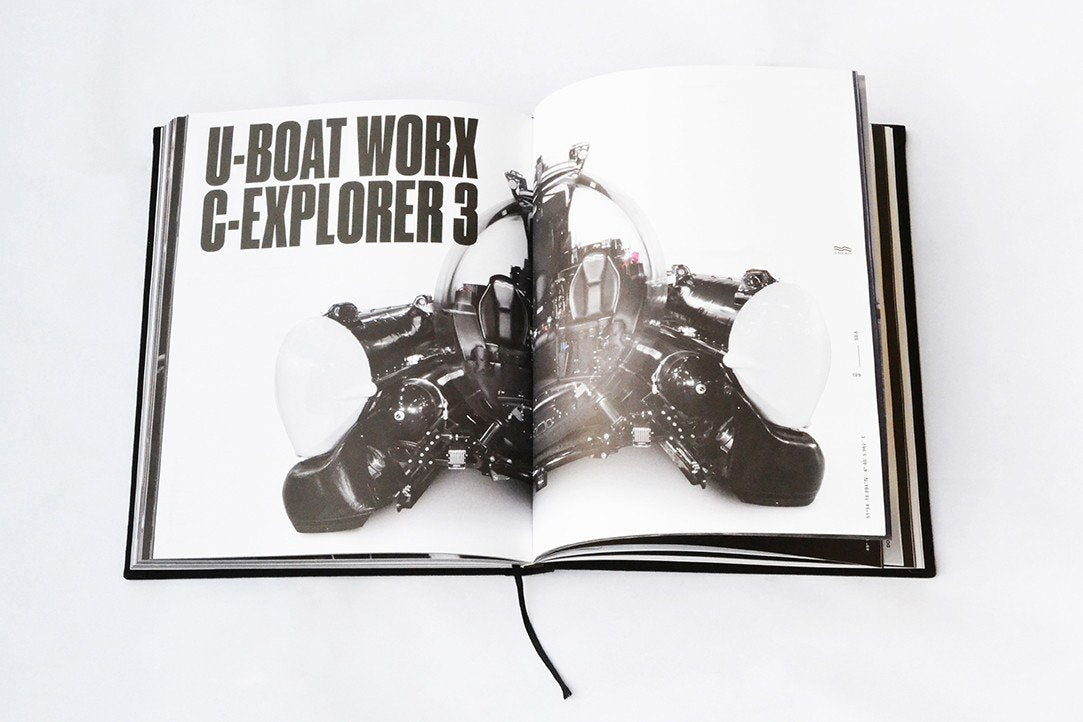
The diving watch category is expanding quickly, with a valuation of 4.8 billion dollars in 2026. Behind that figure sits a simple truth: very few of these instruments ever descend to the depths printed on their dials. Selecting a genuine submarine adventure watch means understanding what actually happens when pressure builds, rather than trusting marketing language alone. If your ambitions run toward the ocean floor, you may also appreciate our C-Researcher personal submarine feature.
Whether you dive recreationally or simply admire engineering built for extremes, the right timepiece pairs certification with craftsmanship. According to MarkWide Research, recreational diver purchases have become the dominant demand pillar, displacing traditional military and commercial procurement. That shift shapes how brands design, test and price these tools today.
What Defines a True Deep-Sea Timepiece
A rugged appearance guarantees nothing. Future Wrist notes that a watch does not become a genuine dive instrument simply because it looks tough, carries a rotating bezel or displays a high water-resistance number. The internationally recognised benchmark is ISO 6425, the standard covering watches designed for underwater diving.
That standard demands more than depth alone. ISO 6425 requires a minimum of 100 metres of water resistance, a reliable method of measuring elapsed dive time, clear underwater legibility, and resistance to pressure, magnetism, shock, saltwater exposure and attachment failure. A watch may pass a general water-resistance test yet remain unsuitable for scuba diving.

Understanding Depth Ratings and Water Resistance
Numbers on a dial are frequently misread. A rating measures static laboratory pressure, not a real-world depth limit. As explained by Future Wrist, a certified 200 metre diver exceeds the ISO baseline by a considerable margin, which makes it more than adequate for the vast majority of recreational dives.
How much depth do you genuinely need? Independent analysis from Watch Value Score observes that anything beyond 300 metres is largely marketing unless you are a professional saturation diver. More relevant for everyday owners is that water resistance degrades over time as gaskets age, so annual pressure testing is recommended if you actually swim with your timepiece.
- 100 metres: the ISO minimum, suitable for swimming and snorkelling.
- 200 to 300 metres: the practical sweet spot for recreational scuba diving.
- 500 metres and beyond: engineered for saturation and technical diving.
Materials That Withstand the Ocean
Construction determines longevity. Modern instruments blend heritage engineering with advanced composites. Industry analysis from Verified Market Reports highlights ceramic composites, titanium alloys and carbon fiber, materials that improve corrosion resistance while reducing weight for comfort during prolonged underwater activities.
Bezel material matters too. Ceramic inserts are virtually scratch-proof and fade-resistant, while aluminium bezels develop a desirable patina but mark more easily over time. When you evaluate an ocean exploration timepiece, weigh these trade-offs against how you actually intend to wear it, whether that is on a reef or across a boardroom.
Movements, Smart Sensors and the Hybrid Shift
Mechanical purists still dominate the premium tier, yet technology is reshaping expectations. Verified Market Reports describes a shift toward smart functionality, with depth sensors, GPS and connectivity transforming traditional divers into multi-functional devices. This evolution follows consumer demand for a seamless blend of adventure and digital lifestyles.
Hybrid configurations that pair automatic calibers with electronic depth sensors are among the fastest-growing product types, according to market research. For collectors, however, analog mechanical movements retain the strongest heritage appeal and hold value particularly well. Your choice depends on whether you prize tradition or in-water data.

Heritage, Icons and Investment Value
Adventure watches carry stories as much as specifications. Certain models have crossed from tool to cultural symbol, appearing on the wrists of explorers and screen heroes alike. For a vivid example of how cinema shaped the category, our Thunderball watch story traces a diving icon back to its silver-screen origins.
Heritage also supports resale value. The market rewards analog mechanical pieces from established houses because collectors prize provenance and scarcity. When you assess an underwater adventure watch as a long-term acquisition, the combination of certification, recognisable design lineage and material quality tends to preserve worth most reliably.
How the Options Compare
The table below contrasts common categories buyers weigh, alongside how we approach curated ocean exploration machines at TheArsenale.
| Category | Typical depth focus | Primary appeal | Best for |
|---|---|---|---|
| Entry recreational diver | 100 to 200 metres | Affordability, everyday use | Casual swimmers and beginners |
| Professional dive instrument | 300 to 600 metres | Certification, durability | Active scuba and technical divers |
| Luxury heritage diver | 300 metres and beyond | Provenance, collectibility | Collectors and investors |
| Curated exploration craft and machines (TheArsenale) | Full ocean depth systems | Early access, rarity, curation | Serious ocean explorers and collectors |
If your passion extends from the wrist to the water itself, we curate rare ocean exploration machines and offer members early access before public listings. That same standard of selectivity guides how we present every craft.
Final Thoughts on Choosing Well
A dependable submarine adventure timepiece is defined by verified engineering, not by the largest number on its dial. Prioritise ISO-aligned certification, a depth rating that matches your real activity, and materials suited to saltwater. Remember that resistance fades as seals age, so regular testing protects your investment. Whether you favour a mechanical classic or a sensor-equipped hybrid, let purpose and provenance guide the decision, and the watch will serve you faithfully both beneath the surface and above it.
Take action with TheArsenale
Your fascination with the deep does not need to stop at the wrist. If exploring the ocean floor genuinely excites you, the next step is the machine that carries you there. We connect serious explorers with rare, meticulously curated craft built for genuine descent.

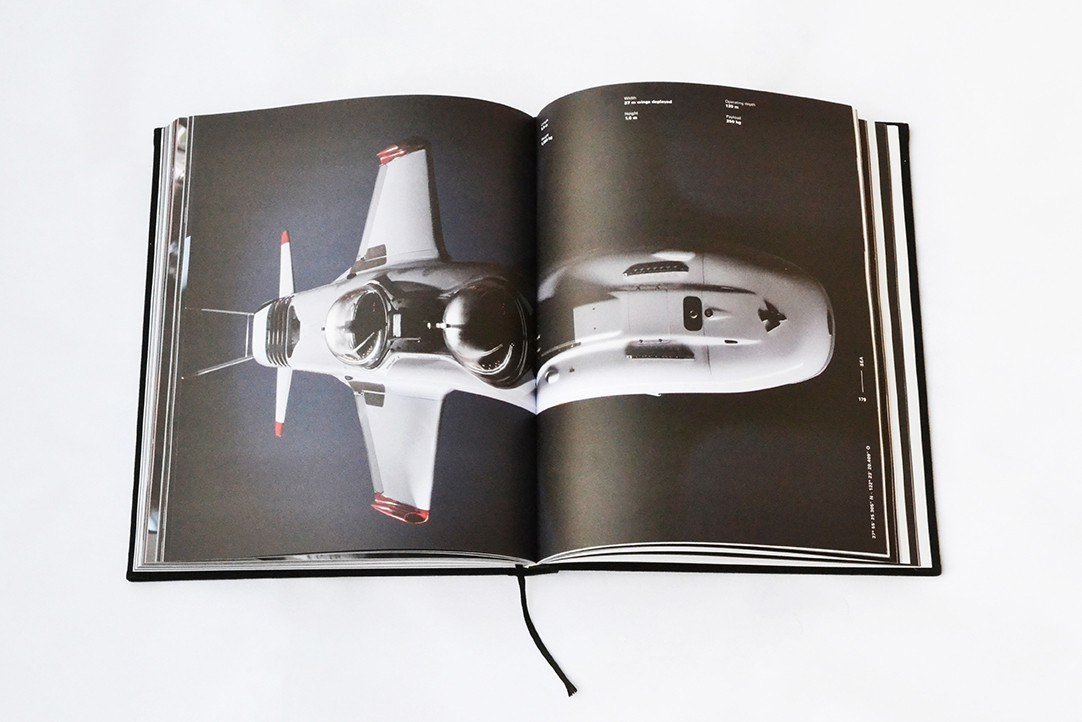
As a luxury mobility marketplace, we curate ocean exploration machines and submersibles for discerning buyers, with Private Membership access to vehicles before they are listed publicly. Explore our submarines collection to discover craft engineered for true underwater adventure, and reach our team whenever you are ready.
Frequently Asked Questions
What depth rating do you actually need for recreational diving?
A certified 200 to 300 metre watch comfortably covers recreational scuba diving. The ISO baseline is only 100 metres, so a 200 metre model already offers a considerable safety margin. Ratings above 300 metres mainly serve professional saturation divers.
What does ISO 6425 certification mean?
ISO 6425 is the international standard for watches designed for underwater diving. It requires at least 100 metres of water resistance plus tested resistance to pressure, magnetism, shock, saltwater and attachment failure. A high depth number alone does not satisfy it.
Why is the bezel unidirectional?
A unidirectional bezel rotates only one way as a safety feature. If it is accidentally knocked, it can only indicate that more time has elapsed, never less. This helps divers preserve a safe decompression margin underwater.
Do these watches lose water resistance over time?
Yes. Water resistance degrades as rubber gaskets age and compress. If you regularly swim or dive with your timepiece, annual pressure testing is recommended to confirm the seals remain intact.
Where can I find craft for genuine ocean exploration?
Beyond the timepiece, we curate submersibles and ocean exploration machines for serious explorers. Our submarines collection presents rare craft engineered for real descent, and Private Membership offers early access before public listings.