Personal Submarine for Sale: A Complete Buyer's Guide

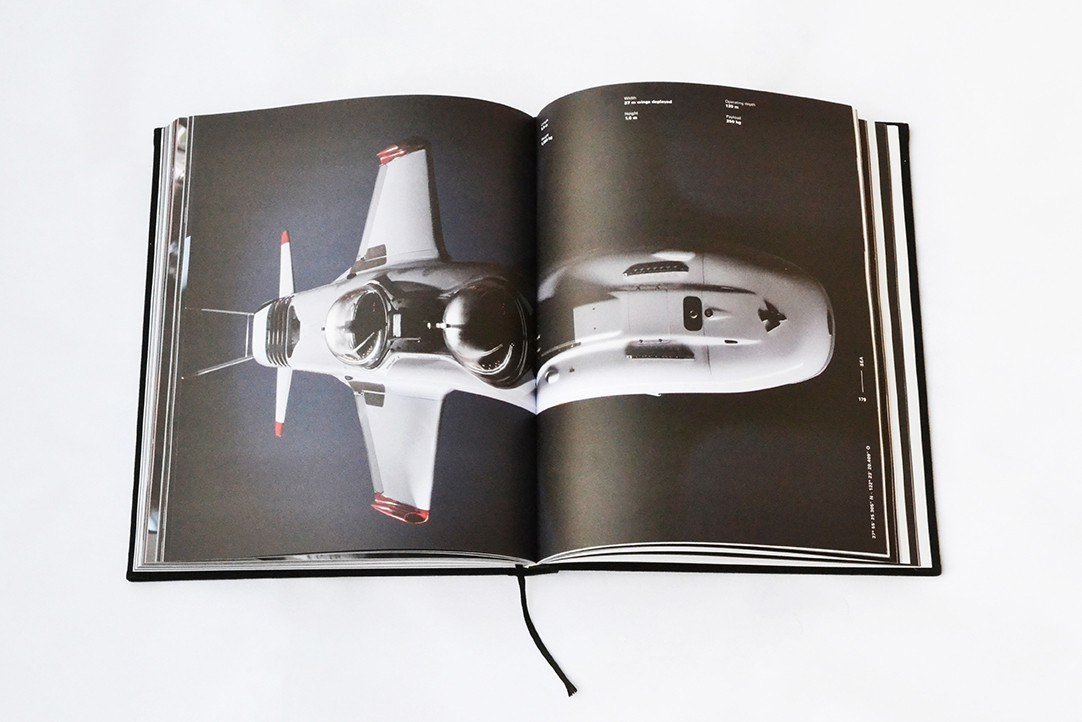
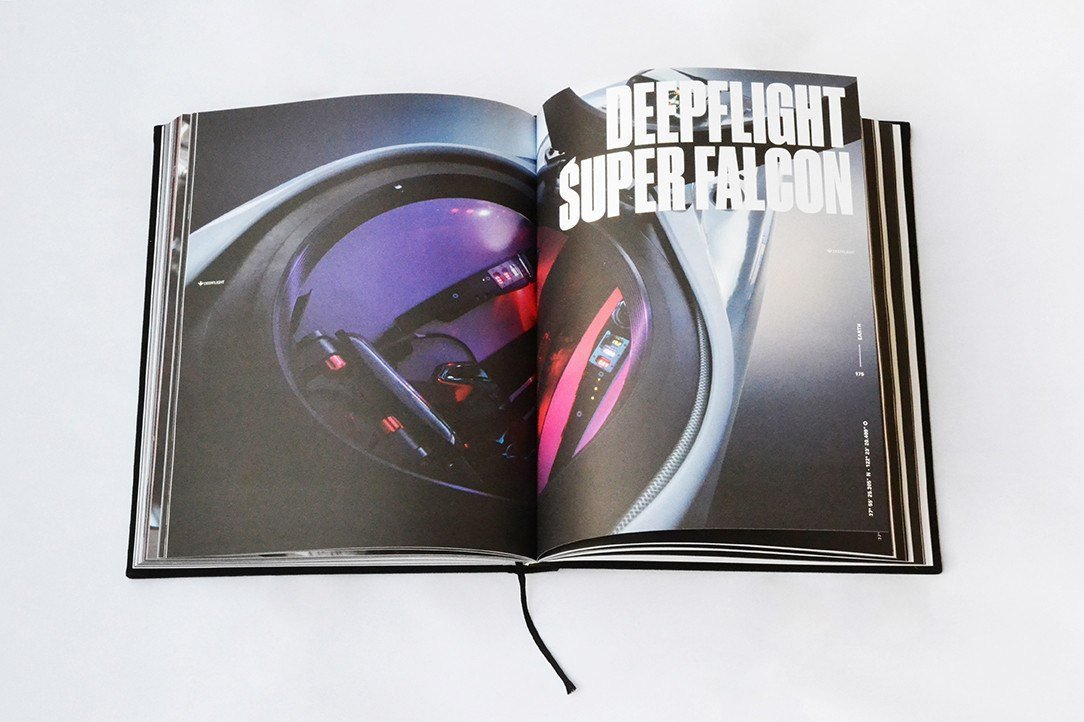
The global personal submarine market reached 1.47 billion dollars in 2024, a figure that reflects how quickly private underwater exploration has moved from naval science into private hands. Yet a genuine submarine for sale remains rare, sold through a handful of certified builders rather than open showrooms. Understanding what you are buying matters before any deposit is placed. If you want a curated starting point, review our guide to personal submarines for sale.
Buying a private submersible is closer to commissioning a yacht than ordering a car. Configuration, depth rating and launch systems all shape the project. According to a market report, the sector is projected to expand at a 9.2 percent compound annual rate through 2033, driven by underwater tourism and rising high-net-worth demand.
What a personal submarine actually costs
Price is the first question most buyers ask, and the range is wide. Published market prices begin at around 550,000 dollars for compact production models built for two occupants, and climb well past three million for multi-passenger, deep-diving craft. Flagship expedition submersibles start near 3.7 million dollars before options.
These figures reflect a small, specialised industry rather than mass production. The personal submersible market was valued at roughly 168 million dollars in 2025 and is expected to reach 522 million dollars by 2035, expanding at a 12 percent annual rate according to one industry forecast. Limited supply, bespoke engineering and rigorous certification all keep prices high. When you evaluate a private underwater craft, the sticker price is only the beginning; training, transport and support add materially to the total.

Which submersible fits your yacht?
The first constraint is rarely budget. It is the garage. Footprint, weight and crane capacity decide which models your vessel can carry, so compact craft are engineered specifically for superyacht storage while larger expedition subs typically travel on a dedicated support vessel.
Consider two buyers with identical budgets and very different needs. One wants to entertain guests above a shallow reef; the other wants to film wrecks at depth. Their ideal vessels diverge across weight, cabin layout and depth rating. Before you commit, share your yacht specifications so the right shortlist emerges early. Our overview of how to buy a personal submarine walks through the launch, recovery and storage questions in detail.
Depth rating, capacity and the specifications that matter
Depth is the defining variable. Compact yacht submersibles usually reach 100 metres, most private models are rated to around 300 metres, and specialised craft descend beyond 1,000 metres. The right rating depends entirely on what you intend to see, whether that is coral gardens, historic wrecks or the true deep.
Capacity follows use. Two-seat cabins suit intimate dives, while three-to-five-seat layouts serve families and tourism operators. Endurance on modern lithium-ion craft commonly runs eight to twelve hours per dive. These are not experimental figures; they reflect decades of proven pressure-hull and life-support engineering now adapted for leisure. The wider submarine industry, valued at 14.14 billion dollars in 2026, underlines how mature the underlying technology has become.
| Buyer need | Typical depth | Capacity | Where to buy |
|---|---|---|---|
| Compact yacht diving | Up to 100 m | 2 seats | Curated marketplace (our collection) |
| Family and reef exploration | Up to 300 m | 3 to 5 seats | Curated marketplace (our collection) |
| Deep expedition and filming | 1,000 m and beyond | 2 to 3 seats | Specialist commission |
Certification and safety come first
Are private submersibles safe? The serious answer lies in independent certification. Reputable builders class every craft with recognised societies such as DNV or ABS, meaning pressure hulls, life support and each dive cycle are engineered and inspected to published standards.
Certification should be the first document you request and the first thing any seller shows you. A submersible without valid class papers is not a purchase; it is a liability. This discipline is one reason the sector grows steadily rather than chaotically, with high prices limiting accessibility for roughly a third of interested buyers according to one market analysis. When you buy through us, verified certification is confirmed before any vessel enters our curation.

Do you need a licence, and where do you buy?
No state licence exists for recreational submersibles. Builders provide their own pilot training, typically running from a few days to two weeks, and many owners simply have a crew member certified to operate the vessel.
Where you buy matters as much as what you buy. Direct builder orders, brokers and curated marketplaces each carry different trade-offs in delivery time, transparency and after-sales support. For a considered comparison of channels and locations, see our guide to the best places to buy a personal submarine. The right path keeps a single point of contact from first question through sea trials.
Bringing your decision together
Finding the right private submarine is a matter of sequence, not luck. Confirm what depth and capacity your diving genuinely requires, verify class certification, and check that the vessel fits your yacht before you fall for a specification sheet. Price sets the frame, but support, training and delivery decide whether ownership is a pleasure or a burden. Approach the purchase as a long-term project, and the underwater world becomes genuinely accessible.
Take action with TheArsenale
You have mapped the depth, capacity and certification that fit your plans, and now you need vessels you can actually acquire. That is precisely where we help, curating personal submersibles from proven builders and acting as your single point of contact from the first question to sea trials.

Every listing we present is a machine we can deliver, with certification confirmed before it enters our curation. Members also gain access to vehicles before they are listed publicly through our Private Membership. Explore our curated submersibles collection and speak with our sales team, who usually reply in under thirty minutes.
Frequently Asked Questions
How much does a personal submarine cost?
Compact production models begin at around 550,000 dollars, while multi-passenger, deep-diving submersibles reach several million. Flagship expedition craft start near 3.7 million dollars before options, transport and training are added.
Do I need a licence to pilot a private submarine?
No state licence exists for recreational submersibles. Builders provide their own pilot training, usually lasting from a few days to two weeks, and many owners have a crew member certified instead.
How deep can a personal submersible go?
Compact yacht submarines typically reach 100 metres, and most private models are rated to around 300 metres. Specialised deep-diving craft can descend beyond 1,000 metres depending on their engineering.
Can a submarine be stored on my yacht?
Several models are designed for exactly that, with a compact footprint, reinforced lifting points and launch-and-recovery integration. You should confirm your garage dimensions and crane capacity before selecting a vessel, and we can verify what fits.
How do I verify a submarine is safe to buy?
Request valid classification papers from a recognised society such as DNV or ABS before anything else. These confirm that the pressure hull, life support and dive cycles meet inspected standards, and we check this before any craft enters our curation.