How to Find Trustworthy Collector Motorbike Sellers Online
A collector motorcycle purchase can turn on a single question: can you trust the seller when the machine is rare, modified, or far away? When you search for trustworthy collector motorbike sellers, begin with documented provenance, independent inspection, clear terms, and a seller willing to explain every gap. We give collectors a focused place to begin with our motorcycles for sale, while the same checks should guide every private or dealer transaction.
Rarity increases both emotional appeal and information risk. A dramatic photograph cannot confirm originality, legal ownership, mechanical condition, or safe delivery. Guidance for classic vehicle buyers has long emphasized complete service history and specialist assessment when important details remain uncertain, as noted in a classic market guide.
What makes a collector motorbike seller trustworthy?
A trustworthy seller reduces uncertainty before asking for a deposit. That begins with a precise description of the motorcycle, including its model identity, production year, frame number, engine number, mileage, ownership history, restoration status, and current location.
The seller should also distinguish between factory originality, sympathetic restoration, mechanical refurbishment, and custom modification. These categories affect value, maintenance, insurance, registration, and future resale. A motorcycle described simply as “original” may contain replaced instruments, non-standard paint, reproduction parts, or a rebuilt engine.
Provenance documentation is therefore more useful than broad assurances. Look for invoices, factory correspondence, previous registration records, restoration photographs, specialist reports, ownership transfers, and dated service entries. The documents should form a coherent timeline rather than a collection of isolated papers.
Specialist knowledge matters as well. A credible seller should explain why the motorcycle is collectible, which features support its identity, and where uncertainty remains. You should receive answers that are specific enough to test, not vague language designed to create urgency.
Reputation is helpful, but it should not replace inspection. A long operating history, clear contact information, responsive communication, and consistent documentation create confidence. They do not remove the need to verify the individual motorcycle being offered.
Which records should you request before paying?
Begin with the motorcycle’s identity. Ask for clear photographs of the frame and engine numbers, then confirm that they match the title, invoice, registration record, insurance documents, and import paperwork. Any mismatch deserves a written explanation before negotiations continue.
Request a complete service and maintenance file. It should identify major work, replacement components, fluid changes, tire age, battery history, storage conditions, and recent recommissioning. For an older machine, the date of the last service may matter more than the odometer reading.
You should also ask for a modification schedule. This record should identify changes to the frame, suspension, brakes, wheels, exhaust, fuel system, electrical system, bodywork, and controls. Custom work is not automatically a weakness, but undocumented structural or mechanical changes create avoidable risk.
The distinction between seller statements and independent evidence is important. A research methods reference highlights the broader importance of evaluating the quality and relevance of information used in a purchase decision. For collectors, that means treating photographs and descriptions as starting points, not final proof.
Ask for the written purchase terms before sending money. The document should state the motorcycle’s identity, condition, included accessories, payment schedule, deposit terms, delivery responsibilities, taxes, title status, and remedies if the machine materially differs from its description.
When the seller cannot provide a document, ask whether it never existed, was lost, or can be replaced. These explanations carry different implications. A missing original invoice may be understandable, while an unexplained ownership gap or altered identification number requires much greater caution.
How should you inspect condition and originality?
Condition should be assessed as a mechanical system, not only as a visual object. Begin with the frame, steering head, swingarm, wheels, and suspension mounting points. Look for cracks, uneven welds, distortion, corrosion, repair marks, and alignment problems.
Examine the engine for oil leaks, damaged fasteners, unusual wear, corrosion, and signs of recent cosmetic cleaning. Ask whether the motorcycle starts from cold. A warm engine can conceal difficult starting, unstable idle, smoke, or excessive mechanical noise.
During a controlled ride, evaluate clutch engagement, gearbox operation, steering resistance, braking response, suspension movement, charging performance, and heat management. If riding is not possible, request a live video inspection that includes the identification numbers, cold start, controls, lights, tires, chain or belt, battery area, and underside.
Originality requires careful interpretation. Some collectors value untouched factory specification, while others prefer documented restoration or period-correct upgrades. Your priorities should be clear before you compare motorcycles, because a beautifully restored example may not satisfy a buyer seeking untouched finishes and components.

Independent inspection is especially valuable when you cannot view the motorcycle personally. A qualified mechanic can assess compression, fluid condition, chassis alignment, braking components, electrical work, suspension, and evidence of accident damage. The cost of an inspection is usually modest compared with the consequences of buying an expensive machine with hidden defects.
For buyers considering a custom build, our custom motorcycles for sale content provides a useful reference point for judging design, base platforms, build quality, and intended character. The same principle applies to any seller: the motorcycle should be evaluated as both a collectible object and a functioning machine.
What separates a careful seller from a persuasive listing?
A persuasive listing focuses on emotion. A careful seller gives emotion a factual foundation. The listing should show the motorcycle from multiple angles, including areas that are less attractive but more informative, such as the frame, engine cases, wiring, underside, tire dates, and identification marks.
Descriptions should separate confirmed facts from interpretation. “The engine was rebuilt in 2023” is verifiable if supported by invoices. “The engine is perfect” is a subjective statement that requires testing. Trustworthy communication uses precise language and acknowledges limitations.
Be cautious when photographs appear heavily edited or when every image emphasizes polished bodywork. Clean presentation is appropriate for a collector motorcycle, but it should not replace technical evidence. Ask for dated photographs or a live inspection when the listing does not show enough detail.
Pressure is another warning sign. A seller who demands immediate payment, refuses an independent inspection, changes bank details during negotiations, or discourages written questions is increasing your exposure. Scarcity can be genuine, but it should not be used to bypass ordinary safeguards.
Transparent pricing also matters. Confirm whether the stated amount includes taxes, buyer fees, registration preparation, crating, insurance, shipping, import charges, and final servicing. A low headline price can become expensive when essential costs appear only after the deposit.
Do not assume that a limited production number guarantees future value. Collectibility depends on scarcity, desirability, condition, provenance, cultural significance, and the strength of the future buyer pool. A rare motorcycle with weak documentation may be more difficult to sell than a better documented example with less dramatic specifications.
How do international delivery and ownership terms change risk?
International purchases introduce responsibilities that should be assigned in writing. Confirm who handles export documents, customs declarations, import duties, taxes, insurance, port charges, crating, delivery, and destination registration.
Ask how the motorcycle will be secured for transport. The seller should explain whether fluids are drained, the battery is disconnected, the machine is protected against moisture, and the crate is suitable for the transport method. Request insurance details and a procedure for reporting damage on arrival.
Registration requirements differ by jurisdiction. Modified frames, imported motorcycles, historic classifications, and assembled machines may be treated differently from standard production vehicles. Before payment, ask the relevant authority or a qualified local specialist what documents are required in your destination country.
Your digital research is part of this process. In 2025, a local business report observed that shoppers often reviewed product information, reviews, and contact details online before contacting a seller, a behavior reflected in a 2025 consumer report. For collector motorcycles, a clear online presence should support, not replace, direct verification.

Delivery terms should also address timing and acceptance. Define when ownership transfers, what happens if transport is delayed, how damage is documented, and whether the seller must correct discrepancies discovered at delivery. Keep photographs, invoices, messages, inspection reports, and payment records together.
Our guide on how to buy a custom motorcycle follows the same disciplined approach. It addresses the riding brief, complete ownership budget, engineering review, paperwork, inspection, negotiation, and delivery assumptions before payment.
Where can a curated marketplace help collectors?
A curated marketplace can reduce search friction by bringing unusual machines, builders, and design-led motorcycles into one environment. Its value depends on the quality of the curation and the support available after a buyer identifies a motorcycle of interest.
For collectors, access is only useful when it is paired with context. You should understand what makes a machine distinctive, whether it is available for immediate purchase or requires sourcing, which documents are available, and whether the seller can answer questions about inspection and delivery.
We support that process by connecting collectors with curated mobility objects and personal sales assistance. Our role is not to replace your judgment. It is to help you frame the right questions, compare finished machines with commissioned projects, and decide whether a particular motorcycle fits your collection and ownership plans.
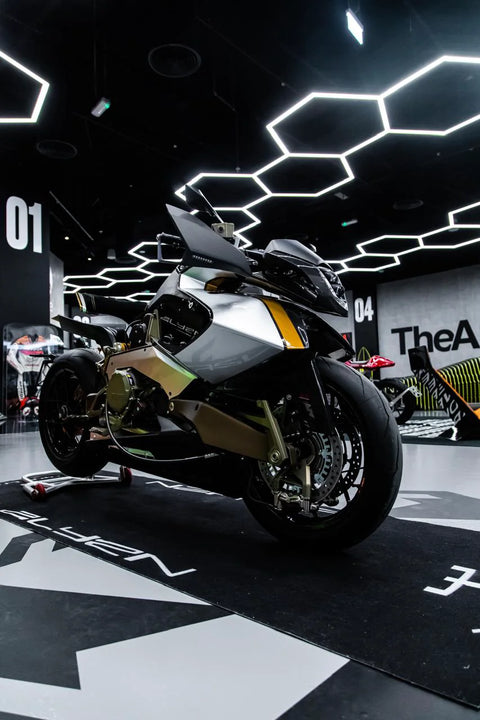
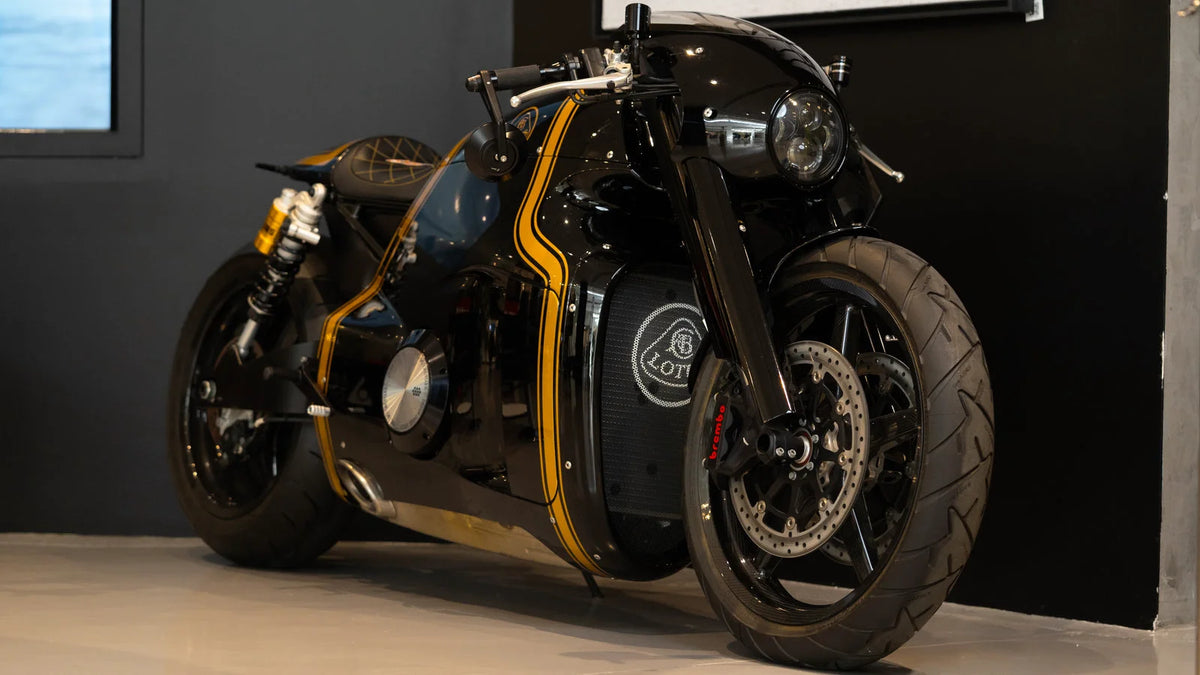
Some buyers seek a historically significant motorcycle. Others prefer a modern custom build, an electric motorcycle, or a limited machine that expresses a distinctive design language. Our editorial selection of collector motorcycles available to order illustrates how design, engineering, exclusivity, and availability can shape the buying conversation.
Before you proceed, ask whether the marketplace can clarify the machine’s identity, condition, documentation, payment process, and delivery responsibilities. If the answer is incomplete, request the missing information before treating the motorcycle as a serious acquisition candidate.
Make confidence part of the purchase
The right seller does more than present an attractive collector motorcycle. The seller makes the machine understandable. Provenance, inspection access, accurate descriptions, transparent costs, secure payment, and defined delivery responsibilities should all be visible before you commit. When those foundations are present, rarity becomes a reason to investigate further rather than a reason to hurry.
Whether you are acquiring a preserved classic, a documented restoration, or a bespoke build, evaluate the motorcycle against your intended use and collection strategy. The most dependable route is to combine specialist guidance with independent verification, then keep a complete ownership file for the next stage of the motorcycle’s history.
Take action with TheArsenale
Once your criteria are clear, the next step is to review motorcycles that match your expectations for design, rarity, engineering, and provenance. We help collectors and enthusiasts explore unusual mobility objects through a considered marketplace and personal sales support.

Visit The Arsenale marketplace to browse curated machines and begin a more informed conversation about availability, sourcing, and acquisition requirements. Our team can help you clarify whether a finished motorcycle or a more tailored search is appropriate for your collection.
Frequently Asked Questions
How can I identify a trustworthy collector motorbike seller?
Look for complete identity records, clear ownership history, detailed condition information, independent inspection access, and written purchase terms. A trustworthy seller should answer specific questions without using pressure or unexplained urgency.
What documents should I request before buying a collector motorcycle?
Request the title, invoice, frame and engine identification records, registration history, service file, restoration invoices, modification schedule, and import documents where relevant. Confirm that the documents describe the same motorcycle and form a consistent ownership timeline.
Should I arrange an independent inspection?
Yes, especially when the motorcycle is expensive, modified, restored, or located in another country. An independent mechanic can evaluate the chassis, engine, brakes, suspension, electrical system, and evidence of hidden damage.
What should international buyers confirm before payment?
Confirm responsibility for export documents, customs, taxes, insurance, crating, shipping, import clearance, and destination registration. You should also define how transport damage, delivery delays, and discrepancies will be handled.
Can TheArsenale help me source a rare collector motorcycle?
Yes. Our marketplace and sales team support collectors seeking unusual motorcycles and other high-value mobility objects. You can discuss available machines, sourcing requirements, documentation questions, and whether a finished or commissioned motorcycle better suits your needs.