Underwater Boat: The Complete Guide to Personal Submarines

Fewer than a thousand privately owned submersibles exist worldwide, yet demand for private access to the deep has never been stronger. If you have ever considered acquiring a machine that carries you calmly below the waves, our guide on how to buy a personal submarine is a sensible starting point. The category sits at the intersection of yachting, engineering and genuine exploration.
The phrase underwater boat covers everything from two-seat leisure craft to deep-diving research vessels. According to Mordor Intelligence, the broader submarine market is valued at USD 14.14 billion in 2026, evidence of how mature the underlying pressure-hull and life-support engineering has become. Private buyers now inherit technology once reserved for national navies, adapted for comfort, safety and repeatable leisure diving.
What an underwater boat really is
An underwater boat is a self-propelled, manned vessel engineered to operate both on the surface and submerged. Unlike a diver towed behind a vessel, it maintains a dry, pressurised cabin at surface pressure, which means you do not require decompression and you breathe normal air throughout the dive. This distinction separates a true personal submersible from surface water toys or semi-submersible novelty craft.
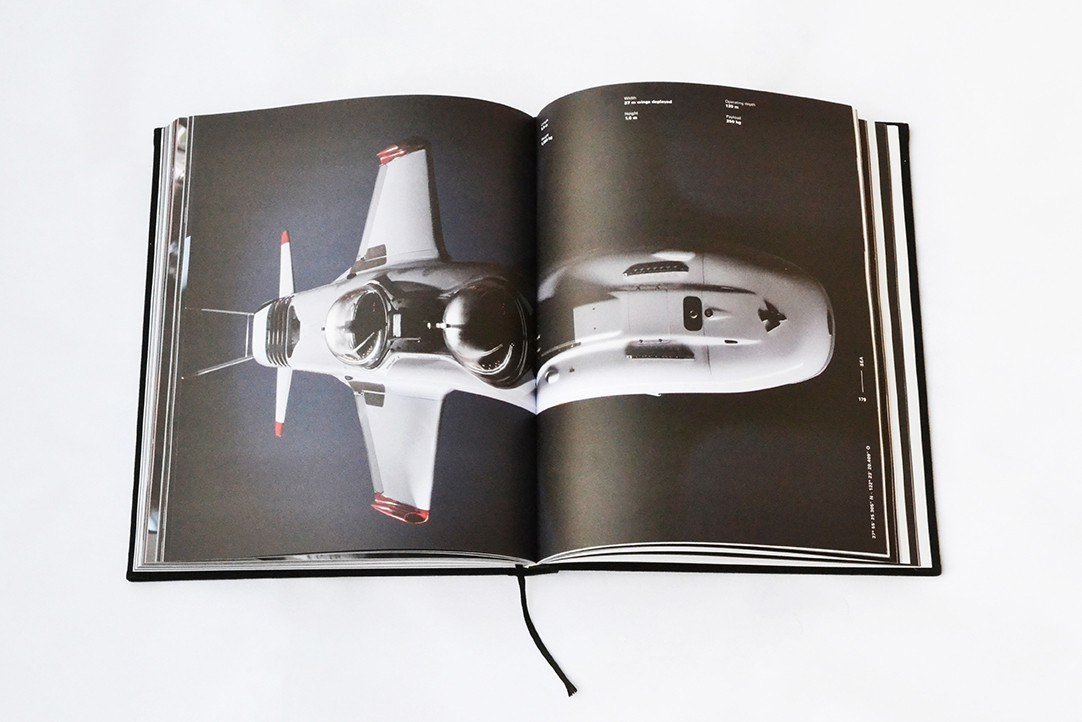
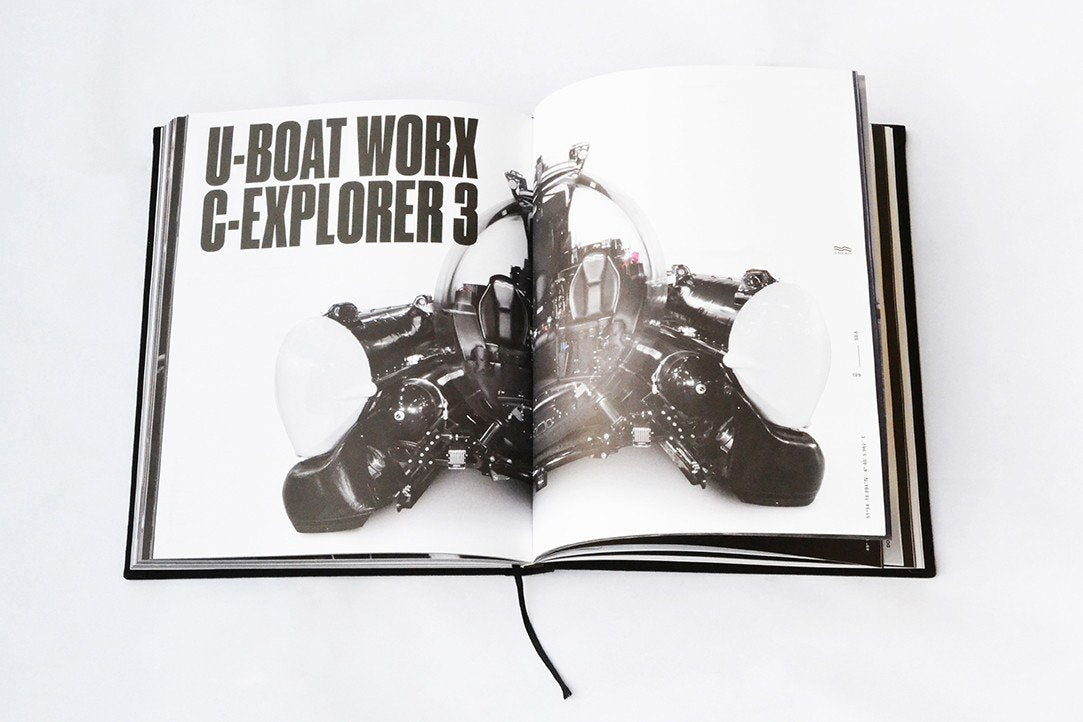
Most private models today share a common architecture: a transparent acrylic sphere or cylinder for panoramic visibility, electric thrusters powered by battery banks, and ballast systems that control buoyancy with precision. The result is a quiet, emission-free platform that hovers above a reef or descends along a wall with minimal disturbance to marine life.

Why private submersibles are gaining momentum
Consider the trajectory of the wider industry. The submarines market is projected to grow from USD 13.45 billion in 2026 to USD 16.44 billion by 2030 at a 5.1% compound annual rate, according to Research and Markets. While that figure includes defense platforms, it reflects sustained investment in the propulsion, sensor and hull technologies that private builders draw upon.
The recreational slice is smaller but distinct. The global private submarines segment was valued at roughly USD 0.13 billion in 2026 and is forecast to reach USD 0.22 billion by 2035, per Business Research Insights. Luxury tourism, superyacht integration and a growing class of ocean explorers are the principal drivers. If you are researching compact craft, our overview of the U-boat Worx Nemo submarine illustrates how two-person vessels have opened the subsea world to individual owners.
Recreational craft versus exploration submersibles
Not every buyer needs the same machine. Two owners with identical budgets may pursue entirely different vessels: one wishes to entertain guests above a shallow reef, while the other intends to film wrecks or study marine habitats at depth. These priorities diverge across several measurable factors.
- Leisure submersibles typically carry two to five occupants and dive between 100 and 300 metres, prioritising visibility, comfort and easy yacht deployment.
- Exploration and research craft descend far deeper, sometimes beyond 1,000 metres, carrying manipulator arms, scientific sensors and extended life-support reserves.
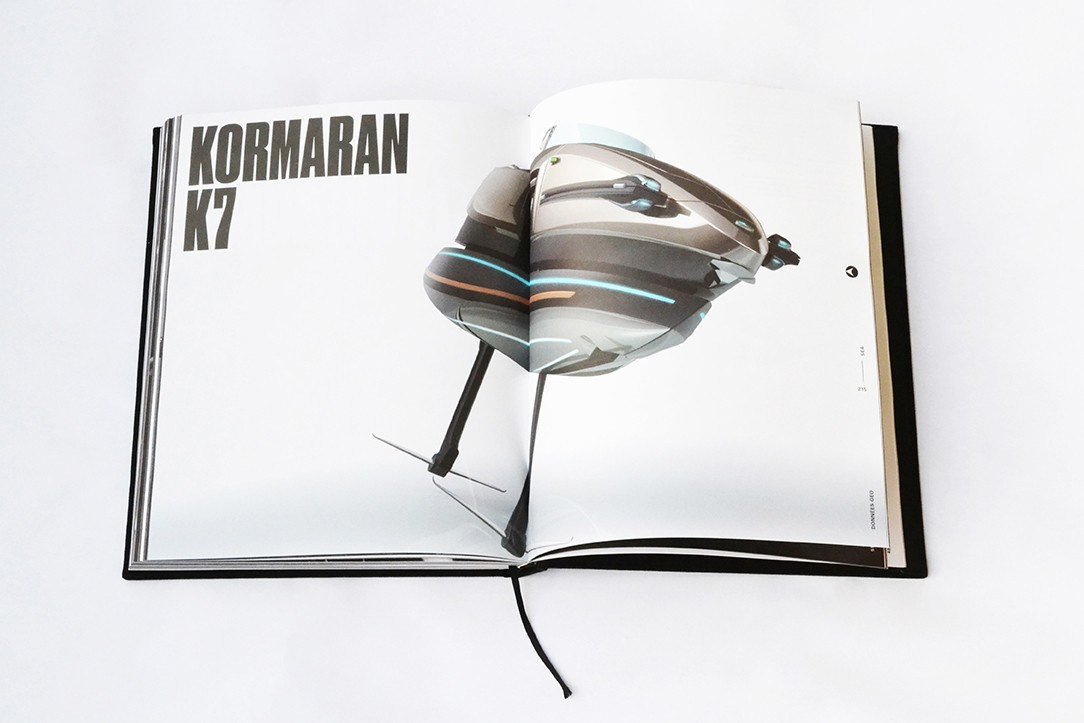
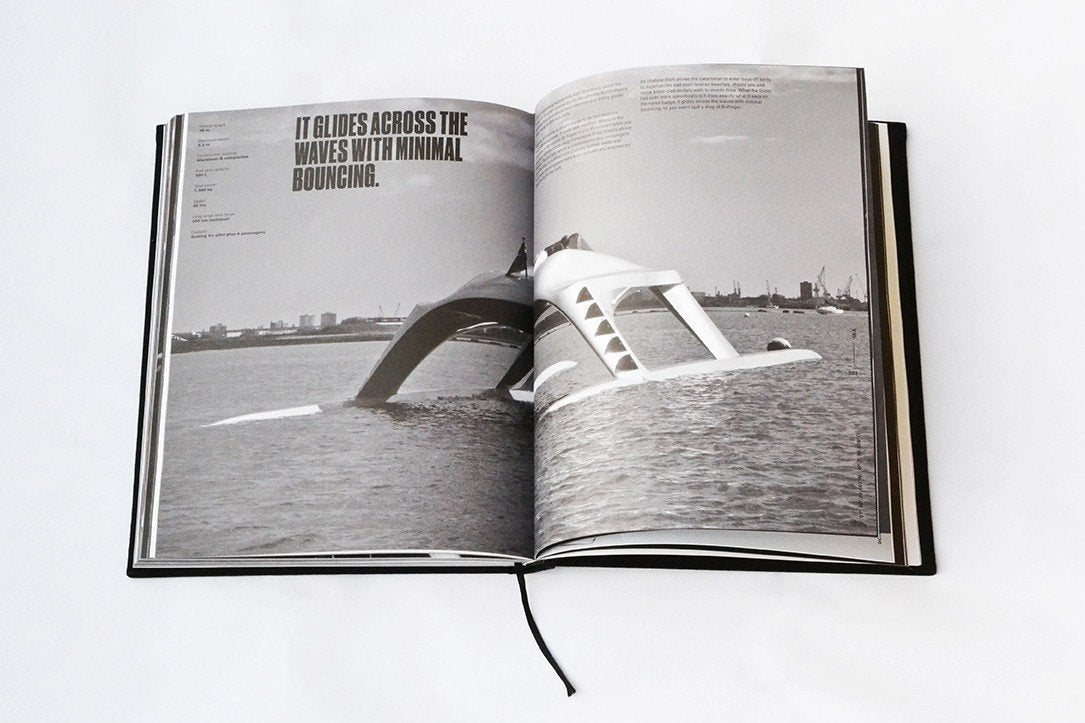
- Surface-adjacent thrill craft, such as submersible watercraft that porpoise and dive briefly, occupy a separate recreational niche closer to powerboating than to true submarine diving.
If your ambitions lean toward serious discovery, our feature on the robot submarine and underwater exploration shows how modern platforms combine autonomy, depth and passenger comfort in a single hull.
The factors that should guide your decision
Before committing, weigh the specifications that genuinely shape the experience. Depth rating determines where you can go, but it is only one dimension. Cabin capacity, dive endurance, transport logistics and after-sales support matter just as much for a vessel you intend to use repeatedly.
Defense budgets underline how much engineering underpins the sector. The United States alone requested USD 25.4 billion for submarine combatants in its fiscal year 2026 acquisition plan, and North America held 36.05% of the submarine market in 2025. That concentration of investment accelerates advances in batteries, sonar and materials that eventually reach private hulls. Mission-equipment innovation is tracked separately in the submarine payload market, which reached about USD 3.79 billion in 2026.

Comparing categories at a glance
The table below summarises how the main categories compare on the criteria that most influence ownership. Figures are indicative ranges drawn from published specifications and reflect typical, rather than extreme, configurations.
| Category | Typical occupants | Depth range | Primary use | Best sourced through |
|---|---|---|---|---|
| Leisure submersible | 2 to 5 | 100 to 300 m | Reef and shallow cruising | Our curated submarines marketplace |
| Exploration submersible | 2 to 5 | 300 to 1,700 m | Wrecks, walls, filming | Our curated submarines marketplace |
| Research submersible | 1 to 3 | 1,000 m and beyond | Scientific study | Our curated submarines marketplace |
| Submersible watercraft | 1 to 2 | Surface to shallow | Recreational thrill | Specialist recreational builders |
Across every category, the decisive variables remain the same: how deep you intend to dive, how many people you wish to carry, and how reliably you can service and transport the vessel. A craft that suits a Mediterranean reef holiday is rarely the same one that films a wreck at several hundred metres.
Choosing your route to the deep
An underwater boat is no longer an exotic curiosity reserved for institutions; it is an attainable, if considered, purchase for owners who value genuine exploration. The right vessel follows from your intended use, your depth ambitions, your passenger needs and the support network available to you. Study the specifications carefully, verify service arrangements, and match the hull to the diving you will actually do. When those elements align, a personal submersible becomes one of the most rewarding machines an ocean enthusiast can own.
Take action with TheArsenale
If the prospect of descending below the surface in your own vessel appeals to you, the practical next step is comparing verified craft side by side. We curate high-end mobility and ocean exploration machines so that you can evaluate real options rather than scattered listings.

Explore our collection of personal submarines to review available models in one place. Through our Private Membership, you may also access selected vehicles before they are listed publicly, and our team typically replies to enquiries within thirty minutes. We are available in Monaco, Dubai, Doha and online to support your search from first question to delivery.
Frequently Asked Questions
How deep can a personal underwater boat dive?
Leisure models generally reach between 100 and 300 metres, which covers most reefs, walls and shallow wrecks. Exploration and research submersibles descend considerably further, with certain private craft rated beyond 1,000 metres. Your intended dives should dictate the depth rating you select.
Do you need a licence to operate a private submersible?
Requirements vary by jurisdiction and by the waters in which you dive, so you should confirm local regulations before purchase. Most reputable builders provide operator training as part of the acquisition, and many owners retain a certified pilot. Classification and insurance considerations also apply.
How much does an underwater boat cost?
Prices span a wide range depending on depth rating, cabin capacity and level of customisation, from several hundred thousand to several million. High acquisition prices remain the principal barrier for many prospective buyers. We can help you match a realistic budget to suitable models across our curated submarines marketplace.
Can a submersible be launched from a yacht?
Yes, compact two to five-person submersibles are frequently deployed from superyachts using a crane and dedicated cradle. Integration with the vessel's launch systems and available deck space are important planning factors. Lighter, lower-depth models are generally the easiest to accommodate.
What is the difference between a submersible and a submarine?
A submersible typically relies on a support vessel for launch, recovery and recharging, and operates for a single dive at a time. A traditional submarine is designed for extended autonomous endurance without surface support. Nearly all private craft are, strictly speaking, submersibles.