APRILIA'S AI-POWERED SUPERBIKES LEARN AND ADAPT TO YOUR RIDING STYLE

Aprilia's AI-powered superbikes, the 2025 RSV4 and Tuono V4, introduce a corner-by-corner predictive control system that is a first for any production motorcycle. Using a six-axis inertial measurement unit, GPS modules, ride-by-wire throttle, and predictive software algorithms, the system anticipates loss of control before it occurs and applies pre-set adjustments to engine braking, traction control, and wheelie mitigation independently at each corner of a circuit, without any rider input required mid-lap. This is not reactive electronics. It is a learning, adapting, MotoGP-derived intelligence built into a road-legal superbike.
How Aprilia's Predictive System Actually Works
The technical heart of the system is Aprilia Performance Ride Control (APRC) upgraded with predictive functions. The six-axis IMU captures lean angle and yaw rate every 2 milliseconds. GPS data maps the circuit in real time. The ride-by-wire throttle, gear position sensor, and wheel speed sensors feed into the predictive algorithm continuously. When the system recognises a scenario where grip loss is likely, it pre-emptively modulates engine braking, traction control intervention level, and wheelie suppression for that specific corner, based on parameters the rider has set via the MIA smartphone app over Bluetooth or Wi-Fi. A tight corner can have maximum traction control. A long straight can have full acceleration authority. The bike learns the rider's behaviour and refines its calibrations accordingly.

MotoGP DNA: Winglets, IMU and Race Pack Lineage
Aprilia's predictive technology is a direct evolution of the Race Pack electronics suite that traces its origins to the Aprilia Racing MotoGP programme. The new winglet configuration, refined in a wind tunnel and derived from GP racing experience, increases front-end downforce and improves cornering precision at high speed. The Aprilia Slide Control (ASC) feature works in three levels alongside the traction control system. Together, these systems reduce wheelie tendencies and improve the drag coefficient, directly improving lap times and reducing rider fatigue over a full session. Aprilia claims measurable reductions in lap times and a significant increase in rider confidence across all skill levels.

What This Means for the Future of Motorcycle Safety
The implications extend beyond track performance. Predictive electronic control reduces the cognitive load on the rider in high-stress situations, making the RSV4 and Tuono V4 meaningfully safer in the conditions where most accidents occur: mid-corner, under trail braking, or during hard acceleration out of a turn. The system also has obvious potential for long-distance touring, where sustained concentration over many hours creates fatigue-related risk. Currently limited to flagship models, it is only a matter of time before this technology filters down to mid-range motorcycles. Read the full technical breakdown at Motorcycle News and at Total Motorcycle.

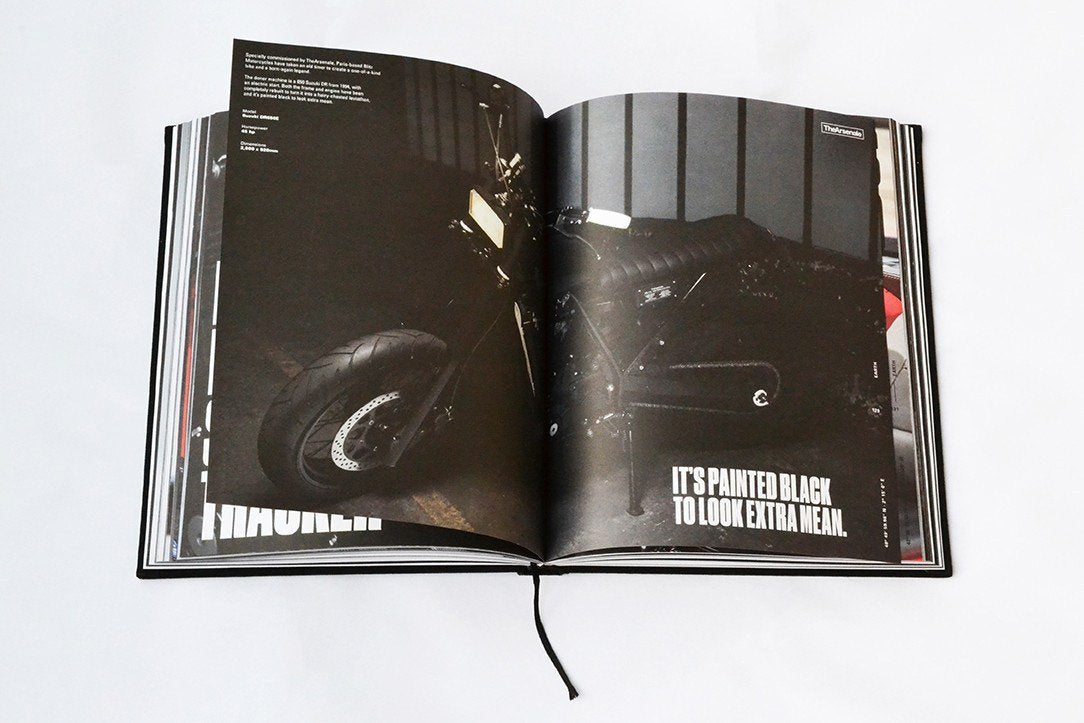
For high-performance motorcycles with a connection to racing DNA, browse the TheArsenale motorcycle collection, including the Aprilia Tuono X collector edition and the Blacktrack BT-02 electric motorcycle.
Photo: Aprilia