How to Choose the Right Brand Strategy Agency in 2026

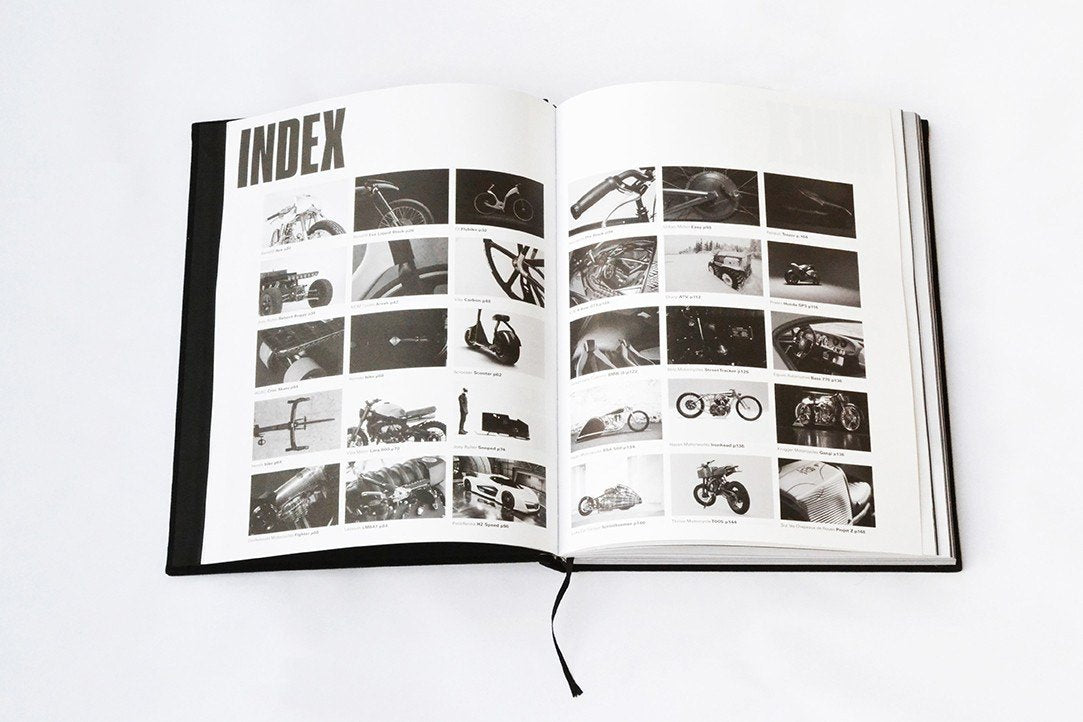
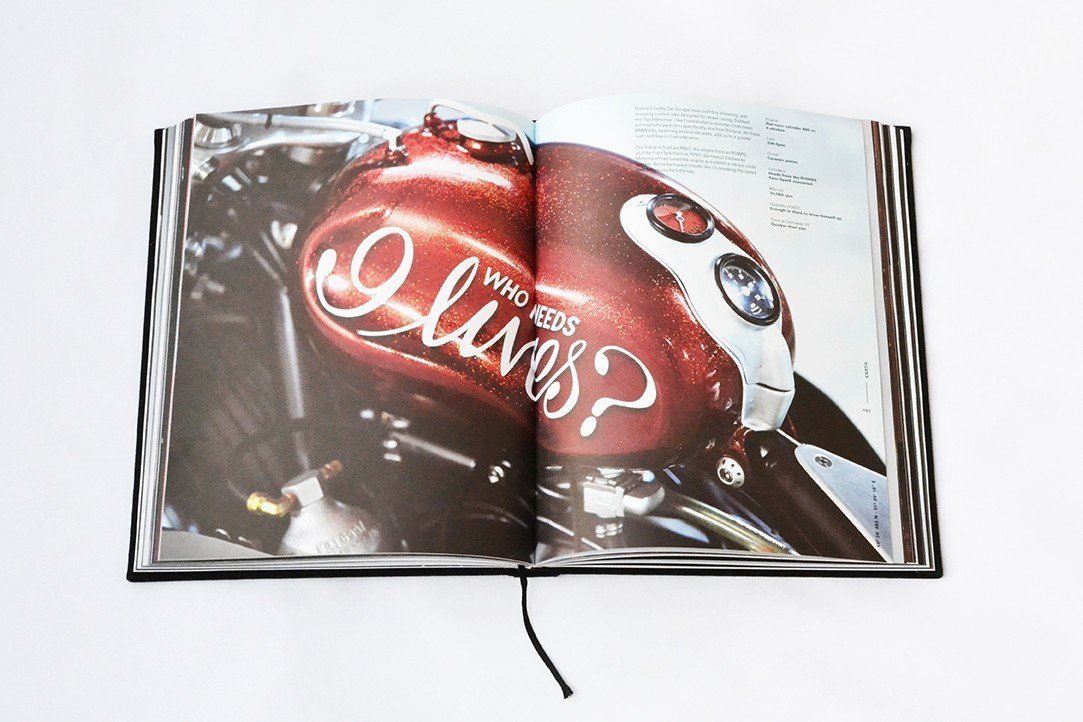
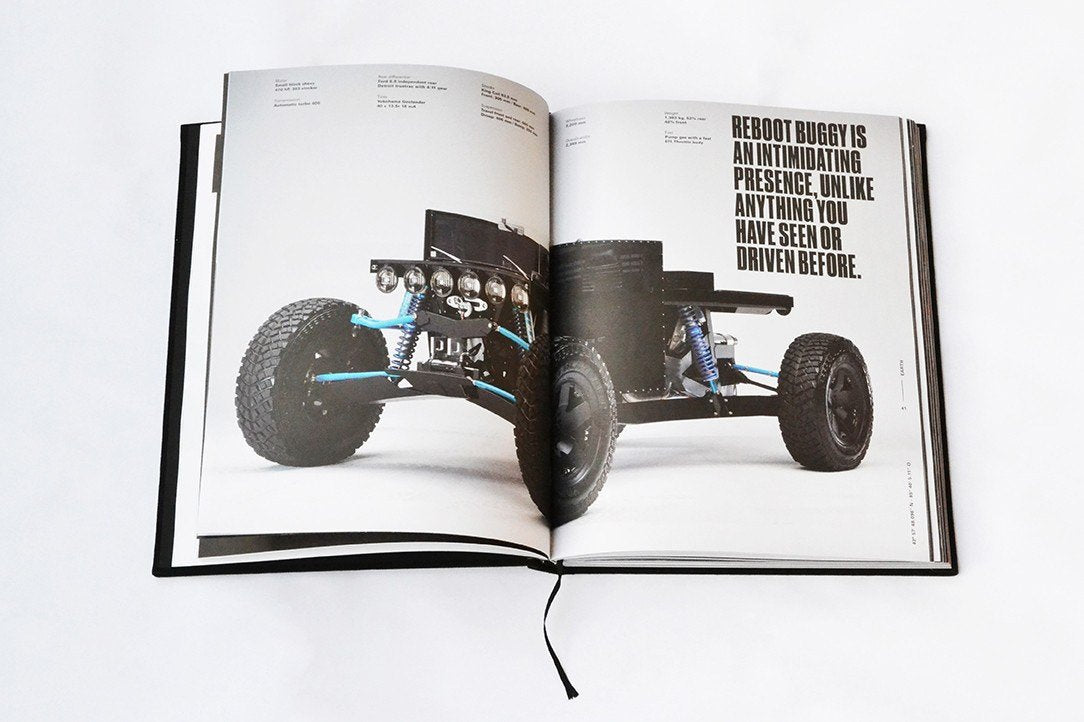
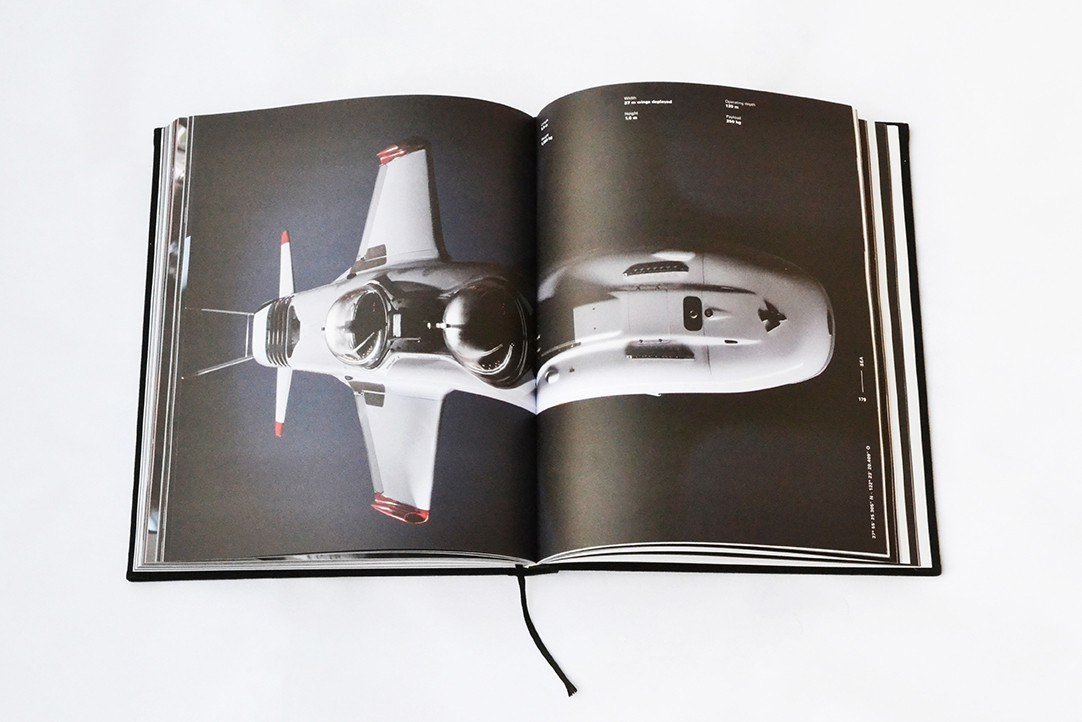
A powerful brand is not created by a logo alone. It emerges when positioning, language, design, products, and experiences reinforce one another. Our perspective is shaped by work and research across mobility 3D design studios, where complex ideas must become clear, desirable, and memorable.
The decision is becoming more demanding in 2026. Gartner describes agency selection as a high-impact decision because it exposes leadership teams, commits scarce budgets, and influences the organization over the long term. Its 2026 market guide also points toward predictive intelligence, machine-readable brand knowledge, and multisensory identity systems as emerging considerations for buyers.
What does a brand strategy agency actually do?
A brand strategy agency defines the strategic foundation behind how an organization is understood. That work usually begins with research into the market, audience needs, category expectations, existing perceptions, and internal ambitions. The agency then turns those findings into a clear position that explains who the brand serves, what it promises, and why it deserves attention.
The scope may include brand positioning, audience segmentation, value propositions, naming, messaging architecture, brand personality, verbal identity, brand architecture, and visual identity direction. Some agencies also support customer experience, digital products, campaigns, physical environments, internal culture, and launch activation.
The distinction between strategy and execution matters. A visual identity can create recognition, but it cannot compensate for unclear positioning. Conversely, a carefully researched strategy has limited value if teams cannot apply it across websites, presentations, sales conversations, packaging, stores, social channels, and customer service.
Strategy should become a usable operating system
The most useful deliverable is not a presentation that disappears after approval. It is a practical system that helps people make better decisions. That system may include a positioning statement, messaging pillars, audience priorities, tone of voice principles, design rules, approval processes, and examples of correct application.
Ask prospective partners how their recommendations will guide daily work. You should understand who will use the strategy, which decisions it will influence, and how the agency will support adoption after the initial project ends.
Which capabilities should you evaluate first?
Begin with the problem, not the portfolio. A polished portfolio can demonstrate creative ability, but it does not automatically prove that an agency can solve your specific business challenge. Before reviewing visual work, define whether you need a new position, a clearer story, a stronger portfolio structure, a more distinctive identity, or support bringing an existing strategy to life.
Four capabilities deserve particular attention:
- Research and diagnosis, including customer insight, stakeholder interviews, market analysis, and perception assessment.
- Positioning and messaging, including differentiation, value propositions, narrative structure, and audience-specific language.
- Brand architecture, especially when your business has several products, services, collections, or sub-brands.
- Activation and governance, including identity systems, implementation guidance, training, measurement, and ongoing stewardship.
Technology adds another layer to the evaluation. The 2026 IAB State of Data report found that AI-related clauses already appear in 37% of brand-agency and partner contracts. The report expects that share to rise to 70% to 80% within one to two years, making transparency, governance, human oversight, and accountability increasingly relevant during agency selection. Read the IAB 2026 findings before approving a scope that uses AI in research, content, measurement, or production.
You should also ask what evidence supports the agency’s recommendations. Strong answers identify the sources of insight, explain how competing interpretations were resolved, and distinguish observed audience behavior from internal assumptions.
How can you test strategic fit before signing?
A discovery call should feel like an early working session, not only a sales presentation. Pay attention to the questions the agency asks. Does the team want to understand your commercial model, customers, internal culture, growth plans, constraints, and existing assets? Or does it move immediately toward colors, slogans, and visual references?
Request a clear explanation of the proposed process. A credible process should show how the agency moves from discovery to synthesis, from synthesis to strategic choices, and from strategic choices to creative expression. It should also explain where your leadership team will participate and how disagreements will be handled.
Case studies deserve close examination. Look for examples that explain the original business problem, the research performed, the strategic decision, the creative outcome, and the effect on the organization. A portfolio that shows only final images tells you little about the quality of the thinking behind them.
Ask for sample deliverables where confidentiality permits. These may include an anonymized research summary, a positioning framework, a messaging architecture, a brand architecture model, or a governance guide. The purpose is not to obtain free work. It is to understand whether the agency communicates clearly and builds tools that teams can actually use.
Why does industry fluency matter for complex brands?
Industry knowledge is valuable when it improves judgment, not when it encourages the agency to repeat familiar formulas. In a technical, luxury, automotive, aviation, or mobility category, the partner must understand the relationship between performance, design, engineering, rarity, trust, and aspiration.
These categories often involve several audiences at once. A collector may care about provenance and exclusivity. A builder may care about visibility and credibility. A visitor may want discovery and entertainment. A corporate client may need a strategic partner that can turn a complex offering into a compelling experience.
For that reason, ask whether the agency can work across both emotional and rational value. Can it explain technical innovation without making the brand feel cold? Can it create desire without making unsupported promises? Can it preserve heritage while presenting a credible future?
Our own approach is grounded in the relationship between mobility, design, culture, and experience. If you want to understand the perspective behind that work, explore Thearsenale’s concept and creative vision. It illustrates why a brand strategy must often connect physical objects, editorial storytelling, retail environments, and digital touchpoints.
Values also influence strategic fit. A partner should understand which principles are non-negotiable and how they affect decisions about suppliers, collaborations, communication, customer relationships, and growth. Our mission and values provide an example of how strategic direction can be connected to a broader point of view.
How should you compare scope, team, and budget?
The correct agency is not necessarily the largest or the least expensive. It is the partner whose operating model matches your problem. A focused positioning project requires a different team from a global transformation involving research, portfolio architecture, identity, digital experience, internal alignment, and rollout.
Clarify who will lead the work and who will perform it. Senior involvement should be specific, not implied. Ask how often senior strategists and creative leaders will participate, who owns the client relationship, and what happens if the original project team changes.
Budget discussions should be tied to scope and risk. A narrow messaging engagement may require limited research and a small number of deliverables. A broader transformation may involve multiple audiences, markets, workshops, testing rounds, production support, and implementation. Comparing prices without comparing these factors can create a misleading sense of value.
In 2026, agency work is also being evaluated against internal capability. Forrester reports that 93% of respondents in its 2026 B2B Brand and Communications Survey use agencies in some capacity. At the same time, more than half of surveyed leaders consider data strategy and AI readiness important selection criteria, while many expect agency spending to remain flat. These findings support a more selective approach, where outside expertise fills a defined capability gap instead of duplicating an effective internal team. Review the Forrester agency research when setting your evaluation criteria.
Digital implementation should be discussed early. If your strategy must become a high-performing website or campaign environment, clarify whether the agency handles design only, development as well, or coordination with a specialist webflow agency. Clear ownership reduces delays, duplicated work, and disputes over what the final scope includes.
What should your 2026 agency brief require?
A useful brief gives agencies enough context to recommend the right level of work. It should describe the business situation, the reason for action, priority audiences, markets, commercial objectives, internal stakeholders, known constraints, existing brand assets, and the decisions that must be made.
Your brief should also require practical outputs. Depending on the project, these may include:
- A research and insight summary that identifies the most important audience and market findings.
- A positioning platform with a clear promise, differentiation, supporting reasons, and strategic boundaries.
- A messaging system that can be adapted for leadership, sales, marketing, editorial, and customer communication.
- A brand architecture recommendation that explains relationships among products, services, collections, and experiences.
- A visual and verbal identity direction that translates strategy into recognizable expression.
- A rollout and governance plan that supports consistency after launch.
- A measurement framework connecting brand activity with awareness, perception, engagement, conversion, retention, or other relevant outcomes.
Do not overlook the relationship between external partners and internal teams. The ANA’s 2026 State of In-Housing report found that 53% of respondents view the primary role of an in-house agency as a strategic partner involved in upstream strategy and bold brand-building work. This suggests that agency selection should consider collaboration, knowledge transfer, and internal capability building, not only the final creative output. The ANA in-housing report offers useful context for defining that relationship.
A concise evaluation scorecard can help your team compare proposals consistently. Score each agency on strategic depth, relevant experience, process clarity, senior access, implementation capability, measurement, collaboration, and commercial fit. Record evidence for each score instead of relying on personal impressions from a presentation.
Choose the partner that can make strategy usable
The strongest brand strategy agency is the one that connects insight to decisions and decisions to experiences. Look beyond visual polish and examine the quality of the research, the clarity of the positioning, the usefulness of the deliverables, the seniority of the team, and the agency’s ability to support implementation. A carefully defined brief and evidence-based evaluation process will help you select a partner that strengthens both your brand and your organization’s ability to use it.
Take action with TheArsenale
When your brand operates across products, experiences, editorial content, and physical environments, strategy must remain coherent while expression stays distinctive. You may need a partner that understands mobility, luxury, design, and the practical demands of activation across international markets.

Through TheArsenale Studio, we support mobility and luxury brands with strategy, creative direction, brand activation, and production. Our work is designed to connect a clear point of view with compelling experiences, from early strategic thinking through execution.
Frequently Asked Questions
What is the main purpose of a brand strategy agency?
Its purpose is to clarify how your organization should be positioned, understood, and experienced. The work can include research, messaging, brand architecture, identity direction, activation, and governance.
How is brand strategy different from visual identity design?
Brand strategy defines the reasoning behind the brand, including its audience, promise, differentiation, and personality. Visual identity expresses that strategy through design elements such as typography, color, imagery, motion, and layout.
When should you hire an external agency?
An external partner can help when your team lacks specialized expertise, when internal stakeholders are not aligned, or when a major launch, repositioning, expansion, or transformation requires an independent perspective. The best scope depends on the decisions your organization needs to make.
What should you ask during an agency discovery call?
Ask how the agency conducts research, develops positioning, involves senior staff, manages feedback, measures outcomes, and supports implementation. You should also request relevant case studies and a clear explanation of deliverables, timing, responsibilities, and assumptions.
Can TheArsenale support brand strategy beyond mobility products?
Yes. Our agency work is intended for mobility, automotive, and luxury brands that need strategy, creative direction, brand activation, and production. TheArsenale Studio can be considered when your project requires a connection between strategic thinking, design-led storytelling, and real-world experiences.