CZINGER 21C: REVOLUTIONIZING HYPERCAR PERFORMANCE
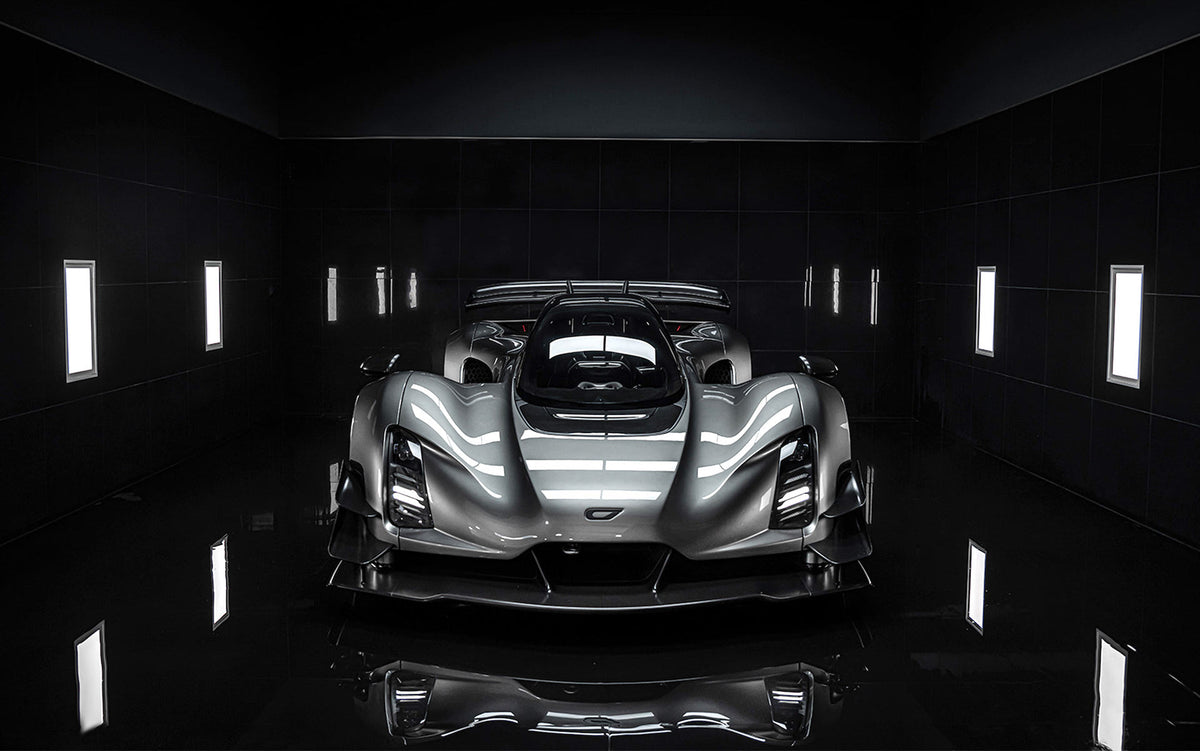
The Czinger 21C is a Los Angeles-built hybrid hypercar that combines a twin-turbocharged 2.88-litre flat-crank V8 with two front electric motors for a combined 1,233 hp output, a 0-62 mph time of 1.9 seconds, a top speed of 281 mph in low-drag configuration and a production run limited to 80 units at $1.7 million each, making it one of the most technically radical hypercars of the decade.

What Makes the Czinger 21C Different?
The 21C is not simply a fast car with an electrified powertrain. It is a demonstration vehicle for an entirely new manufacturing philosophy developed by Kevin and Lukas Czinger through their firm Divergent. The Divergent Adaptive Production System (DAPS) combines AI-driven generative design software, additive manufacturing (3D printing) and robotic assembly to produce structural components that are simultaneously lighter, stronger and faster to iterate than anything achievable through conventional tooling. The V8 engine itself revs to 11,000 rpm, with a 100 hp upgrade available that raises total system output to 1,350 hp. The seating layout places the driver centrally, with a tandem passenger seat directly behind, minimising frontal area and maximising aerodynamic efficiency.

Track Records and Lap Times
Czinger has used the 21C to attack production car lap records at two of the most demanding circuits in the world. At Laguna Seca the 21C set a production car record of 1:22.30, bettering the previous benchmark set by a McLaren Senna by more than two seconds, and later also broke the Goodwood Festival of Speed Hillclimb record with a 48.82 second run. At the Circuit of The Americas, the 21C destroyed the previous production car record (held by the McLaren P1) by more than six seconds, posting a 2:10.70. These are not manufacturer-estimated times but independently verified results on public circuits, validating the real-world performance of the AI-designed and 3D-printed chassis.

The Technology Behind the Car
The DAPS system allowed Czinger to widen the 21C from 1,850 mm to 2,050 mm, replace both front and rear frames and redesign the suspension within three months of a single engineering cycle. That kind of rapid iteration would take a traditional OEM years of tooling investment. Lukas Czinger has described the car as having gone through seven to ten major iterations since its debut, each one informed by track data and simulated in the design software before physical parts were produced. The total weight is kept below 1,240 kg through extensive use of 3D-printed components and carbon fibre panels.
Full production specifications and lap record documentation are covered by Robb Report and Top Gear. To explore other hypercars and extreme performance vehicles at TheArsenale, the TheArsenale cars collection includes the Rezvani Beast and other boundary-pushing machines. Photo: Czinger.