FRP M3: Make Room for Play.
Some machines make you imagine a destination.
The FRP M3 makes me imagine an empty afternoon.
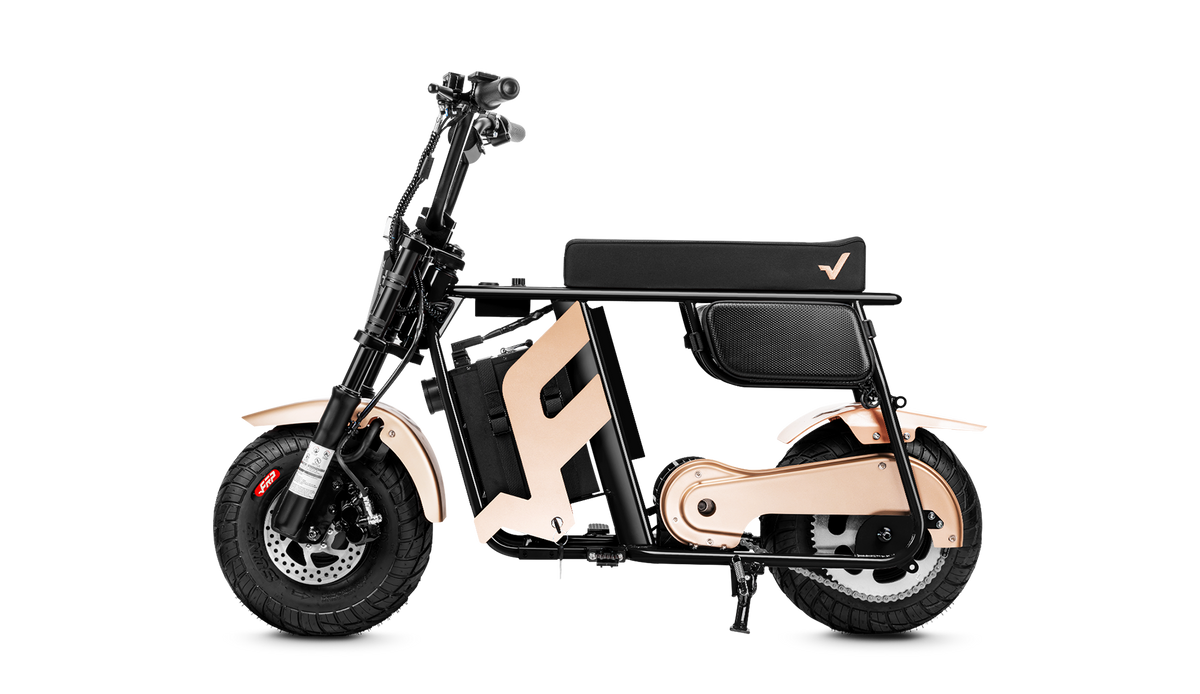
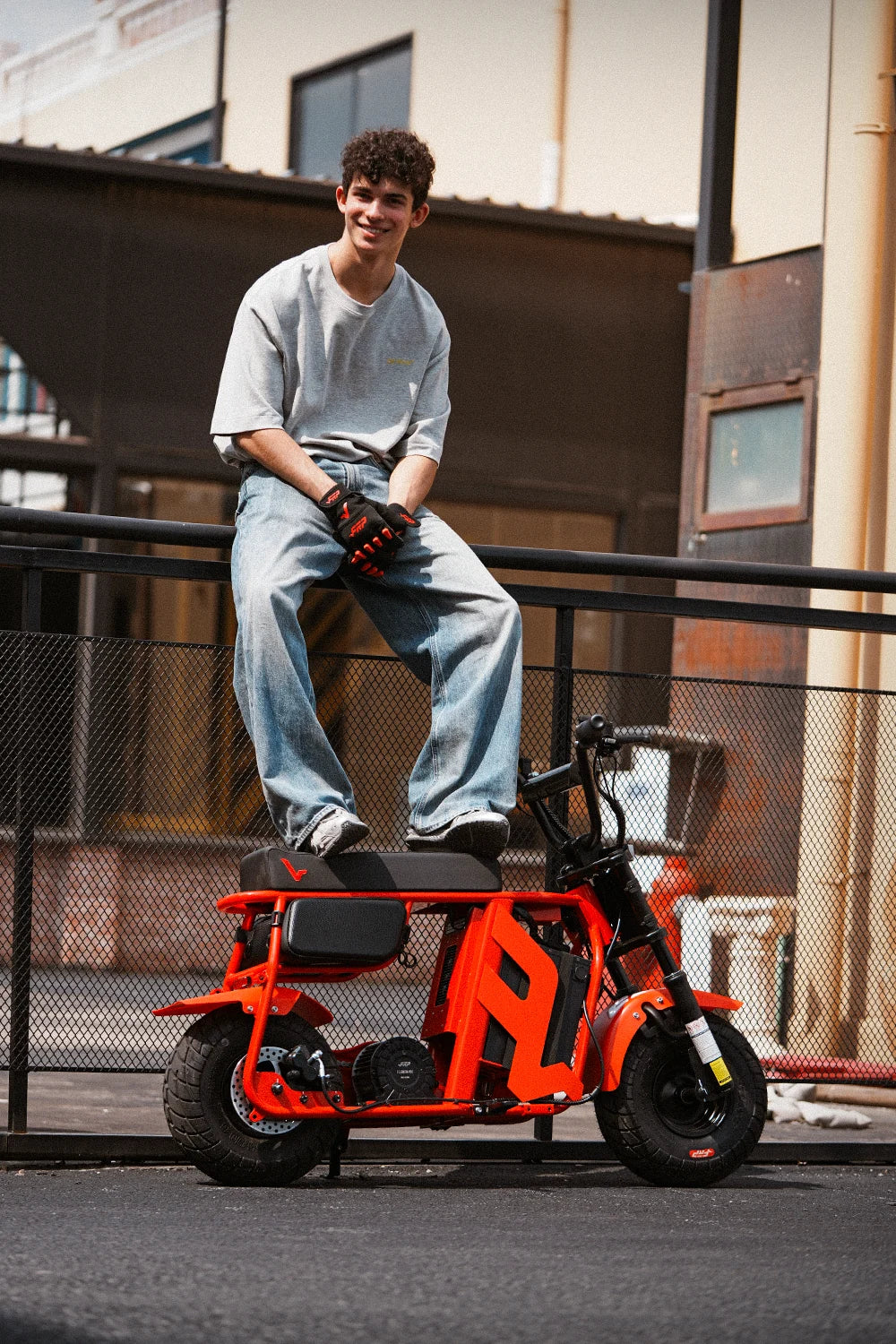
A compact frame. A long seat. Small wheels. The familiar outline of a minibike, reconsidered around electric power.
There is something appealing about an object whose purpose is so easy to understand. You look at it and begin thinking about where you could ride.
A Small Machine With a Clear Intention
FRP describes the M3 as its first minibike developed from the ground up for electric propulsion.
That distinction interests me less as a technical headline than as a design opportunity.
Starting with a different powertrain gives a manufacturer a chance to reconsider how the machine is arranged and how the rider interacts with it. The challenge is keeping the simplicity that made the original format attractive.
A minibike should invite curiosity before it demands explanation.
The M3’s compact silhouette makes that invitation immediately.
The Numbers Need Context
FRP quotes peak output of 4,100 watts and a maximum speed of 55 mph, approximately 89 km/h.
Those are substantial claims for something that looks this small.
They also change how the object should be understood. Compact dimensions do not make it a casual toy. The M3 is an off-road machine, and FRP states that it is not intended for public streets, roads or sidewalks.
For me, its appeal would depend on what happens well below the maximum speed.
How progressively does the power arrive? How comfortable is the riding position? Does the relationship between throttle, brakes and chassis encourage confidence?
A specification sheet cannot answer those questions.
When Software Becomes Part of the Ride
The M3’s most unusual feature is its pair of dedicated wheelie modes, alongside three regular riding settings.
FRP says the assistance manages motor output; the rider remains responsible for balance, throttle and braking.
That distinction matters.
The interesting design question is how an electronic system communicates what it is doing. Assistance should feel understandable through the controls. A rider needs a clear relationship between an input and the machine’s response.
I would want to experience that relationship before judging the feature.
Its presence does, however, reveal the brief behind the bike: FRP has designed around recreation as well as propulsion.
The Pleasure Between the Specifications
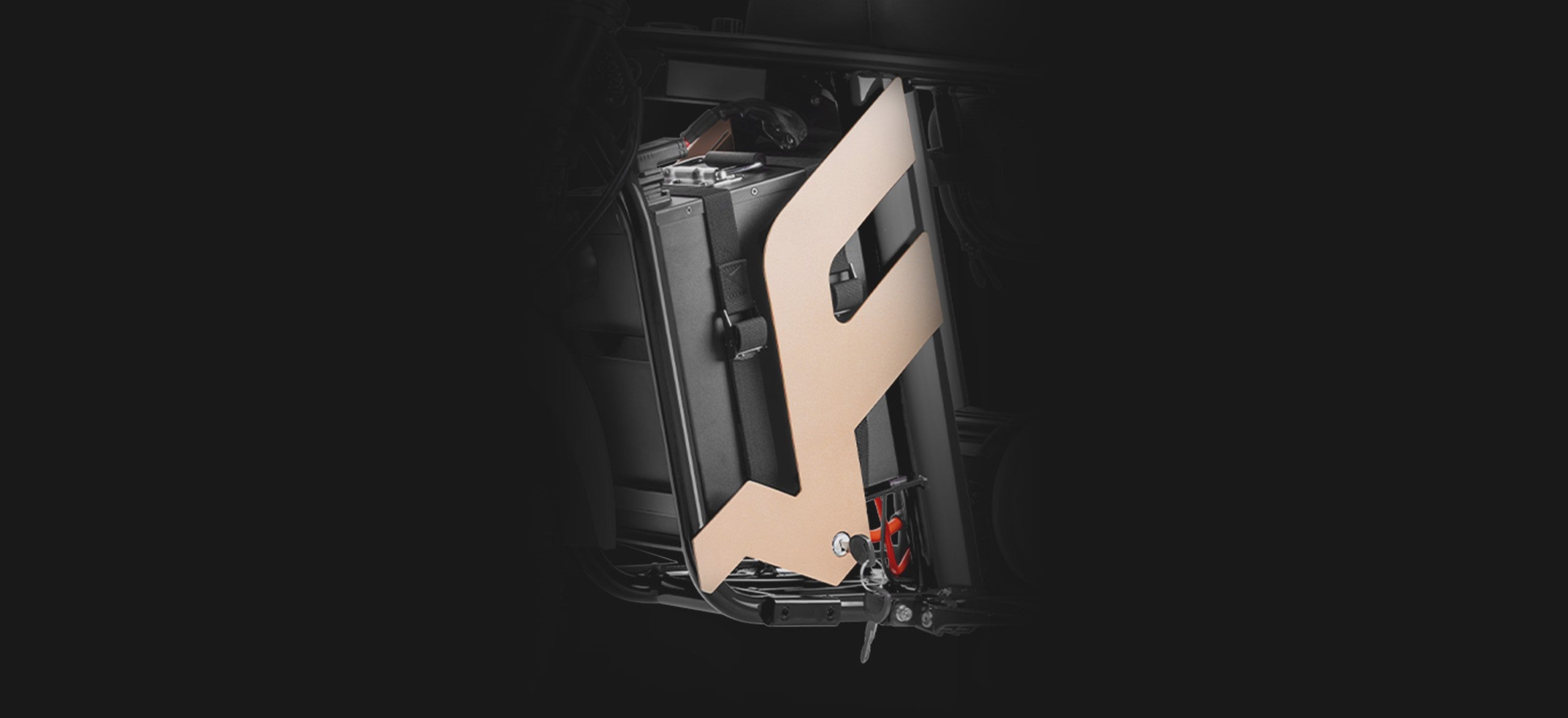
A removable battery adds a practical dimension to the electric format.
But the attraction of a machine like this will ultimately come from smaller things: the ease of getting ready, the feel of the controls and the willingness to take it out again.
Those qualities rarely dominate a launch announcement.
They determine whether an object becomes part of your life.
The M3 interests me because it gives a familiar recreational machine another route forward. Its success will depend on how convincingly the engineering supports that simple invitation.
Find an appropriate place to ride.
Make time for it.
Enjoy the afternoon.
Sources and Photography
Based on FRP Moto’s official M3 product information and launch announcement of October 23, 2026. Performance figures are manufacturer claims. This article is an editorial assessment of the published presentation; no test ride is claimed.
- FRP Moto — M3 official product information
- FRP Moto — launch announcement, October 23, 2026
- FRP Moto — specifications and riding modes
All three photographs: FRP Moto, official product imagery.