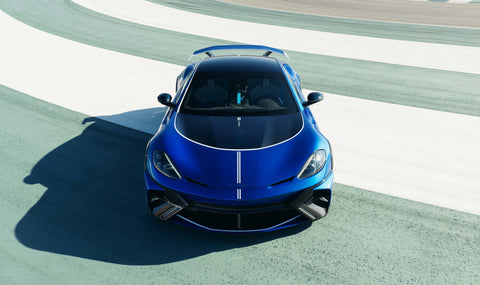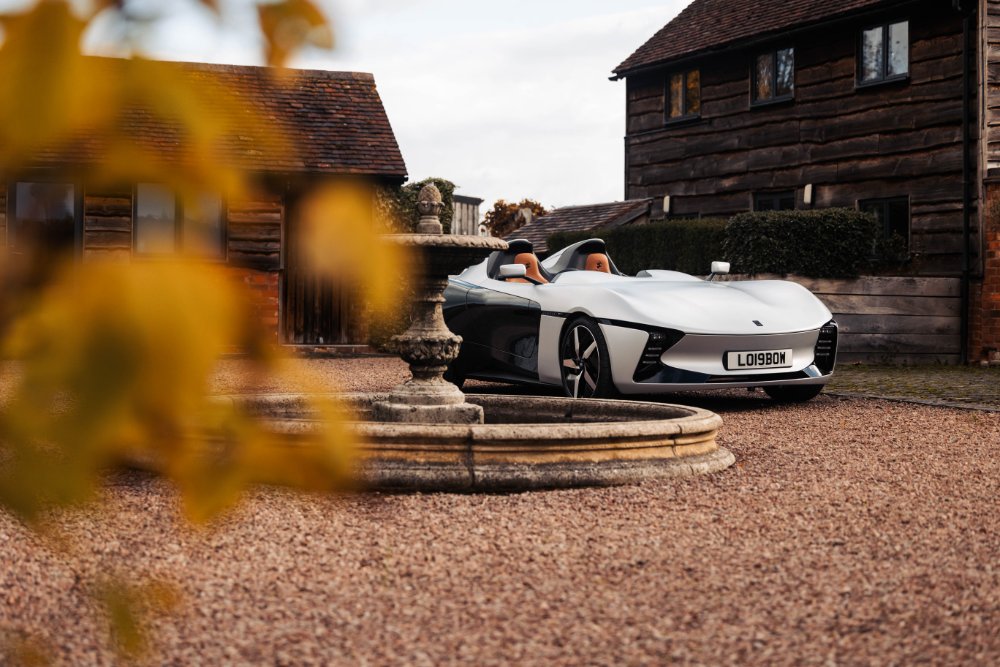
Longbow: Lightness Finds a Home.
A sports car begins as an invitation. You see the low nose, the exposed cockpit and the small distance between your hands and the road, and you imagine leaving.
Building that invitation repeatedly is a different discipline.
Longbow’s latest newsletter brings the two ideas together: the pleasure promised by a lightweight electric sports car, and the industrial work required to put it into production.
Lightness Needs a Place to Be Built
On October 8, 2026, the West Midlands Combined Authority announced £3 million of backing for Longbow through its government-funded Supplier Readiness and Transformation Fund. The company is to match that support.
The announcement identifies MIRA Tech Park, near Nuneaton, as the intended production base. Longbow already has a research and development centre there.
For me, the location is as interesting as the funding. A convincing prototype is one achievement. A car that can be assembled consistently, serviced and supported asks much more of its maker.
A testing environment gives an attractive shape somewhere to answer difficult questions.
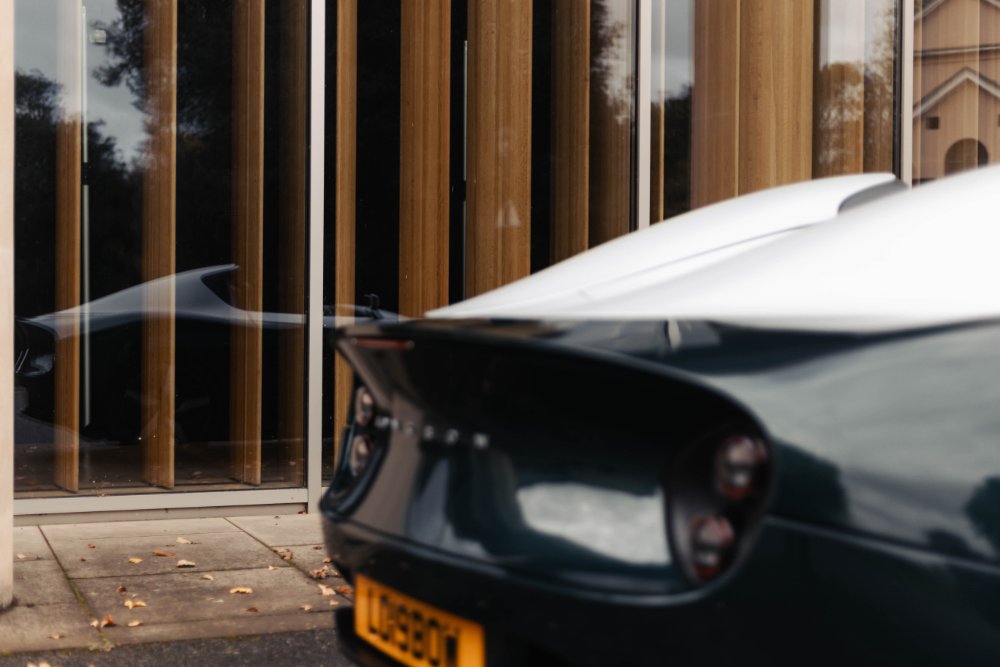
The Weight of an Idea
Longbow states a target kerb weight of 895 kg for the Speedster and 995 kg for the Roadster. These remain manufacturer targets, subject to homologation at the start of production.
The distinction deserves to stay attached to the numbers.
What interests me is the direction they suggest. Weight influences how a car responds to steering, braking and changes in the road. It shapes the conversation between the chassis and the person holding the wheel.
I have not driven either car. I cannot tell you whether that conversation feels natural, or whether the electric powertrain leaves room for the delicacy the design promises.
I can say that the question is worth asking.
The Speedster’s exposed cockpit makes the driver part of the composition. The Roadster gives that same ambition another silhouette. Both invite us to judge an electric sports car through proportion, tactility and the wish to take the longer route.
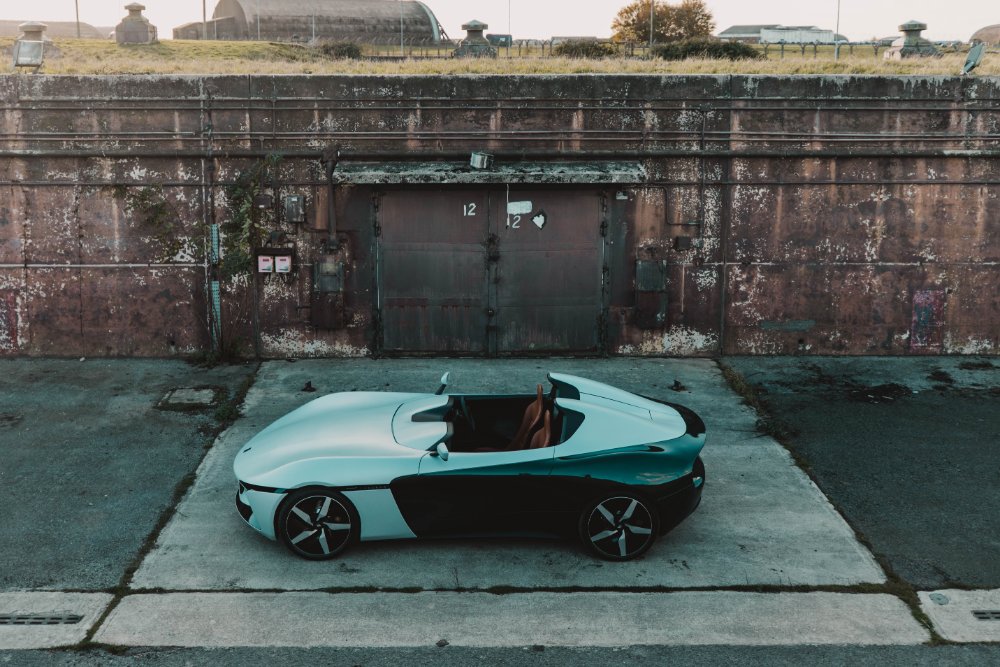
Backing Is a Beginning
The regional announcement anticipates more than 200 skilled jobs. That is a projected outcome, rather than a workforce already created.
There is also a timing distinction. The October announcement points to Speedster production in 2027, while Longbow’s FAQ still says late 2026, with the Roadster following in 2027. A firm delivery date should therefore wait for a reconciled update.
Public backing helps a programme move forward. It cannot substitute for the finished car.
The next meaningful evidence will be quieter: production processes, repeatable quality, customer cars and the support that keeps them on the road.
Something Worth Making Room For
I am drawn to machines with a clear intention. Longbow’s is easy to recognise in the photographs: a low sports car, a human-sized cockpit and a belief that electric driving can retain intimacy.
At MIRA, that belief has to become something a team can make.
That is the part of the story I want to follow now. The transformation of a desirable object into a car someone can collect, drive away and keep choosing on an empty morning.
Sources and Photography
Prepared from Longbow’s November 2026 newsletter excerpt and the primary sources below. The funding announcement is dated October 8, 2026. This is an assessment of the published programme; no test drive is claimed.
- West Midlands Combined Authority — funding and MIRA announcement, October 8, 2026
- Longbow — official press information and approved photography
- Longbow — Speedster
- Longbow — production timing and ownership FAQ
All three photographs: Courtesy of Longbow Motorcar Company. Manufacturer weight figures are targets and require homologation.