Future Mobility Brand Activation: A Practical 2026 Guide

Mobility brands are no longer judged only by the machines they build. They are also judged by how clearly people can understand, experience, and imagine using them. A well-designed future mobility brand activation turns an unfamiliar vehicle, service, or technology into a meaningful moment. To see how this principle can shape a broader campaign platform, explore our future mobility brand campaigns.
That shift matters in 2026 because mobility audiences encounter innovation across many contexts, including showrooms, exhibitions, cultural events, digital interfaces, urban spaces, and private demonstrations. The challenge is to create an experience that feels desirable without becoming superficial, and futuristic without losing human relevance.
What makes future mobility brand activation different?
A conventional product launch often places a vehicle or technology at the center of attention. A mobility activation must go further. It should help audiences understand what the product changes, why that change matters, and how the brand intends to participate in a broader transformation.
The most useful distinction is between display and participation. Display communicates appearance, specifications, and presence. Participation creates a personal encounter. It may involve configuring a vehicle, entering a simulated environment, exploring a material system, following a guided story, testing a new interface, or sharing a point of view about the future of movement.
This does not mean every activation needs complex technology. A strong physical environment, a carefully choreographed reveal, or an intelligently designed conversation can be more effective than an unnecessary digital layer. Technology should clarify the idea, not obscure it.
For mobility brands, the central question is therefore practical: what should people do during the experience that makes the product or service easier to understand? The answer becomes the foundation for creative direction, production planning, content capture, and measurement.

Start with the action, not the event format
A pop-up, roadshow, exhibition, launch event, or digital experience is only a container. The activation becomes memorable when it gives people a clear action with an emotional or practical consequence.
That action could be choosing a mobility route, imagining a daily journey, testing a control system, comparing materials, entering a simulated cabin, or helping shape a future concept. Each option creates a different relationship between the audience and the brand. The right choice depends on the product, the maturity of the technology, and the decision you want people to make afterward.
For example, a new electric vehicle may require reassurance about range, charging, and everyday usability. A flying vehicle concept may need an experience that communicates safety, control, and a new form of convenience. A mobility service may benefit from an activation that demonstrates the ease of booking, switching modes, or moving through a city.
Begin with one sentence: “After this experience, the audience should understand, feel, or do something specific.” If the sentence is vague, the concept is not ready. If it is precise, the creative team can build the experience around a purposeful sequence.
The sequence should normally include an invitation, an interaction, and a resolution. The invitation creates curiosity. The interaction makes the idea tangible. The resolution gives the audience a reason to remember, share, inquire, or continue the relationship.
Build a world around the machine
Mobility products rarely exist in isolation. They belong to a world of materials, sounds, interfaces, routes, architecture, apparel, engineering, and cultural references. A brand activation becomes more distinctive when it expresses that wider world rather than presenting a product on an empty platform.
Experiential design should make the brand’s values visible. A performance-led concept may require movement, precision, and controlled tension. A sustainable mobility proposition may need tactile materials, transparent information, and a setting that demonstrates responsible choices. A luxury mobility object may benefit from intimacy, rarity, and carefully managed access.
Physical design also determines how people move through the story. Sightlines, entry points, sound levels, dwell time, product positioning, and staff interactions all influence perception. These details are not secondary production concerns. They are part of the brand message.
Digital content should extend the world rather than duplicate it. Short films, 3D visualizations, interactive tools, and social assets can give the experience a longer life. They should be planned during concept development, because a beautiful physical activation may produce weak content if filming angles, lighting, and audience behavior were not considered in advance.
Mobile formats can be particularly valuable when the audience is distributed across cities or regions. A 2026 listing for electric vehicle marketing roles illustrates how branded mobile LED vehicles can turn activation routes into moving media environments. The lesson is not to copy that format, but to consider whether the experience should travel to the audience instead of waiting for the audience to arrive.
Our work on Thearsenale’s Renault 5 activation reflects this broader principle, connecting a mobility product with movement, cultural context, visual identity, and public engagement.
Connect participation to measurable outcomes
Creativity creates attention, but an activation needs a clear path from attention to business value. That path may lead to qualified leads, product demonstrations, test drives, membership registrations, retail visits, media coverage, social content, partnership discussions, or improved understanding among priority audiences.
Choose the desired outcome before deciding which metrics to collect. A launch intended to build awareness will require different measures from a private demonstration designed to support high-value sales. A trade event may prioritize qualified conversations, while a public exhibition may focus on dwell time, sentiment, earned reach, and repeat visits.
A 2026 paper on scalable advertising analytics describes the importance of aligning event-level behavior with impression delivery and revenue data. For activation teams, that principle supports a more connected measurement system, one that links what audiences do during an experience with what happens afterward.
Useful measurement can be organized across three layers:
- Experience signals, such as attendance, dwell time, interaction completion, product questions, and staff conversations.
- Audience signals, such as qualified leads, registrations, content engagement, sentiment, and audience retention.
- Business signals, such as test-drive requests, sales conversations, partnership inquiries, conversion, or repeat contact.
Do not treat every interaction as equally valuable. A large visitor count may be less useful than a smaller number of qualified conversations. Similarly, social reach can support a campaign, but it should not replace evidence that the audience understood or acted on the brand proposition.
Measurement should also influence the experience itself. If the team needs qualified leads, the interaction should make it natural to identify interest and permission for follow-up. If the objective is education, the experience should capture which questions remain difficult. Data collection works best when it feels like part of the service, not an interruption.
Design for international consistency and local meaning
International mobility campaigns face a delicate balance. The core idea must remain recognizable across markets, yet the experience should not feel imported without adaptation. A global activation system needs a stable strategic foundation and flexible local expression.
Keep the central promise consistent. Adapt the examples, language, cultural references, partnerships, venue logic, staff behavior, and audience journey. A future mobility concept may be associated with freedom in one market, efficiency in another, or social progress elsewhere. The brand should not assume that a single emotional message will travel unchanged.
A 2026 mobility innovation roundup places connected mobility, autonomous technology, electric scooters, and sustainable transport within the same wider design conversation. This breadth shows why mobility brands need an activation system that can accommodate different scales and categories without becoming visually generic.
Localization should begin before production. Regional teams, legal advisors, cultural specialists, and local partners can identify practical issues early, including language, accessibility, permissions, safety expectations, data collection, and event etiquette. They can also help determine whether the audience needs a demonstration, a conversation, a performance, or a slower educational experience.
The best international systems are modular. They define reusable elements such as visual codes, narrative principles, content templates, spatial components, and measurement standards. Local teams can then adapt the system without weakening recognition or creating unnecessary production duplication.
Choose a partner that understands mobility culture
Future mobility projects often combine disciplines that are difficult to coordinate internally. Strategy, industrial design, creative direction, 3D visualization, physical production, editorial content, event operations, and digital distribution may all influence the final result.
When assessing a specialist partner, examine five areas:
- Mobility relevance, including experience with vehicles, engineering, transportation, or future-facing products.
- Conceptual clarity, demonstrated through ideas that connect product value with audience behavior.
- Production depth, including the ability to manage design, fabrication, content, logistics, and on-site delivery.
- Visual continuity, ensuring the same idea works across physical spaces, films, social assets, and digital interfaces.
- International adaptability, supported by a process for localizing the experience without losing the central brand meaning.
Portfolio quality matters, but process quality matters just as much. Ask how the partner handles technical references, approvals, safety considerations, content rights, version control, and changes in scope. A strong partner should make complexity easier to manage rather than simply making the final presentation look impressive.
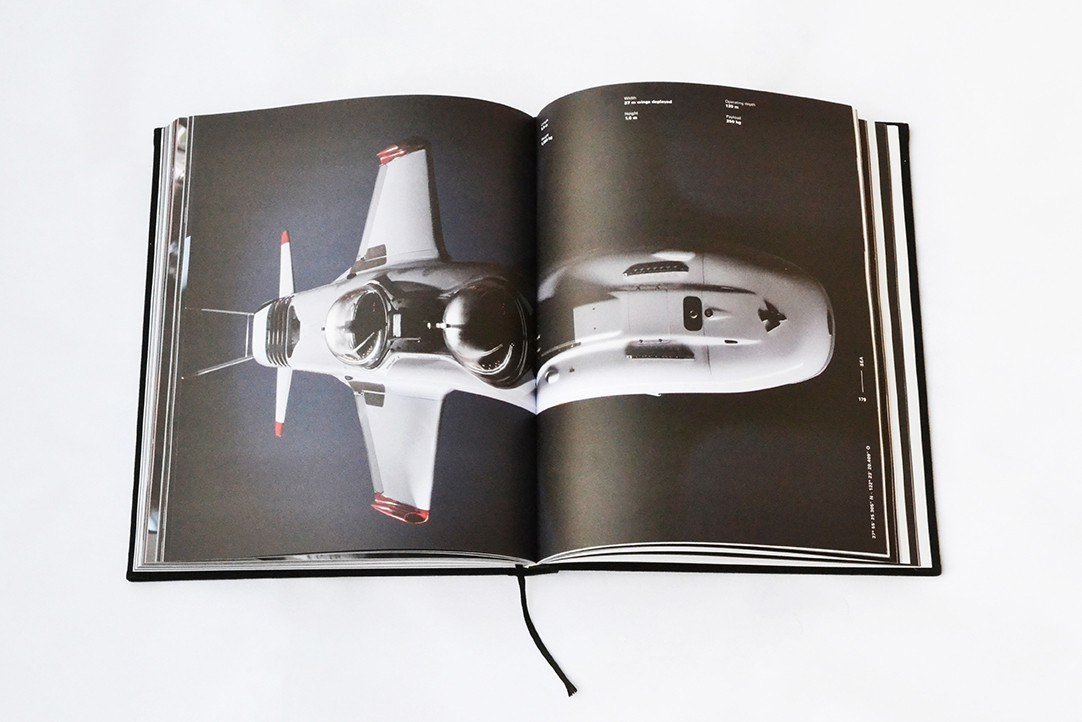
Our AI mobility brand experiences demonstrate how emerging technology can be framed through a curated physical and cultural environment. The purpose is not to add technology for its own sake, but to help audiences understand what a new mobility system could mean in practice.
For projects that depend heavily on visual development, our perspective on mobility design studios also highlights the importance of combining technical accuracy, storytelling, reusable assets, and production awareness.
Make the future tangible
A successful future mobility brand activation gives an emerging idea a clear human entry point. It turns technology into an experience, design into a story, and attention into a relationship that can continue beyond the event. Start with the audience action, build a coherent world around the product, connect participation to meaningful outcomes, and adapt the system carefully for each market. The result should feel distinctive, useful, and credible, with every creative choice supporting the brand’s role in the future of movement.
Take action with TheArsenale
When your mobility concept needs to move from an idea into a coherent public experience, the right creative partner can connect strategy, design, storytelling, and production. This is especially important when the product is unfamiliar, technically complex, or intended for several international audiences.

Through TheArsenale Studio, our team supports mobility and luxury brands with strategy, creative direction, brand activation, production, and high-end visual storytelling. The approach is designed to help your campaign express the character of the machine while creating a clear and memorable audience experience.
Frequently Asked Questions
What is a future mobility brand activation?
It is a branded experience that helps audiences understand, explore, or engage with an emerging mobility product, service, or idea. It can combine physical environments, demonstrations, storytelling, digital tools, content, and direct interaction.
How is mobility activation different from a vehicle launch?
A vehicle launch often focuses on revealing and presenting a product. A mobility activation adds participation and context, helping people understand how the product changes behavior, access, convenience, performance, or daily life.
Which formats work well for mobility activations?
Useful formats include exhibitions, pop-ups, roadshows, private demonstrations, cultural partnerships, test experiences, immersive installations, and hybrid digital campaigns. The right format depends on the audience action and the commercial or communication objective.
How should an activation be measured?
Measurement should connect experience signals, audience behavior, and business outcomes. Depending on the campaign, this may include qualified conversations, registrations, test-drive requests, content engagement, media reach, sentiment, partnership inquiries, or sales opportunities.
Can TheArsenale support an international mobility activation?
Yes. Our agency work covers strategy, creative direction, brand activation, production, and visual storytelling for mobility and luxury brands. We can help develop a coherent experience system that connects physical, digital, editorial, and campaign touchpoints.