THE VICEROY SEAGLIDER IS TRYING TO REVOLUTIONIZE TRANSPORTATION

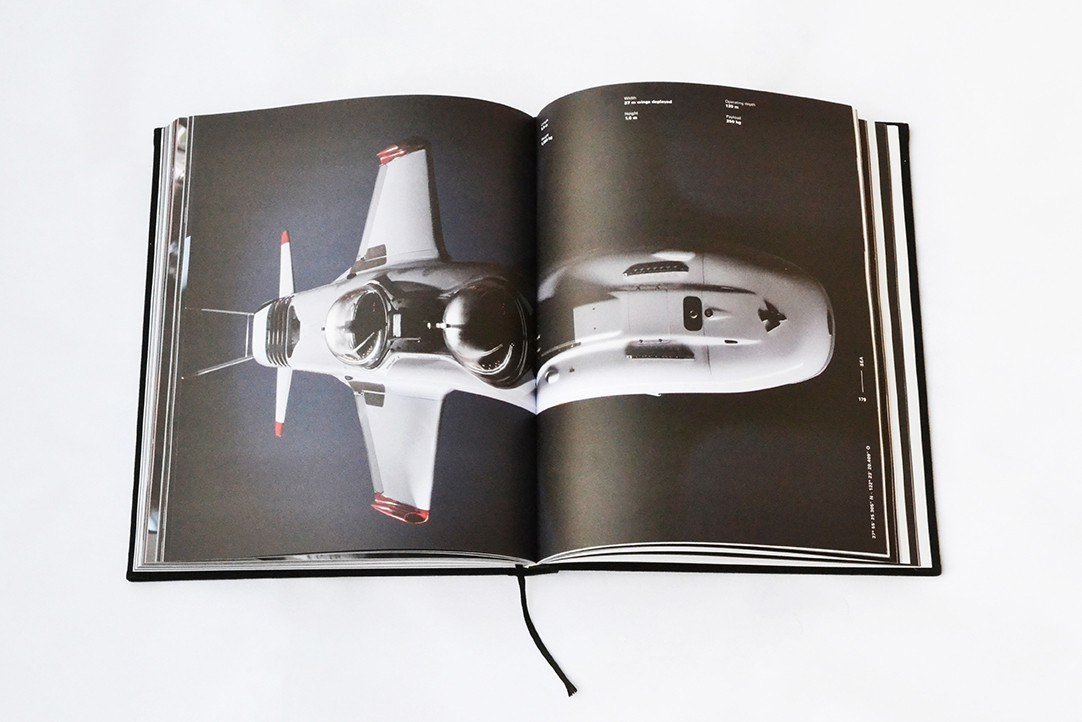
The REGENT Viceroy seaglider is a 12-passenger electric vehicle that operates exclusively over water, moving seamlessly between three modes: hull, hydrofoil, and wing-in-ground-effect flight. Built by Rhode Island-based REGENT (Regional Electric Ground Effect Nautical Transport), the Viceroy represents an entirely new category of coastal transport, one that combines the boarding simplicity of a ferry with the speed of a light aircraft and the zero-emission credentials of the latest electric vehicles.
Three Modes, One Vehicle
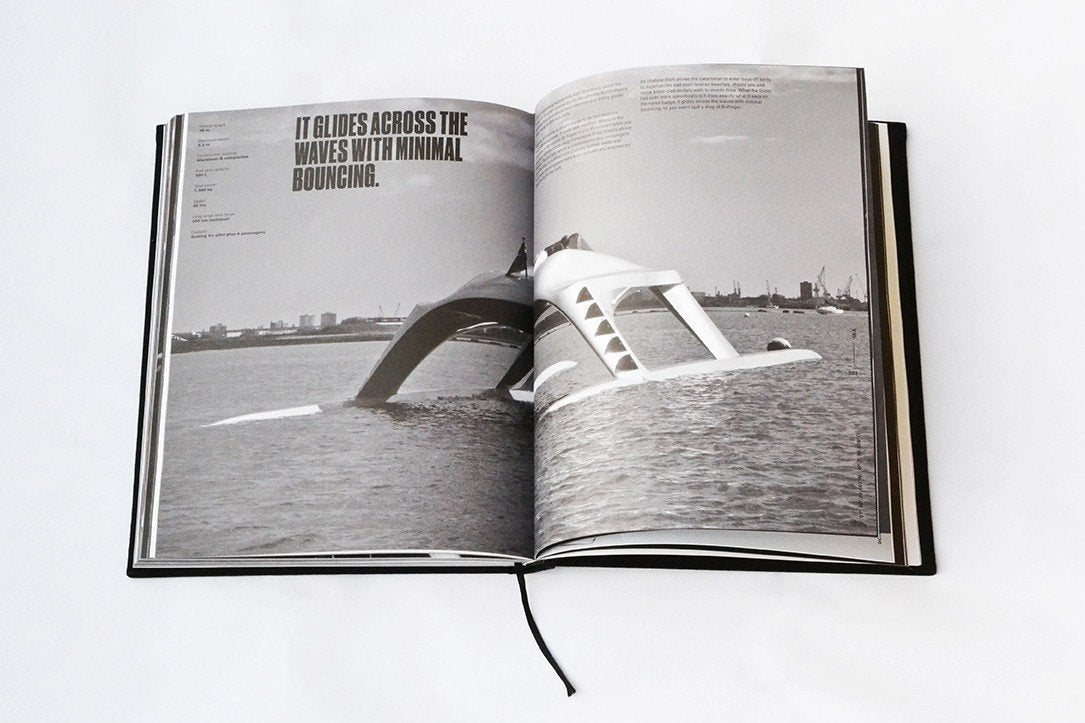
At rest or in slow harbour manoeuvring, the Viceroy floats on its hull like a conventional boat. As speed increases, the vehicle rises onto hydrofoils, lifting the hull clear of the water and eliminating wave drag. At cruising speed, the craft transitions into ground-effect flight, skimming 30 to 60 feet (9 to 18 metres) above the water surface on its wings, generating aerodynamic lift that dramatically extends range beyond what the battery alone would deliver through conventional hull-born propulsion. The 55-foot-long, 65-foot-wingspan vehicle is propelled by 12 redundant electric motors, and the multiple-redundancy architecture means the loss of any individual motor does not compromise flight safety.
Cruise speed is 180 mph (290 km/h). The Viceroy can carry 12 passengers or 3,500 lbs (1,600 kg) of payload. Its current-generation battery range is 160 nautical miles at end-of-battery-life, with REGENT targeting 500 miles (800 km) with next-generation cell technology. The vehicle can handle takeoff and landing in 5-foot waves and fly over waves up to 13 feet high.

Mission Versatility
The Viceroy's reconfigurable cabin is one of its most commercially important features. With minimal turnaround time between missions, the same vehicle can shift from passenger service to cargo logistics to medical evacuation. In passenger configuration, the luxury VIP interior offers optional lie-flat seating and noise levels 30 dB quieter than conventional aircraft at equivalent speed, a meaningful comfort advantage on routes of one to three hours. In cargo configuration, the vehicle's payload capacity and high wave tolerance make it suitable for offshore logistics in conditions where smaller vessels would have to stand down.
REGENT has also identified a defence application: the Viceroy's low radar signature, high speed, and operational flexibility over water make it a candidate for rapid deployment of Special Operations Forces and low-profile communications relay missions.

The Case for Seagliders as Urban Transport
Coastal cities face a structural transport problem: roads and airports are congested, rail infrastructure is expensive, and conventional ferries are too slow. The Viceroy addresses all three constraints simultaneously. It uses existing water infrastructure, requires no new runways, and travels at aircraft speeds while boarding from standard ferry docks. For routes of 50 to 180 miles over water, it offers journey times competitive with regional aircraft at a fraction of the infrastructure cost.
Routes like Boston to Nantucket, San Francisco to Santa Barbara, or Miami to Key West are natural fits. REGENT has stated that human flight trials are underway, with full commercial service targeted for the mid-2020s. The TheArsenale Watersport collection features the most advanced watercraft available today, including the Mako Slingshot Jetboard and the SAY29 Runabout Yacht, for those who want cutting-edge water performance without waiting for certification.

Photo: REGENT