Sneaker Buying Guide: How to Choose the Right Pair
Choosing sneakers becomes easier when you begin with purpose rather than appearance. If you are looking for a refined pair that can support a considered wardrobe, explore our selection of best luxury sneakers after defining your practical requirements.
In 2026, athletic shoes remain the most popular planned footwear purchase among United States buyers, according to 2026 Statista data. That popularity creates more choice, but it also makes comparison harder. A useful sneaker buying guide should help you separate genuine comfort, construction, and versatility from styling that only looks convincing in a product photograph.
Start with how you will use the sneakers
What will you do in the sneakers most often? A pair for commuting, travel, light walking, training, running, or collecting should not be assessed by exactly the same standards.
| Primary use | Prioritize | Watch for |
|---|---|---|
| Everyday wear | Comfort, flexibility, breathability, and wardrobe versatility | Rigid construction or excessive weight |
| Running | Activity-specific cushioning, secure fit, and forward flexibility | Using a fashion sneaker for repeated impact |
| Gym training | Stable footing, lateral support, and controlled flexibility | Very soft soles that feel unstable during side-to-side movement |
| Collecting or formal styling | Design, materials, provenance, condition, and rarity | Buying a striking silhouette that does not suit your wardrobe |
Running sneakers are designed around repeated forward impact, while training sneakers generally need more stability for lateral movement. Casual sneakers are often built around comfort, visual simplicity, and easy coordination rather than sport-specific performance.
In 2026, the Spring United States Consumer and Executive Footwear Survey found that consumers still distinguish between categories by intended use. The Spring 2026 survey also found that activity-specific need was a leading reason for consumers to spend more on athletic footwear.
Define your main use before comparing technical features. If you need one pair for several settings, choose a balanced design instead of a specialist model. A versatile low-top sneaker with moderate cushioning and a secure upper may be more useful than an extreme performance silhouette that only works for one activity.
Get the fit right before judging the style
Fit is the foundation of every sneaker purchase. A visually impressive pair that pinches, slips, or creates pressure points will remain unworn, regardless of its price or design.
Measure both feet in the afternoon or evening, when they are usually larger than in the morning. Record length and width, then use the larger foot when consulting the specific size chart. Numeric sizing differs between brands and models, so your usual size should be a starting point, not a guarantee.
The front of the shoe should leave enough toe-box room for your longest toe to move without touching the end. Your toes should also move naturally from side to side. Extra length cannot correct a shoe that is fundamentally too narrow across the forefoot.
Your heel should remain secure when you walk. Minor movement can occur in some constructions, but repeated lifting creates friction and instability. The midfoot should feel held without pressure across the top of the foot, and the widest part of your foot should align with the widest part of the shoe.
Try on both shoes with the socks you expect to wear. Walk, turn, climb a step, and stand for several minutes. A shoe should feel comfortable immediately. Materials may soften slightly, but a painful pressure point is usually a fit problem rather than a break-in requirement.
Read the construction, not only the colorway
Once the fit works, examine the elements that determine how the sneaker feels after several hours. The most useful checklist covers the cushioning profile, upper, lining, outsole, and insole.
Cushioning should match your activity and personal preference. Softer cushioning can feel comfortable during long walks, but excessive softness may reduce stability during training. Firmer cushioning can offer a more controlled feel, although it may feel less forgiving on hard surfaces.
Support is not the same as maximum rigidity. Look for a heel counter that holds the rear of the foot, a midsole that does not twist excessively, and an upper that keeps the foot positioned without creating pressure. If you use custom inserts, check whether the insole is removable and whether the shoe has enough internal volume.
Inspect the outsole for grip and durability. Grooves and varied tread patterns can improve traction across changing surfaces. Flex the shoe at the point where your foot naturally bends. If it bends far behind the toes or feels impossible to flex, it may not match your walking pattern.
Construction quality also includes the connection between the upper and the sole. Look for even bonding, clean stitching, and no visible gaps around the perimeter. These details do not guarantee a perfect lifespan, but they offer more useful evidence than a vague claim about premium comfort.
In 2026, Circana described performance shoe sales as improving while sport lifestyle footwear faced more selective demand. Its footwear market analysis also noted that sneakers continued to represent the majority of footwear sales volume. The practical lesson is simple: distinguish between current visual momentum and the construction you will actually use.
Choose materials for climate, maintenance, and style
Material affects comfort, appearance, care, and suitability for your climate. There is no universally superior upper. The right choice depends on where you live, how often you will wear the sneakers, and how much maintenance you accept.
Leather can provide structure, a refined appearance, and relatively straightforward surface cleaning. It may feel warmer and require a longer adjustment period. Suede offers texture and visual depth, but it needs more careful protection from water, dust, and staining.
Mesh and knitted materials typically support airflow and lower weight. They can be useful in warm climates or during extended walking, although they may be less resistant to abrasion and easier to mark. Canvas offers a relaxed appearance and natural breathability, but it may absorb moisture more readily.
Check the lining as carefully as the visible upper. A soft, smooth lining can reduce friction, while rough seams or stiff edges may create discomfort even when the shoe appears attractive. Consider the socks you wear, the temperature of your environment, and whether you can clean the material with products you already use.
For international purchases, also consider climate differences between your home and travel destinations. A heavily insulated sneaker may be comfortable in a cool city but impractical in warm weather. Conversely, a highly breathable pair may not be ideal for rain, winter conditions, or frequent outdoor use.
Balance wardrobe versatility, value, and rarity
The most valuable sneaker is not always the least expensive or the most exclusive. It is the pair that earns repeated wear, remains comfortable, and works with enough of your wardrobe to justify its place.
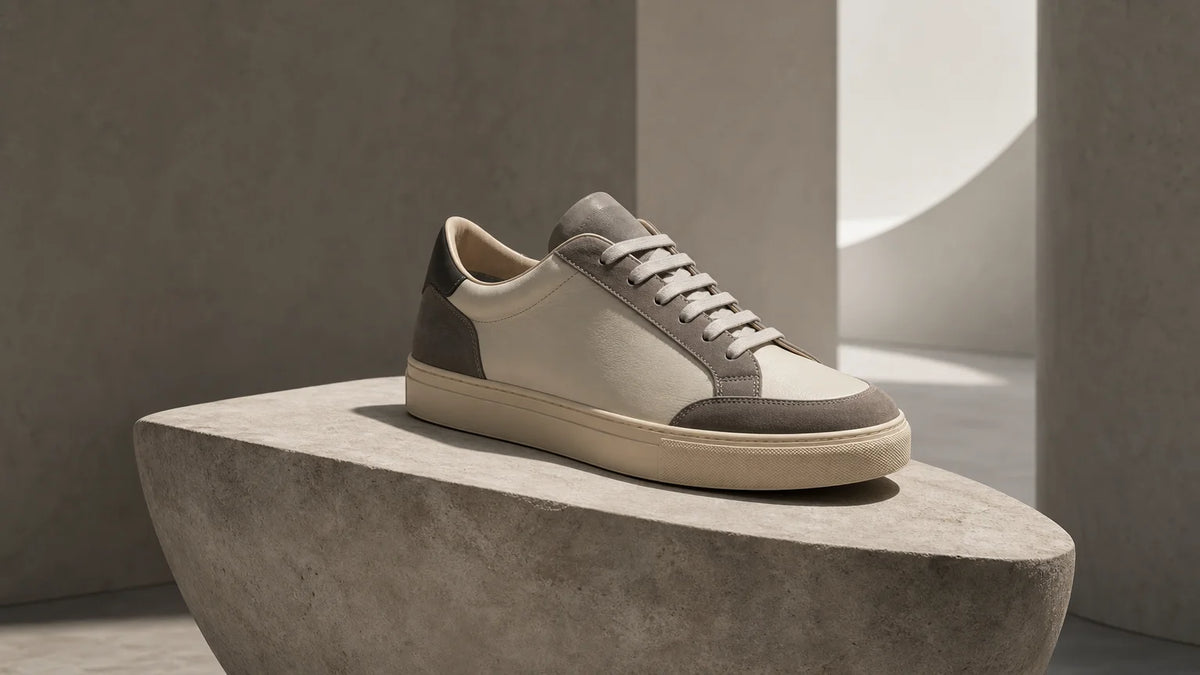
Neutral shades such as black, white, cream, gray, and understated earth tones usually coordinate with more clothing. A bold colorway can be an excellent choice when you want the sneakers to lead the outfit, but it should be treated as a deliberate styling decision rather than an automatic everyday option.
Silhouette matters as much as color. A streamlined low-top design often works with tailored trousers, denim, shorts, and relaxed weekend clothing. A highly sculpted or oversized sneaker creates a stronger visual statement and may require wider or more casual proportions elsewhere in the outfit.
If you are considering designer footwear, assess the relationship between craftsmanship, identity, wearability, and price. Our editorial guide on how to buy designer sneakers can help you evaluate a pair beyond its label or immediate visual appeal.
Rarity adds another layer. Before buying a limited release, verify the source, condition, sizing information, packaging, and return terms. Our guide to limited-edition sneakers for sale is relevant when scarcity, provenance, and collectability matter as much as daily comfort.
Value should also include maintenance. A pair that requires specialist cleaning, delicate storage, or frequent replacement may cost more over time than its initial price suggests. Conversely, a carefully maintained premium sneaker can remain useful across several seasons.
Buy online with a clear verification checklist
Online shopping expands access to international styles, but it removes the immediate physical test. Before placing an order, review five areas: the measurement chart, product specifications, seller identity, return conditions, and warranty language.
- Measure accurately. Use your larger foot and compare centimetres or inches with the model-specific chart.
- Read the construction details. Confirm the upper, lining, insole, midsole, outsole, and intended use.
- Check availability. A preferred size that is unavailable may encourage an unsuitable compromise.
- Review returns. Confirm the window, condition requirements, exchange process, and responsibility for return shipping.
- Confirm authenticity and warranty. Understand who is selling the pair and which defects or issues are covered.
Size availability deserves special attention. In April 2026, AlixPartners stated that 65 percent of surveyed consumers had abandoned a footwear purchase because their size was unavailable, while 67 percent cited price. Availability should not pressure you into ordering the wrong size, especially when the model has limited flexibility or a narrow fit.
When possible, inspect the shoes indoors on a clean surface before removing tags or wearing them outside. Compare both feet, walk naturally, and check the toe box, heel, arch, and sides. If the fit is wrong, start the exchange or return process promptly and preserve the original packaging.
For higher-value purchases, a specialist marketplace can simplify discovery and sourcing. We connect customers with a curated international network of more than 250 builders, designers, suppliers, and brands, while our sales team provides personal assistance for selected high-value acquisitions. That combination is useful when rarity, provenance, and informed guidance matter more than a quick transaction.
Make the decision with evidence, not impulse
A strong sneaker buying guide begins with use, then moves through fit, construction, materials, style, and purchase conditions. Measure both feet, walk in the shoes, inspect the sole and upper, and choose a design that suits your climate and wardrobe. The best decision is the one that remains comfortable, useful, and credible after the first impression fades.
Find sneakers with a distinctive point of view
Once you know the fit, materials, silhouette, and level of rarity you want, your search can become more focused. A curated selection is especially helpful when you value design and a more considered relationship with what you wear.

Explore our marketplace and discover luxury sneakers selected for customers who appreciate distinctive design, premium positioning, and a connection to wider mobility culture.
Frequently Asked Questions
How should sneakers fit?
Your toes should have room to move without touching the front or pressing against the sides. The heel should remain secure, while the midfoot should feel supported without uncomfortable pressure.
Should you buy sneakers in your usual size?
Use your usual size only as a starting point. Measure both feet and compare the larger measurement with the specific model’s size chart, because sizing can vary between brands and constructions.
What is more important, cushioning or support?
Neither is universally more important. Cushioning affects impact comfort, while support affects stability and foot positioning, so the right balance depends on your activity, foot shape, and personal preference.
Are designer sneakers suitable for everyday wear?
They can be, provided the fit, materials, outsole, and cushioning suit your routine. Our curated sneaker selection is relevant when you want design-led footwear that can be assessed alongside practical wearing requirements.
What should you check before buying limited-edition sneakers?
Check authenticity, provenance, condition, exact sizing, packaging, seller identity, and return terms. Scarcity should enhance a sound purchase, not replace careful verification.