The 1923 T-Bucket Hot Rod: A Collector's Complete Guide

Ford placed roughly 18 million Model T cars on American roads before production ended, yet only a fraction survive today as the wild, engine-forward machines collectors chase. The 1923 body shell became the template for an entire movement, and understanding its appeal starts with understanding why builders keep returning to it. If you are gathering references before a purchase, our classic cars buying inspiration offers a useful visual starting point.
The story runs from Detroit assembly lines to Southern California driveways. eBay Motors notes that the Model T was built from 1908 through 1927, which is why the surviving cars grew cheap and plentiful enough for young enthusiasts to cut them apart. That surplus, more than any single design decision, created the vintage street rod phenomenon we celebrate now.
What Defines a 1923 T-Bucket Hot Rod
Consider the silhouette first. A genuine 1923 t-bucket hot rod keeps the two-seat roadster body of a Ford Model T, stripped of its fenders, running boards, and roof until the passenger compartment resembles a simple bucket. That reduction is the entire point. Every panel removed lowers weight and exposes the mechanical drama underneath.
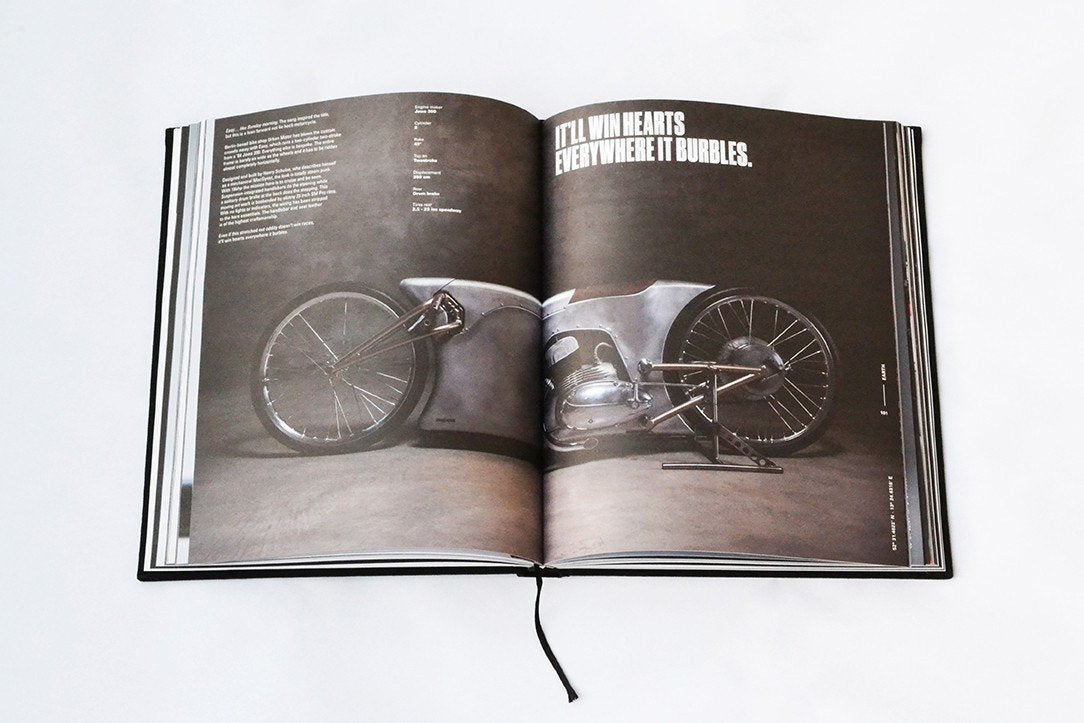
The proportions are deliberately extreme. The front wheels are often narrow, occasionally sourced from motorcycles, while the rear tires are wide and tall to plant the power. A tall Model T style radiator sits ahead of an engine that is usually far larger than the tiny chassis ever needed. This visual imbalance is the signature of the classic street rod, and it explains why the cars still stop traffic at any show.

From Model T to Kookie Kar: A Short History
Why did a humble economy car become a canvas for rebellion? Affordability drove everything. Classic Insurance records that a new Model T cost about 850 dollars at launch but had fallen to roughly 290 dollars by 1925, and once owners moved on to newer models, used examples flooded the market at almost giveaway prices.
Those cheap bodies met a generation of postwar tinkerers. The archetype crystallized in the 1950s when builder Norm Grabowski reworked a Model T into a radical roadster. His car gained national fame on television as the "Kookie Kar," and its exposure triggered countless imitations. The provenance still carries weight: eBay Motors reports that Grabowski's original machine later sold for 484,000 dollars at auction, a figure that underlines how deeply this design is embedded in American car culture. For a broader look at how craft builders reinterpret this tradition, our hot rods feature story is worth your time.
Engines, Drivetrains, and Build Choices
Picture the moment a builder chooses a powerplant. Because the body is so light, almost any modern V8 transforms the car. The small-block Chevrolet remains the popular default because it is compact, light, and easy to tune. Four-cylinder engines appear on cars driven regularly, while superchargers and modern fuel injection show up on more ambitious builds.
The listings confirm this variety. Current marketplace inventory includes a 1923 T-bucket fitted with a 7.2-liter Mopar 440 V8, alongside others running rebuilt Ford 302 engines paired with C4 automatic transmissions and four-wheel disc brakes. When you evaluate a build, the drivetrain and brake specification matter as much as the paint, because these cars produce far more power than their weight requires.
- Engine: small-block Chevrolet V8 is common; big-block and Mopar options exist.
- Body: since the last Model T was built in 1927, most cars now use fiberglass reproduction shells.
- Brakes: modern disc conversions greatly improve safety over vintage drums.
- Transmission: automatic units dominate current listings, though manuals remain available.
What a 1923 T-Bucket Costs in 2026
How much should you budget? The spread is wide because these are handmade cars. Across active online listings in 2026, driver-quality 1923 examples typically range from about 14,000 dollars for modest builds to roughly 34,000 dollars for well-finished cars, with a small number of steel-bodied or high-specification builds pushing near 40,000 dollars.
Auction history sets the ceiling. According to market data from Classic.com, the highest recorded T-bucket sale was 258,500 dollars for a 1927 Ford Model T custom roadster in January 2022, while the lowest documented result was just 3,000 dollars for a project car in July 2025. That gulf reflects condition, provenance, and build quality more than model year alone.
| Segment | Typical 2026 range | Notes |
|---|---|---|
| Project / kit car | 3,000 to 14,000 dollars | Incomplete or basic fiberglass builds |
| Driver quality | 14,000 to 34,000 dollars | Running, registered street rods |
| Show or steel-bodied | 34,000 to 40,000+ dollars | High finish, rare original bodies |
| Historic provenance | 250,000 dollars and above | Named cars with documented history |
If your interest sits at the higher, restomod end of this spectrum, our hot rod & restomod context explains how build quality and engineering drive collectible values.
Steel or Fiberglass: The Body Question

Here is a distinction that shapes both price and authenticity. Original steel Model T bodies became scarce decades ago. The first fiberglass T-bucket body, based on the 1923 version, was introduced in the late 1950s, and reproduction shells have dominated ever since. Most cars advertised today, even those titled as 1923, ride on modern fiberglass reproductions over a fabricated frame.
This is not a flaw, but it is a value factor. An original steel-bodied car with a documented history sits in a different tier than a fiberglass kit assembled recently. When a title reads 1923, verify whether the number reflects an authentic body or simply a registered build date. Reviewing curated listings and comparable sales protects you from overpaying.
Buying Smart: Inspection and Ownership
Imagine arriving to inspect a car that looks stunning in photographs. Focus your attention on the parts that photographs hide. Check frame welds, steering geometry, brake lines, and fuel system routing, because home-built cars vary enormously in engineering standard. A well-sorted 302 with disc brakes is a very different ownership proposition than an unbraked, overpowered project.
Documentation matters more than mileage on these cars, since odometers on custom builds are often meaningless. Ask for build receipts, engine records, and clean-title confirmation. If you are new to the segment and want a vetted starting point rather than an open marketplace, we can help you shortlist verified machines before you commit.
Final Thoughts on Owning a T-Bucket
The 1923 T-bucket hot rod endures because it distills the entire hot rod ethos into one honest shape: minimal body, maximal engine, no pretense. Buy on engineering and documentation rather than paint, decide early whether steel authenticity matters to you, and match the build to how you actually intend to drive. Approached with that discipline, a T-bucket rewards its owner with a piece of living American design history.
Take action with TheArsenale
Whether you are drawn to the raw character of a period street rod or the refined engineering of a modern restomod, sourcing the right machine takes access and trust. We curate high-end mobility and collectible vehicles for buyers who value provenance over guesswork.

Through our marketplace and Private Membership, you gain access to select vehicles before they are listed publicly, with a sales team that typically replies in under thirty minutes. Explore our curated classic cars & hot rods collection and let us help you find a machine worthy of your garage.
Frequently Asked Questions
Is a 1923 T-bucket usually an original Ford?
Rarely in full. Original steel Model T bodies are scarce, so most cars titled as 1923 use fiberglass reproduction shells on fabricated frames. Always confirm whether the year reflects an authentic body or a registered build date.
How much does a 1923 T-bucket cost in 2026?
Driver-quality examples generally range from about 14,000 to 34,000 dollars, with high-finish or steel-bodied builds reaching near 40,000 dollars. Project cars can start around 3,000 dollars, while historically significant machines sell for far more at auction.
What engine is typically fitted to a T-bucket?
The small-block Chevrolet V8 is the most common choice for its light weight and tunability. Big-block, Mopar, and four-cylinder options also appear, and many builders add superchargers or modern fuel injection.
Are T-buckets safe and practical to drive?
It depends entirely on the build. A car with modern disc brakes, sound steering, and a properly matched drivetrain can be enjoyable, while an underbraked, overpowered example demands caution. Inspection of the chassis and braking system is essential before purchase.
Where can I find verified T-buckets for sale?
Open marketplaces list many cars, but quality and documentation vary widely. If you prefer a curated route, we can help you shortlist vetted classic cars and hot rods with clearer provenance before you commit to a purchase.