Amphibious Vehicle Price Guide: What to Expect in 2026

How much should you truly budget for a machine that drives onto land and floats across water without a trailer? Entry recreational models begin near 11,000 dollars, while bespoke luxury craft climb past 170,000 dollars, a spread that reflects genuine differences in engineering rather than branding alone. For a closer look at one benchmark platform, consult our Sherp N-1200 amphibious vehicle price breakdown.
The price of an amphibious vehicle is one of the most misunderstood figures in specialty mobility, because a single label covers everything from six-wheel hunting rigs to street-legal boats. Demand is expanding across recreation, defense and rescue, which keeps pricing dynamic. According to Fortune Business Insights, the global market was valued at 230 million dollars in 2025 and is projected to reach 261 million dollars in 2026.
What Determines the Price of an Amphibious Vehicle
Before comparing brochures, it helps to understand the cost drivers. The amphibious vehicle price you encounter is shaped less by badge and more by measurable engineering choices. A vehicle that must remain reliable in both saltwater and rough terrain requires specialized materials and sealing that raise the baseline cost significantly.
- Propulsion architecture: tracked, water-jet, screw-propeller and hybrid systems carry very different manufacturing costs.
- Water capability: a true self-propelled hull that planes on water costs more than a unit that merely wades.
- Payload and seating: larger cabins, higher passenger counts and heavier cargo ratings scale the price upward.
- Corrosion protection: marine-grade construction adds durability but also raises the entry figure.
- Regulatory compliance: street-legal certification and Coast Guard standards add development expense.
Independent researchers note that dual-environment reliability is a structural cost issue, not a temporary one. The intricate engineering needed to prevent saltwater corrosion and guarantee mechanical reliability remains a recognized barrier across the sector, as reported by a 2026 industry report.
Amphibious Vehicle Price Ranges by Category

Buyers typically fall into three spending tiers. The table below groups representative categories so you can anchor a budget quickly, and it positions our curated marketplace as the most direct route to verified luxury and utility machines.
| Segment | Typical price range | Best for | Access |
|---|---|---|---|
| Recreational six-wheel | 11,000 to 20,000 dollars | Hunting, trails, light water | Regional dealers |
| Utility and industrial | 90,000 to 140,000 dollars | Rescue, commercial, extreme terrain | Specialist dealers |
| Luxury and street-legal | 150,000 dollars and above | Yachting, collectors, coastal leisure | TheArsenale marketplace (curated, verified) |
These bands overlap in the real world, yet they give a defensible starting point. If you intend to move between a superyacht tender and a coastal road, the luxury tier is where our selection concentrates its expertise.
Recreational and Utility Models: The Working End of the Market
Consider a hunter who needs to cross a bog, then float a small pond. Compact six-wheel amphibious units answer that brief affordably, with entry recreational models starting around 11,000 dollars and special-edition builds landing near 17,000 to 19,000 dollars. These machines prioritize traction, simplicity and payload over speed or refinement.
At the industrial end, large-tire utility vehicles designed for rescue crews, geologists and remote logistics command far higher figures, frequently between 90,000 and 140,000 dollars before freight and setup. Their amphibious utility vehicle cost reflects heavy diesel drivetrains, extreme obstacle clearance and cabins that seat large crews. The commercial segment is expanding steadily, supported by demand for water transport, tourism and excavation work.
Growth in this tier is not incidental. In the United States alone, Precedence Research estimated the national amphibious vehicle market at 1.77 billion dollars in 2025, underlining how much capital flows toward defense, rescue and commercial platforms.
Luxury and High-Performance Amphibious Craft

Picture arriving at a marina, then driving directly off the road and onto the water in a single fluid motion. This is where the luxury tier justifies its premium. Street-legal amphibious boats built to Coast Guard marine standards and federal road regulations begin around 170,000 dollars and rise sharply with bespoke specification.
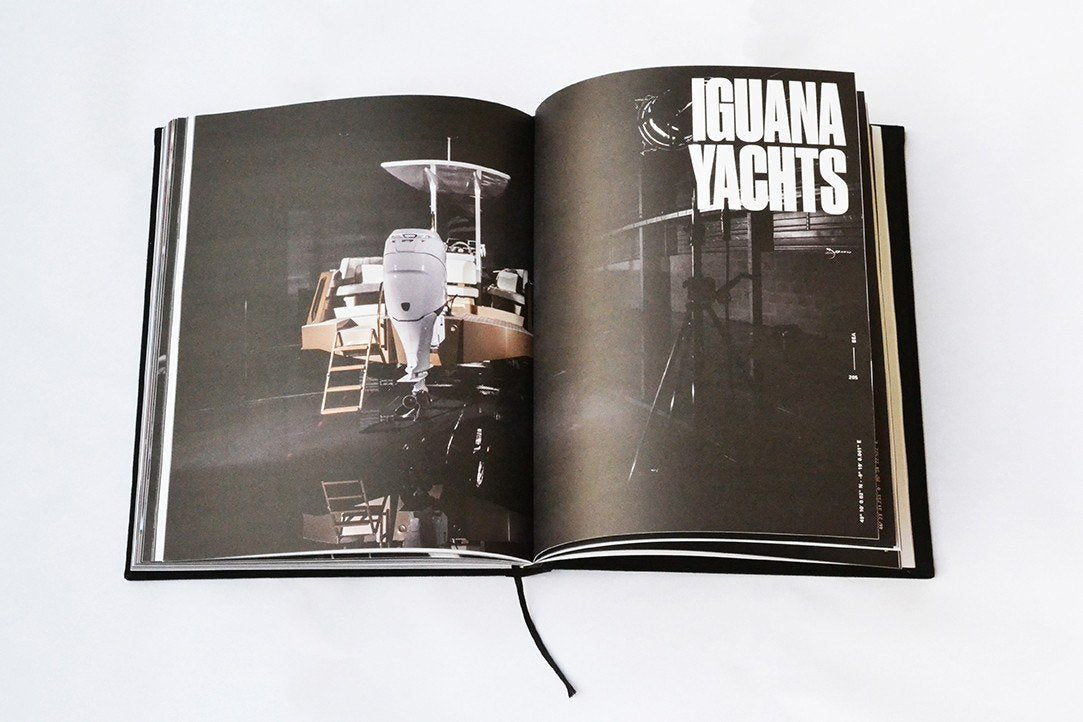
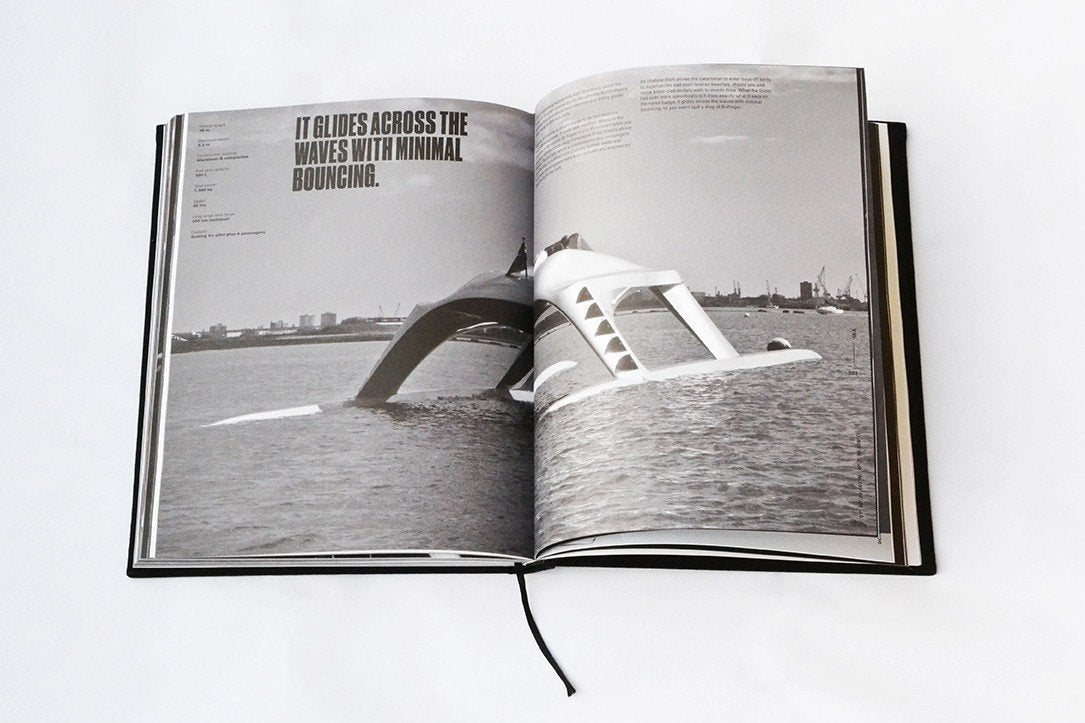
Two machines illustrate the breadth of this segment well. A high-performance amphibious quad blurs the line between watercraft and off-road vehicle, and you can review the specification detail through our Gibbs Terraquad amphibious UTV price guide. For buyers seeking yacht-grade finish and design, our Iguana Classic 31 amphibious luxury price feature explains why certain hulls command collector-level figures.
Luxury builders intentionally limit annual production, treating each unit as a one-of-one commission much like a bespoke supercar. That scarcity, combined with marine-grade fabrication, is the primary reason these amphibious luxury craft prices sit so far above recreational units. If you are exploring this tier, our range of amphibious boats and water vehicles gathers verified options in one place.
Market Context: Why Prices Are Moving in 2026
Why does the sticker keep climbing? The answer lies largely outside the recreational world. Rising defense budgets and fleet modernization are the dominant force, as nations replace legacy hardware with advanced platforms suited to coastal operations. This institutional demand pulls engineering talent and materials toward higher-value builds, which indirectly supports pricing across the entire category.
The scale of these programs is considerable. Fortune Business Insights reports that the defense segment is expected to hold roughly 72 percent of the market in 2026, while North America accounted for close to 37 percent of value in 2025. Civil engineering is emerging as a parallel driver too: in March 2025, an electric amphibious dredging set with a 35-tonne excavator was introduced to meet zero-emission standards, signaling steady non-defense demand.
For private buyers, the practical takeaway is simple. As long as institutional and commercial appetite stays strong, entry prices are unlikely to fall meaningfully, so patience rarely produces a discount at the luxury end.
How to Budget Realistically
Start from use, not aspiration. A weekend explorer rarely needs a six-figure hull, while a coastal collector will find recreational units limiting within a season. Map your genuine terrain, water conditions and passenger needs first, then anchor to the correct tier from the table above.
Factor in the hidden line items as well. Freight, setup, winter storage, insurance and marine-grade maintenance all add to the headline figure, particularly for utility and luxury machines where corrosion control is ongoing rather than optional. When you are ready to compare verified luxury options, our curation removes much of the guesswork from a fragmented market.
Final Thoughts on Amphibious Vehicle Costs
The right amphibious vehicle price is the one that matches your real terrain, water demands and ownership horizon rather than the lowest or highest number on a page. Recreational units reward practical buyers, utility machines serve professionals, and luxury craft answer those who want seamless movement between road and sea. Define your use case first, budget for maintenance and freight, and the correct tier becomes obvious. Treat the purchase as a long-term platform, and the initial figure will feel far more justified across years of use.
Take action with TheArsenale
Choosing between recreational, utility and luxury amphibious machines is far easier when the options in front of you are already verified and clearly specified. If your interest sits in the higher tier, where finish, provenance and rarity matter, you deserve a source that curates rather than merely lists.

As a luxury mobility marketplace, we bring together high-end mobility and ocean exploration machines, with a Private Membership that grants access to vehicles before they are listed publicly. Explore our selection of amphibious vehicles for sale and connect with a sales team that typically replies in under thirty minutes, across Monaco, Dubai, Doha and online.
Frequently Asked Questions
What is the cheapest amphibious vehicle you can buy?
Compact six-wheel recreational models are the most affordable entry point, generally starting around 11,000 dollars before freight and setup. These units prioritize traction and payload over speed or refinement, making them popular with hunters and outdoor enthusiasts.
Why are luxury amphibious vehicles so expensive?
Luxury amphibious craft combine marine-grade fabrication, street-legal certification and intentionally limited production, with many builds treated as one-of-one commissions. Street-legal models meeting Coast Guard and federal road standards typically begin around 170,000 dollars and rise with bespoke specification.
Are amphibious vehicles street legal?
Some are, provided they use approved road components such as headlights, seat belts and turn signals, and meet the relevant roadway regulations. Many recreational and industrial units, however, are designed for off-road and water use only, so you should always confirm certification before purchase.
Where can I buy a verified luxury amphibious vehicle?
Specialist marketplaces are the safest route for high-value craft, because they verify condition and provenance before listing. Our curated selection gathers luxury amphibious boats and water vehicles in one place, with a Private Membership offering early access before public listings.
Is the amphibious vehicle market growing?
Yes, the sector is expanding across defense, rescue and commercial use, which supports steady pricing. Industry analysts project the global market to grow through 2034, driven largely by defense modernization and rising demand in tourism and disaster response.