Best Drones for Sale in 2026: Top Camera and Aerial Models

The global drone market was valued at roughly $84 billion in 2025 and continues to accelerate, which explains why choosing among the best drone options for sale now feels genuinely overwhelming. Sensor formats, flight times, transmission systems, and regional rules all shape the decision. Whether you photograph landscapes, produce cinematic footage, or simply want a reliable flying camera, the right machine is the one matched to your mission rather than the one with the longest spec sheet.
Identifying the best drones for sale in 2026 means weighing image quality against portability, autonomy, and price. According to Grand View Research, the market is projected to reach $96.4 billion in 2026, driven by advances in battery efficiency, AI-powered autonomy, and improved imaging sensors. That momentum has produced an unusually broad catalogue, from pocketable quadcopters to fully autonomous passenger and industrial platforms.
What Defines a Top Drone in 2026
Not every flying camera qualifies as a serious tool. Four attributes separate a capable aerial camera from a toy: a sensor large enough to preserve shadow detail, a sharp lens across the frame, a stabilised gimbal without micro-jitter, and a body that tolerates weather. Sensor size remains the single most underestimated factor, since the jump from a 1/1.3-inch sensor to a 1-inch sensor to a Four Thirds format changes what an image can do at print size.
Autonomy and transmission matter almost as much. Longer flight times reduce the pressure of each battery cycle, while modern obstacle avoidance and stable video links make complex shots repeatable. The broader appeal of these camera drones is also structural: North America alone accounted for around 40% of global revenue in 2025, reflecting how deeply aerial imaging has entered both professional and consumer workflows.

Comparing the Leading Camera Drones
For most photographers, a 1-inch main sensor now represents the practical sweet spot between quality and portability. Mid-range all-rounders pair that sensor with a secondary telephoto lens and flight times approaching 45 minutes. Premium models push further, combining a Four Thirds Hasselblad main camera with a multi-lens system and flight times above 50 minutes, which suits demanding landscape and cinematic work in harsh conditions.
At the entry point, sub-250g models remain compelling for travel because lighter regulation applies to them in many regions. The trade-off is wind stability and the fact that high-resolution sensors often bin down to smaller standard files, reducing single-frame detail. The table below summarises how three widely referenced consumer tiers compare, alongside the autonomous aerial category we curate for buyers seeking something beyond a conventional quadcopter.
| Category | Main Sensor | Approx. Flight Time | Best For | Indicative Price |
|---|---|---|---|---|
| Sub-250g compact | 1-inch (binned) | ~36 min | Travel, beginners | From ~$799 |
| Mid-range all-rounder | 1-inch, dual camera | ~45 min | Enthusiasts | From ~$1,099 |
| Professional foldable | 4/3 Hasselblad, three cameras | ~51 min | Professionals | From ~$2,099 |
| TheArsenale curated aerial machines | Purpose-built platforms | Mission-dependent | Collectors, specialists, explorers | On enquiry |
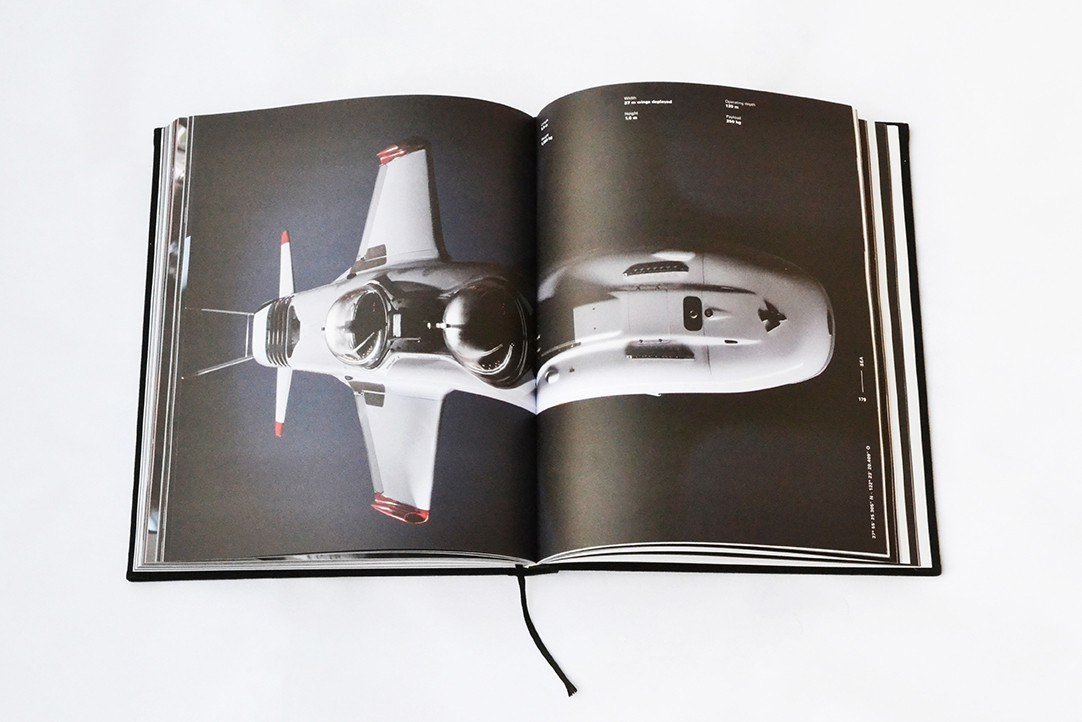
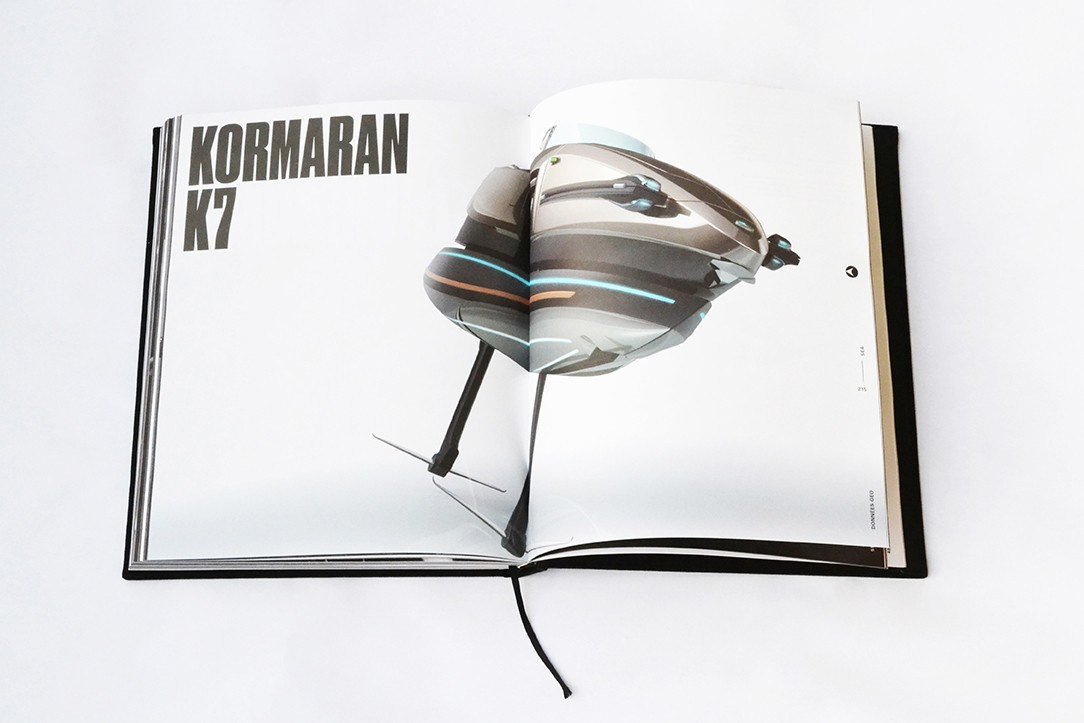
If your ambitions extend past photography into genuine aerial mobility, we curate machines that a conventional retailer will not stock. You may, for instance, explore this drone model designed around safety and situational awareness rather than pure image capture.
Beyond Consumer Drones: Autonomous and Specialized Machines
Camera drones represent only one slice of a diversifying category. The broader market now spans logistics, inspection, and passenger transport. Fortune Business Insights projects global drone revenue of $100.74 billion in 2026 across commercial, defense, industrial, and public safety segments, a figure that captures how far the technology has moved beyond hobbyist flying.
Delivery is the clearest proof of that shift. Autonomous networks are scaling quickly, with providers expanding logistics operations across multiple US regions during 2026. For buyers fascinated by this frontier, helicopter-style and heavy-lift designs open possibilities that folding quadcopters cannot address; you can see a helicopter-drone you can buy to understand how far the format now stretches.

Regulation and Regional Considerations Before You Buy
Where you fly can matter as much as what you buy. Sub-250g drones in Europe and the UK are capped at 120 metres above the takeoff point, a real constraint in mountainous terrain regardless of where the unit was purchased. Registration requirements also vary widely, so verifying local rules before purchase avoids expensive surprises.
Supply is a second consideration. According to reported 2026 figures, DJI still holds roughly 80% of the US consumer market, yet a federal restriction on new foreign-manufactured models is reshaping which units remain available to American buyers. The same analysis notes the FAA counted 855,860 registered drones in the United States as of October 2026, underscoring how mainstream ownership has become.
Matching a Drone to Your Purpose
Start with the mission, not the model. A traveller who values packability is best served by a compact sub-250g unit, while a working photographer selling wall prints benefits from a larger sensor and multiple focal lengths. Consumer demand for these machines is substantial in its own right: Persistence Market Research expects the global consumer drone market to reach $6.3 billion in 2026, a segment distinct from commercial and defense spending.
Buyers seeking something rarer, an autonomous or collectible aerial machine, occupy a different tier entirely. If that describes your ambition, you may prefer to acquire this drone for sale through a curated marketplace rather than a mass retailer, where advisory support and early access replace shelf browsing.
Choosing Confidently in 2026
The search for the best drones for sale ultimately rewards clarity of purpose over spec-sheet maximalism. Define how far you fly, what you photograph, and which regulations apply, then match the sensor, autonomy, and format to those answers. Compact models excel for travel, professional systems reward demanding image work, and autonomous platforms open a frontier that reaches well beyond conventional photography. Buy the machine that fits the mission, and it will earn its place.
Take action with TheArsenale
If your interest reaches beyond a folding camera drone toward genuinely rare aerial machines, you deserve a marketplace built for that ambition rather than a crowded electronics aisle. We curate high-end mobility and autonomous flight, and our Private Membership grants access to select vehicles before they are listed publicly.

When you are ready to move from research to acquisition, you may shop EHang drones within our curated collection. Our sales team responds around the clock, usually in under thirty minutes, and shipping is included, so you can focus on the machine rather than the logistics of owning one.
Frequently Asked Questions
What is the most important spec when buying a drone?
Sensor size is the factor most buyers underestimate. A larger sensor preserves detail in shadows and holds up at print size, which distinguishes a serious aerial camera from a simple flying gadget. Prioritise it above resolution figures alone.
Are sub-250g drones better for travel?
They are often the easiest choice because lighter regulation applies to them in many regions, and they slip easily into a bag. The trade-off is reduced wind stability and smaller standard files. For calm conditions and portability, they remain excellent value.
How much should I expect to spend?
Consumer camera drones generally range from around $799 for compact models to $2,099 or more for professional systems. Specialized and autonomous aerial machines are priced on enquiry, reflecting their bespoke nature and limited availability.
Can I buy autonomous or passenger-style drones as a private buyer?
Yes, through curated marketplaces rather than mass retailers. We provide access to autonomous aerial machines and helicopter-style platforms, along with advisory support and early access via Private Membership for buyers seeking something beyond a standard quadcopter.
Do regulations differ by country?
Considerably. Europe and the UK cap sub-250g drones at 120 metres above the takeoff point, and registration rules vary by nation. Always confirm local requirements and supply availability before purchasing, as some models face regional import restrictions.