How Much Does an Electric Bike Cost? A 2026 Price Guide
Prices for electric bikes now stretch from a few hundred dollars to well beyond ten thousand, and that gap confuses many first-time buyers. Understanding the cost of an electric bike means looking past the sticker and examining what each price band actually delivers in battery, motor, and build quality. If you want a structured way to weigh those tradeoffs, our guide on how to buy an electric bike (budget tips) walks you through the decision step by step.
The category is also growing quickly, which keeps pushing new models onto the market at every price point. According to Fortune Business Insights, the global electric bike market is projected to grow from 65.80 billion dollars in 2026 to 193.23 billion dollars by 2034. That expansion means more choice, wider price ranges, and more reason to know exactly what you are paying for.
How much does an electric bike cost across price tiers
If you are asking how much does an electric bike cost, the honest answer is that prices span a wide range shaped by intended use. Most buyers can sort the market into four practical bands, and each step upward tends to change the tradeoffs rather than simply add prestige.
- Entry-level e-bikes (roughly 200 to 1,000 dollars): basic commuters and folding models with smaller batteries and simpler components. Legality and warranty support vary widely at this level.
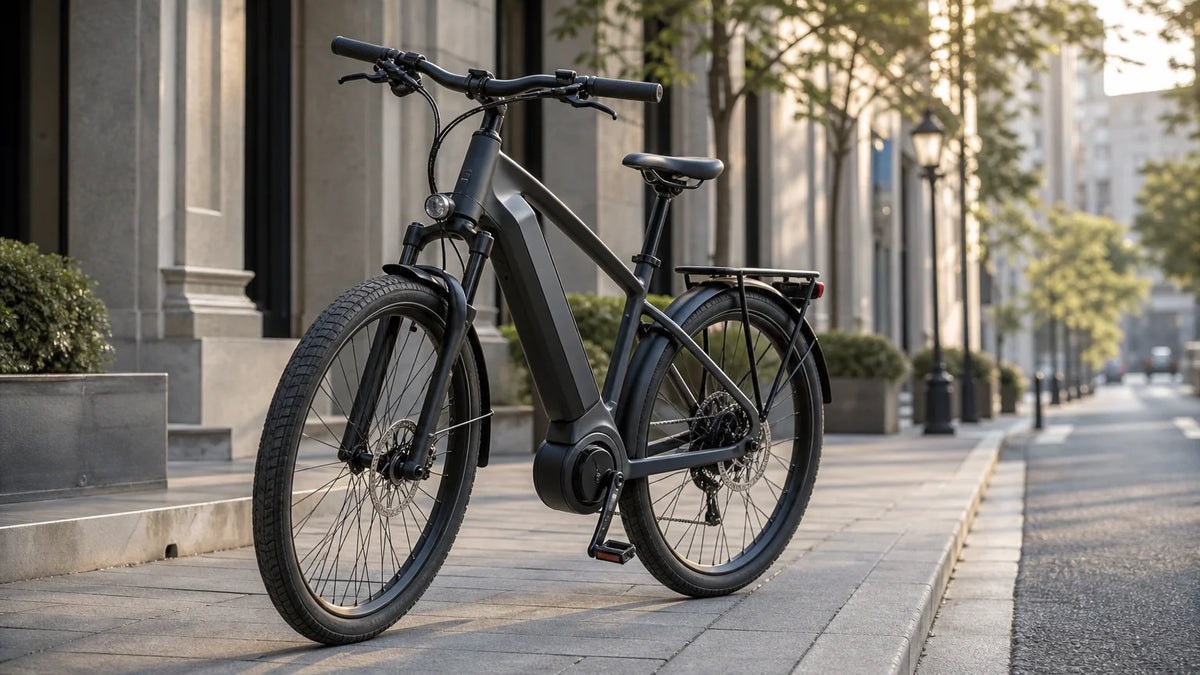
- Mid-range models (roughly 1,000 to 2,500 dollars): the sweet spot for daily commuters, with reliable batteries, hydraulic brakes, and better motors.
- Upper mid-range (roughly 2,500 to 5,000 dollars): specialized frames, torque sensors, longer range, and certified components.
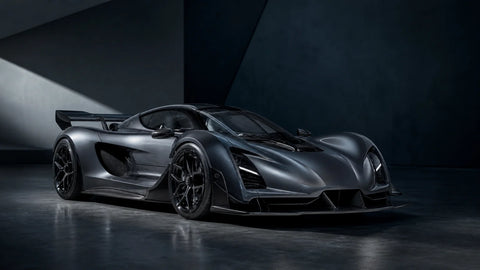
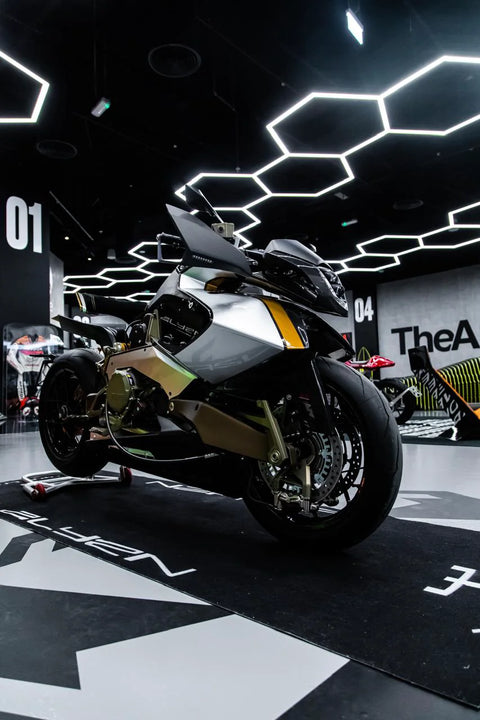
- Premium electric bikes (5,000 dollars and above): performance builds, electric mountain bikes, and bespoke or collectible machines that can exceed 10,000 dollars.
For everyday commuting, most quality options concentrate between 1,000 and 2,500 dollars. Spending more usually buys refinement, certification, and durability rather than raw range.

What drives the price of an electric bike
Two e-bikes with the same price tag can offer very different value, because the cost is built from several distinct components. Knowing which parts move the price helps you avoid paying for features you will rarely use.
- Battery capacity: measured in watt-hours, the battery is often the single most expensive part. Larger, lithium-ion packs extend range but raise the price significantly.
- Motor and wattage: stronger motors climb hills and accelerate faster, yet they add cost and may trigger licensing rules in some regions.
- Frame and materials: lighter alloys and reinforced frames cost more than basic steel builds.
- Brakes, suspension, and sensors: hydraulic brakes, full suspension, and torque sensors are hallmarks of higher tiers.
- Certification and warranty: safety certification and longer coverage frequently separate reputable models from bargain listings.
When you compare models within a single budget, focus first on battery and motor specifications, then on the finishing components. For a sense of how these choices map onto real manufacturers, our overview of the best electric bike brands (price ranges) lays out where each maker tends to sit.
The average price of an electric bike in 2026
Beyond the tiers, it helps to anchor your expectations against real market data. In the United States, the average e-bike price has been reported at around 1,825 dollars, according to a 2026 industry review, roughly ten percent cheaper than in 2021 as budget models pull the average down.
That downward pressure on entry prices coexists with a rising ceiling on premium builds, which widens the overall range. The market itself has grown rapidly: a 2022 market report valued the global electric bike sector at 26.2 billion dollars, a figure that has since climbed sharply. More competition and better manufacturing continue to improve what a mid-range budget can buy.
The total cost of owning an electric bike
The purchase price is only the starting point. Ownership costs, though modest compared with a car, still belong in your budget, especially when two bikes have very different service and replacement-part paths.
- Battery replacement: typically needed every few years, and it is one of the larger recurring expenses.
- Tune-ups and wear items: tires, brake pads, and periodic servicing keep the bike safe and efficient.
- Charging: electricity costs are minimal, usually a fraction of the fuel cost of driving the same distance.
- Insurance and accessories: optional in most regions, but lights, locks, and racks add value and safety.
Manufacturing economics also shape what you pay. According to ebike industry statistics, production costs represent only around 42 percent of the sales price, while net margins on each bike sit near ten percent. That structure explains why prices fall as volume rises, and why a well-chosen mid-range model often delivers the strongest long-term value.

Matching your budget to how you ride
The right price is the one that matches your route, your frequency of use, and the features you will actually rely on. A short flat commute rarely justifies a premium build, while daily hill climbing or cargo hauling can make a higher tier worthwhile.
| Option | Typical price | Best suited for |
|---|---|---|
| Entry-level e-bike | 200 to 1,000 dollars | Occasional, short, flat commutes |
| Mid-range e-bike | 1,000 to 2,500 dollars | Reliable daily commuting |
| Upper mid-range e-bike | 2,500 to 5,000 dollars | Longer range and specialized terrain |
| Premium e-bike | 5,000 dollars and up | Performance and collectible builds |
| Our curated e-bikes collection | Premium, with free shipping | Buyers wanting a vetted, high-end selection |
If you value a screened, quality-first shortlist rather than sifting through countless listings, browse our electric bikes collection to see curated options in one place. Deciding what the bike must do often enough to justify the extra cost is the surest way to spend well.
Final thoughts on pricing your next e-bike
Ultimately, the cost of an electric bike reflects the choices you make about battery, motor, frame, and finish rather than a single fixed figure. For most riders, a mid-range model between 1,000 and 2,500 dollars balances quality and value, while premium builds reward specific performance or design needs. Anchor your decision in how you actually ride, factor in ownership costs over several years, and treat any suspiciously cheap listing with caution, since legality and durability often suffer at the very bottom of the market.
Take action with TheArsenale
Once you know the price band that fits your riding, the next step is finding well-chosen machines without the guesswork of an endless marketplace. That is exactly where a curated approach saves you time and reduces the risk of buying the wrong bike.

As a luxury mobility marketplace, we bring together a selected range of high-end machines, and our Private Membership offers early access to vehicles before they are listed publicly, all with free shipping. Explore our electric bike price guide to align your budget with the right ride.
Frequently Asked Questions
What is a reasonable budget for a first electric bike?
For most first-time buyers, a budget between 1,000 and 2,500 dollars offers the best balance of quality and value. This range typically includes a dependable battery, a capable motor, and hydraulic brakes suitable for daily commuting.
Why are some electric bikes so much more expensive than others?
Higher prices usually reflect larger batteries, stronger motors, lighter frames, and certified components. Premium models also add refinements such as torque sensors and full suspension, which improve the ride but raise the cost.
Are cheap electric bikes under 500 dollars worth buying?
Very inexpensive models can work for light, occasional use, but quality, range, and warranty support are often limited. Legality and battery safety also vary, so it is wise to verify certification before purchasing at this level.
How much does it cost to maintain an electric bike each year?
Annual maintenance is modest and generally covers tune-ups, tires, and brake pads, with battery replacement needed every few years. Charging costs remain low, making the overall running expense far below that of a car.
Where can I compare curated electric bike options?
You can review a screened, quality-first shortlist through our electric bikes collection rather than sifting through countless listings. This helps you match your budget to models that meet a consistent standard.