How Much Does an Electric Moped Cost in 2026? Price Guide

The purchase price of an electric moped spans a surprisingly wide gap in 2026, from around $800 for an entry-level model to well beyond $5,000 for a performance machine. That spread confuses many first-time buyers, because two vehicles that look almost identical in photographs can differ by thousands of dollars once you examine the battery, motor, and components. Before you commit, it helps to understand what each price band genuinely delivers, and how a moped compares to adjacent categories such as e-bikes. For a broader view of two-wheel pricing, you may consult our guide to electric bike prices.
Demand is accelerating alongside supply. The global electric two-wheeler market reached USD 5.31 billion in 2026, according to MarketsandMarkets, up from USD 4.98 billion the previous year. That growth is widening the choice available to buyers and, in many tiers, improving what your money purchases. Understanding the price structure is the first step toward a confident decision.
What you actually pay for an electric moped in 2026
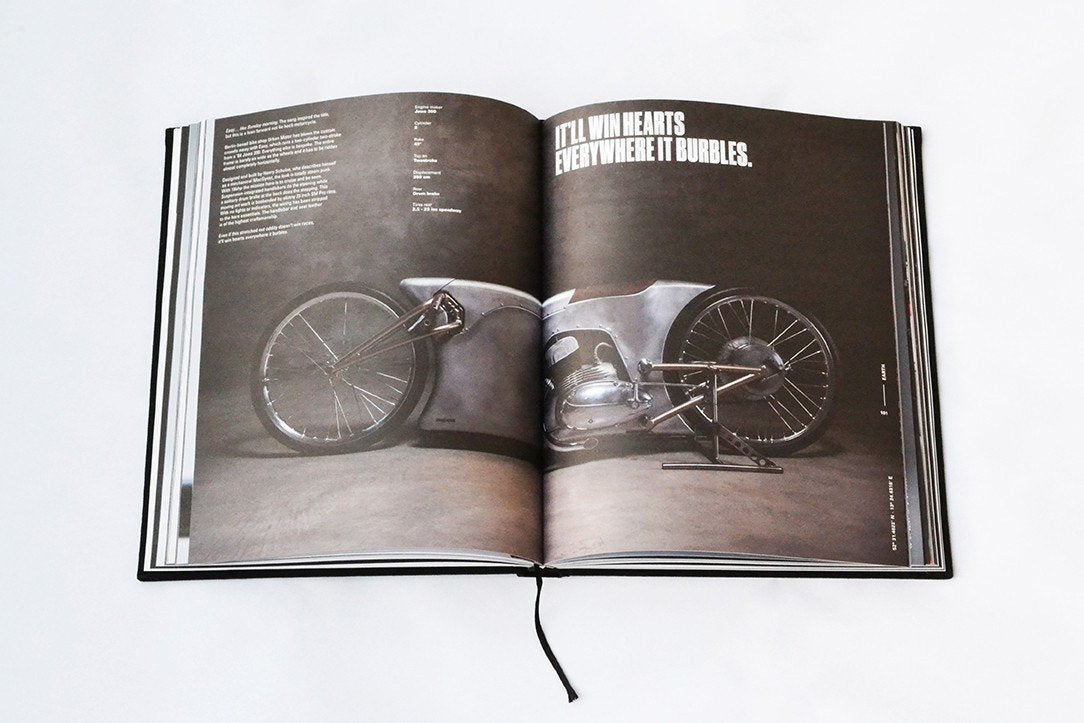
If you have been asking yourself exactly how much does an electric moped cost, the honest answer is that it depends heavily on which category you are shopping. Most street-oriented electric mopeds and scooters fall between roughly $1,500 and $5,000, while moped-style e-bikes with pedals often sit lower, between about $1,500 and $3,500. Genuine performance models with large batteries and motorcycle-grade parts push past the $5,000 mark.
Averages help set expectations. Across a large tracked database of electric rides, the average price recorded by RiderGuide in June 2026 was $1,113, with budget models averaging $335, mid-range around $934, and premium units near $2,107. Those figures skew toward standing scooters, so seated moped-style vehicles generally land at the upper end or above. As a practical rule, expect to pay more the moment you add a seat, larger wheels, and a bigger battery.

What drives the price of an electric moped
Consider two mopeds priced $2,000 apart. In almost every case, the battery explains most of that difference. A larger, higher-quality lithium-ion pack costs more to manufacture and directly determines range, so battery capacity is the single biggest lever on price. A 500Wh pack suited to short neighborhood trips is far cheaper than a 1,500Wh pack built for longer commutes.
Beyond the battery, several factors compound quickly:
- Motor power and torque, where higher wattage supports steeper hills and faster acceleration.
- Braking and suspension, with hydraulic brakes and adjustable forks appearing on higher tiers.
- Equipment such as turn signals, mirrors, color displays, and app connectivity.
- Build quality and warranty coverage, which protect your investment over time.
Encouragingly, value has improved. Features that once demanded a significant premium, including full suspension and integrated lighting, increasingly appear on more affordable machines. If range is your priority when weighing price, it is worth studying our electric scooter range vs cost analysis before you choose.
Budget, mid-range, and premium: which tier fits you
Picture three riders. The first wants a simple commuter for a two-mile trip to the office. The second wants comfort, speed, and enough range for daily errands. The third wants near-motorcycle performance. Each belongs in a different price band.
Budget models, roughly $800 to $1,500, cover short commutes and casual use. They deliver modest range and smaller batteries, though many now include hydraulic brakes and front suspension. Mid-range mopeds, approximately $1,500 to $3,000, are the practical sweet spot for most riders, offering stronger motors, larger batteries, and refined equipment. Premium models above $3,000 approach the territory of light electric motorcycles, with high-capacity packs, four-piston brakes, and speeds that may require registration in your area.
Choosing a tier is less about the sticker and more about matching capability to your actual routine. Paying for performance you will never use is as wasteful as buying too little range and regretting it on your first hill.

Purchase price versus total cost of ownership
The sticker is only the beginning. A meaningful part of the value of an electric moped emerges over years of use, where low energy and maintenance costs offset a higher upfront figure. Electricity is far cheaper than gasoline per mile, and an electric drivetrain has fewer moving parts to service, which reduces routine bills.
This is why total cost of ownership deserves as much attention as the purchase price. Industry pricing reflects how broad the category has become: average selling prices across electric two-wheelers span from about USD 850 to over USD 15,000, according to GMI, depending on speed class and market. Within that spectrum, a mid-range moped often recovers its premium through years of reduced fuel and service spending, provided you maintain the battery well and buy from a supplier with genuine warranty support.
How mopeds compare with e-bikes and electric motorcycles
Where does a moped sit between a bicycle and a motorcycle? On price, it usually occupies the middle. Moped-style e-bikes overlap with premium electric bicycles, while true electric motorcycles start considerably higher, frequently around $10,000 and climbing well beyond $15,000. The category boundaries also affect licensing, insurance, and where you may legally ride.
These distinctions matter because a faster, plate-required machine changes your total budget. The wider market context reinforces the trend toward affordability: the global electric bikes and scooters market is projected to reach USD 42.74 billion by 2030, per The Business Research Company, as battery costs fall and infrastructure expands. If you are weighing whether to step up a class, review our electric motorcycle cost breakdown to understand the full financial jump before deciding.
Making a confident buying decision
Answering how much an electric moped costs ultimately depends on your routine, your desired range, and how long you intend to keep the vehicle. Set a realistic budget around the tier that matches your daily distance, prioritize battery quality and warranty over cosmetic features, and factor in the lower running costs that electric power delivers over several years. A moped that fits your needs precisely will always represent better value than a cheaper machine that falls short or a premium one whose performance you never use.
Take action with TheArsenale
Now that you understand how pricing works across every tier, the next step is finding a machine that genuinely matches your standards. We curate high-end mobility with a focus on quality, performance, and design, so you spend less time filtering noise and more time choosing with confidence.

Explore our selection of electric mopeds available for sale and reach our sales team directly with any question. As a curated luxury mobility marketplace, we also offer Private Membership access to vehicles before they are listed publicly, giving you an early view of sought-after machines.
Frequently Asked Questions
What is a reasonable budget for a first electric moped?
For most first-time buyers, a budget between $1,500 and $3,000 covers a capable mid-range moped. This range typically delivers dependable battery capacity, a stronger motor, and safety equipment such as hydraulic brakes without paying for performance you may not need.
Why are some electric mopeds so much more expensive than others?
The battery is the primary driver of price, followed by motor power, braking, suspension, and build quality. Premium machines use larger, higher-grade lithium-ion packs and motorcycle-grade components, which raises the cost considerably compared with entry-level models.
Are electric mopeds cheaper to run than gas scooters?
In general, yes. Electricity costs far less per mile than gasoline, and an electric drivetrain requires less routine maintenance. Over several years, these savings can offset a higher purchase price.
How does an electric moped price compare to an electric motorcycle?
Electric mopeds are considerably more affordable, usually staying under $5,000, while true electric motorcycles commonly start near $10,000 and rise well beyond $15,000. We provide a detailed cost breakdown to help you evaluate the difference before stepping up a class.
Do prices for electric mopeds change during the year?
Yes, promotional periods such as major seasonal sales events frequently bring meaningful discounts. Timing a purchase around these windows can reduce the price, though availability of specific models may vary.