How to Choose a Jetski: A Practical Buyer's Guide for 2026

The global personal watercraft market is expanding quickly, driven by a growing appetite for water-based leisure and coastal exploration. That momentum means more models, more categories, and, frankly, more confusion at the dealership. If you are torn between a nimble entry-level craft and a touring machine built for long cruises, the decision rewards a little structure. For riders drawn to quieter, cleaner propulsion, our guide to electric jet skis offers a useful starting point.
Understanding how to choose a jetski comes down to a handful of decisions made in the right order. Fortune Business Insights projects the personal watercraft market at USD 1.35 billion in 2026, a sign of how many options now compete for your attention. This guide walks through each factor so that your money lands on the machine that genuinely fits your life on the water.
Start With Purpose: Why Do You Want a Jetski?
Before you compare a single spec sheet, answer one question: what will you actually do on the water? A rider who wants relaxed weekend cruises has very different needs from a family towing wakeboarders or an adrenaline seeker chasing top speed. Your intended use narrows the field faster than any other factor.
Location matters just as much as activity. Calm lakes and rivers place gentle demands on a hull, while open ocean and choppy conditions call for a larger, more stable platform. Salt water also raises the stakes on maintenance, since it requires more frequent flushing and corrosion care. If you plan to explore coastlines or venture offshore, factor that into both the category and the upkeep budget from the outset.

Understand the Main Jetski Categories
Manufacturers organize their ranges into distinct personal watercraft categories, and knowing them shortens your search considerably. Each tier balances power, comfort, and price differently, so the right label points you toward the right machine.
- Rec-Light models: the most affordable tier, typically carrying two adults with 60 to 100 horsepower and a top speed near 45 MPH. They handle smooth water well but ride rougher when conditions turn choppy.
- Recreation models: a mid-range choice with roughly 120 to 180 horsepower, top speeds of 50 to 60 MPH, and features such as electronic reverse and eco modes.
- Luxury and touring models: feature-rich craft with more than 300 horsepower, hulls over 11 feet, and generous storage for long, stable cruises.
- Performance models: lightweight, high-horsepower machines built for sharp handling and rapid acceleration, and not intended for beginners.
- Stand-up models: narrow hulls with a pole-mounted handlebar that demand athleticism and practice.
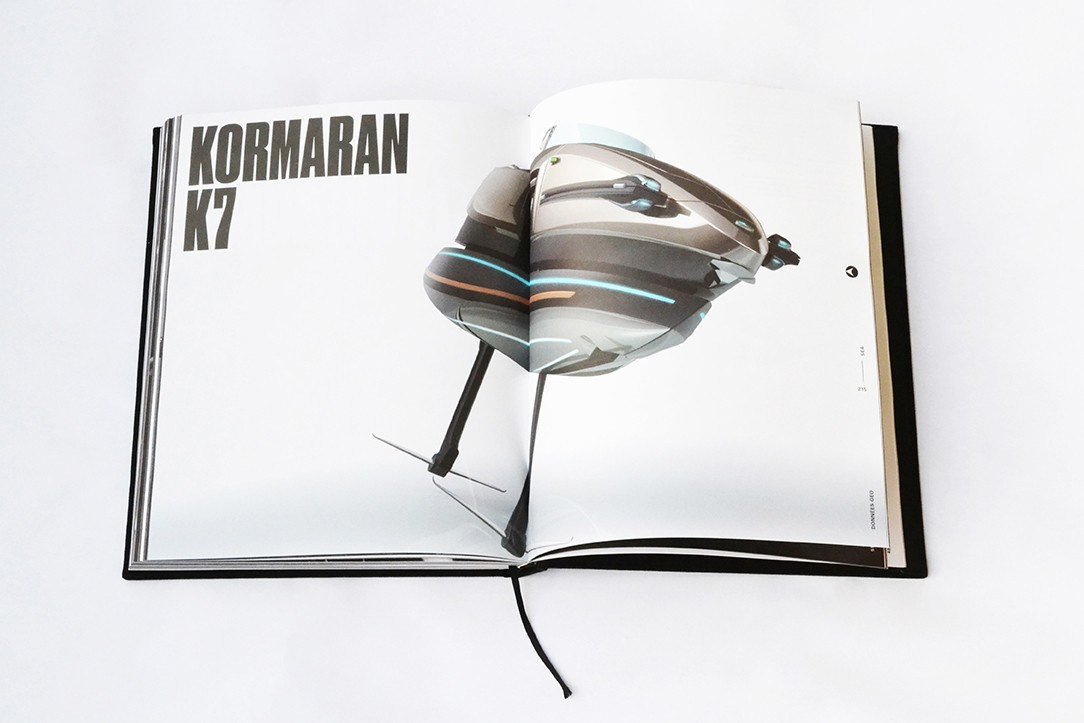
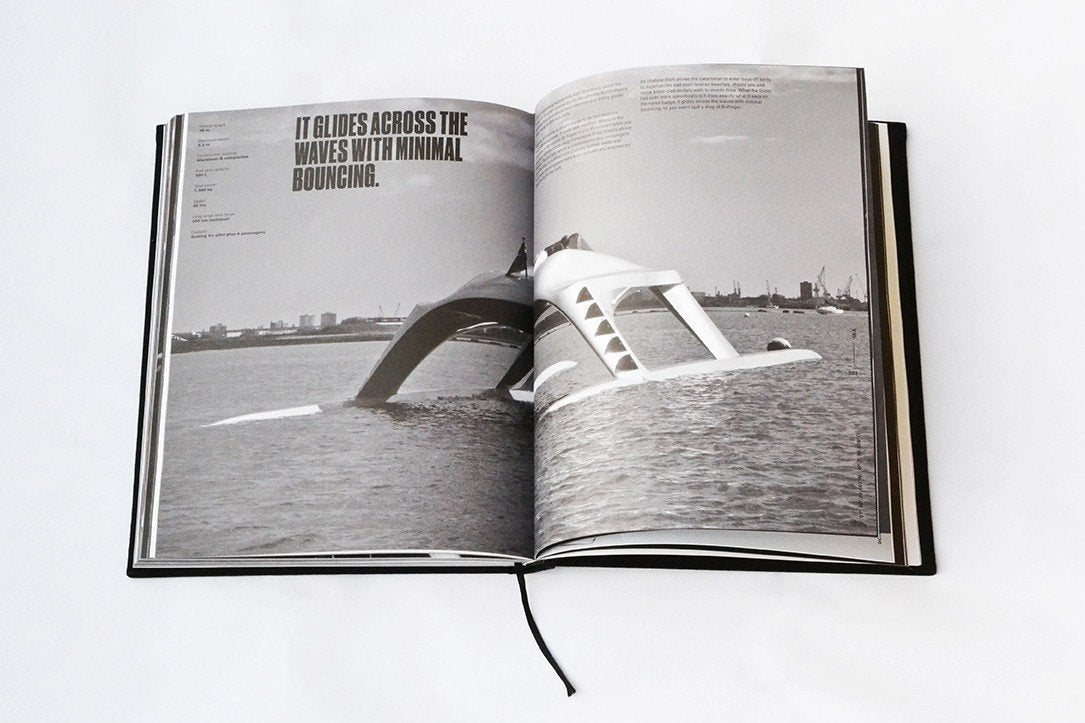
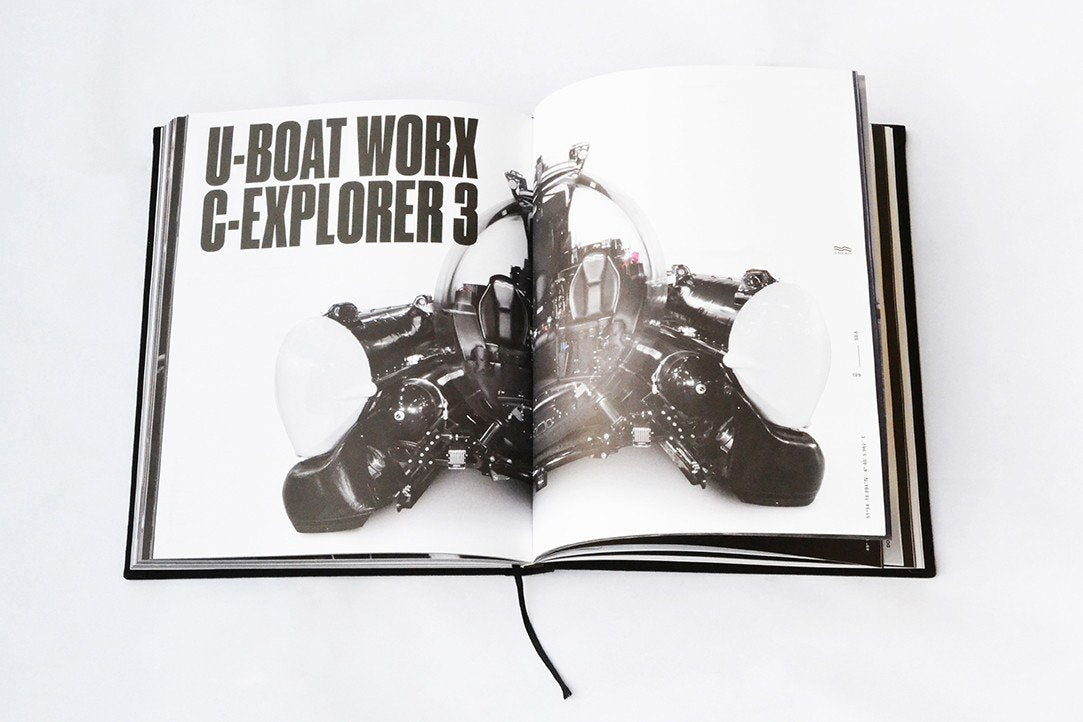
Design innovation is reshaping several of these tiers, from modular concepts to fully electric drivetrains. If you enjoy seeing where the segment is heading, our overview of jetski design concepts shows how boundaries between categories continue to blur.
Match Power and Seating to Your Riders
How many people will ride with you, and how often? Seating capacity is more than a comfort question; it also affects what you are legally allowed to do. Almost all new models are rated for three people, yet not every three-passenger craft comfortably carries three adults. A mid-size unit realistically suits two adults and a child.
That three-passenger rating carries practical weight. In most states, it is a requirement for towing tubers or wakeboarders, so families planning tow sports should not compromise here. A larger hull also delivers the buoyancy and seat room needed for two adults to cruise for hours without fatigue. Balance the horsepower you crave against the stability your passengers deserve, and remember that raw speed rarely improves a family outing.
New or Pre-Owned: Weighing the Trade-Offs
Should you buy new or used? A new watercraft brings a factory warranty and peace of mind, while a pre-owned unit can save thousands if you inspect it carefully. The used market across the major brands is deep, but every craft deserves a thorough once-over before money changes hands.
When evaluating a second-hand jetski, prioritize these checks:
- Hours of use: low hours can signal light use, though a craft left idle for years may have perished seals and congealed oil. A well-maintained unit with higher hours can still be a sound buy.
- Service history: most brands recommend servicing every 12 months or 100 hours, and a complete log book reveals how diligently an owner cared for the machine.
- Hull condition: run your hand along the hull for scratches that reach the fibreglass, which can be costly to repair.
- Engine compression: a compression test, ideally by a marine mechanic, guards against expensive rebuilds.
- Security keys and lanyards: confirm you receive the correct immobiliser keys or PIN, as replacements are expensive.
For buyers who prefer curated, premium machines without the guesswork of private sales, our luxury jet skis for sale present vetted options at the top of the market.

Budget Beyond the Sticker Price
The purchase price is only the beginning. The true cost of ownership includes fuel, insurance, storage, and routine maintenance, and these recurring expenses shape your long-term satisfaction. Some models demand more frequent servicing than others, and labour costs rise when panels must be removed to reach the engine.
Do not overlook the trailer, either. Corrosion, worn tyres, and aging bearings all add cost, and most trailers do not last beyond eight to ten years. Fuel efficiency deserves attention too, since a thirsty engine quietly inflates every outing. The appetite for cleaner alternatives is one reason market analysts tie future growth to demand for electric personal watercraft and lightweight hull materials, both of which can trim running costs over time.
Confirm Safety Features and Brand Support
A confident purchase depends on safety and after-sales support. Look for a lanyard kill switch, a sound safety record, and compliance with local standards. A Type III personal flotation device is mandatory for riders in many jurisdictions, so budget for proper gear alongside the craft itself.
Brand ecosystem matters more than badge loyalty. Easy access to spare parts, a nearby service agent, and a reputable dealer network all reduce downtime and stress. North America remains the largest regional market, and recent industry figures estimate 70,000 to 75,000 new units sold annually in the United States, which underpins the strong dealer and parts infrastructure buyers there enjoy. Wherever you ride, choose a brand whose support network you can actually reach.
Comparing the Categories at a Glance
The table below summarizes the practical differences, with a curated luxury route included for buyers seeking the upper tier.
| Option | Typical Power | Best For | Passengers |
|---|---|---|---|
| Rec-Light | 60 to 100 HP | Budget-conscious beginners | 2 |
| Recreation | 120 to 180 HP | Family fun and versatility | 3 |
| Luxury / Touring | 300+ HP | Long, stable cruising | 3 |
| Performance | Highest available | Experienced speed riders | 2 |
| Our curated luxury selection | Premium, vetted craft | Discerning buyers wanting top-tier, ready-to-ride machines | Varies by model |
Bringing Your Decision Together
Knowing how to select the right jetski is a sequence, not a single leap. Begin with your purpose and location, choose the category that fits your riders and skill level, then set a budget that accounts for fuel, maintenance, and storage. Whether you buy new or pre-owned, inspect carefully and confirm the safety features and dealer support that protect your investment. Follow that order, and the machine you bring home will match the life you imagine on the water.
Take action with TheArsenale
Once you have clarified the category, power, and features that suit your riding, the next step is finding a machine worthy of that decision. We curate high-end mobility and ocean exploration craft for riders who value both performance and design.

Explore our jetski and water-sport picks to browse a marketplace built around premium electric jetboards, runabouts, and ocean craft. As a member, you gain early access to select vehicles before they are listed publicly, and our team is available around the clock to answer your enquiry. Bring your shortlist, and let us help you match it to the right machine.
Frequently Asked Questions
What is the best jetski category for a complete beginner?
A Rec-Light or entry Recreation model is usually the wisest starting point. These craft are affordable and forgiving, allowing you to build confidence before moving into more powerful categories. High-performance machines are best left until you have real experience on the water.
How many people can a jetski safely carry?
Most new models are rated for up to three people, though comfort varies with hull size. A mid-size three-passenger craft realistically suits two adults and a child. If you intend to tow tubers or wakeboarders, a three-passenger rating is legally required in most states.
Is it worth buying a used jetski?
Yes, a pre-owned unit can save you thousands if you inspect it thoroughly. Prioritize the service history, engine compression, hull condition, and correct security keys. A patient, careful inspection protects you from expensive repairs after purchase.
Should I consider an electric jetski?
Electric personal watercraft appeal to riders who value quieter operation and lower running costs. Demand for this segment is a recognized driver of market growth, so choice continues to expand. We cover the considerations in detail within our editorial guide to electric jet skis.
What ongoing costs should I plan for?
Beyond the purchase price, budget for fuel, insurance, storage, and routine servicing every 12 months or 100 hours. Salt-water use raises maintenance needs, and trailers eventually require new tyres and bearings. Factoring these in early prevents unwelcome surprises.