How to Choose an Underwater Drone: A Complete Buyer Guide

The market for submersible robots is expanding at a remarkable pace, with global valuations approaching USD 5.20 billion in 2026. As ocean exploration, offshore inspection, and marine research grow, knowing how to choose an underwater drone has become a genuinely technical decision rather than a simple purchase. For a sense of how far the category now stretches, from bio-inspired machines to work-class systems, our feature on the Roboshark underwater robot illustrates the engineering diversity available today.
The stakes are practical. A drone rated for shallow dock inspections will fail in deep water, while an overspecified system wastes budget on capabilities you never use. According to Coherent Market Insights, remotely operated vehicles are expected to hold the largest share of the market at 62.2% in 2026, which reflects how central tethered control remains to serious underwater work. The sections below break the decision into the specifications that actually matter.
Start by Defining Your Mission and Use Case
Before comparing specifications, define what the machine must accomplish. A recreational explorer filming reefs has entirely different priorities than a commercial team inspecting a hull or a researcher sampling the seabed. Recreational users tend to value user-friendly designs and portability, while professionals require high-resolution imaging and data-gathering capabilities.
Ask three questions first. What environment will you operate in, from calm harbors to strong-current offshore zones? How deep must the vehicle reach reliably? And what output do you need, whether that is casual video, inspection-grade documentation, or scientific measurement? Clarifying intended use narrows a crowded field of options before you spend a single hour on product comparisons.

Depth Rating and Build Quality
The depth rating determines how deep a drone can operate before pressure compromises its structure or functionality. For shallow tasks such as inspecting docks or hulls, a rating of 30 to 45 meters (100 to 150 feet) is often sufficient. For offshore inspection or marine research, you may require systems rated for 150 to 300 meters or considerably more.
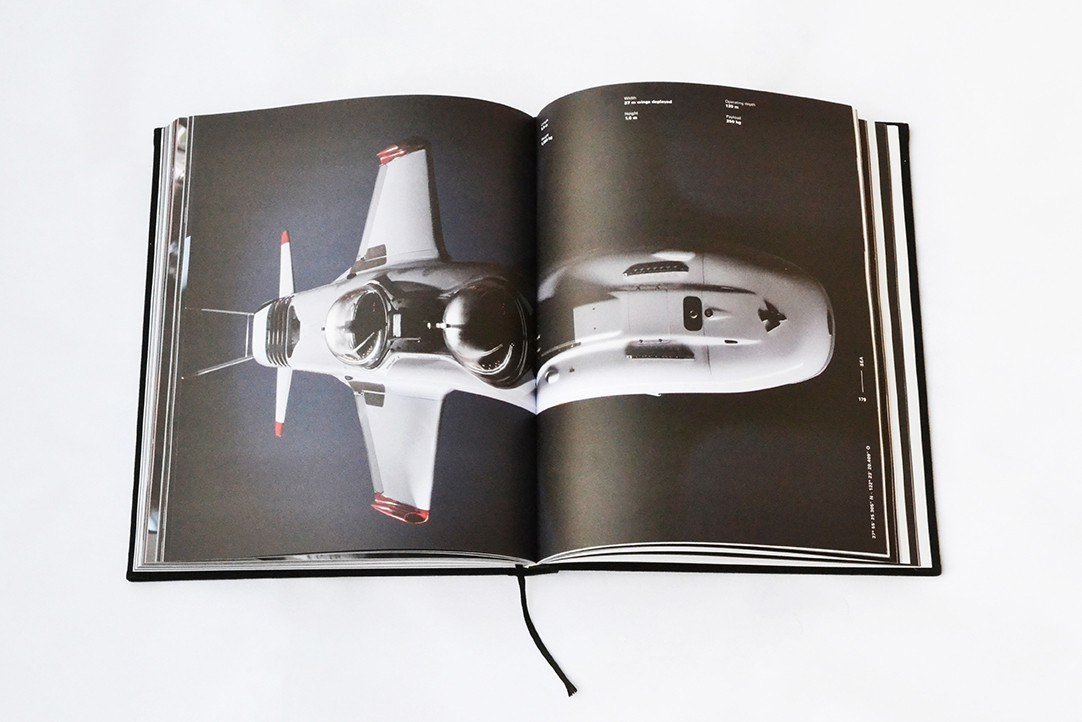
Build quality matters just as much in saltwater, which is corrosive and unforgiving. Look for marine-grade aluminum or reinforced polycarbonate hulls, quality sealing, and a high Ingress Protection rating. Durable materials protect your investment and keep the vehicle reliable mission after mission. When depth ambitions climb toward true ocean-bed exploration, purpose-built craft such as the DeepFlight Dragon (ocean-bed drone) show what dedicated deep-water engineering looks like.
Cameras, Lighting, and Sensors
Clear imaging is the reason most people buy an underwater drone, and murky or low-light water makes it difficult. For inspection-grade work, choose a system with at least a 4K camera and a minimum of 30 frames per second, with 60 frames per second preferable for fast-moving scenes. Powerful, adjustable LED lighting, ideally above 1000 lumens, is essential for visibility in deeper, darker water.
Sensors extend a drone far beyond simple filming. Side-scan or multi-beam sonar aids navigation and mapping in turbid conditions, while environmental sensors for temperature, salinity, and pH gather critical research data. Modular payloads such as grabber arms or sampling tools turn a camera platform into a genuine working instrument.
Thrusters, Control, and the Tether Question
Maneuverability depends heavily on thruster configuration. Systems with four to six thrusters offer better control and multi-directional movement, and vectored layouts allow stable station-holding even in current. Auto-stabilization and gyroscopic control keep the vehicle steady while you capture detailed imagery or hold position near a delicate structure.
Then there is the tether decision. Tethered drones provide real-time data transmission, stable control at depth, and a physical recovery line, at the cost of range. Wireless models offer freedom of movement but can suffer signal interference and shorter operational range. That trade-off explains the market's tilt toward cabled systems; according to Global Growth Insights, remotely operated vehicles account for nearly 58% of total deployments, with autonomous vehicles used mainly for long-duration missions.
Battery Life, Portability, and Price
Battery capacity dictates how long you can stay down. Recreational drones may run one to a few hours, while professional operations often demand two to four hours or swappable battery systems for continuous work. Consider charging time too, especially when consecutive missions leave little turnaround. Portability then matters for travel; the lightest recreational models weigh only a few kilograms and pack easily, while work-class systems require more logistics.
Price should be the last filter, not the first, because it follows from the specifications above. The table below maps typical tiers to the buyers they suit.
| Tier | Typical Price | Depth & Features | Best For |
| Entry-level | USD 1,000 to 3,000 | Shallow rating, basic camera | Hobbyists, light inspection |
| Mid-range | USD 3,000 to 10,000 | Deeper rating, better imaging, more thrusters | Prosumers, semi-professional work |
| High-end | Above USD 10,000 | AI-assisted navigation, modular sensors, deep ratings | Industrial and scientific teams |
| Curated ocean-exploration craft (our marketplace) | Bespoke | Premium submersibles and exploration machines, curated selection | Collectors and explorers seeking the finest craft |
Across every tier, demand keeps rising. The broader unmanned underwater vehicle market is projected by MarketsandMarkets to grow from USD 6.91 billion in 2026 to USD 19.22 billion by 2031, a signal that manufacturers are investing heavily in better sensors, batteries, and navigation.
Matching the Drone to Buyer and Region
Where and how you buy shapes your options. North America continues to lead demand; IMARC Group reported the region held over 32.3% of the underwater drone market share in 2025, supported by defense, offshore energy, and research programs. That concentration influences availability, servicing networks, and the sophistication of models within easy reach.
For frontier capability, government and research programs often preview what reaches the commercial market next. Our coverage of the DARPA underwater vehicle prototype shows how autonomy and endurance are advancing, features that gradually filter down into the systems buyers can actually purchase.

Bringing the Decision Together
Understanding how to select an underwater drone comes down to sequence, not guesswork. Define the mission first, then work through depth rating, build quality, imaging, sensors, thruster and tether configuration, battery life, and portability. Let price follow those requirements rather than lead them. A recreational explorer and an offshore inspection team will land on very different machines, and both will be correct, because each began from the task. Match the specifications to the water you intend to explore, and the right vehicle reveals itself.
Take action with TheArsenale
Once you have clarified the depth, capability, and craftsmanship you want from an ocean-going machine, the next step is finding one worthy of the mission. As a luxury mobility marketplace, we curate high-end mobility and ocean exploration craft for owners and explorers who value engineering and design in equal measure.

Explore our Nemo submarine (underwater exploration option) to see how a curated exploration craft is presented and specified. Through our Private Membership, you may also access selected vehicles before they are listed publicly, and our team is available to answer enquiries directly.
Frequently Asked Questions
How deep can a consumer underwater drone go?
Most recreational models operate reliably to around 100 meters, while professional and work-class systems reach several hundred meters or more. Always confirm the manufacturer's depth rating and treat it as a hard operating limit rather than a target.
Are tethered or wireless underwater drones better?
Tethered drones offer stable, real-time data transmission and a physical recovery line, which makes them dependable for deeper or longer missions. Wireless models provide greater freedom of movement but can suffer signal loss, so they suit shallow, open-water use.
What camera resolution should I look for?
A 4K camera with at least 30 frames per second is a sensible baseline for detailed, inspection-grade footage. Pair it with adjustable LED lighting above 1000 lumens so that images stay sharp in murky or low-light conditions.
How much should I budget for a quality underwater drone?
Entry-level models start around USD 1,000 to 3,000, mid-range systems run USD 3,000 to 10,000, and professional units exceed USD 10,000. For bespoke ocean-exploration craft, we curate premium options through our luxury mobility marketplace for collectors and explorers.
Do underwater drones work in murky water?
Yes, provided they are equipped for it. Powerful LED lighting improves close-range visibility, and sonar sensors allow navigation and mapping when the water is too turbid for the camera alone.