Personal Submarine Ownership: A Complete 2026 Buyer Guide

The global appetite for underwater exploration has reached a value once reserved for defence fleets. One market assessment placed the sector at roughly USD 1.47 billion in 2024, a figure that reframes deep diving as a genuine luxury category. If you are considering the leap from spectator to owner, our guide on how to purchase a submersible is a practical starting point for what follows.
Owning a personal submarine is no longer the preserve of research institutions or navies. According to recent market research, the segment is projected to grow at a compound annual rate of 9.2% through 2033, propelled by technological advances and the rising affluence of individuals who want private access to the subsea world. This article explains what these craft cost, how deep they travel and which builders define the field in 2026.
What a personal submarine actually is
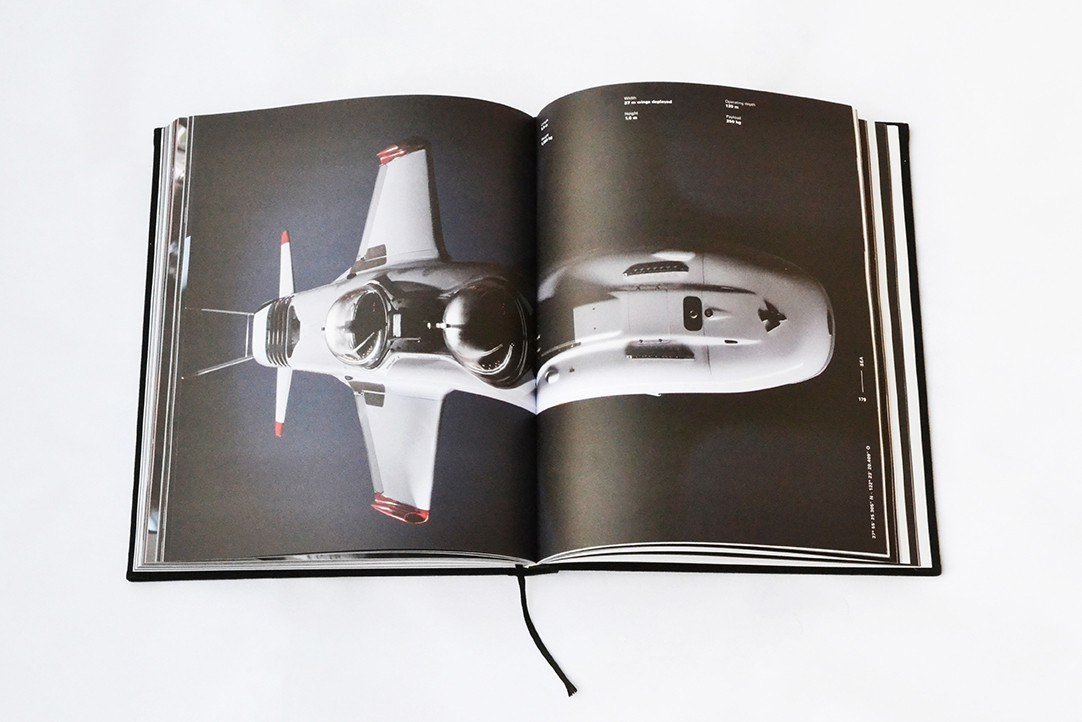
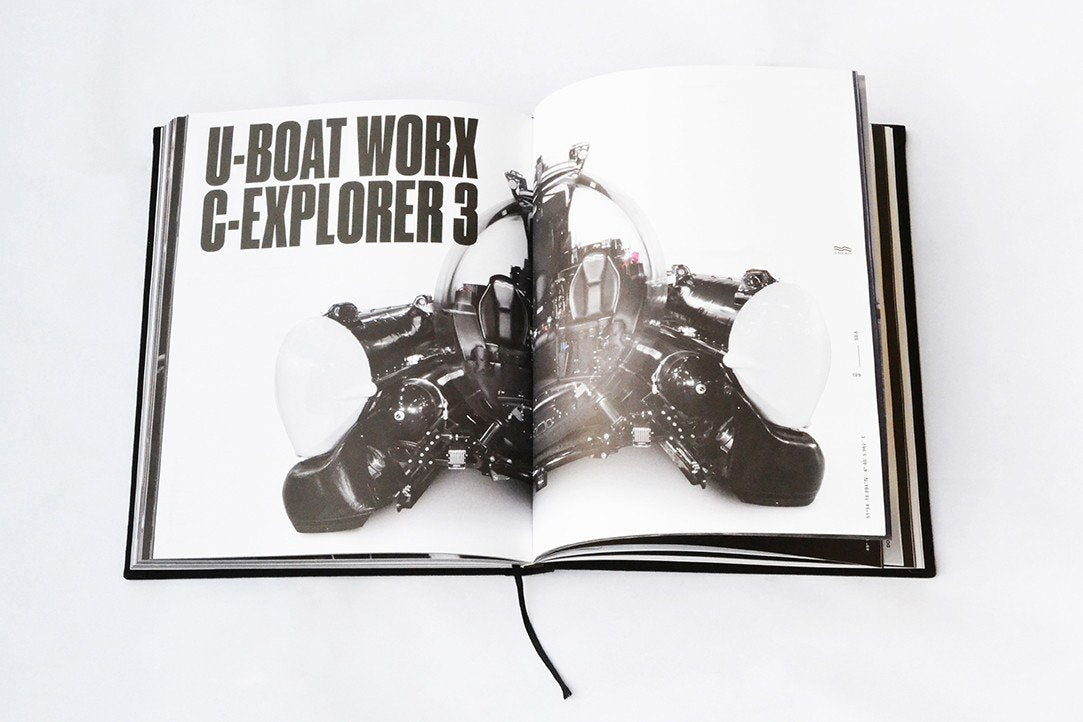
A private submersible is a self-contained, pressurised vessel designed to carry passengers safely below the surface and return them to it. Unlike a military submarine, it is built for observation, comfort and repeated shallow-to-deep dives rather than endurance or combat. Most models seat between two and nine occupants inside a transparent acrylic pressure hull that offers panoramic views.
The category spans several distinct purposes. Some craft are compact leisure submersibles integrated with a superyacht, while others function as standalone research or tourism platforms. Analysts commonly segment the field by capacity, application and depth rating, ranging from shallow-water models to ultra-deep vessels certified beyond 1,000 metres. If you are weighing which class suits your ambitions, our overview of achievable dive depths clarifies the trade-offs involved.

How much does a personal submarine cost in 2026
Price is the first question most prospective owners ask, and the range is wide. Entry-level two-person submersibles begin in the low hundreds of thousands of dollars, while multi-passenger, deep-rated and fully customised craft climb into the millions. The figure depends chiefly on depth rating, occupancy, hull size and the level of yacht integration you require.
The economics reflect a small but expanding luxury niche. One 2026 analysis valued the personal submarine sector at USD 168 million in 2025, with projected growth to USD 522 million by 2035 at a compound annual rate near 12%. That trajectory signals both scarcity and rising accessibility, which together shape resale values. Buyers should also budget for certification, crew training, maintenance and the tender or yacht platform required to launch and recover the craft.
How deep can these submersibles travel
Depth capability defines both price and purpose. Consumer leisure models are frequently certified to around 100 to 300 metres, which is ample for reef systems, wrecks and coastal exploration. Professional and research variants extend much further; several documented series reach 1,140 metres, and specialised deep-water craft are rated to 3,000 metres for scientific work. A very small number of ultra-deep vessels have reached the ocean's hadal zones.
Every increase in rated depth demands a thicker, more precisely engineered pressure hull and heavier ballast systems, which raises weight and cost accordingly. For most recreational owners, a mid-depth rating balances view quality, dive frequency and running costs. Matching depth to your genuine use case, rather than to a headline number, is the single most economical decision you can make.
The builders and models defining the field
A handful of specialist manufacturers dominate private submersible design, offering leisure, commercial and professional lines. Their catalogues illustrate how varied the category has become: compact two-seaters for yacht owners, multi-guest cruise submersibles for resorts, and diesel-electric "yacht submarines" that operate as both surface vessel and dive craft. Studying these ranges is the clearest way to understand what your budget buys.
Two examples show the spectrum well. Our feature on the Aurora 3C submersible examines an accessible entry point into ownership, while our profile of the U-Boat Worx C-Researcher covers a professional-grade craft engineered for serious depth and research duty. Between these two poles sit dozens of configurations tailored to leisure, filming and exploration.

Who is buying private submersibles
The typical owner profile is narrow but growing. Superyacht owners lead demand, integrating a submersible as the ultimate onboard toy, followed by resort operators, documentary producers and independent ocean explorers. Research institutions continue to acquire deeper-rated craft for scientific missions.
Demand patterns confirm this concentration at the top of the wealth spectrum. A 2026 study of the private submarines market noted that high acquisition prices restrict accessibility for roughly 30% of potential buyers, while military and deep-water research applications account for close to half of adoption. For private clients, the value proposition is exclusivity: access to environments that almost no one else can reach.
What ownership genuinely involves
Buying the craft is only the beginning. Responsible ownership includes classification and certification by a recognised body, pilot training, a maintenance schedule and secure storage or yacht integration. Insurance, spare parts and periodic hull inspections form a recurring cost that prospective owners frequently underestimate.
Operational logistics matter as much as the machine itself. You will need a launch and recovery system, qualified support crew and clear dive planning for each location. The reward is considerable: a private, repeatable gateway to the deep that transforms any voyage into genuine exploration. Careful preparation ensures that the experience remains as safe as it is extraordinary.
Bringing it all together
Choosing a personal submarine is ultimately an exercise in matching ambition to use case. Decide first how deep and how often you intend to dive, then let capacity, hull design and yacht integration follow from that honest assessment. Prices span a broad range, running costs are real, and certification is non-negotiable. Approached methodically, ownership delivers something few possessions can: private, sustained access to the least-explored place on Earth.
Take action with TheArsenale
If the idea of descending into the deep on your own terms appeals to you, the practical next step is to see which craft are genuinely available and what they entail. We curate high-end ocean exploration machines alongside our wider luxury mobility marketplace, so you can compare configurations without the guesswork.

Explore our curated selection of submersibles for sale to review available models and specifications. Through our Private Membership, you may also access vehicles before they are listed publicly, and our sales team is on hand to answer enquiries directly. It is the most straightforward way to move from research to ownership.
Frequently Asked Questions
Is a personal submarine legal to own?
Yes, private submersibles are legal to own in most jurisdictions, provided they are classified and certified by a recognised marine authority. Operating rules vary by country and by the waters in which you dive. You should confirm local requirements before any purchase.
Do you need a licence to pilot one?
You do not require a conventional vehicle licence, but you do need manufacturer-approved pilot training and certification for the specific craft. Reputable builders include this training as part of delivery. Ongoing competency checks are standard practice for safe operation.
How much does maintenance cost each year?
Annual costs vary with depth rating, usage and hull complexity, and typically include inspections, spare parts, insurance and storage. Owners should treat maintenance as a meaningful recurring expense rather than an afterthought. A professional service plan helps protect both safety and resale value.
Can a personal submarine be launched from a yacht?
Many leisure models are designed specifically for yacht integration and are launched with a dedicated crane or platform. Larger craft may require a purpose-built recovery system. We cover several yacht-compatible submersibles within our curated ocean exploration listings.
How long can you stay underwater?
Duration depends on the craft, but most leisure submersibles carry life support for several hours per dive, with substantial reserves for safety. Larger yacht submarines can remain submerged far longer. Dive time is always planned conservatively around the vessel's rated endurance.