Dolphin-Shaped Personal Submarine: A Buyer's Guide

What does a dolphin-shaped personal submarine actually describe? In most searches, the phrase “personal submarine dolphin” refers to an animal-inspired craft that combines the handling of a personal watercraft with short underwater dives. For a closer look at this category, our Seabreacher dolphin submarine overview explains the design, operating concept, and ownership context.
The distinction matters before you compare prices or performance. A dolphin-style semi-submersible is built for motion, spectacle, and surface access. A genuine personal submarine uses a different approach to buoyancy, depth control, life support, and underwater endurance.
What does a dolphin-shaped personal submarine actually describe?
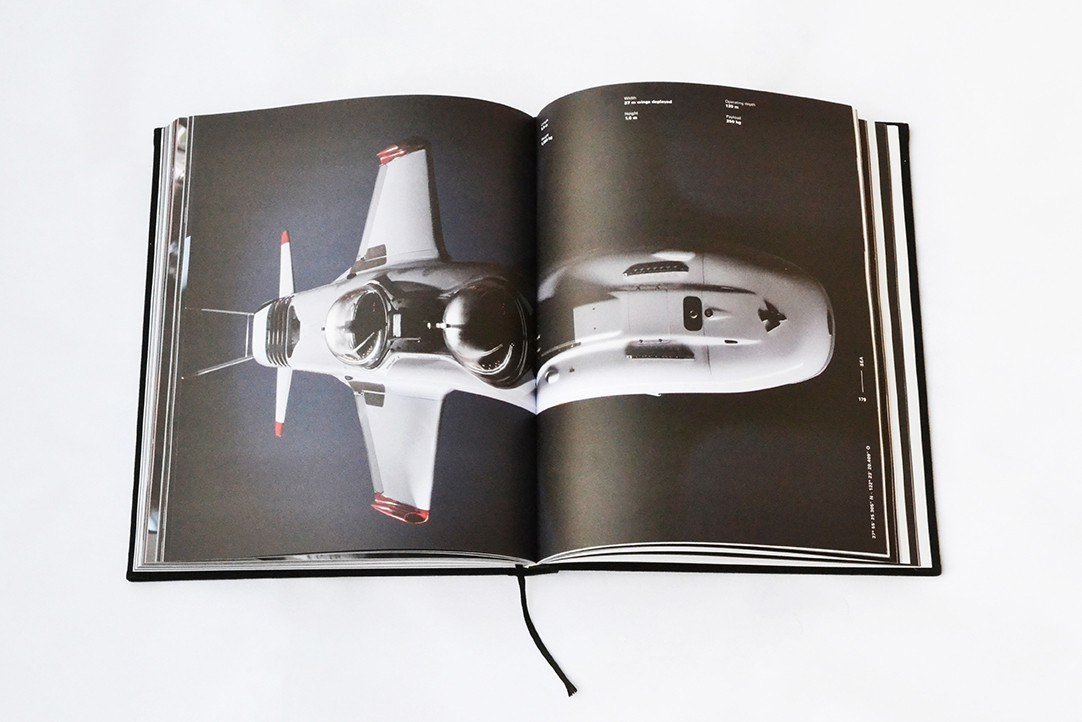
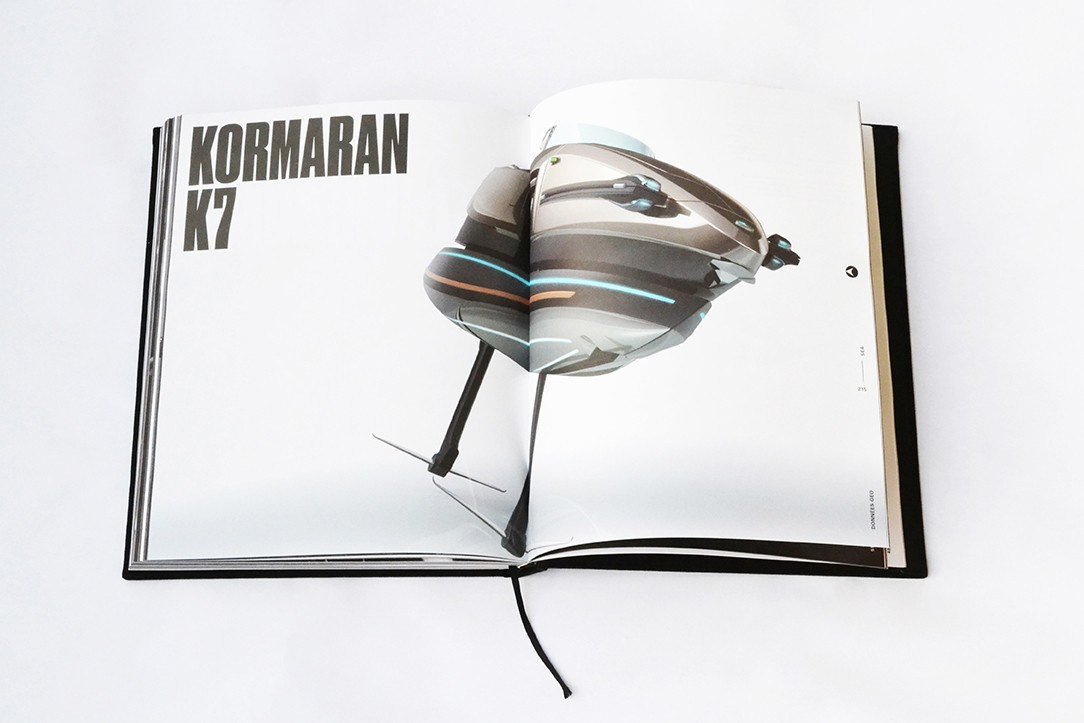
The dolphin-style craft most buyers have in mind is a two-seat, semi-submersible watercraft. Its exterior resembles a dolphin, shark, or other marine animal, while its internal systems combine a marine engine, waterjet propulsion, control surfaces, and an enclosed cockpit.
The design is not merely decorative. A streamlined hull helps the craft move efficiently across the surface, while fins and vectored thrust support changes in pitch, direction, and roll. The result is a machine that can dive below the surface, rise sharply, and perform controlled maneuvers under suitable conditions.
Unlike a conventional boat, the cockpit surrounds the occupants with a sealed canopy. This allows the craft to pass briefly beneath the surface without requiring scuba equipment. However, the experience remains closer to high-performance watercraft operation than to a conventional submarine voyage.
That difference also affects ownership. You are not simply buying a boat with an unusual shell. You are acquiring a specialized machine that requires suitable launch access, storage, transport, maintenance, training, and careful route planning.
Why is it usually a semi-submersible rather than a true submarine?
The decisive technical question is not appearance, but buoyancy. A dolphin-shaped semi-submersible is generally positively buoyant, which means it naturally returns toward the surface. Forward thrust and control inputs push the hull below the waterline for short periods.
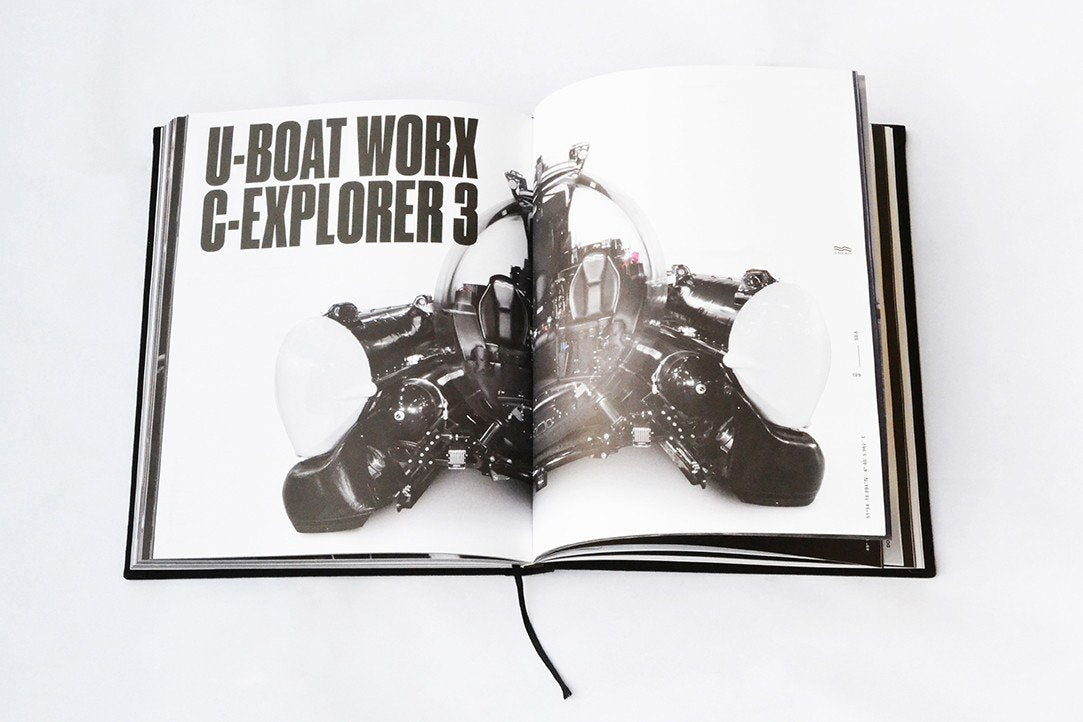
A true submarine is designed around controlled buoyancy. Ballast systems, pressure-resistant structures, trim controls, batteries, propulsion systems, and life-support equipment allow it to descend, remain underwater, and return safely. The engineering priorities are therefore different from those of a fast recreational craft.
The National Academies overview describes undersea vehicles used for deep-ocean search, seabed inspection, and missions reaching thousands of meters. That scale provides useful context, even though a privately owned personal submarine may operate at a much shallower certified depth.
For buyers, the practical distinction is simple. Choose a semi-submersible if you want brief dives, rapid surface travel, breaching movements, and an interactive piloting experience. Choose a genuine submersible if your priority is extended underwater observation, controlled descent, and time spent at depth.
Our personal submarine buying guide can help you evaluate these categories before you focus on styling or custom finishes.
What performance and controls should you expect?
Imagine sitting in tandem beneath a transparent canopy while the craft accelerates across a calm stretch of water. You are controlling pitch, direction, and thrust rather than simply steering a conventional boat from a wheel.
Dolphin-style craft typically use a powerful marine engine connected to an axial-flow waterjet. The jet system provides propulsion without an exposed propeller, while vectored thrust allows the pilot to influence the vessel's movement across several axes.
Published 2026 editorial material associated with the dolphin-style Seabreacher describes surface speeds near 50 miles per hour and brief submerged runs near 25 miles per hour. It also describes a shallow operating depth of roughly five feet, with the engine's air intake limiting how far the craft can descend.

These figures should be treated as reference points rather than universal guarantees. Final performance depends on the model, engine configuration, payload, water conditions, operating technique, and customization. A buyer should request current specifications for the exact vessel under consideration.
The controls also require practice. Hand controls can influence the craft's attitude, while pedals or similar inputs can direct the waterjet. Surface maneuvers may be accessible after basic instruction, but breaching, rolling, and repeated dives demand more experience and a clear operating area.
What does ownership cost in 2026?
In 2026, the price gap between a dolphin-style semi-submersible and a true personal submarine can be substantial. The first category is usually a bespoke recreational craft. The second may involve pressure-rated structures, sophisticated ballast systems, certified support equipment, and far more complex logistics.
Current editorial listings place the dolphin-style Z model at approximately US$113,400 before certain custom options, transportation, and trailer costs. Treat that figure as a starting reference, not a final invoice. Paintwork, interior finishes, engine upgrades, instrumentation, shipping, taxes, and commissioning can change the total significantly.
A true personal submarine does not have one universal price. Depth rating, passenger capacity, endurance, viewing area, propulsion, certification, support requirements, and delivery location all influence the acquisition cost. A compact recreational submersible and a multi-person deep-diving vehicle belong to very different financial categories.
A March 2026 report on a three-person personal submarine described a price of approximately US$5.75 million, a maximum depth of 300 meters, and a top speed near 10 knots. The example shows why a buyer should compare capability rather than relying on the word “submarine” alone. You can review available acquisition routes through our Seabreacher submarines for sale resource.
| Option | Underwater profile | Acquisition approach | Typical experience |
|---|---|---|---|
| Our curated personal submarine route | Varies by vessel, depth rating, and capacity | Sales consultation, sourcing, and specialist guidance | Online discovery, tailored assistance, stores, and exhibitions |
| Dolphin-style semi-submersible | Brief, near-surface dives | Bespoke build or specialist seller | Fast recreational operation and dynamic maneuvers |
| Independent private search | Depends on the selected vessel | Buyer-led research and verification | Potentially varied, with less centralized support |
Ownership planning should also include storage, launch equipment, insurance, maintenance, spare parts, crew support, and regional transport requirements. These costs may be less visible than the purchase price, but they strongly influence the long-term practicality of the machine.
Where can you operate a dolphin-style craft safely?
Where you operate matters as much as what you purchase. A dolphin-style watercraft requires sufficient open water, reliable weather conditions, clear visibility, and separation from swimmers, kayakers, divers, fishing boats, and other fast-moving vessels.
Many owners launch specialized craft from conventional boat ramps. That does not mean every ramp, lake, coastal area, or harbor is suitable. Local navigation rules, speed limits, registration requirements, insurance conditions, and restrictions on unusual vessels can differ between countries and waterways.
Safety equipment should be selected for the vessel and the operating area. A properly fitted life jacket, communication device, emergency exit knowledge, and a pre-departure inspection are essential. You should also confirm how the craft handles water ingress, engine shutdown, loss of visibility, and recovery after an incident.
Environmental responsibility deserves equal attention. A 2023 study recorded 2,414 dolphin sightings, including 1,667 common dolphin sightings, during surveys conducted between 2017 and 2020. The researchers identified vessel collisions, fishing activity, and noise as pressures affecting dolphins in the study area, as reported in a 2023 marine study.

That evidence does not mean every personal watercraft has the same impact. It does mean that responsible operation requires distance from marine mammals, reduced speed near wildlife, and avoidance of repeated approaches or disruptive maneuvers.
Before purchasing, ask the builder or seller for operating guidance that applies to your intended region. You should also verify whether formal training, registration, a boating certificate, or additional permissions are required where you plan to use the craft.
How should you choose between a semi-submersible and a personal submarine?
If your objective is adrenaline, choose a machine designed around responsive surface handling and brief dives. If your objective is underwater observation, prioritize depth certification, endurance, visibility, passenger comfort, emergency systems, and support infrastructure.
Start by writing down the experience you want. Consider whether you want to pilot the vessel yourself, carry one passenger, remain underwater for minutes or hours, explore coastal areas, support scientific or filming work, or create a private experience for guests.
Then examine the technical documentation. Ask about buoyancy, maximum operating depth, submerged duration, air supply, propulsion, battery or fuel capacity, inspection intervals, emergency procedures, and recovery methods. Marketing images cannot answer those questions.
Customization is another important consideration. Dolphin-inspired bodywork can make a vessel visually distinctive, while a true personal submarine may prioritize visibility, pressure resistance, ergonomic seating, and practical access. The design language should support the mission rather than replace it.
Our Aurora 3C personal submarine feature provides a useful reference for readers considering genuine private submersibles. It also reinforces an important point: personal submarine ownership is possible, but the right machine depends on the intended depth, use case, and support requirements.
For a high-value purchase, request a complete specification sheet, ownership history where applicable, delivery terms, service arrangements, and a clear list of included equipment. A specialist sales conversation can also help you compare machines that are not directly comparable from photographs alone.
Choose the underwater experience first
The phrase dolphin-shaped personal submarine can describe two very different expectations. A semi-submersible offers speed, surface excitement, short dives, and animal-inspired movement. A true personal submarine offers controlled descent, underwater endurance, and a different level of engineering and operational planning. Define your mission before comparing prices, then verify the vessel's buoyancy, depth, safety systems, support requirements, and legal operating conditions.
Take action with TheArsenale
Once you know whether you want a dynamic semi-submersible or a genuine underwater vehicle, the next step is finding a credible acquisition route. Your decision may involve rare machines, specialist builders, international logistics, and technical questions that deserve more than a standard checkout process.

We curate future-oriented mobility objects and connect collectors with unusual machines through personalized sales assistance and sourcing. You can explore our collection of personal submarines, compare different underwater concepts, and begin a conversation about specifications, availability, and the experience you want to create.
Frequently Asked Questions
Is a dolphin-shaped personal submarine a real submarine?
Usually, no. Dolphin-style models are generally semi-submersible watercraft that dive briefly and return to the surface, while true submarines are designed for sustained underwater operation.
How deep can a dolphin-style semi-submersible go?
Many dolphin-inspired craft operate only a few feet below the surface. The exact limit depends on the design, air intake, engine configuration, water conditions, and operating instructions for the specific model.
How much does a dolphin-style craft cost in 2026?
Published 2026 starting figures for a dolphin-style model are around US$113,400 before certain customization, trailer, and shipping costs. A final quote can be higher depending on the selected configuration and delivery requirements.
What should you inspect before buying one?
Review buoyancy, maximum depth, submerged duration, engine or battery systems, emergency procedures, maintenance requirements, transport arrangements, and local operating rules. You should also request current documentation for the exact vessel rather than relying on general model descriptions.
Can TheArsenale help compare personal submarines?
Yes. Our team can provide access to curated mobility objects, sourcing assistance, and sales guidance for collectors evaluating personal submarines and other rare machines. Our Private Membership may also provide access to vehicles before public listing.