Personal Submarine Jet Ski Buying Guide for 2026 Buyers

If you are searching for a personal submarine jet ski, you are usually comparing several types of machines rather than one standardized product. Some are designed for fast surface cruising with short dives, while others prioritize underwater exploration, enclosed comfort, or distinctive engineering. Our personal submarine buying guide can help you frame that decision around your intended experience.
The most important distinction is between a personal watercraft, a semi-submersible, an underwater scooter, and a true personal submarine. Each category involves different controls, operating depths, launch procedures, safety requirements, and ownership responsibilities. Understanding those differences will help you evaluate an extraordinary machine without relying on the jet ski label alone.
What counts as a personal submarine jet ski?
The phrase usually describes a compact craft that combines the agility of a personal watercraft with some form of underwater capability. It may remain open to the air, use a transparent cockpit, or carry the rider inside a pressure-resistant cabin. The degree of submersion is therefore more important than the marketing description.
A traditional personal watercraft is intended primarily for surface operation. A semi-submersible may dive below the waterline while retaining direct access to ambient air. An underwater scooter usually pulls or carries a diver, while a personal submarine is designed around an enclosed passenger compartment and dedicated buoyancy management.
A historical Coast Guard reference describes personal watercraft as craft operated while sitting, standing, or kneeling on the vessel rather than within a conventional hull. That distinction remains useful because it shows why a jet ski and a submarine occupy different technical categories, even when a product blends elements of both.
For buyers, the practical question is simple: does the machine provide a brief underwater maneuver, or is it designed for sustained underwater travel? The answer affects propulsion, visibility, emergency procedures, passenger comfort, and the level of specialist support required.
Which format fits your intended experience?
Imagine four different experiences. You may want to skim across a bay, dive briefly beneath the surface, explore quietly with a diver, or spend extended time inside an enclosed cockpit. Those goals point toward different machine formats.
Surface-first semi-submersibles
These machines behave most like high-performance personal watercraft. They are often designed for rapid acceleration, tight turns, surface maneuvers, and controlled dives. Their appeal comes from the transition between riding on the water and moving below it.
They can suit experienced water enthusiasts who want an active, highly responsive ride. If your priority is a luxury recreational machine for fast coastal use, you can also review our luxury jet skis for sale alongside more specialized submersible options.
Underwater scooters
An underwater scooter is generally more compact and diver-oriented. The user often holds the device or follows behind it, making it suitable for snorkeling, freediving, or scuba activities. It may offer straightforward speed control and depth settings, but it does not necessarily provide the cockpit experience associated with a submarine.
This format is useful when portability and personal exploration matter more than high-speed surface performance. It may also be easier to transport and launch, although the rider remains more exposed to the surrounding water and conditions.
Enclosed personal submarines
An enclosed personal submarine places greater emphasis on passenger protection, visibility, buoyancy, and controlled underwater travel. These machines can provide a calmer experience, particularly for passengers who do not want to swim or hold onto an external propulsion unit.
They also introduce greater operational complexity. You must consider cabin access, ventilation, battery or fuel systems, ballast, emergency ascent, recovery equipment, and maintenance. The enclosed format is often better suited to collectors, private experiences, and carefully planned expeditions than spontaneous beach use.
Which specifications deserve the closest review?
A striking exterior is only the beginning. The most valuable specifications describe how the craft behaves, how it is controlled, and how it can be recovered if conditions change.
- Operating depth: Confirm the recommended depth, maximum depth, programmable limits, and safety cutoff. A stated maximum is not the same as a normal operating depth.
- Propulsion system: Review whether the craft uses a jet pump, propeller, electric thruster, combustion engine, or a combination of systems. Propulsion affects noise, maintenance, acceleration, and maneuverability.
- Depth control: Determine whether the pilot controls depth through body movement, hydroplanes, ballast, trim systems, or electronic assistance.
- Visibility: Inspect the canopy, windows, camera systems, lighting, and blind spots. Underwater visibility depends on both the design and local water conditions.
- Capacity: Verify the number of approved occupants, seating arrangement, weight limits, and whether controls are available to more than one person.
- Energy and range: Ask how long the craft can operate at its intended speed and depth. Battery endurance and fuel range can change considerably under demanding conditions.
- Launch and recovery: Establish whether the machine requires a trailer, crane, dock, support boat, or specialized lifting points.
When you are comparing actual acquisition candidates, our personal submarines for sale provide a curated starting point for examining design, engineering, rarity, and intended use. A sales consultation is especially valuable when the machine is sourced internationally or built to a specific specification.

Why safety comes before performance
Underwater capability changes the risk profile of a watercraft. A fast surface ride may allow a rider to return quickly to shore, while a submerged craft introduces concerns involving visibility, orientation, ventilation, communication, and emergency ascent.
Before operating any craft, identify the conditions in which it should not be used. Strong wind, heavy swell, poor visibility, congested waterways, floating debris, cold water, and unfamiliar launch sites can each create hazards. A machine that performs well in calm, clear water may be unsuitable for open coastal conditions.
You should also establish a written operating procedure. It should cover pre-launch inspection, communication with support personnel, maximum depth, turnaround points, battery or fuel reserves, passenger briefing, and recovery steps. These procedures are particularly important when the craft carries more than one person.
Local requirements vary across countries, states, ports, lakes, and marine protected areas. Check registration, operator qualifications, insurance, navigation restrictions, environmental rules, and transport requirements before purchase. The seller or specialist adviser can help identify the right authorities, but responsibility for lawful operation remains with the owner.
Training is equally important. Even a responsive machine can behave differently below the surface, where changes in light, pressure, current, and orientation affect the pilot. You should treat a personal submarine as a specialized vessel rather than as a recreational toy.
What ownership involves beyond the purchase?
The purchase price is only one part of the ownership equation. A personal submarine or semi-submersible may require secure storage, scheduled servicing, water access, lifting equipment, transport arrangements, and specialist technical support.
Ask the builder or sales adviser how the machine is delivered. Clarify whether it arrives assembled, whether commissioning is included, and whether an authorized technician must complete the first setup. You should also understand the procedure for replacing batteries, servicing engines, inspecting seals, maintaining windows, and checking control systems.
Insurance deserves early attention. Standard recreational watercraft policies may not cover unusual submersible machinery, international transport, passenger use, or operation outside designated waters. Obtain written confirmation of coverage before committing to an acquisition.
Storage conditions can affect reliability. Saltwater exposure, humidity, ultraviolet light, temperature changes, and improper lifting can damage mechanical and electrical components. A suitable storage plan should include freshwater rinsing, drying, corrosion prevention, battery care, and protection from unauthorized access.
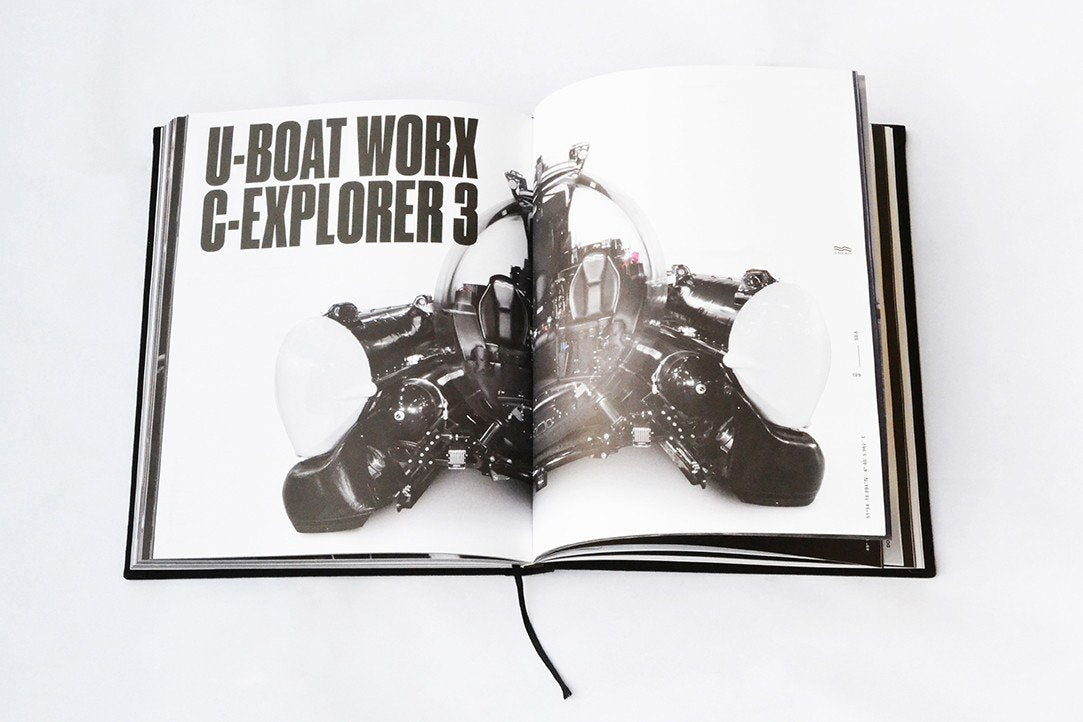
For buyers who want a recognizable reference point, our Nemo submarine by U-Boat Worx illustrates how a personal submarine can be evaluated as both an engineered machine and a collectible mobility object. The relevant questions remain practical: who will operate it, where will it be stored, and how will it reach the water?
What can 2026 PWC data, and cannot, tell you?
The broader personal watercraft market provides useful context, but it should not be mistaken for direct evidence about personal submarine demand. Standard jet skis, semi-submersibles, underwater scooters, and enclosed submarines serve different buyers and require different levels of support.
According to the 2025 NMMA sales report, released in June 2026, United States personal watercraft sales totaled 63,643 units in 2025. The reported average retail price was slightly above $16,000, and three-passenger models represented 89% of unit sales.
That data suggests that mainstream buyers continue to value passenger capacity and familiar recreational use. It does not establish a comparable price point or sales volume for personal submarines, which remain far more specialized and often involve direct consultation.
Power Systems Research estimated 92,000 North American personal watercraft units for 2026. Its category includes personal watercraft, jet drive boats, and jet drive pontoons, so the figure should be read as a broader production estimate rather than a personal submarine statistic. The same source forecast a 5.3% production increase in 2026 after a decline in 2025.
The useful conclusion is not that personal submarines follow the same market curve. Instead, the data reinforces the need to separate mass-market watercraft metrics from specialist mobility acquisitions. A personal submarine is better assessed through mission, engineering, support, provenance, and operating environment.

How can you make a disciplined buying decision?
Begin with the experience you want to create. Decide whether the machine is intended for solo exploration, family outings, guest entertainment, diving support, coastal cruising, or collection. This decision will narrow the appropriate format more effectively than appearance or top speed.
Next, define the operating environment. A sheltered marina, a private lake, and an exposed coastline impose different demands. Consider water temperature, visibility, current, launch access, storage distance, and the availability of a support vessel.
Then compare the complete ownership package. Review the craft, controls, trailer or lifting equipment, training, inspection, delivery, maintenance, insurance, and after-sales support together. A lower purchase price may become less attractive if transport or specialist servicing is difficult.
Finally, request documentation before making a commitment. Seek technical specifications, operating limits, service records, warranty terms, safety procedures, delivery conditions, and any available demonstration opportunities. For a rare machine, a careful acquisition process is part of the value.
Choose the machine behind the label
The phrase personal submarine jet ski covers several very different experiences. A semi-submersible may deliver fast surface action and brief dives, while an underwater scooter emphasizes diver mobility and an enclosed personal submarine prioritizes controlled exploration. Your best choice depends on depth, capacity, operating environment, support, and ownership planning.
Approach the purchase as a specialist mobility acquisition. Confirm the engineering, understand the safety procedures, check local requirements, and evaluate the full logistics of storage, launch, maintenance, and transport. That discipline will help you choose a machine that is exciting in concept and practical in use.
Take action with TheArsenale
When you are looking beyond conventional watercraft, the right starting point is a curated selection supported by specialist knowledge. TheArsenale connects collectors and enthusiasts with rare mobility objects across land, sea, and air, helping you explore machines according to design, engineering, rarity, and intended use.

Browse our selection of personal submarines to review future-oriented machines and identify the right route for a high-value acquisition. Our team can support discovery and sourcing while you consider specifications, operating requirements, delivery, and ownership logistics.
Frequently Asked Questions
Is a personal submarine jet ski the same as a regular jet ski?
No. A regular jet ski is designed mainly for surface travel, while a personal submarine jet ski usually refers to a semi-submersible, underwater scooter, or compact submarine. The depth capability, controls, safety procedures, and ownership requirements can differ substantially.
How deep can these machines operate?
Operating depth depends on the design, propulsion system, cabin structure, buoyancy controls, and safety limits. You should always distinguish between the advertised maximum depth and the recommended operating depth for normal use.
Can a personal submarine carry passengers?
Some enclosed submarines and larger semi-submersibles are designed for multiple occupants. Capacity, weight limits, seating, emergency access, and pilot controls must be confirmed for the specific model.
Do I need training to operate one?
Training is strongly advisable because underwater operation introduces challenges involving orientation, visibility, communication, and emergency procedures. Local authorities, insurers, builders, or specialist advisers may also impose specific requirements.
Where can I find personal submarines for acquisition?
You can begin with a specialist marketplace that curates rare mobility machines and provides direct acquisition support. TheArsenale can help you explore personal submarines and assess the design, engineering, provenance, and practical requirements of a potential purchase.